Mercedes-Benz's 2027 US Sales Target is 330,000 Vehicles
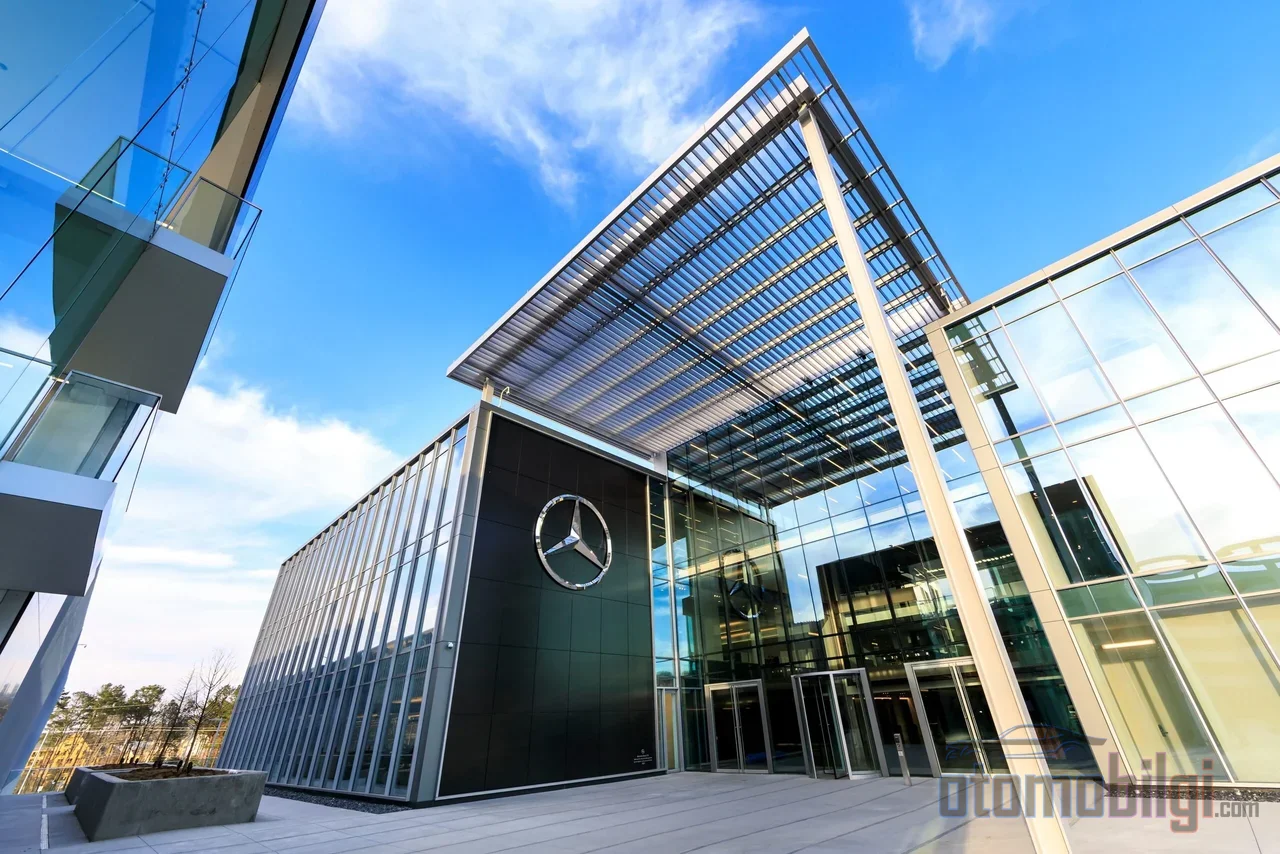
At a dealer meeting held in Las Vegas, Mercedes-Benz announced a target of more than 330,000 vehicles for US retail sales in 2027. The figure is roughly 5% above the total the company projected for 2026, and what is just as striking is that the target coincides with one of the toughest years for the luxury market. The question is: What is this target based on?
There is a hidden paradox in the short answer. While the brand is building its growth in the US mainly on an internal-combustion-heavy, pre-electrification product strategy, the group on the whole has reported the highest quarterly electric sales figures in its history. These two narratives form the key to the strategy behind the target.
The Numerical Background of the Target
Mercedes-Benz's 2025 US retail sales came in at 303,200 passenger cars, which meant a 1% increase compared to 2024. The 2027 target draws a line more than one-fifth above this base. In the long term, the appetite is even bigger: reaching 400,000 annual US sales by 2030. This figure also aims to surpass the brand's 2015 peak of 343,088 units sold.
Highlights
- 2027 US target: over 330,000 retail sales
- 2025 actual result: 303,200 passenger cars, a 1% annual increase
- 2030 target: 400,000 annual sales, above the 2015 peak
- 4 billion dollars of investment in the Alabama facility by 2030
- The GLC will be produced in the US from 2027 onward
Chamberlain's Plan: Core Models and Dealers
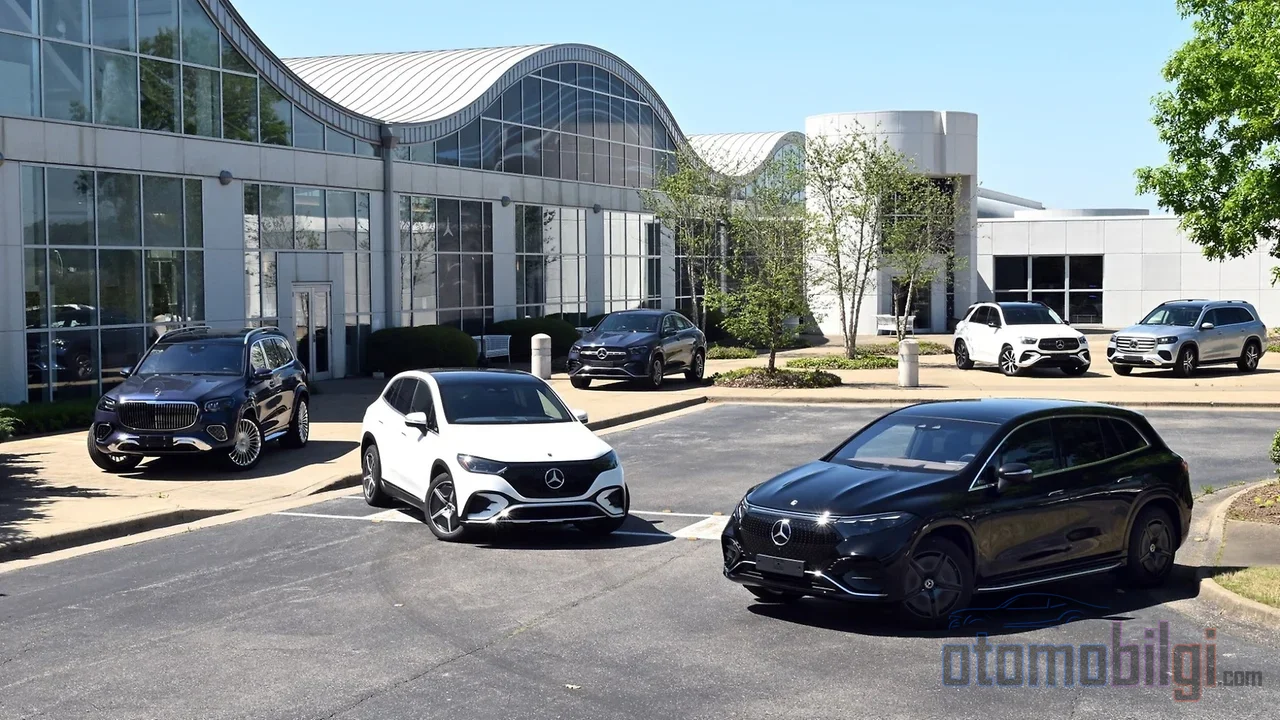
MBUSA CEO Adam Chamberlain revealed that a 30% growth target has been set for US sales by the end of the decade, with the focus on the core models, namely the GLC, GLE and GLS, along with close cooperation with the dealer network. The target was presented to dealers not merely as a number, but as a package together with new products, a new margin plan and a service program. This is being read as an effort to turn the seriousness the manufacturer demands from its dealers into a mutual commitment.
The topic of customs tariffs also remains on the agenda. According to Chamberlain, tariffs affected margins but did not slow sales; prices were raised by only 1.3%, which is a rate below inflation. Still, the fact that a significant portion of the vehicles sold in the US are produced abroad keeps the cost pressure alive. This is where local production comes into play.
The Alabama Investment and Localized Production
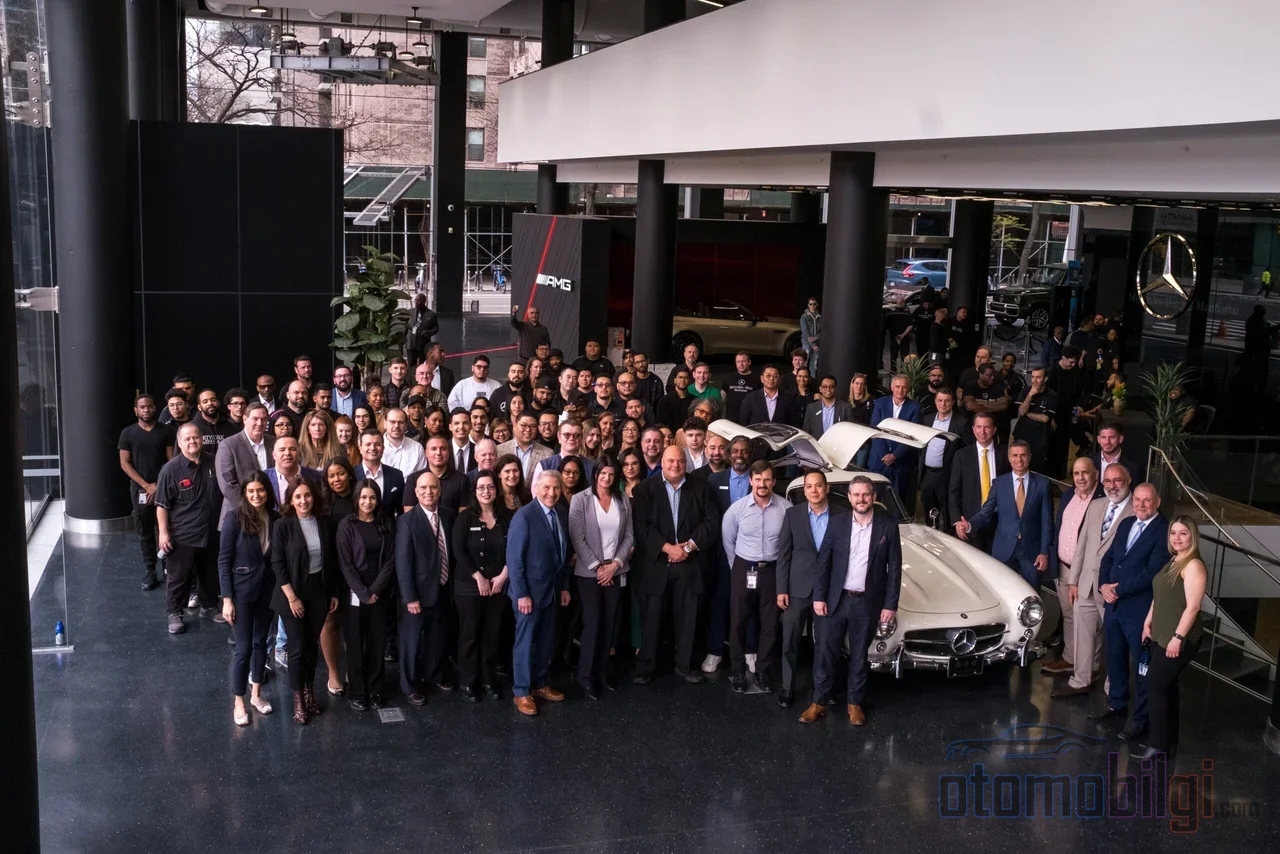
Mercedes-Benz is planning a total investment of over 7 billion dollars in the US; 4 billion dollars of this has been allocated to the Tuscaloosa/Vance production facility in Alabama by 2030. The most concrete step of the plan will befall the GLC: From 2027 onward, it will be produced in the US instead of being imported from Germany. The GLE, the best-selling Mercedes model of the last three years, and the updated GLS will also come out of Alabama; the GLE had become the backbone of this factory in recent years. Under the shadow of tariffs, this picture shows that the production line established in Alabama years ago has today turned into a strategic insurance policy.
How 2026 Is Going: Third Quarter Report
The current snapshot of the road to the target is mixed. In the third quarter of 2026, MBUSA sold 76,200 passenger cars (a 4% increase) and 9,600 vans; the total quarter of 85,800 units means a 3% year-on-year increase. However, in the first nine months of the year, the brand is still 1% behind with a total of 248,700 units. In other words, the recovery in the third quarter has not yet made up for the year's losses.
The picture inside, however, is promising. The core segment grew 12% in the third quarter and 5% year to date. While the GLE recorded double-digit annual growth, the GLC maintained its positive trajectory. The upper segment is also strong: The S-Class rose 47% in the third quarter, and Mercedes-Maybach increased 21% since the beginning of the year. In the entry segment, the GLA showed a 63% jump in the same quarter.
What's Happening on the Electric Side?
Across the group, the highest quarterly electric sales in its history were achieved in the third quarter; electric GLC sales more than tripled compared to the previous quarter, while the electric CLA also rose 24% and went on sale in new markets including the US. The group's electric sales grew 52% year on year. In contrast, the carrying pillar of the US growth plan stands out as internal combustion models; according to one dealer's assessment, the US could become Mercedes-Benz's largest market in 2027. The two strategies do not exclude each other: The brand plans to draw volume in the US from its best-selling SUV family while maintaining product diversity.
Challenges and Tension
Chamberlain himself notes that 2026 will be a harder year than expected: he warns that high credit interest rates, geopolitical uncertainty, and a gasoline price approaching $5 per gallon could negatively affect demand. At group level, the picture is harsher: While total passenger car sales in 2026 declined 8% year on year, growth in the US is an exception; in addition, the adjusted return on sales expectation for Mercedes-Benz Cars was lowered from the 3-5% band to 2-3%. This tension between the growth target and group profitability is the most fragile point of the 2027 plan.
On the competition side, things are not easy either: Despite the 4% gain in the third quarter, BMW is still ahead. Returning to the number 1 position in the US luxury market is an explicitly declared part of the 400,000 annual sales target.
What Will Carry the 330,000 Target?
The answer is a three-legged plan. First, the product wave: Dozens of new or updated models are on the way by 2027. Traditionally, SUVs are again in the driver's seat: The GLE 580 and GLS 580 facelifts and the GLS 450 update, which reached US dealers in the fall of 2026, form the showcase of the target year. Second, the cost and production side: The $4 billion investment in Alabama and the GLC's transition to local production are building blocks that will ease tariff costs and protect the margin. Third, the dealer network: Aligning the sales channel with a common goal through the new margin plan and service program.
In the past, it was not demand in Europe but the market itself that set these volume targets; today the US is one of the few markets where the contraction in China is being compensated for Mercedes-Benz. While group sales excluding China grew 1% in the third quarter, the US grew 6%. In this context, the 330,000 target is not a statement of optimism, but rests on the investment made in Alabama.
If the target is achieved, Mercedes-Benz will have made a solid return to its 2015 peak. And the road is not a long one: 2027 begins together with the new GLS and GLE models that opened their doors to dealers this week.
Sources
- Mercedes-Benz targets 330,000-plus U.S. sales in 2027
- Mercedes-Benz sets 330,000 U.S. sales goal for 2027
- Mercedes Has an Ambitious Goal for America: 400,000 Sales Per Year
- Mercedes-Benz targets 30% U.S. sales growth with focus on core models and dealers
- Mercedes-Benz USA CEO warns of tougher 2026 market despite sales growth targets
- Mercedes-Benz USA Reports Quarterly Passenger Car Sales Growth of 4%
- Mercedes-Benz Group Capital Market Presentation Q3 2026
- Mercedes-Benz Is Chasing 400,000 U.S. Sales With a Bigger 2027