Rimac Nevera Production Is Ending: Target Was 190, Actual Was 71
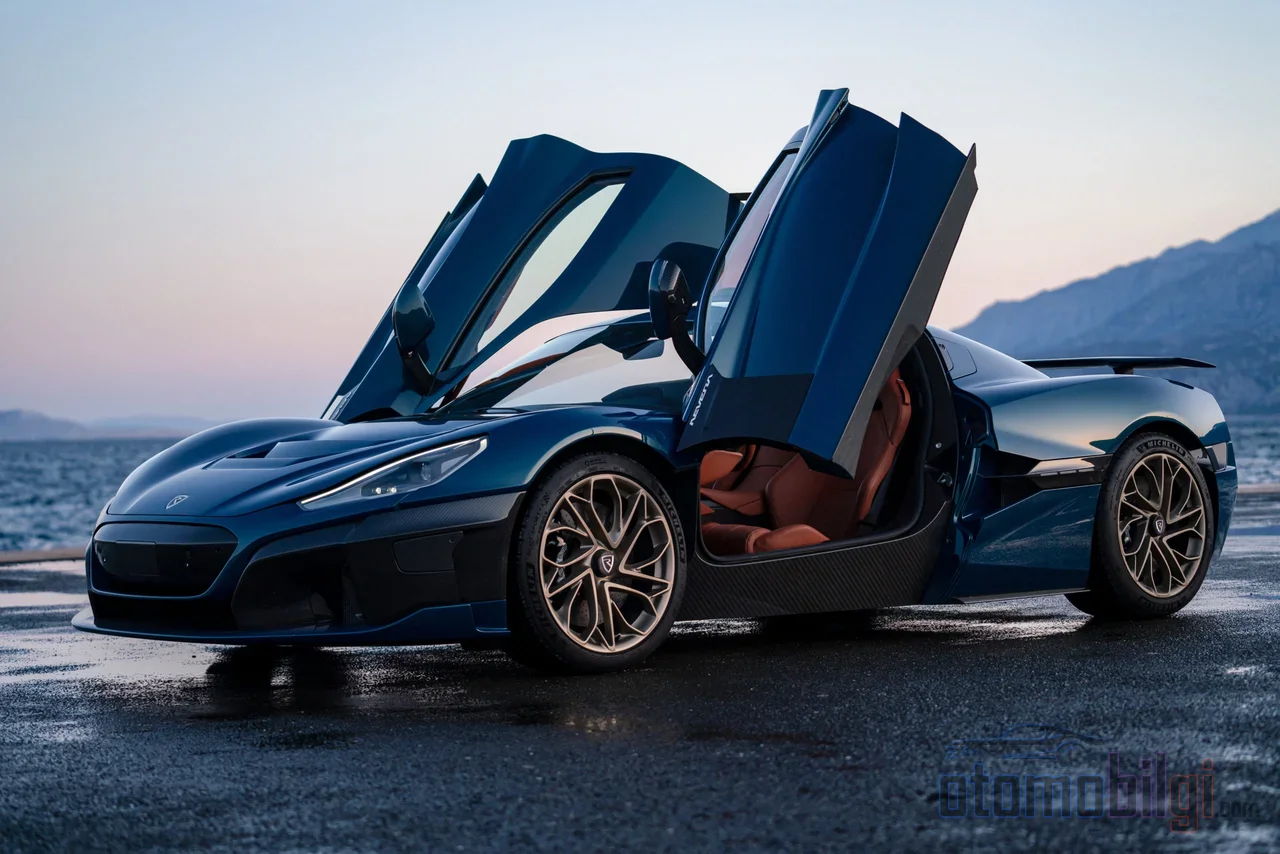
Rimac is ending production of the Nevera at 71 vehicles. Only 37 percent of the planned 190 vehicles materialized; the last 10 Nevera R units will be delivered by the end of the year. The news was confirmed by a statement Mate Rimac made on social media. So how does a company that produces one of the fastest electric cars in the world close out a production run that failed to reach even half of its plan?
The answer to this question matters not only for the Croatian manufacturer's future, but also for the demand problems of the entire luxury electric vehicle segment.
190 Planned, 71 Produced
The initial plan for the Nevera called for a production run of 190 vehicles: 150 standard Neveras and 40 Nevera Rs. Actual production ended up at 51 standard Neveras and 20 Nevera Rs - a total of 71 vehicles. The last 10 Nevera Rs will reach their customers by the end of 2026.
Highlights
- Nevera production ends at 71 vehicles: 51 standard, 20 Nevera R
- The plan was 190 vehicles; fulfillment rate 37 percent
- Standard Nevera: 1,914 hp, 2,340 Nm, 0-100 km/h in 1.81 seconds
- The company's focus is now shifting to the hybrid Bugatti Tourbillon
- First delivery in 2022; US deliveries began in June 2023
The timeline gives an idea. The vehicle first appeared as the C_Two concept at the 2018 Geneva Motor Show; the production version was introduced in 2021 and the first customer car was delivered in August 2022. US deliveries began in June 2023. However, the production pace remained limited to about one vehicle per week. Mate Rimac had announced in May 2024 that more than 50 vehicles had been delivered; this pace was behind the plan. So the picture we see at the end did not emerge overnight.
Technically Ahead of Its Time, but Left Behind in the Market
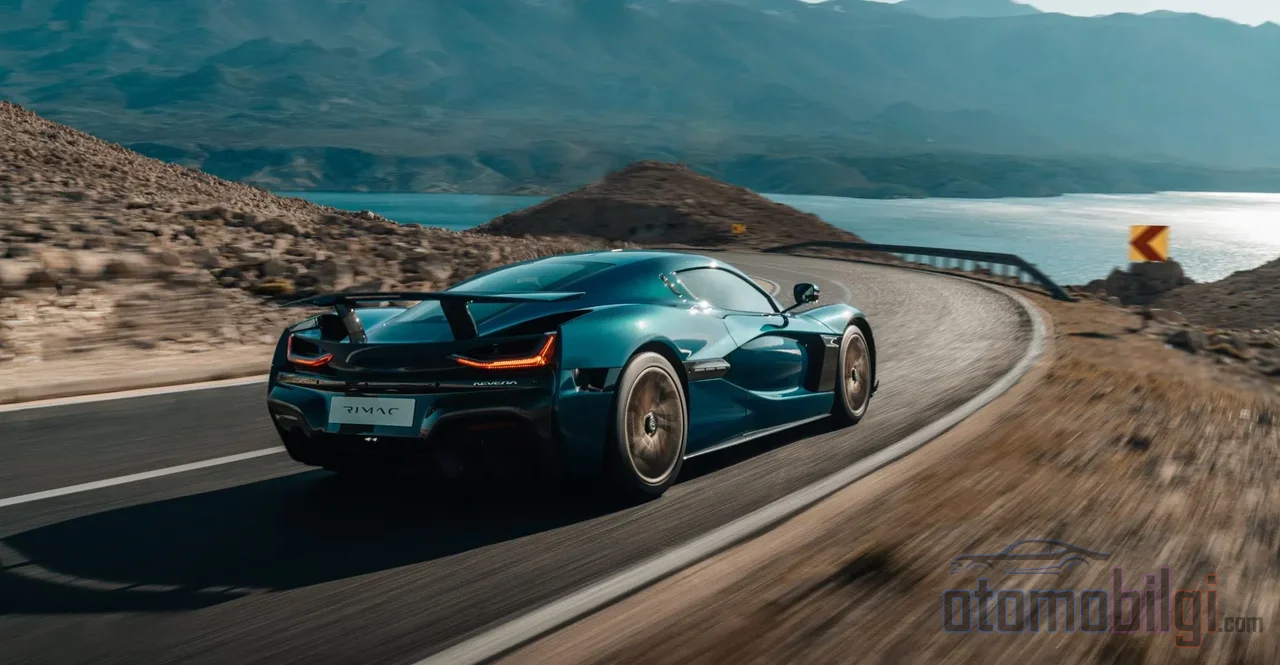
Looking at the numbers, it is not easy to conclude that the Nevera was a failed car. The standard Nevera produces 1,914 hp of power and 2,340 Nm of torque; it completes 0-100 km/h acceleration in 1.81 seconds, reaches 0-300 km/h in 9.22 seconds, and has a top speed of 412 km/h. The 120 kWh battery offers a range of 490 km on the WLTP cycle; with fast charging, the battery reaches 80 percent in under 30 minutes.
| Nevera | Nevera R | |
|---|---|---|
| Power | 1,914 hp | 2,107 hp |
| 0-100 km/h | 1.81 s | 1.72 s |
| Top speed | 412 km/h | around 431 km/h |
| Production count | 51 | 20 |
The Nevera R was introduced in August 2024 and took its performance up another notch. In July 2025, it broke 24 world records in one go at the Papenburg track; by completing the 0-400-0 km/h run in 25.79 seconds, it surpassed the record previously held by Koenigsegg. The Nevera becoming the world's fastest electric car at 412 km/h in 2022, and breaking the production electric vehicle record at the Nurburgring in 2023, are also part of this car's legacy. Even though the top speed record has recently been handed over to the Yangwang U9 Xtreme's 503.17 km/h, the number and variety of records the Nevera has set are still exceptional in this segment.
Why Wasn't Demand Enough?
The problem is not in the car's engineering, but in the market's preferences. As seen in Rimac's previous statements, buyers in this price segment are turning toward internal combustion and hybrid supercars instead of electric hypercars. The Nevera was technically unrivaled during the years it was produced; but speed and records are not the only criterion for a hypercar buyer. In other words, it would have been considered a matter of market timing, not the product.
When Mate Rimac announced the end of production, he offered an assessment that included this picture: The company's founder pointed out that 71 vehicles were still a remarkable achievement, that the Nevera was the world's best-selling electric hypercar, and that without this model, neither the Bugatti Tourbillon nor the current contract manufacturing would exist. Framing a production run that cannot be considered a commercial success as a corporate success is, frankly, an approach rarely seen in news of this kind; but given Rimac's position, it is defensible.
The Nevera's Legacy: Tourbillon, Component Business and Robotaxis
What the Nevera program leaves behind is far bigger than the 71 delivered vehicles. Rimac Group stands on three pillars today: the Bugatti Rimac joint venture established in 2021, the electric vehicle component supplier Rimac Technology, and the Verne autonomous robotaxi service introduced in 2024, which began operations this year. Rimac Technology supplies components to major manufacturers, including the battery systems it developed for the BMW i7 M70 xDrive, which deliver a 20 percent increase in energy density.
The company's focus on the automotive side is now the Bugatti Tourbillon. The 8.3-liter naturally aspirated V16 hybrid hypercar, producing 1,800 hp with the help of three electric motors, stands as Rimac's new flagship. Having transferred the Nevera's research and development and production infrastructure to this model, the company is not planning a new model in the electric hypercar segment. Signals in this direction had been given since mid-2024; it now appears to be confirmed.
The Meaning of This End: Is 71 Vehicles a Failure?
The short answer: on paper yes, in corporate terms no. A production run closing at 37 percent of the plan, viewed purely from a sales perspective, shows how narrow the electric hypercar market is. Finding 71 customers for a vehicle sold at a price above seven figures in this segment is no trivial feat; but falling short of even half the target reveals that there was a miscalculation about the size of the market.
For Rimac, however, the math worked out differently. The Nevera proved the company's engineering capability and paved the way for the Bugatti partnership and its own factory. The vehicle that wrote the first and most ambitious chapter of the electric hypercar era is exiting the stage before reaching the planned number; leaving behind records and a successor like the Tourbillon - not a hybrid future similar to the Tourbillon, but a successor like the Tourbillon. For the luxury electric vehicle segment, the lesson is the same: even if the technology is ready, the heart of the buyer in this price class is not yet fully electric.
Sources
- Rimac's Electric Hypercar Is Dead Earlier Than Expected
- Rimac Nevera Production Ending Late 2026, Only 71 Electric Hypercars Sold
- Rimac Nevera to be discontinued by end of 2026; Only 71 cars built
- Rimac Nevera - Wikipedia
- Nevera - Rimac Automobili official technical page
- Rimac Nevera R Becomes New 0-400-0 Champion and Sets 24 Performance Records
- Rimac's Next Car Won't Be Another Electric Hypercar
- Rimac Nevera production ends at 71 cars, less than half the plan