Ferrari Catches a Profit Record with 3,368 Deliveries
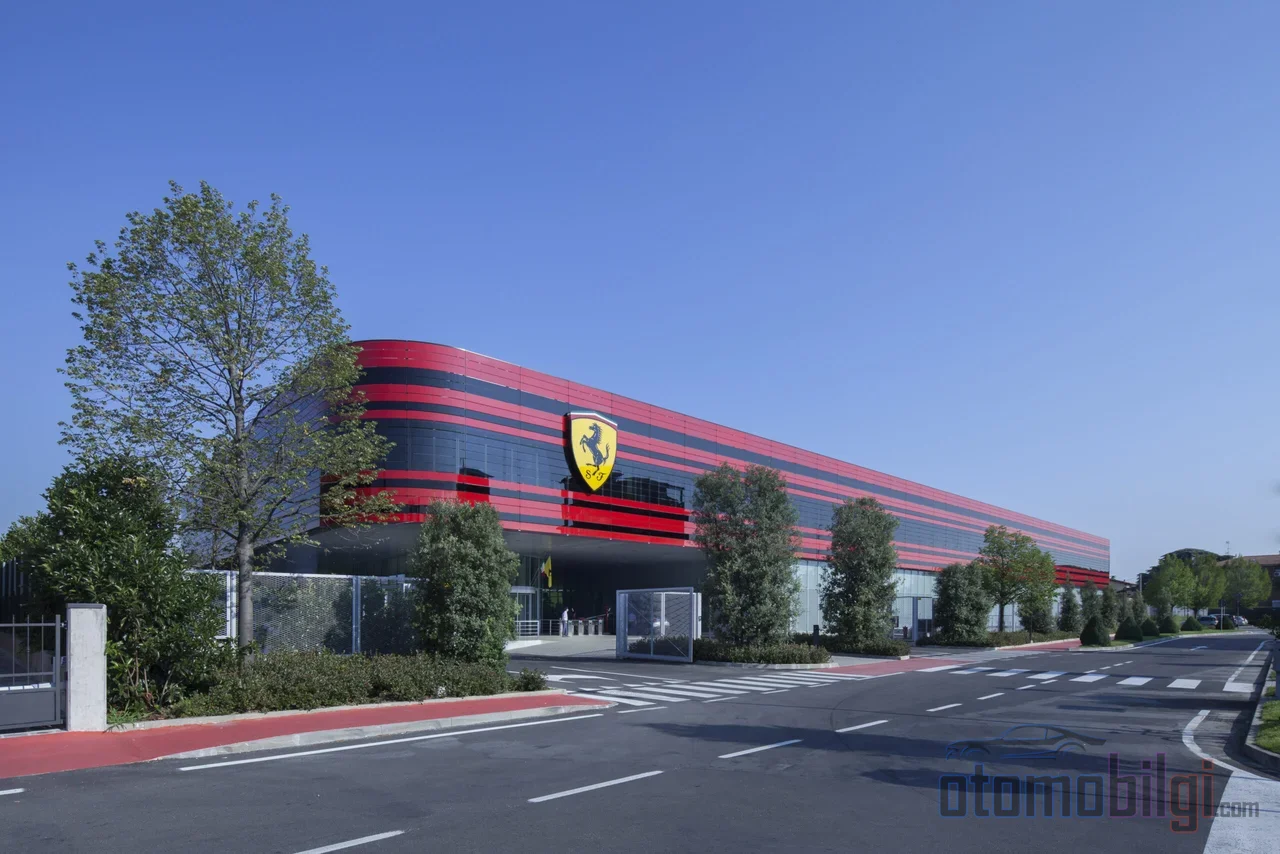
Ferrari raised its 2026 guidance for the second time this year as it announced third-quarter results from Maranello on November 3, 2026. What stands out is the detail behind the picture: the company delivered fewer vehicles than in the same period of the previous year, yet made more money. The classic equation between volume and profit established in the automotive world has been working differently at Maranello for some time now, and the third quarter became, for now, the clearest proof of this trend.
Fewer vehicles, higher margin: there are two driving forces behind this picture - an enriching product mix and customer personalizations. So how did profit grow while deliveries fell, what do the new forecasts say, and where is the limit of this growth? The answer lies in the details of Ferrari's 2026 guidance upgrade.
Third-Quarter Figures: A Picture That Exceeded Expectations
Ferrari's third-quarter net revenue, covering the July-August-September period, was 1.896 billion euros; this means a year-on-year increase of 7 percent, or 10 percent at constant currency, compared to the previous year's level of 1.766 billion euros. Operating profit (EBIT) rose 12 percent to 563 million euros, and the EBIT margin climbed from 28.4 percent to 29.7 percent. The same growth is visible across the entire profit table: EBITDA rose 12 percent to 753 million euros, with the EBITDA margin at 39.7 percent.
Net profit was announced at approximately 430 million euros; last year this figure was 381 million euros. Diluted earnings per share of 2.44 euros represent a 14 percent increase over the previous year's level of 2.14 euros and came in above the market's expectation of 2.32 euros. Industrial free cash flow, meanwhile, surged 43 percent to 567 million euros.
Highlights
- Ferrari raised its 2026 guidance for the second time within the year
- Q3 net revenue of 1.896 billion euros, up 7 percent year-on-year
- EBIT margin rose to 29.7 percent (previous year: 28.4 percent)
- Deliveries fell to 3,368 units, yet profit still grew
- Personalizations exceeded 21 percent of automotive revenue
Fewer Vehicles, More Profit: The Math of the Mix
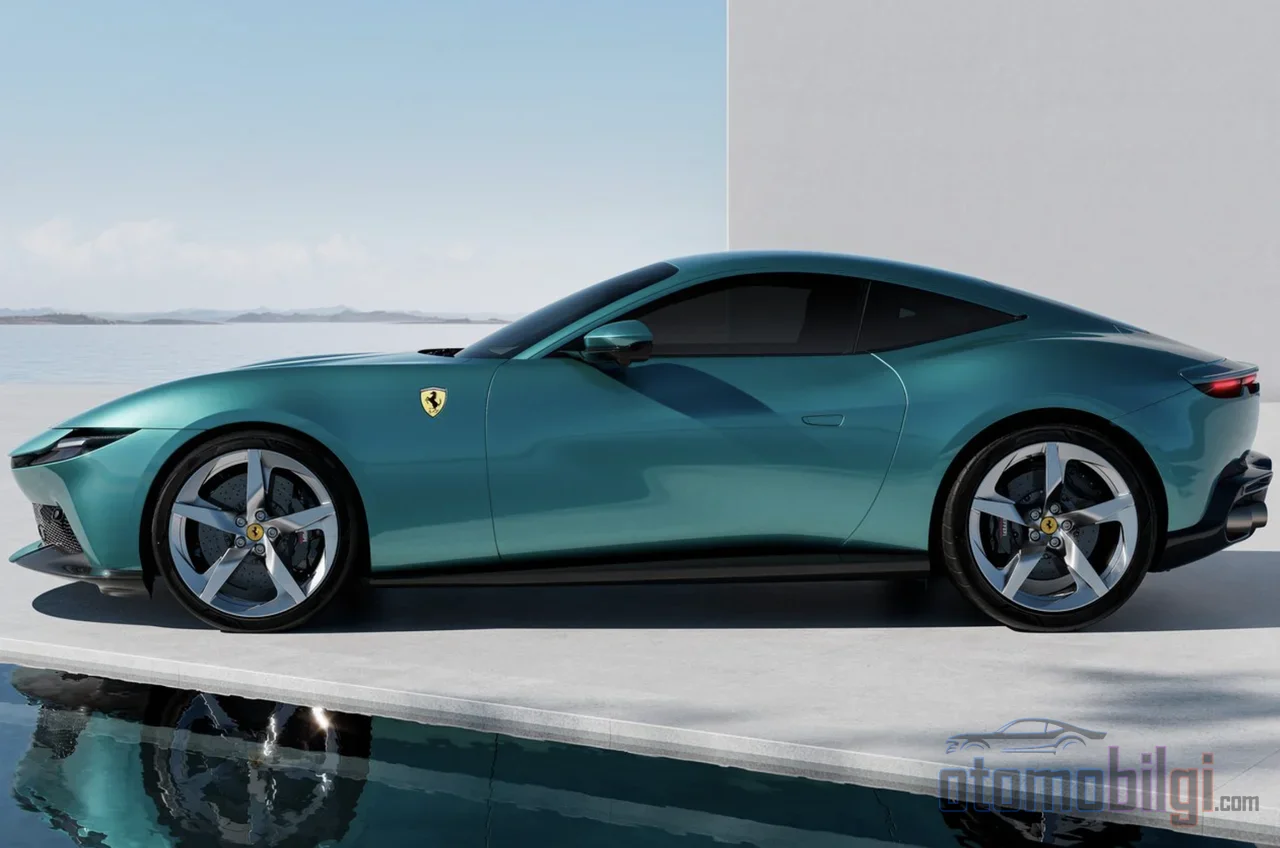
The most eagerly awaited question of the quarter lies in the delivery table. Ferrari shipped 3,368 units during this period; last year in the same period, the figure was 3,401. For the nine-month total, 318 fewer vehicles have been shipped since the beginning of the year. The company attributes this decline to a planned model changeover; in other words, a natural transition period for the production line.
Even so, revenue from cars and spare parts rose 7 percent to 1.586 billion euros. The explanation is simple but important: revenue per vehicle increased. There are two sources of this. The first is the positive product mix fueled by the ramp-up of the limited-production F80; the second is the growth in the extra amounts customers pay to personalize their vehicles. While rising depreciation and marketing expenses took away part of this gain, they could not change the direction of the picture.
One more note from China: Shipments to mainland China, Hong Kong and Taiwan declined from 248 to 143. Ferrari's profitability rests on the reality of other markets strong enough to offset this decline.
Personalization: Maranello's Most Profitable Stronghold
One of the most prominent building blocks behind Ferrari's recent financial success is personalization revenue. In the third quarter, personalizations exceeded 21 percent of automotive and spare parts revenue; management's target set at the beginning of the year was around 20 percent. Demand for options such as carbon fiber is reported to be particularly strong in the 296 Speciale family. The company also expects personalization to remain above 20 percent in its fourth-quarter assumptions.
This means the maturation of a business model in the automotive industry that plays on value rather than volume. In the past, the number of vehicles sold largely determined profit for luxury manufacturers; now the picture at Maranello shows that every special detail a customer adds to their vehicle is reflected directly on the balance sheet. Management reports that this margin growth from personalization is supported by demand visibility through 2028.
2026 Guidance Raised for the Second Time This Year
Three months ago, in the second quarter, Ferrari had raised its 2026 revenue expectation to approximately 7.60 billion euros. Now, following the strong third quarter, the same guidance has been moved one step higher. The new outlook is as follows:
| Indicator | Previous Guidance | New Guidance |
|---|---|---|
| Net revenue | ~7.6 billion euros | ~7.65 billion euros |
| Adjusted EBITDA | >= 2.97 billion euros | >= 3.0 billion euros |
| Adjusted operating profit | >= 2.26 billion euros | >= 2.285 billion euros |
| Adjusted diluted EPS | >= 9.68 euros | >= 9.85 euros |
| Industrial free cash flow | >= 1.55 billion euros | >= 1.65 billion euros |
These figures should be read carefully from several angles. In fiscal year 2025, Ferrari generated 7.15 billion euros in revenue and 8.96 euros in adjusted EPS; the new targets point to a significant step beyond that. On the other hand, the new EPS target of 9.85 euros falls slightly below the market's consensus of around 9.86 euros; in other words, the upgrade can be seen not as a move that exceeds expectations one-to-one, but as an adjustment aligned with them. The company also states that the guidance is based on the current visibility regarding the effects of the Middle East crisis; this means that an external risk item is explicitly kept in the picture. Among the reasons for the upgrade are stronger-than-expected customer personalizations, currency-related pressures lighter than forecast, and the runner-up position achieved in the Formula 1 championship.
Luce Context: The Electric Ferrari and the Strength of Demand
A short but significant context surrounding the financial picture comes from the brand's first fully electric road model, the Luce. Introduced on May 25, 2026, and following plug-in hybrids such as the SF90, the Luce was extensively discussed online for its design; it arrived with an aesthetic approach that critics did not like. Nevertheless, the 2027 production of the vehicle has been completed, and Ferrari expects demand to increase even further. The vehicle was put on sale in Europe at a starting price of approximately 550,000 euros.
The irony here is that it shows a pattern the automotive world has witnessed repeatedly in recent years also working for Ferrari: a divisive, controversy-generating design can turn into commercial success. The Luce filled its first year of production even at a stage where customers have not yet been able to take test drives. This is a concrete indicator that the brand's luxury positioning has maintained its price resilience in the transition to electric as well, and it also explains the demand strength behind the revenue figures announced in the third quarter.
Market and Order Book: How Sustainable Is the Growth?
The stock traded at a premium of about 2 percent in US pre-market trading following the results; Milan and New York sessions also saw a positive but measured reaction. Operating cash flow, growing 25 percent annually, is also funding the ongoing share buyback program.
Looking ahead, two concrete indicators stand out. According to CEO Benedetto Vigna, the order book extends into 2028, and two more model launches are planned before the end of the year. This supports the view that the decline in deliveries in the third quarter is a temporary model transition and does not mean a contraction on the demand side.
In summary: Ferrari raised its 2026 forecasts for the second time this year following a strong third quarter, and it managed to do so while deliveries declined. The rich product mix supported by the F80, personalization revenues exceeding 21 percent of automotive revenues, and the luxury positioning established with the Luce, whose 2027 production is sold out, form the three main pillars of the picture. The boundary line must also be drawn with the same honesty: Uncertainty regarding the Middle East crisis and the contraction in shipments to China remain two concrete risk items standing in the way of this growth.
Sources
- Ferrari Q3 2026 Results Press Release
- Ferrari raises 2026 guidance after Q3 earnings beat - CNBC
- Ferrari raises 2026 guidance as Q3 earnings top expectations - Quartz
- Ferrari says Luce EV sold out for 2027 - Reuters
- Ferrari raises 2026 outlook after higher third-quarter profit - Yahoo Finance
- Ferrari gains after 2026 guidance upgrade - Investing.com