Steel Wheels or Alloy Wheels?
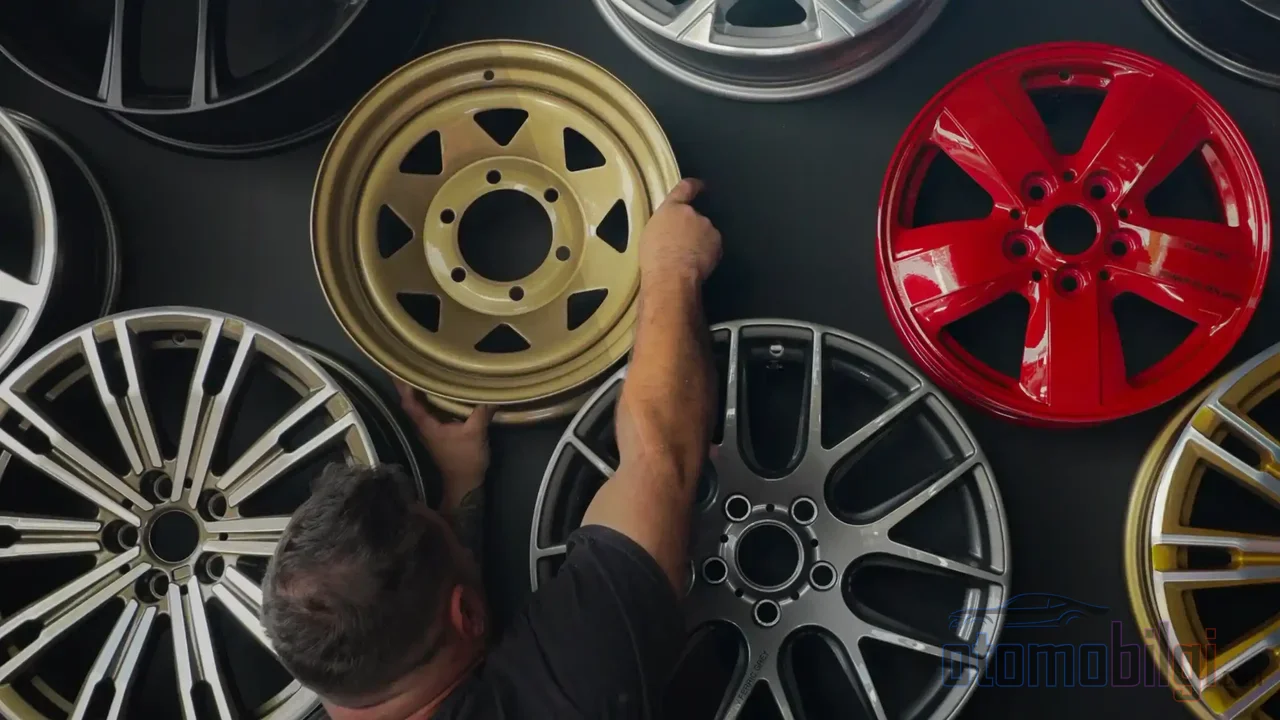
That sound from your wheel when you hit a pothole is the material's identity: a hammer blow from the chest in steel, usually a sharp crack in alloy. For more than thirty years I have kept a ledger of the difference between these two sounds, and so far no job has come along that made me give up either one. The problem is that in wheel selection most people favor one of them, usually for the wrong reasons; whereas the right question is not which one is better, but which one makes more sense in which use profile.
First, the Material: The Real Difference Between Steel and Alloy Wheels
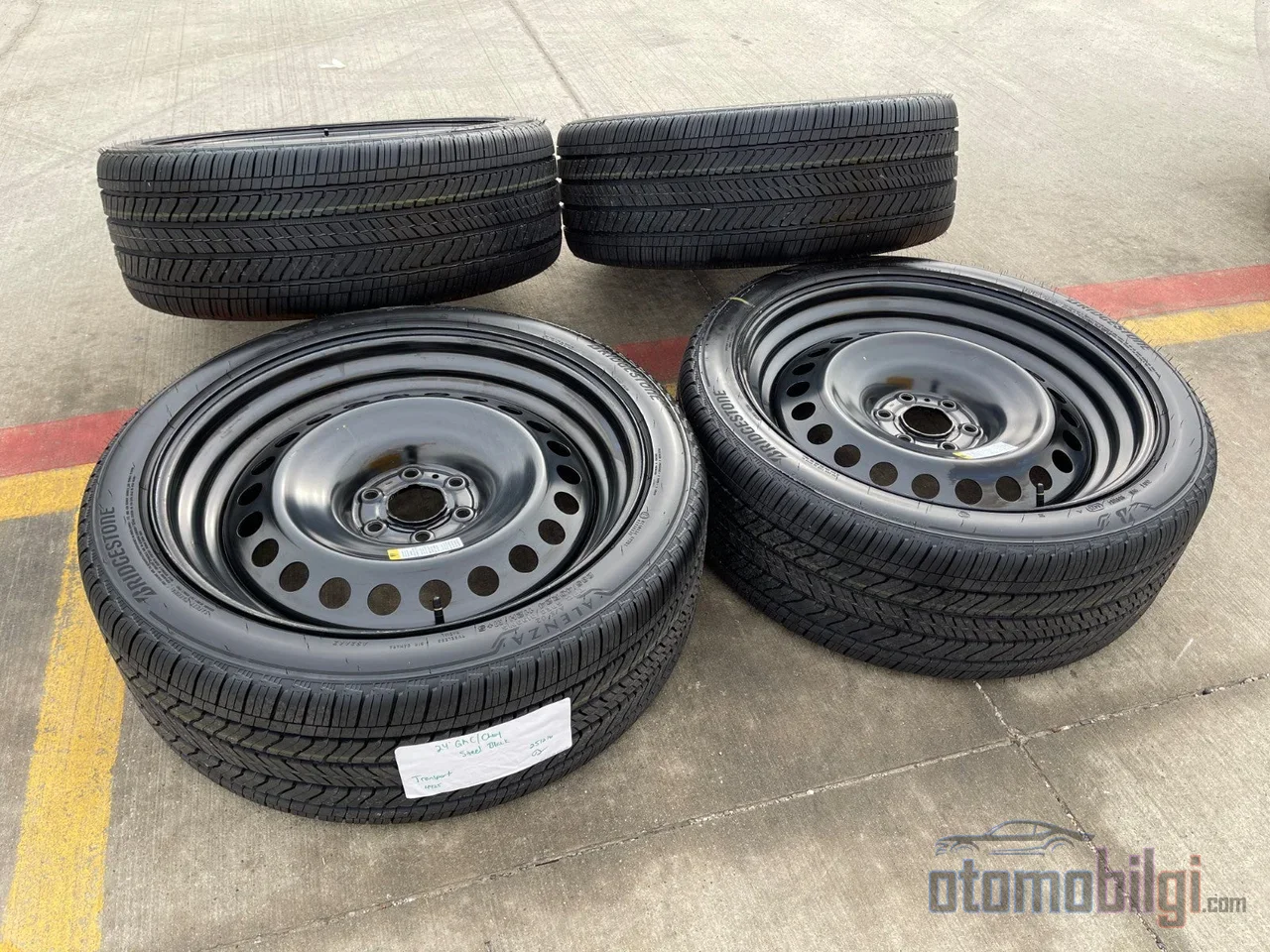
Let's start with the names, because even here there is a misconception. Steel itself is technically an alloy: iron containing between 0.2% and 2.1% carbon, depending on the ratio. What is meant by "alloy wheel" in the market, however, is an aluminum-based wheel; it is produced by adding metals such as magnesium, nickel or silicon to aluminum. Steel wheels come out of pressed steel sheets, with a relatively simple and quick production process. Alloy wheels, on the other hand, are made by casting or forging; forged ones are stronger and lighter, but their price also follows suit.
The difference in density is the heart of the matter: aluminum is roughly 2.7 g/cm³, while steel is 7.85 g/cm³. So in the same volume, steel is almost three times heavier than aluminum. This single number is the origin of the entire discussion of performance, comfort and repair that I will cover below.
| Property | Steel wheel | Alloy wheel |
|---|---|---|
| Density | 7.85 g/cm³ | 2.7 g/cm³ |
| Thermal conductivity | 50-60 W/m·K | 150-170 W/m·K |
| Weight | Heavier | 30-40% lighter |
| Hard impact behavior | Bends, rarely cracks | Cracks, usually unrepairable |
| Corrosion | Prone to rusting | Resistant |
| Price (per wheel) | Around $50-150 | $150-1,000 and above |
Highlights
- Alloy wheels are 30-40% lighter than steel, but they crack under hard impact; steel bends and can be hammered back into shape.
- A steel wheel is roughly 70-80% cheaper than alloy; the difference ranges from $200-600 to $600-4,000 per set.
- In winter tire combinations, the choice usually leans toward steel wheels due to durability and cost.
- Alloy, thanks to its thermal conductivity, dissipates brake heat better; it is also resistant to corrosion.
Weight and Performance: Lightness Sells, But By How Much?
The main selling argument of the alloy wheel is lightness, and it has a legitimate basis. When unsprung mass - that is, the mass of the wheel and tire that rotates along with the suspension's movement - decreases, grip, braking response and acceleration improve theoretically. The figures from the manufacturer and accessory side are bold: you hear rates like 2-3% fuel economy, 15% in braking response, 20% in grip precision.
Let me tell you with thirty years of experience: take these figures with a grain of salt. Different measurements give different results; in real-world data based on users, the measurable fuel difference with lightweight alloy wheels turns out to be much smaller than promised in theory. You have probably even witnessed a drop in efficiency depending on the wheel and tire combination; a wide-footprint alloy wheel fitted with an old tire can burn more fuel than a narrow tire on a smooth steel wheel. The measurable benefit of lightness is real, but it is not a miracle; you will notice a difference in brake and steering feel, but mostly not at the fuel pump.
Impact Resistance and Repair: The Critical Distinction Starts Here
This is where the character of the two materials diverges, giving rise to a recognition. Steel is ductile: when it hits a deep pothole, the wheel rim bends but flexes rather than cracking. A bent steel wheel can be restored to its original shape with a hammer and simple workmanship; even when repair is impossible, the cost of a new steel wheel is relatively low. Alloy, on the other hand, is hard; hardness feeds steering response, but under a hard impact the metal cracks instead of flexing, and a cracked cast wheel is usually not repairable and must be replaced.
Although this may look like a repair expense, it is actually a matter of risk management. On pothole-ridden city streets, in construction zones, or in tight parking spots where tire sidewalls rub against the curb, the flexibility of steel can save you from a major expense. With alloy, the same impact means ordering a new wheel.
So Is a Steel Wheel Stronger Than Alloy?
The short answer is no, but the nuance of the answer matters. Strength per kilogram belongs to the alloy wheel: alloy meets the same strength and load standards with less weight. That said, alloy material is not flexible; steel's durability comes from its flexibility, not its hardness. In other words, whatever the measure of strength may be, repairability is an entirely different matter. People used to assume that steel was "tough as steel"; now, since manufacturers set load standards independently of weight, this is not a settled page.
There is also the question of lifespan: lifespan estimates of 8-10 years for alloy wheels and over 10 years for steel wheels are common. But steel's main chronic problem is rusting; especially in winter months, if you notice coating damage on salted roads, corrosion accelerates. Alloy is resistant to corrosion, which gives it the edge in long-term appearance.
Price and Ownership Cost
On the price side, the difference is clear. While a budget of around $50-150 per wheel is enough for steel, alloy wheels range from $150 to over $1,000; per set, this opens up from $200-600 to $600-4,000. Even at the entry-level price, alloy is several times more expensive, and it also demands more in annual maintenance: while the annual maintenance cost for alloy wheels is in the $50-100 band, a $20-50 band is accepted for steel.
In return, alloy contributes to the vehicle's appearance on the second-hand market and pulls the resale value relatively upward. Steel wheels, on the other hand, remain plain in appearance; to some, this plain look seems cheap, but it is insignificant if you are considering a winter setup. Let me note one thing on the side: machined (straightened on a machine) steel wheels are more resistant to rust and can easily be repainted to extend their life.
Heat and Brake Performance
Aluminum's thermal conductivity is close to three times that of steel, and this turns into function, not decoration, in a wheel: The alloy wheel spinning around the brake discs dissipates brake heat faster, supporting braking efficiency. There are even engineering studies based on finite element analysis showing that aluminum alloy wheels are superior to carbon steel in heat dissipation and fatigue life. On long steep descents, or when you head into a mountain road with a fully loaded vehicle, it is impossible not to feel this difference; the alloy's advantage here pays back part of the price you pay for the risk of damage.
Winter Use: Why Is the Winter Tire Mounted on a Steel Wheel?
This is a question asked all over the world, and there are four practical reasons behind the answer. First is durability: in winter, salted and gritted roads damage the alloy wheel's coating and demand constant maintenance; a steel wheel requires less fussiness in the same conditions. Second is cost: a potholed, icy, gritted winter road can bend the steel or crack the alloy; replacing cheap steel is far, far easier than replacing an alloy. Third, since the steel wheel is usually fully covered (full-face), it better protects the brake hardware from ice, snow and salt. Fourth, the steel wheel's body keeps the air relatively airtight; the porous casting structure of an alloy can occasionally cause slow air leaks.
There is also the weight debate. Some sources argue that steel's extra weight helps the tire grip the snow; on the other hand, there are those who say that a wide, lightweight wheel is more prone to slipping on snow. On this matter, there is no settled expert consensus on the materials side; my view is that you win the winter with the tire, not the weight. Steel's winter preference is not about weight, but about cheapness and durability. Indeed, in spring, when the roads are still broken up after the snow, steel's tough durability emerges as the most useful quality.
Steel or Alloy: Which Material Makes Sense for Whom?
Let me give you the clear answer to the main question here. In the city, with smooth roads, if your priority is looks, brake feel and a few decimal points of performance, the alloy wheel is right; its lightness is measurable, its corrosion resistance is reassuring, and it holds its value on the second-hand market. But if your vehicle is exposed to bad roads, potholes and winter, or if you are considering a separate wheel set for winter tires, the steel wheel wins in practice: it is cheap, it can be repaired if bent, it doesn't care about salted roads, and it protects the brakes.
In fact, the most common right answer is simpler than you might expect: many drivers find the most sensible solution in carrying both sets of wheels - alloy for the normal season, steel for winter and harsh conditions. Such an arrangement lets you take advantage of both materials; I have been recommending the same formula for thirty years and have yet to meet anyone who regrets it.
Sources
- Alloy vs. Steel Wheels: Performance, Durability, and Design
- Difference Between Alloy Wheels vs Steel Wheels - Spinny
- Alloy Wheels vs Steel Wheels: The Ultimate Guide to Choosing ...
- Should I Use Alloy Or Steel Wheels In A Winter Tire Package?
- Steel vs Alloy Winter Wheels: Which Should You Pick? - SVS Tires
- Alloy Wheels vs. Steel Wheels: Which Is Easier to Repair?
- Wheels: Which Type is Best for Your Vehicle?
- Differences and Recommendation between Steel and Alloy Wheels for Winter
- Aluminum Vs Steel Wheels: Differences and Fuel Efficiency
- Are Steel Rims Worth It?