TEB Arval Consolidates 15 Thousand Charging Stations on a Single Card

The biggest challenge for someone managing an electric fleet is often not range or charging time; it is a detail that seems trivial: each operator has its own app, its own membership, its own invoice. The TEB Arval Energy Card, launched by TEB Arval on November 5, 2026, targets exactly this fragmented structure: More than 15,000 charging points across the Trugo, ZES, WAT Mobilite and Voltrun networks in 81 provinces are unified under one card, one invoice and one report. The answer to why a fleet leasing company would launch a credit card-like product reveals the most practical face of Turkiye's corporate electric vehicle transition.
15,000 Charging Points with a Single Card: What Does the Energy Card Offer?
The TEB Arval Energy Card is an access and payment tool that brings the charging operations of electric vehicles in corporate fleets under one roof. The driver does not have to download a separate mobile app for different operators or create multiple memberships; they simply tap the card to start charging and do not make an individual payment during the transaction. Throughout the month, all charging expenses of the fleet are collected on a single invoice and delivered to the fleet manager.
Although the card's initial coverage is limited to only four networks, the scale should not be underestimated: the combination of four operators corresponds to more than 15,000 charging points serving in every province of Turkiye. The company plans to expand the number of contracted operators and network coverage over time. Corporate users can also benefit from discounted pricing exclusive to TEB Arval at contracted operators; the points where the card is valid can be accessed through the company's website.
Highlights
- The Energy Card provides access to more than 15,000 charging points across 81 provinces on 4 operator networks
- The driver does not make a payment during charging; all transactions are collected in a single invoice at the end of the month
- The service is open not only to TEB Arval customers but also to companies with their own fleets
- According to EPDK data, the number of electric vehicles in Turkiye is 491,492 as of the end of September 2026
- The number of commercial charging sockets rose from 35,002 to 48,971 in one year
Why Is Reporting the Real Gain for the Fleet Manager?
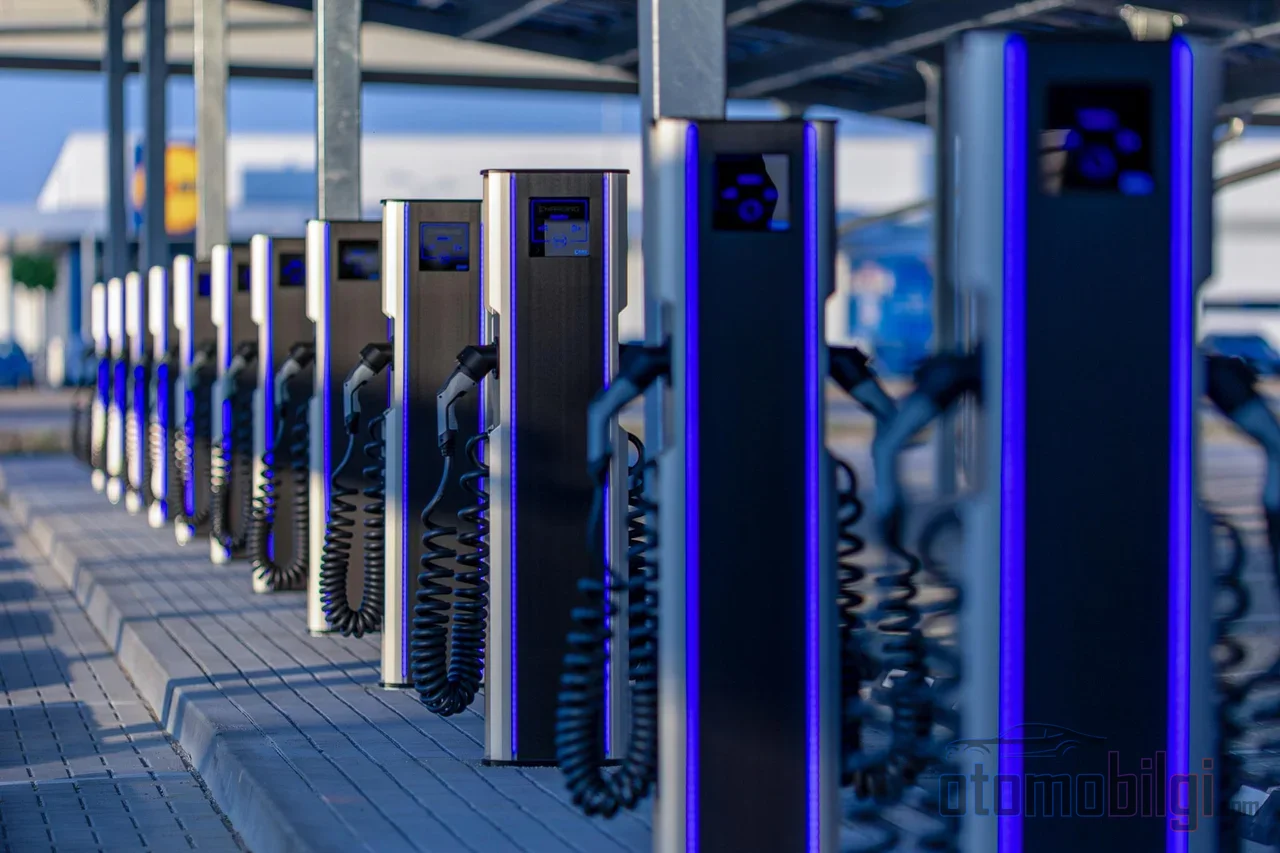
Combining four networks on a single card may seem at first glance like mere convenience of use. However, on the corporate side, the real value lies in payment, invoicing and expense processes turning into a single data set. Thanks to consolidated reporting, fleet managers can monitor the charging location, duration, device type, energy consumed in kilowatt-hours and cost for each vehicle from a single report.
This detail is not a minor issue from the standpoint of accounting and expense management. The audit and allocation problem, which was solved during the fuel era with card-based fuel systems, was re-emerging in electric vehicles with each operator's separate ecosystem. The Energy Card closes this gap at perhaps the most underestimated point of the transition period: the ability to track energy spending on a per-vehicle basis, from the source and in a verifiable way.
Who Can Use the Card?
The service is not limited to companies leasing vehicles from TEB Arval. Institutions with their own fleets and companies sourcing vehicles from other leasing providers can also benefit from the card. This is a significant choice that takes the product out of the classic customer loyalty tool category and turns it into an independent fleet service; because the problem it seeks to solve appears in every electric fleet regardless of the leasing model.
Why Does Turkiye's Charging Network Have a Fragmented Structure?
To understand the source of the problem, we need to look at Turkiye's charging ecosystem. According to EPDK data, as of the end of September 2026 there are 491,492 electric vehicles in the country; this number was 479,934 in August. The number of commercial charging sockets rose from 35,002 to 48,971 in one year. The number of high-speed charging stations reached 16,650 as of February. The network is growing rapidly; however, since this growth has occurred through the parallel installations of multiple operators, each network's own app, membership and payment flow emerged on the user side.
Steps toward eliminating this fragmented structure are of course not appearing with a card for the first time. The roaming cooperation between Trugo and Esarj had given users of the two networks access to nearly 4,000 DC sockets in total without commission; Trugo alone reports over 2,200 stations across 81 provinces. While such agreements on the individual user side facilitate transitions between networks, the reporting and billing layer in corporate fleets still remained a separate problem. Enerji Kart should be read as a solution targeting this second layer.
An interesting detail: Esarj is not included in the first phase of the four-way partnership. The sources offer no explanation for the reason; however, given that operator additions are planned over time, this is likely a temporary roster matter.
The Operational Requirements of Corporate Electrification
Fleet electrification does not end with receiving the vehicle. For companies, an electric vehicle is; an integrated process involving charging point installation, energy contracts, expense tracking and driver training. According to Arval Mobility Observatory data, one in every two companies in Turkiye is turning to electric vehicle technologies to reduce fuel costs. In the first quarter of 2026, approximately 18 out of every 100 cars sold were electric, while this figure was 13 a year earlier. Corporate demand is the most consistent component of this momentum on the sales side.
TEB Arval had taken steps in this direction before. The company offers turnkey AC/DC charging point installation for homes and workplaces along with its solution called the Electric Easy Package. A larger-scale support came from international financing: The EBRD provided TEB Arval with a sustainable mobility loan of 50 million euros to finance its electric vehicle fleets. Enerji Kart is the final link in this chain; in other words, it completes the payment and data side of the line extending from financing to infrastructure.
What Does the Scale of the Sector Show?
According to TOKKDER's 2026 third quarter data, the fleet size of the car rental sector is approximately 411,800 vehicles; of which nearly 238,000 are in the operational leasing segment. In a market of this scale, tying charging transactions to invoicing and reporting discipline means more than a single company's convenience - it means the sector changing its habits. CEO Fatih Deynek emphasizes that with the spread of electric vehicles, a holistic ecosystem is needed covering everything from charging to payment, from reporting to user experience, and that the new service will contribute to the sustainable mobility transformation; the essence of the statement is precisely this claim of completeness.
How Does This Model Affect Individual Users?
Although corporate solutions may not seem to concern individual users at first glance, their impact is indirect and real. Fleet leasing companies provide operators with voluminous and predictable demand; this demand facilitates the return on station investments and accelerates network expansion. A wider network also means accessibility for the individual user who is not drowning among app memberships.
The nature of competition is also changing. The criterion for standing out in electric mobility is no longer just the number of stations; interoperability, the payment experience, and the data management layer are becoming decisive. If the Trugo-Esarj roaming cooperation is a step taken on the individual side, the Energy Card is the productized form of similar logic on the corporate side. In the coming period, in a market where switching between operators becomes easier and billing is simplified, competition shifting toward price and service quality seems inevitable.
Conclusion: The Problem with Charging Is No Longer the Number of Points
In summary, TEB Arval Energy Card combines four major charging networks on a single card, reducing the payment, invoicing, and reporting burden of fleets to a single data set. At a point where the number of electric vehicles in Turkiye is approaching half a million and commercial charging sockets have increased by nearly 40 percent in a year, the problems of the infrastructure are evolving from station scarcity to networks working together. In the past, finding a gas station was enough; now the question of who charges the energy, with which card, and into which report has taken precedence. The answers given to this question will shape the charging market of the coming years; the Energy Card is one of the most concrete steps in the corporate leg of this race.
Sources
- TEB Arval Charging Cards
- TEB Arval Charging Services
- TEB Arval offers access to more than 15,000 charging stations with a single card
- TEB Arval combined more than 15,000 charging points on a single card
- TEB Arval EV Fleet - EBRD Project Page
- TOKKDER Rental Sector Report 2026 Q3
- Number of Electric Vehicles in Türkiye (September 2026)
- The number of high-speed charging stations in Türkiye has reached 16,650
- Esarj and Trugo roaming cooperation in service in all 81 provinces
- 2026 Fleet and Mobility Barometer - TEB Arval