Türkiye's 2040 Target: 20 Million Electric Vehicles
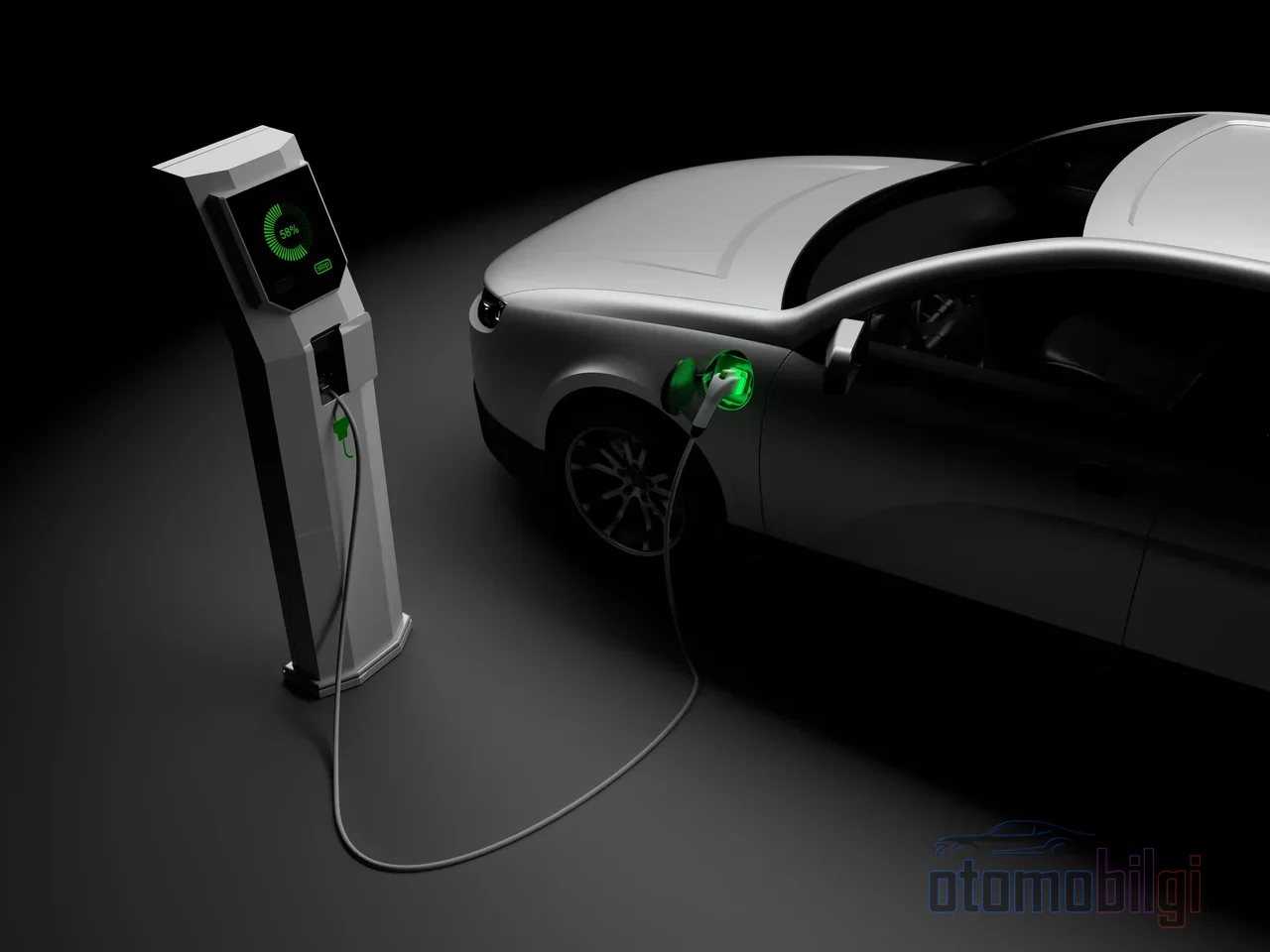
The National Energy 2040 vision, introduced yesterday, November 5, at the Presidential Dolmabahce Working Office, draws the automotive picture of the next fifteen years for Turkiye with a single number: 20 million electric vehicles. At first glance the figure does not merely seem ambitious; when placed side by side with today's picture, the distance between them turns into a chasm that must be closed in fourteen years. Because according to EPDK's September 2026 data, the number of electric vehicles in Turkiye is only slightly above 491 thousand, and the number of charging sockets is around 49 thousand.
So what does this target actually mean? Read together with the 175-gigawatt renewable installed capacity plan on the energy side, the SCT and motor vehicle tax regulations, and the sales trends of recent months, a clear picture emerges. Let's examine that picture section by section.
What place do electric vehicles hold in the National Energy 2040 plan?
The package announced by Energy and Natural Resources Minister Alparslan Bayraktar foresees a total of 500 billion dollars in investment and 108 thousand direct jobs. The backbone of the plan is reducing foreign dependency in energy below 50 percent by 2030; raising the electrification rate to 36 percent by 2040, the domestic production rate to 92 percent, and the share of renewables in installed capacity to 77 percent.
As for the automotive side... The plan expects Turkiye's total vehicle stock to reach 41 million by 2040, with roughly half of them being electric. The electrification rate in transportation is targeted to rise from below 1 percent to 24 percent; the intermediate target to be announced for 2035 is 35 percent electrification. A fund of 28 billion dollars has been allocated within the plan for electric vehicle investments.
Highlights
- The 20 million electric vehicles target corresponds to roughly half of the 41 million vehicle stock projected for 2040
- Solar 112 GW, wind 63 GW; a total of 175 GW of renewables installed capacity is planned
- Of the 1.5 million charging sockets target, approximately 1 million will be on the home and workplace side
- As of September 2026, the number of electric vehicles is 491,492 and charging points 48,971
- 28 billion dollars is allocated as funding for electric vehicle investments
Today's fleet and charging infrastructure: The size of the chasm
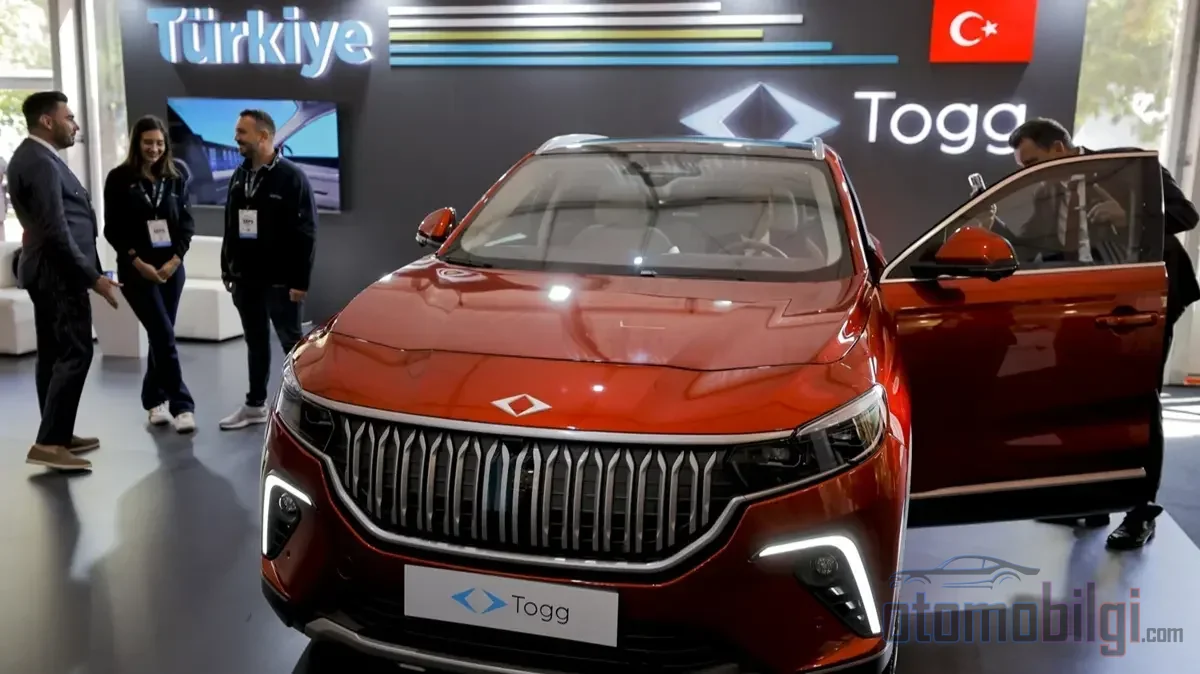
To properly assess the target, we need to look at the current situation. There are approximately 18 million cars in Turkiye, and as of September 2026 only 2.7 percent of them are electric. EPDK data says 491,492 electric vehicles and 48,971 charging points; 27,664 of these are AC sockets. The general ratio means roughly 10 charging sockets per 100 electric vehicles, and Istanbul leads by a wide margin in station count.
There is also a framework for the pace of development: The number of charging points, which stood at 12,084 at the start of 2024, reached 26,462 at the start of 2025 and 46,665 by the end of July 2026. So the infrastructure roughly quadrupled in three years. However, the math is ruthless: Going from 49 thousand to 1.5 million sockets requires even today's growth rate to continue exponentially.
Why does the distribution of the 1.5 million sockets matter?
The plan allocates not roughly 1 million of the 1.5 million sockets but 1 million to homes and workplaces and 500 thousand to commercial charging facilities. This split is no coincidence. Having two-thirds of the sockets at home or at work reduces the load on commercial stations and the peak-hour pressure on the grid. But in our country, where apartment living is widespread, home charging is intertwined with issues of parking and subscriptions; the most critical practical question of the 2040 picture lies hidden here.
How will the 175 GW renewable target carry charging?
The plan's energy side is weighted toward solar and wind. Installed solar capacity will rise from 26 GW to 112 GW and wind from 15 GW to 63 GW; an investment of approximately 100 billion dollars is projected for this 175 GW of renewable capacity. Total installed capacity is targeted at 281 GW. Supporting elements are not lacking either: 140 GWh of battery storage, 6 GW of pumped-storage hydroelectric plants, and 6 GW in offshore wind. The specifications for the first offshore wind YEKA tender will be published this November, the tender will be held in April 2027, and at least 2 GW of YEKA capacity will be allocated each year.
Electricity demand will rise from the 2025 level of 365 TWh to 680 TWh. The annual consumption of electric vehicles is expected to reach 90 TWh; today this figure is around 3.5 TWh. In short, this is a demand roughly twenty-five times today's consumption. Nuclear is also included in the picture: With Akkuyu's 4.8 GW plus at least 5 GW of new capacity, there is a 10 GW target; Thrace and Sinop, along with small modular reactors, are on the agenda.
Electric vehicles do not appear in this system only as consumers. The plan treats vehicles as part of the energy storage system. Storage capacity fed by solar during the day being able to return to the grid in the evening hours, and charging demand being spread evenly throughout the day, are the two conditions for the target being achieved without straining the grid. As SETA's analysis also emphasized, the distribution of charging demand across hours, the capacity of the distribution grid, and smart charging applications will determine the plan's fate; converting the targets into measurable interim milestones will be the measure of success.
Where is the market today: Share is rising, unit sales are falling
Sales figures also tell the story of the distance from the target. In the first half of 2026, 80,709 electric vehicles were sold and market share reached 18.5 percent; but unit sales declined by 5.3 percent in the same period. The August bulletin gives more detail: While sales of electric cars under 160 kW rose by 7.3 percent to a 16.8 percent share, the segment above 160 kW shrank by 65.3 percent, falling to a 2 percent share. The overall automobile and light commercial vehicle market shrank by 10.72 percent year-on-year in the January-July period, at 638,965 units.
The production side looks more vigorous. Togg set a sales record of 6,692 units in September, accelerated production with the switch to LFP batteries, and put 126 thousand vehicles on the road in four years; its share of electric car sales in the first nine months of the year is 31 percent. Hyundai is also starting electric car production at its Izmit plant, and with the locally produced electric model to be manufactured in August, the number of electric models will rise to 7.
How do the tax regulations view the target?
With the latest regulation, the lowest VAT-free Special Consumption Tax rate on electric vehicles rose to 25 percent; the upper brackets were set at 55, 65 and 75 percent. A 25 percent rate applies to vehicles under 160 kW with a tax base not exceeding 1,650,000 TL, and 55 percent if the threshold is exceeded. To give an example of 2026 motor vehicle tax amounts: for 1-3 year old electric vehicles, 10,459.15 TL for 121-150 kW and 22,214.59 TL for 181-210 kW. A 20 percent VAT applies to deliveries. The 65.3 percent contraction in sales above 160 kW supports the reading that this bracket structure is steering the market toward below the power limit.
On the charging side, however, the support scissors are wide open: Under the Ministry of Industry and Technology's fast charging infrastructure call, up to 60 percent grant is given for machinery and equipment expenditures. On the pricing front, as of August 2026, AC charging is in the 9.90-11 TL/kWh range and DC in the 12.90-15.95 TL/kWh band; at home with the night tariff, approximately 3.26 TL/kWh. The economic advantage of home charging is clear, and this is consistent with the plan's socket distribution weighted toward home and workplace.
How realistic is the target? Summary of the picture
| Indicator | 2026 (today) | 2040 target |
|---|---|---|
| Number of electric vehicles | 491,492 (September) | 20 million |
| Charging sockets | 48,971 (September) | 1.5 million |
| Electricity demand | 365 TWh (2025) | 680 TWh |
| Solar + wind installed capacity | 41 GW (26 + 15) | 175 GW (112 + 63) |
| Annual electric vehicle consumption | 3.5 TWh | 90 TWh |
The summary of the summary is this: The 20 million vehicle target means reaching roughly forty times the current fleet in fourteen years. This requires managing, within the same plan, annual electric sales sustaining momentum well above current levels, the number of sockets increasing thirtyfold, and demand rising twenty-five-fold. The signal on the share side is positive: an 18.5 percent share in the first half of the year, a level that would not even have been considered a dream a decade ago. But the decline in unit numbers and the sharp contraction in the upper segment show which direction the tax architecture is pulling the market.
For someone who has watched the dust of this market for thirty years, the most meaningful measure is not the plan's total promise, but its interim targets. The 35 percent electrification rate being discussed for 2035, the first offshore wind race to be held in April 2027, and how home/workplace charging will fit into apartment living... Each of these three indicators will tell years in advance whether the 2040 target of 20 million is a program or a wish.
Sources
- Türkiye's new energy roadmap "National Energy 2040" announced - AA
- Türkiye's 2040 energy roadmap announced: Here are all the details
- National Energy 2040: Türkiye's Energy Independence Vision in the Age of Electrification - SETA
- Number of electric vehicle charging sockets across Türkiye - AA infographic
- The current number of electric vehicles and charging points in Türkiye announced (September) - Log
- ODMD Press Release, August 2026
- Togg put 126 thousand vehicles on the road in 4 years - TRT Haber
- 2026 Electric Vehicle MTV and ÖTV Rates - Wat Mobilite
- Fast Charging Infrastructure Call for Electric Vehicles FAQ - Ministry of Industry and Technology
- Electric Vehicle Charging Fees 2026 - ChargeMate