Charging Station Monopoly on the North Marmara Motorway Is Coming to an End
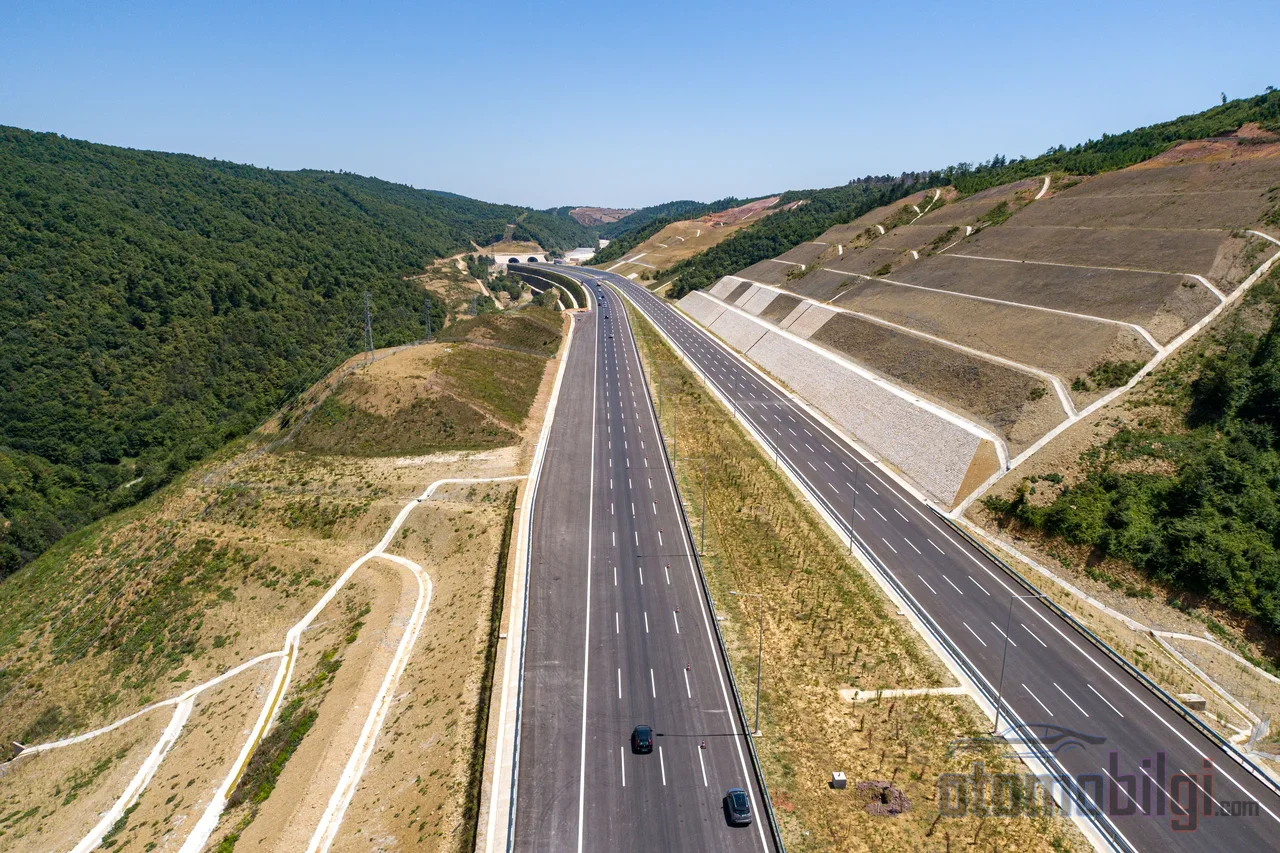
The situation on the Northern Marmara Motorway that electric vehicle drivers have long been complaining about has officially changed: The Competition Board concluded its preliminary investigation into the motorway's operator with commitments given by the company. Accordingly, the structure that granted exclusivity to a single economic group providing charging services at the motorway's service facilities is coming to an end. So how will this decision affect drivers in practice, and what will happen to prices and socket availability? The answer to the question lies in the details of the commitments text.
What Did the Competition Board Find, and Why Did It Step In?
Serious suspicions were formed in the Board's preliminary investigation: The company operating the motorway's service facilities had granted exclusivity to enterprises within its own economic group for establishing and operating charging stations, and requests from rival charging networks wishing to operate on the motorway were rejected. The reviews found that the charging service was limited to only two brands belonging to the same economic group as the motorway operator. In other words, electric vehicle drivers were tied hand and foot on one of Turkiye's busiest transit corridors; the market had become monopolized in terms of price and socket options.
This situation also sparked debate among drivers. Months before the commitments decision, criticism was widespread on social media, arguing that only three brands offering charging services on a motorway hundreds of kilometers long did not serve the purpose of serving the public. With the Board stepping in, this complaint turned into a legal process.
Highlights
- The Competition Board concluded the Northern Marmara Motorway charging investigation with commitments on November 4, 2026.
- The motorway operator will no longer sign contracts containing exclusivity.
- Application and invitation processes will be completed within 2 months, and the evaluation process within at most 4 months.
- As of October 2026, it is reported that the motorway has 16 brands and 750 charging sockets.
- Compliance will be monitored through notifications to the Authority every 6 months for 3 years.
What Does the Commitments Text Promise?
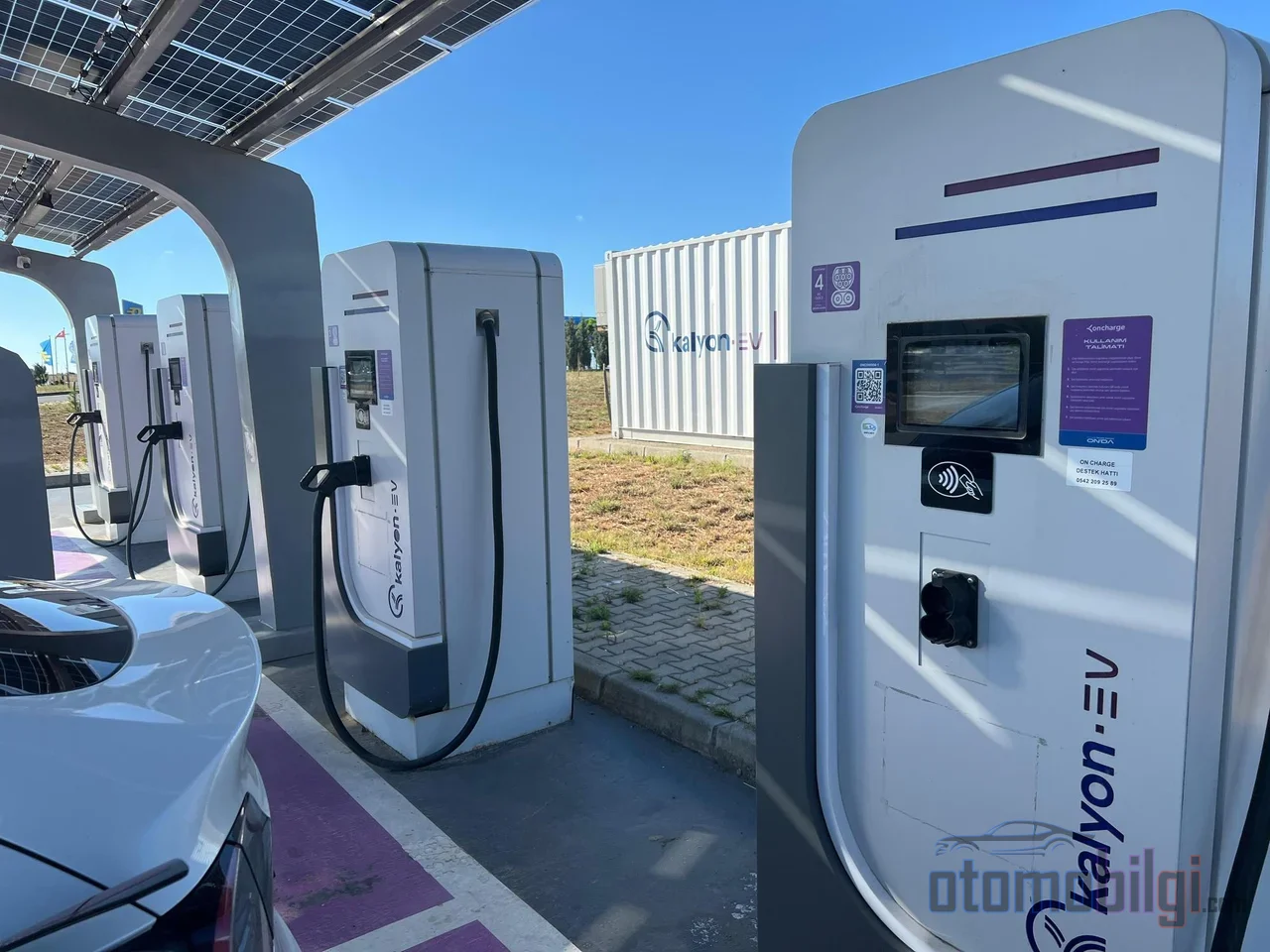
The Board closed the file through the commitments mechanism rather than through penalties; that is, instead of paying a fine, the company agreed to permanently change its behavior. The accepted commitments are grouped under several headings.
- For as long as it operates on the motorway, the company will not sign contracts containing exclusivity with any enterprise providing electric vehicle charging services.
- It will avoid practices that could lead to discrimination among enterprises in matters such as project entry fee, deposit, revenue sharing ratio, and general expense share; it will comply with the principle of equal treatment.
- Preparations for the application and invitation processes will be completed within at most 2 months from the notification of the short version of the decision; the evaluation process will conclude within at most 4 months.
- Equality will be ensured in the commercial conditions to be applied to existing and new operators.
- Compliance with the commitments will be monitored through notifications to the Authority every 6 months for 3 years.
The Board accepted these commitments, deeming them capable of resolving the competition concerns, achievable in a short time, and effectively implementable. The stated purpose of the decision is to address the competitive concerns in the highway charging market and to increase the options available to consumers who want to receive charging services.
Where Do Socket Numbers and Brand Diversity Stand?
The figures show the scale of the transformation. In its own official posts, the highway first announced 69 and then 82 charging stations across 12 service facilities at 6 different locations. As of October 2026, it is reported that 16 different brands and 750 charging sockets have been reached along the highway. It should be noted that this figure is given on a socket basis, which is a different measure from the number of stations; nevertheless, the difference compared to the two-brand picture of a year ago is striking.
New operators have already reached the facility. Trugo appears at facility no. 52/1; Oncharge is visible in map records at Izmit North OHT. Meanwhile, the highway management is also renewing the existing infrastructure: The Fenerkoy rest facility has been equipped with next-generation DC units with 200 kW power.
What Will Change for Drivers: Price and Waiting Time
The decision's implications for drivers materialize in two headings. The first is price. Since exclusivity has been lifted and commercial conditions such as entry fees, deposits, and revenue sharing will be applied equally to all operators, the way is opened for new networks to enter the highway; the expectation that price competition will revive as the number of networks grows is a natural consequence of this decision. On social media, there are user posts claiming that one network on the highway offers DC charging noticeably cheaper than the other; since this content is not based on verified data, the price claims should be met with skepticism for now. In other words, the price drop should not be read as a promise, but as the logical consequence of competition.
The second is access. Since the evaluation processes will be completed within at most 4 months, new operators will not require a long wait to settle into the facilities. For the long-distance driver, this means the following: Multiple networks' sockets will be available at the same stop, and app-based pricing and socket compatibility options will increase. The queue congestion experienced during peak hours will also ease with the increase in brand diversity.
General Charging Infrastructure Context
It would be wrong to separate the development in North Marmara from Turkiye's overall picture. As of March 2026, the total number of sockets across Turkiye increased by 13,221 in one year, reaching 41,938; according to January 2026 data, the total number of sockets was 39,694, of which 21,635 were AC and approximately 17,000 were DC sockets. In the same period, the number of electric vehicles approached the 400,000 mark. There is also ongoing activity on the regulatory front: The Charging Services Regulation was amended in March 2026, with provisions such as the publication of license information in the Official Gazette standing out.
On the pricing side, as of August 2026 AC charging was in the 9.90-11 TL/kWh range and DC fast charging in the 12.90-15.95 TL/kWh range; at home, with a night tariff, the cost can drop to as low as 3.26 TL/kWh. Assuming an average consumption of 16 kWh per 100 kilometers, the cost of a long trip with fast charging can be roughly four times that of home charging. Increased competition on the highway is one of the most concrete tools that could narrow this gap.
Conclusion: No More Monopoly, An Era of Competition
In short, the brief answer to the question is this: Charging service on the Northern Marmara Motorway can no longer be confined to a single economic group; the operator will not be able to sign exclusive agreements, will offer equal commercial terms to all charging networks, and this arrangement will remain under Board supervision for 3 years. The rewriting of a motorway's charging policy through a competition law decision is a sign that electric vehicle transformation in Turkiye is now a matter not only of vehicle sales figures but also of regulation and infrastructure struggles. From the driver's perspective, the matter is simple: in the coming months you will see more brands, more sockets and quite possibly better prices at the same stop.
Sources
- Competition Board's Northern Marmara Motorway charging investigation ended with commitments
- A new era in electric vehicle charging stations on the Northern Marmara Motorway
- New regulation for charging stations on the Northern Marmara Motorway from the Competition Board
- Northern Marmara Motorway official announcement - 82 charging stations
- EPDK January 2026 charging market data
- Electric Vehicle Charging Fees 2026
- Charging Service Regulation - Official Gazette
- Türkiye's Electricity Road - Vizyon Enerjim