The Nuances of Driving a Classic Car: Using an Old Engine Correctly

Share This Page
Driving a classic car is far more than turning the key and going: the old engine demands proper warming, patient rev management, and brake-steering behavior that a hand accustomed to modern vehicles is not used to. On this page, we have gathered the tricks of keeping a classic running like new, from cold starts to driving downhill.
Highlights
- For carbureted classics, before driving 2-3 minutes of idling, according to some experts up to 5 minutes may be needed.
- In modern vehicles, warm-up time is as short as fastening your seatbelt and adjusting the mirrors; do not expect this courtesy from a classic.
- During the break-in period, keeping the revs in the 2000-2500 rpm range is a healthy start.
- Coasting downhill in neutral is neither safe nor economical: use one gear lower. use.
- Cold weather can reduce battery power at freezing point by 30%, and at lower temperatures by up to 60%.
How to Drive a Classic Car? Differences That Surprise the Modern Driver
Someone who starts the ignition of their daily car and hits the road while texting enters a completely different world the first time they get behind the wheel of a classic. Here, the brake pedal can feel almost useless for the first half meter, the steering makes you break a sweat even when parked, and the engine practically begs you not to rush. The essence of driving a classic car is hidden in this sentence: the machine wants to warm up with you at the same time; give it that chance.
The good news is that these differences are not things that cannot be learned. After a few careful trips, the rituals become automatic and the joy of driving increases exponentially. Now let us begin with the most critical starting point: cold mornings.
The Cold Start Ritual: How Much Time Should You Give the Engine in the Mornings?
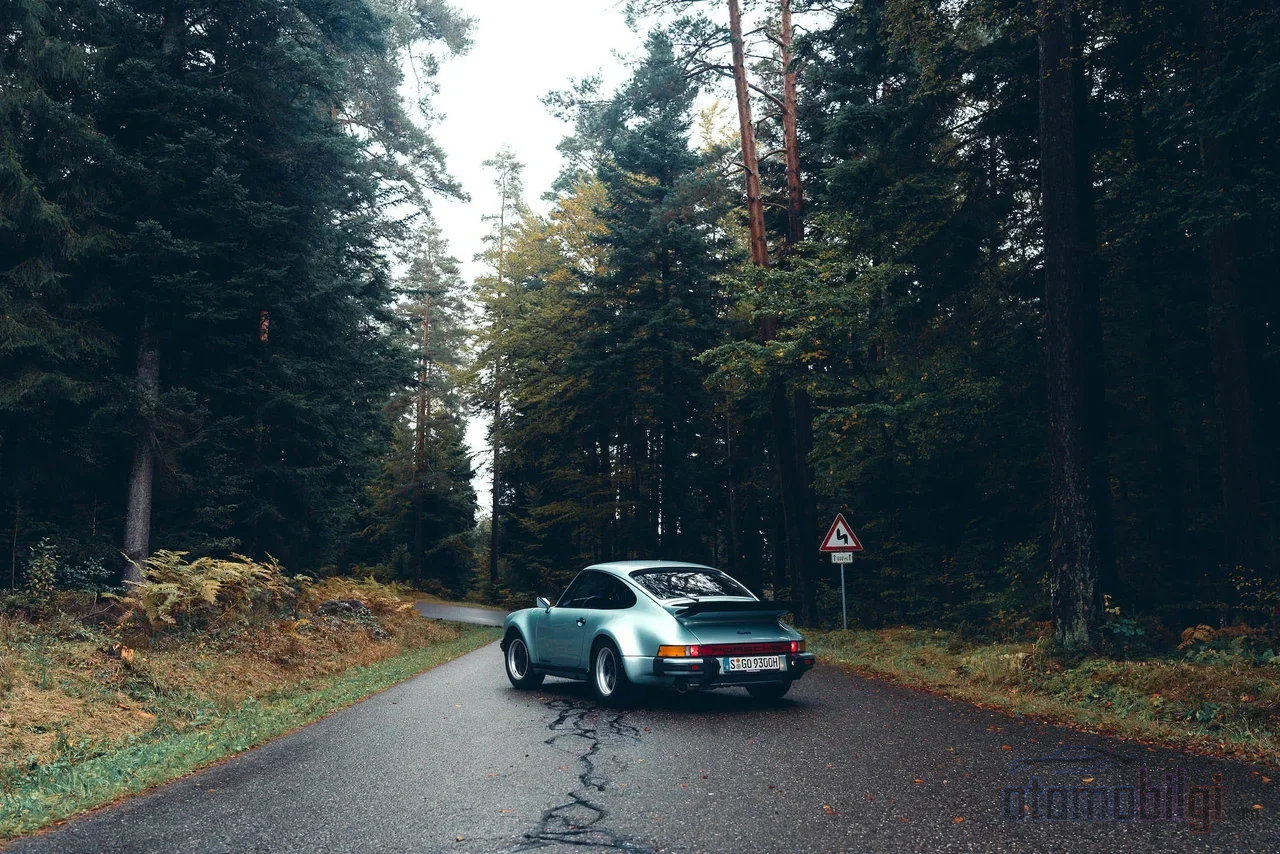
Cold starting is the most debated part of driving a classic car. In modern vehicles, warm-up time can be as short as fastening your seatbelt and adjusting the mirrors; that time is enough for the oil to reach critical engine components. In fact, prolonged idling in modern engines means wasted fuel, increased emissions, and premature wear. But with a classic, the picture turns completely around.
Carburetor or injector? The distinction changes everything
The age of your classic is decisive here. Carbureted vehicles truly deserve to be warmed up until they reach operating temperature; for older vehicles without injectors, 2-3 minutes of idling before driving is a common recommendation, and some automotive experts advocate going up to 5 minutes for older engines. Also remember that the carburetor was the last bastion of the classics: fuel injection became standard in almost all engines from the late 80s and early 90s onward. In other words, the older your vehicle, the more old-fashioned your warm-up habit should be.
One more note: current sources in Türkiye say that after the ignition, once the spark plug light goes off, the vehicle can be started, but you should not move immediately after starting it. For your classic, however, we take this one step further and add a warm-up period.
| Vehicle Type | Recommended Warm-Up | Note |
|---|---|---|
| Modern, fuel-injected | As short as fastening a seatbelt | Prolonged idling is harmful |
| Older vehicle without injectors | 2-3 minutes of idling | Some experts say 5 minutes |
| Carbureted classic | Up to operating temperature | Don't hit the road before the temperature gauge rises |
The silent enemies of cold mornings: battery and tires
The warming issue isn't limited to the engine alone. At freezing temperatures, battery power can lose up to 30% and in harsher cold, losses can reach 60%. If the starter cranks slowly but the vehicle still starts, that's a classic sign of a weak, dying battery; take the battery seriously before a long trip. Tires shouldn't be forgotten either: for every 10-degree drop in outside temperature, tire pressure loses roughly 1 psi . A winter-morning pressure check should be part of a classic's daily maintenance routine.
Warming and Rev Management in an Old Engine: Use the Gas, But Don't Floor It
In classics, the fastest way to warm up isn't actually idling, but driving the vehicle gently. Since old engines run on a rich mixture at idle, rather than letting them sit for a long time, it's smarter to warm them up with careful driving. The golden rule is this: don't load the engine with high revs until the temperature gauge leaves the cold position. Think of it as a morning sport; a runner doesn't start a sprint without stretching, and the engine's muscles need warming up too.
Newly rebuilt or brand-new engine: the break-in period
If the engine has been restored or you're meeting a new engine for the first time, the break-in period comes into play. For a healthy break-in, keeping revs in the 2000-2500 rpm range is a good framework; in practice, below 4000 rpm for gasoline engines and below 3000 rpm for diesels are the commonly cited limits. Avoid driving at a constant speed for long periods and flooring the throttle, and maintain this discipline for the first roughly 1000 miles . For those curious about the heat cycle method: bringing the engine from fully cold up to operating temperature, running it with varying throttle, then letting it cool completely and repeating this 5-6 times is a known practice. There's also the lubrication side, which shouldn't be overlooked: after starting, it's important for the engine to reach at least 1500-2000 rpm so that splash lubrication can do its job.
Brakes and Steering: Driving Without ABS and Airbags
In a modern vehicle, ABS lets you maintain steering control during hard braking. A classic doesn't have this assist; neither does it have airbags. That's why, when driving a classic, you must significantly increase your following distance compared to modern habits. It's also normal for the brake pedal to feel different when you press it: manual disc brakes work just fine even without a power brake feel; power brakes aren't a requirement. But with drum brakes, you need to make sure the wheel cylinders aren't leaking and the pads aren't contaminated.
Safety upgrades: where to start?
If you regularly drive your classic, upgrading its safety hardware is a smart investment: new seat belts, a brake refresh, lighting, tires, and hydraulic steering components are the areas that gain the most value. In classics that are driven regularly, switching from drum brakes to disc brakes is seen as a smart upgrade in the classic world. Let's also be honest: the originality debate in classic communities never ends, and you need to strike your own balance between brake and steering comfort and preserving originality. If you're a regular driver, safety usually wins the argument.
Gear Selection on Downhill Descents: Don't Make the Most Common Mistake
When you enter a long descent, riding the brake pedal is one of the worst jokes you can play on your classic. Constant braking can cause the brake pads to overheat and swell. The right method: select an appropriate low gear before the descent begins and rely on engine braking. As a general rule, on a downhill, use one gear lower than you normally would - that's a safe approach.
As for the shifting-into-neutral tactic, that urban legend has long been debunked: it's neither safe nor fuel-efficient. Moreover, in modern systems, thanks to Fuel Cut-Off technology, descending in gear is more fuel-efficient; shifting into neutral disables fuel cut-off. When descending in an automatic, the engine noise rising is also normal - no panic: increased noise in a low gear is common but harmless. In short, the three rules of descents: select the right gear in advance, don't use the brakes continuously, and increase your following distance.
Safety in the First Outings: What to Do at Your First Meeting with Your Classic
The first drives after taking delivery of the car are the test of everything. The list of common mistakes is actually short, and all of them are easily avoidable: revving a cold engine, riding the brakes downhill (this is called "riding the brakes"), and overloading the car. Let's add the risks that come from the nature of classics: classic vehicles are prone to overheating, so you don't need to check the temperature gauge as often as in a modern car, but you should keep a constant eye on it in your classic.
- Regularly check the brake fluid, coolant, transmission fluid, and steering fluid
- Do your first drives on familiar routes with low traffic density
- Avoid salted roads in winter; even a few trips on salted roads can cause serious rusting
- Get to know how your drum brakes behave in an open area, at low speed
The most common problem faced by classic vehicle owners in Türkiye is rusting. After purchase, making a habit of checking the undersides of doors, the insides of wheel arches, the trunk floor, and chassis areas is an integral part of ownership culture. Rust and corrosion, unobtainable (NLA) parts, and fuel system problems are among the most expensive headaches of the classic world; spotting them early is always cheaper.
How Is Classic Driving Culture Shaping Up in Türkiye?
Interest in classic cars in Türkiye is growing every year, and the sharing of experience among owners is speeding up. Local sources offer rich content on cold starting and general driving mistakes; this shows that these first touches are exactly where new owners struggle the most. Meetups and festival settings where classic-plated cars gather are worth their weight in gold for hearing about rituals from experienced owners. If you ask, most are happy to tell: every classic has its own quirks, its own temperature gauge habits, and its own cranking character.
A final word: using a classic correctly is a different form of respect than keeping it in a museum. A driver who warms up the engine properly, knows their revs, and trusts their following distance rather than their brakes is truly keeping that car alive. So, how does your classic wake up in the mornings? Don't forget to share your rituals in the comments!
Sources
- How Long To Warm Up The Engine Before Driving
- Should you warm up your car on cold days before driving?
- Should You Warm Up Your Car Before Driving?
- Ask An Expert: How To Let A Cold Engine Warm Up
- What is Break-in? How to Break-in a Car Engine?
- How to break in a new engine Properly
- Break-In That New Engine With The Right Oil
- 6 Safety Upgrades for Classic Cars
- Daily Driving a Classic Car: Best Safety Upgrades and More
- Daily Driving A Classic Car: What to Know
- Upgrade Your Classic: Ditching Drum Brakes
- Do I Have Power Brakes or Not?
- How To Drive An Automatic Car Downhill Without Overheating The Brakes
- Is It Right To Shift Into Neutral When Going Downhill?
- What To Pay Attention To When Driving Downhill and Uphill
- 5 Common Driving Habits That Might Be Damaging Your Vehicle
- Classic Car Do's and Don'ts
- Classic car challenges: How to prevent costly problems
- 7 Essential Car Care Habits Enthusiasts Miss
- Things To Consider When Buying A Classic Car
- Tips For Starting Your Car In Cold Weather
- Waiting For The Car Engine To Warm Up In Cold Weather