Importing a Classic Car from Abroad: Customs, Taxes, and Shipping Process

Share This Page
Classic car import is the most significant exception to the used vehicle import ban that is, as a general rule, prohibited in Türkiye: collection vehicles that meet a certain age and originality requirement can be cleared through customs with the permission of the Ministry of Trade. But when taxes, transportation and registration come into play, the process becomes quite complicated; this guide explains all the steps.
Highlights
- Tariff position for collection vehicles 97.05 (collection item) or 87.03 (passenger car)
- SCT rate for engines over 2000 cc 220% goes up to
- VAT, customs duty and SCT are calculated on top of the total
- For vehicles of US origin, a 25% Additional Tax is applied
- Road registration of salvage-titled vehicles in Türkiye is effectively banned
How to Import a Classic Car? The Big Picture of the Process
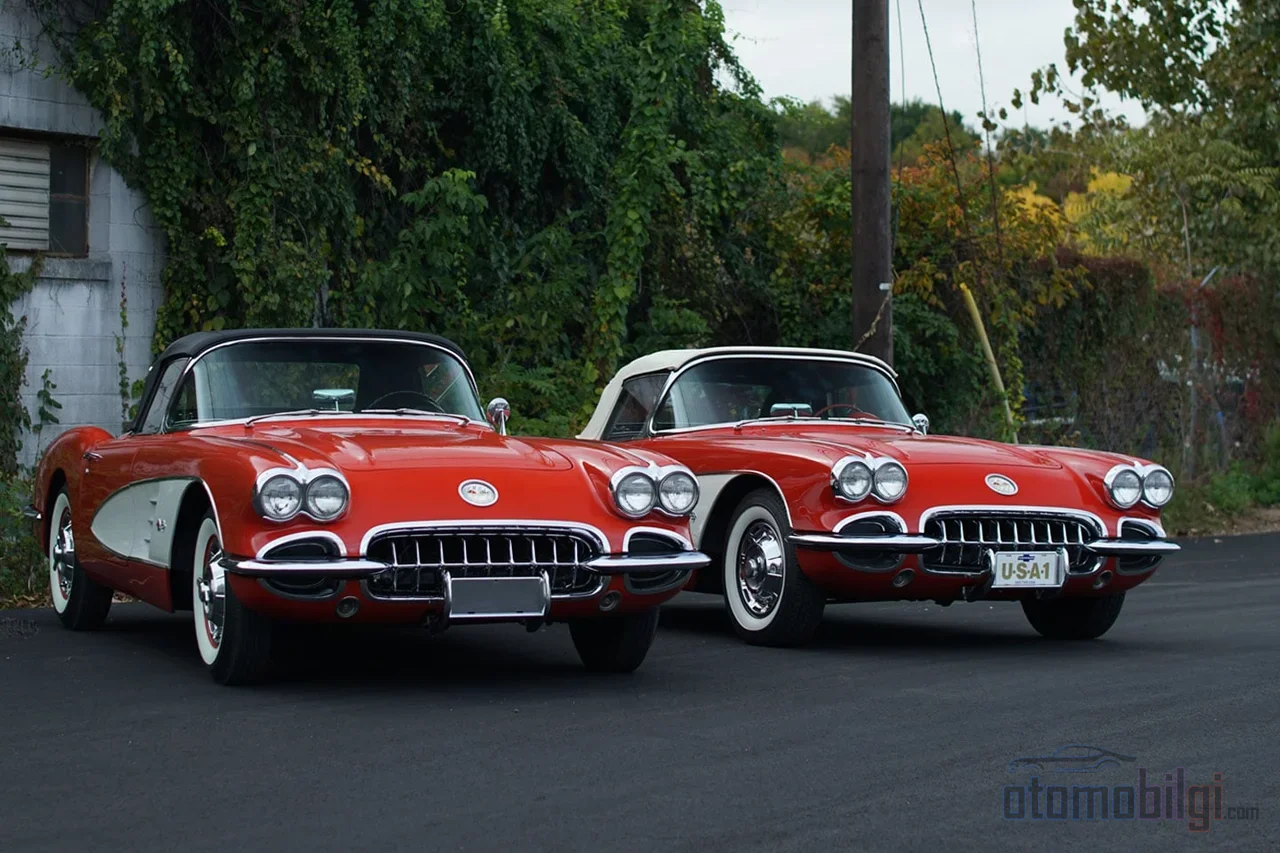
Let me be honest: even bringing a brand-new vehicle into Türkiye is difficult, and importing a used vehicle from abroad is legally under an "absolute ban". Classic cars are the known exception to this ban - but an exception doesn't mean the door is wide open. Depending on the model year of the vehicle to be imported, it must be at least 40 years old , and age alone is not enough: the final decision is left to the case-by-case evaluation of the Ministry of Trade. In this evaluation, the vehicle being original and not having undergone major modifications plays a critical role.
Think of the process like a recipe: if you mess up the order of the ingredients, the result is ruined too. The roadmap summarized by expert customs consultancies is roughly as follows:
- Vehicle selection and chassis number (VIN) check
- Inspection abroad
- Issuance of a proforma invoice
- Permission from the Ministry of Trade - application with detailed pictures of the vehicle, chassis number, registration certificate and invoice
- TSE conformity letter
- Customs declaration and payment of taxes
- Issuance of a warranty certificate
- Traffic registration
Each step has its own details; let's go through the most critical ones one by one.
Customs Legislation: 97.05 or 87.03? Here's the Question That Changes Everything
Which code the vehicle will fall under at customs determines from the start how much money you will pay. In the Turkish Customs Tariff Schedule, collection items are under position 97.05 , while motor vehicles designed for carrying people are under position 87.03 . According to the circular of the Directorate General of Customs, the choice is made based on the vehicle's intended use: if the vehicle will be used outside its original purpose, for example only in exhibitions, 97.05 is mandatory; if it will be used in traffic, 87.03 is mandatory.
Think of the fine balance here like this: it's similar to getting caught trying to cheat on an exam versus studying and earning the grade. If you will use your vehicle in traffic but try to bring it in with code 97.05, this counts as "fraudulent classification" and creates a serious customs dispute. The customs administration verifies antique claims through physical inspection - VIN and engine stamp check, confirmation of the production date, originality assessment and document review are all on the table.
The other conditions required for antique status are extra burdens on top: the vehicle's Traffic Certificate must be issued with an antique annotation, and documents such as a warranty certificate and a TSE conformity letter must be prepared. A missing document means the vehicle waiting at the customs area - both delay and storage fees.
Tax Calculation: What Do VAT, SCT and Customs Duty Total Up To?
Now we come to the painful part of the matter. When you bring in a passenger car from a third country (non-EU), the tax items you face are as follows:
| Tax Item | Rate | Note |
|---|---|---|
| Customs Duty | 10% | Zero on imports from the EU with an A.TR certificate |
| SCT (under 1400 cc) | 70-90% | Graduated by engine displacement |
| SCT (1401-1600 cc) | 75-100% | - |
| SCT (1601-2000 cc) | 150-170% | - |
| SCT (over 2000 cc) | 220% | Most classics fall here |
| TRT banderole fee | 0.8% | - |
| VAT | 20% | Calculated on the total of all taxes |
| Additional Duty | 25% | Only for US-origin vehicles |
The truly crucial detail is this: the tax is calculated on a $35,500 base reference value regardless of the amount on the vehicle's invoice. So no matter how cheaply you buy the car, customs will not go below a certain base value; even if the vehicle were free, the result would not change. Since VAT is charged on the total of all these amounts, you pay tax on the tax - a cascading structure that resembles money laundering, but a perfectly legal one.
On top of that, the July 11, 2026 decree raised the additional customs duty; its impact on car and spare parts prices is still being debated. If your vehicle is coming from within the European Union, the customs duty is zeroed out with an A.TR certificate and there is no Additional Duty - but VAT and SCT are paid just the same. So bringing one in from Germany, Italy or the Netherlands is clearly advantageous compared to the US, but it is not free.
Is an Exemption Really Possible?
In short: only narrow exceptions. There is a definite customs duty exemption for the import of vehicles inherited through succession; the scope on the SCT and VAT side is stated differently in official sources - so if you are planning a transfer without payment, you must clarify the matter with your customs consultant on a case-by-case basis. There is exemption from Customs Duty, Additional Customs Duty, VAT and SCT for imports for examination, analysis or testing purposes; however, this applies to an item going to a laboratory, not to a vehicle coming to your garage. Antique vehicles that cannot qualify for museum or cultural heritage exemption are generally subject to standard taxes.
Shipping and Insurance: Why Is a Closed Container Mandatory?
Imagine carrying a classic car on an open platform, in the wind and salty sea air, for thousands of kilometers - that is exactly why antique vehicles require a closed, sealed container in sea transport. Moisture and corrosion are merciless on thirty- to forty-year-old chrome plating and paint. Leaving the loading to experts is also a must; a wrongly hung seat or a slipping crane strap can cost you a front bumper.
On the insurance side, an ordinary transport policy isn't enough either: extended insurance is purchased for collector vehicles and originality documents are transported securely. The most common problems at border crossings are paperwork-related - a missing residence certificate or invalid traffic insurance can leave the vehicle waiting in the customs area.
List the cost items in advance: international shipping fee, transport insurance, document approval fees, storage, TSE and chamber of engineers approval fees, first tax sticker and traffic insurance, and of course import taxes. Although these items may look small one by one, together they add up to a serious budget, even for low-volume motor vehicles.
Leaving Customs: Registration, Inspection and Roadworthiness
The vehicle has left the port - is the job done? On the contrary, the final corner is starting now. For registration, the vehicle must pass a roadworthiness inspection: fundamental safety systems like brakes, lights and steering must be in working order. The good news is that some original components can be exempted from modern standards due to their age - meaning the seatbelt or turn signal system of a 1970 model vehicle isn't subject to the same criteria as today's vehicles. The Traffic Certificate issued with an antique annotation serves as official identification at this stage.
If you're curious, the process within the EU is genuinely much simpler. For example, in the Netherlands the process can roughly be summarized in three or four steps: checking whether an import declaration is required, scheduling an inspection appointment, and gathering documents. The situation in Türkiye is noticeably longer due to additional layers like Ministry of Trade permission and the TSE compliance letter - so be patient and set a realistic schedule from the start.
Common Mistakes: Those Who Fall Into These Traps Regret It
Most disappointments in classic car imports lie not in the vehicle's beauty but in the paperwork. I've compiled the most common mistakes for you:
- Wrong GTIP code selection: If the choice between 87.03 and 97.05 doesn't match the intended use, there's a risk of fraudulent classification and a customs dispute comes knocking.
- Valuation dispute: Even if the invoice looks low, taxes can come out high due to comparable value assessment.
- Missing documents: Inability to document the vehicle's age, or the absence of originality records or a manufacturer's certificate, can drag the process out for weeks.
- Restoration slips: A vehicle that has undergone major modifications puts its antique status directly at risk; non-original components are questioned at customs. That's why you should budget seriously for an inspection before buying.
- The scrap trap: Vehicles with scrap/salvage titles are effectively banned from highway registration in Türkiye. The dream of buying a cheap project from the US, restoring it and putting it on the road isn't realistic from a legal standpoint; with these vehicles only parts dismantling or static museum display is possible.
Read the last item twice. It's very easy to be seduced by a salvage listing that looks great in photos and has a dazzling price - but a vehicle you can't get a license plate for isn't a classic for you, it's a statue.
Import or Domestic Market? Honestly Weighing the Cost Balance
Let's get to the accounting part. When you add up the tax items and include shipping, insurance and paperwork costs, the total cost of an imported car can exceed the domestic market value. In a calculation previously shared on forums, the total tax burden for a classic coming from the American market reached roughly 5-6 times the car's purchase price; although the rates in that calculation are not current today, the picture is still not pleasant with the updated tiered taxes.
Concrete reference points for comparison: on the domestic listing market, a 1967 Ford Mustang was listed in Istanbul in the range of 4,550,000 TL; while a 1976 Ford Taunus SW could be found in Ankara for 299,000 TL. Since listing prices change by the moment, use these not as exact figures but as a sense of scale. Before buying, studying price charts in the Turkish classic car market and getting expert opinion is just as important as calculating customs.
My clear recommendation is this: importing is worth it for a special model that is very hard to find in Türkiye, highly valuable and documented as original. For common models, the domestic market usually means less stress and less risk. But if the car that makes your heart race is waiting in a garage in Berlin or Turin, set up the process correctly, work with a customs broker and prepare the paperwork completely - then this journey becomes not a disappointment, but the project of your life. Which model do you think is worth it?
Sources
- How to Import a Vintage Vehicle? 2026 Guide
- Classic & Scrap Car Imports to Türkiye
- Duty-Free Vehicle Transfer Import
- Is any tax paid on duty-free vehicle imports?
- Major Exemptions and Exceptions at Customs
- Automotive Import Guide: Required Documents, Tax Rates and Legislation
- Additional Customs Duty Increased in Imports: Impact on Cars 2026
- Guide to Bringing a Car from Abroad to Türkiye
- Calculation for legally importing a classic car from abroad
- Step-by-step plan for importing a car into the Netherlands
- Ford - Classic Cars
- Things to Consider When Buying a Classic Car