First Step into Classic Car Enthusiasm: A Realistic Beginner's Guide
Share This Page
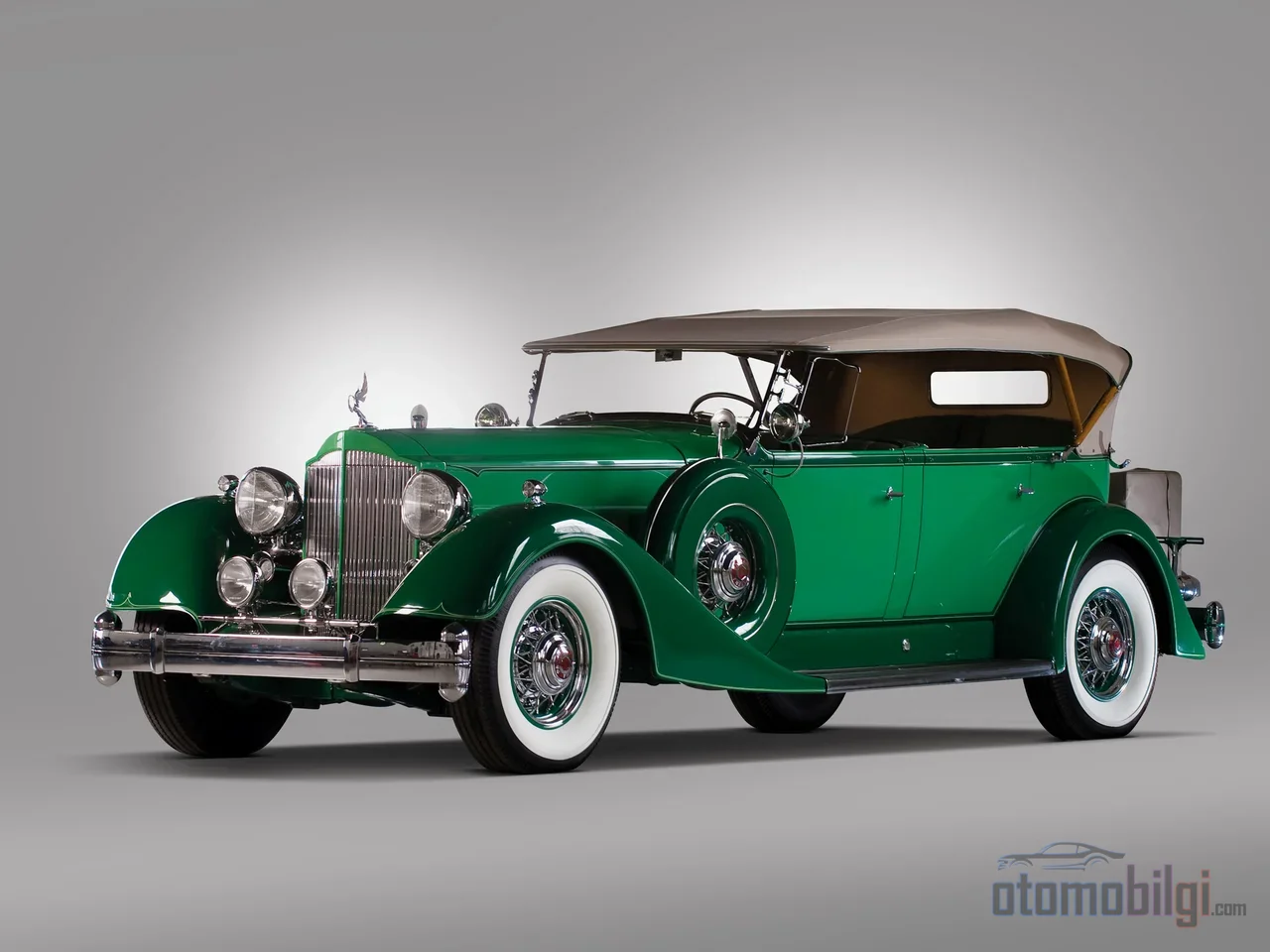
When we say classic car, we generally mean automobiles that are 25 years or older, attract historical interest, and carry collection value; but age alone is not enough. This guide offers an enthusiast who has decided to buy their first classic car a realistic first-year roadmap, covering everything from definitions to budget, and from restoration costs to insurance. If you're ready, let's get to the wheel of your dream!
Highlights
- Vehicles that are 25 years or older are considered classic in most definitions, but rarity and condition are also required.
- A comprehensive restoration can cost an average of $40,000-120,000 and often exceeds the vehicle's value.
- Collection insurance works on the agreed value principle and can be up to 40% cheaper than a standard policy.
- In Türkiye, passenger vehicles go in for their first periodic technical inspection 3 years after registration; the 2026 inspection fee is 3,288 TL.
How Old Does Your Car Have to Be to Be a Classic?
The honest answer: it's not entirely clear, and that's actually the most fun part of it. There is no universal definition; insurance companies, clubs, and countries draw different lines. The common rule is 25 years and older but some insurance classifications group vehicles produced in 2000 and before as "classic", distinguishing those before 1975 as "antique", and 1919-1930 as "vintage".
Some organizations draw the line much further back. The Classic Car Club of America's "Full Classic" definition covers only automobiles produced between 1915 and 1948 that are considered prestigious; names like Duesenberg or Pierce-Arrow are guests of this narrow club. Those produced for commercial purposes, such as ambulances or race cars, are not even let through the door. On the other hand, some clubs accept every road vehicle that has reached 25 years of age and come from the factory. In the United Kingdom, vehicles over 40 years old are exempt from road tax and inspection; in Germany, vehicles at least 30 years old can get an "Oldtimer" plate. The common ground is this: age is required but is not enough on its own; historical interest, rarity, condition, and collection value are also necessary. As they say, one person's "old car" is another person's classic, and they're right.
Which Classic Cars Gain Value?
Now the question is: which car should we drive so we can both enjoy it and not have our wallets cry? What value-appreciating models have in common is sought-after rarity and a loyal fan base. Early Chevrolet Corvette generations, namely C1 (1953-1962) and C2 Sting Ray (1963-1967), haven't come down from the top of high-value lists in years. On the muscle car front, Ford Mustang Mach 1, Chevrolet Camaro Z/28, Dodge Charger R/T and Pontiac GTO; on the European front, air-cooled Porsche 911 models stand out. With a broader look, Corvette C3, the first-generation Mazda RX-7, Land Rover Defender, Datsun 240Z, Mercedes 250SL and Saab 900 are also on an upward trend.
For those with a limited budget but a big passion, there are also entry-level classics: 1965-1973 Ford Mustang, 1990-1997 Mazda MX-5 Miata, 1956-1970 Volvo 122 models like these are among the classic recommendations for a first step into collecting. Names like the Shelby Mustang, Corvette and Porsche 356 from the 1950s-60s are on the radar of serious collectors.
And then there are the future classics, which I think is the most enjoyable area to bet on. Among the 2026 recommendations are the new Alpine A110 (around £55,160), the Rover 75 at around £3,500 for a cheap start, the Alfa Romeo 156 GTA in the £10,000 band, or even the£1,000 Mercedes A-Class W168 Mercedes A-Class W168 - all appear on the lists. Who knows, the car making someone smile in their garage today may be shining at a show tomorrow.
Why Does Restoration Cost Exceed the Car's Value?
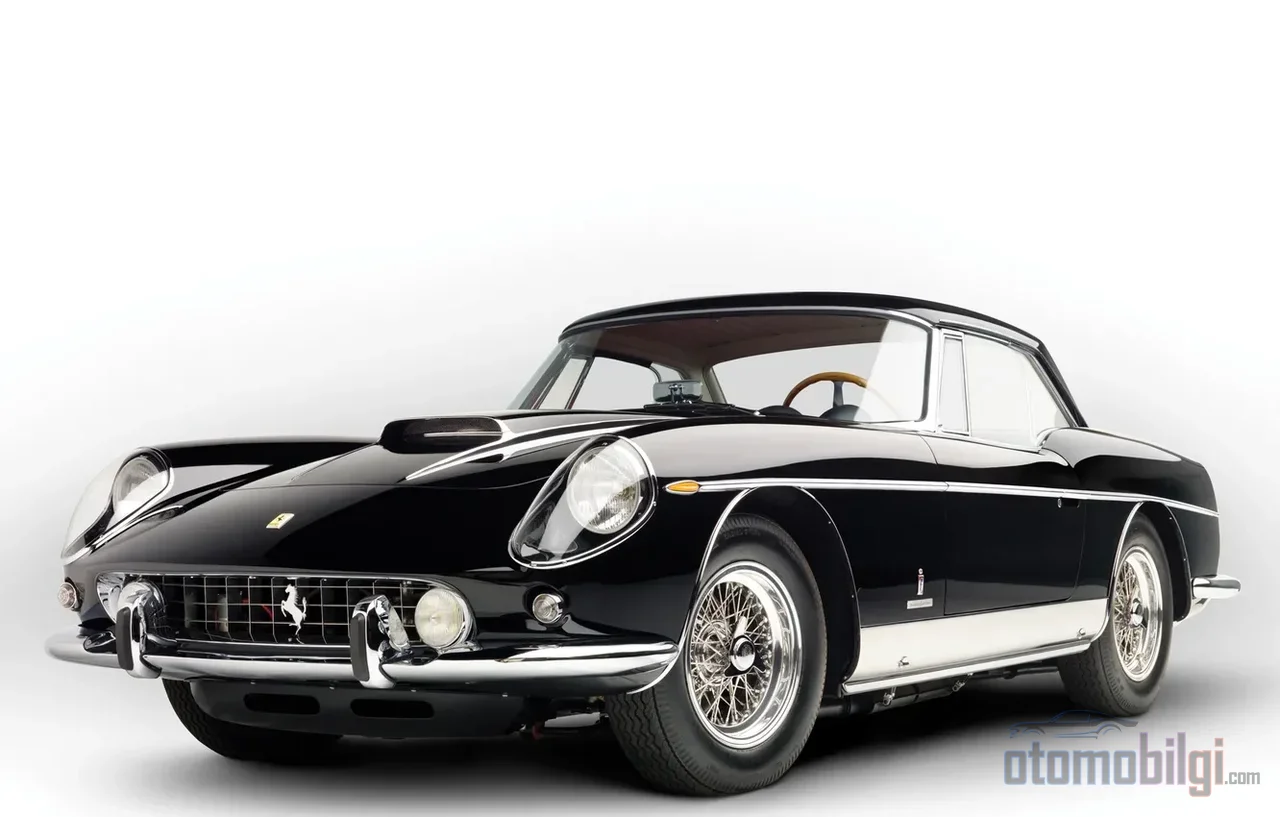
This is where dreams and reality shake hands most harshly. A quality, comprehensive restoration today averages $40,000-120,000 ; for show-quality, full "frame-off" jobs the figure climbs even higher. For certain models the situation is even more striking: a traditional, originality-focused restoration for a Jaguar E-Type can be priced in the $60,000-200,000 range. On the muscle car side, more modest estimates of around $20,000 circulate for a full restoration, but this varies by car; every rusted panel is a separate expense item, and labor makes up the bulk of the bill.
Think of it this way: if a car sells for £12,000-18,000 compared to the perfect examples on the market, the total cost would need to stay well below £10,000 for the restoration to be economical. Projects that miss this balance make up the majority of failed ones. The harsh truth experienced mechanics repeat on forums is this: most cars - practically 99% of them - are not worth restoring in financial terms. If you will restore out of passion rather than profit calculations, the math changes; but don't head down the teardown-critique route without learning the numbers, or you might regret it.
Then there is the restomod debate: adding modern engines and equipment to make driving more comfortable enhances the driving pleasure but can lower collector value. Clubs that prioritize originality focus on unmodified cars; so much so that even fitting a seat belt can cost points at some shows. Strange but true.
A Realistic Starter Guide for Your First Classic Car
So where do you begin? The experts' common advice is simple: start with the car your heart is set on. Because this is more a lifestyle choice than an investment plan, and changing the oil of a car you don't love will drain your motivation within a week. Before deciding, answer three questions one by one: how difficult is this car to maintain, is it truly drivable, and does the total cost fit your budget?
Selection criteria
- Budget: Factor in not just the purchase price but also the first year's maintenance and repairs.
- Insurance: Find out in advance whether you can get a classic car policy and what its terms are.
- Spare parts availability: How many days does an average part take to arrive, and who can find it?
- Maintenance: Are you going to tinker with it yourself, or are you looking for a trusted mechanic?
- Storage: A dry, secure garage; collection insurance usually requires this too.
Let's not skip one warning either: classic cars are machines not built to today's safety standards. Seat belts, crumple zones and rollover protection are absent or inadequate in most of them; braking and steering performance lag behind modern vehicles. In a 2009 crash test, a 1959 Chevrolet Bel Air was collided with a modern Malibu and the result favoring the modern design surprised no one. Also, emission restrictions can be a problem when entering low-emission zones in city centers. Another pitfall is fraud: faking past documents and inflating sale values are old trades of the classic world. Don't sign anything without questioning the documents and verifying the vehicle's history.
Classic Car Insurance: The Agreed Value Difference
The most critical difference between standard comprehensive insurance and classic car insurance emerges at the moment of total loss. Special policies made for collection vehicles use the agreed value logic: there is no market haggling at the time of damage; the full value written into the policy from the start is paid. You sit down with the insurer and determine the vehicle's real value together, which works in your favor.
These policies are structurally similar to standard insurance but there is occasionally a mileage restriction: tiered mileage plans are offered, meaning less driving means less premium. Usage limits and secure storage are usually required. In return there is a serious advantage: collection insurance can save up to 40% on the monthly premium compared to a standard policy. At some insurers, a vehicle newly added to the collection can also be under automatic coverage for 30 days . If you have decided to buy a classic car, don't settle for standard comprehensive coverage; these cars deserve different insurance.
Owning a Classic Car in Türkiye: Inspection, Culture and Import
What's the situation here? First, the regulations: in Türkiye, passenger vehicles undergo inspection at the end of the third year after registration and then every 2 years . The 2026 automobile inspection fee is 3,288 TL, and the exhaust emission measurement is 460 TL; if you fail the inspection, you are given 30 days for a retest. Don't forget to bring the registration certificate and exhaust emission report; the legal basis is Article 34 of the Highway Traffic Law No. 2918. So unfortunately, your old uncle's claim that "classic cars don't need inspection" is false; they do, the interval is just different.
Local collection culture
Classic car enthusiasm in Türkiye has deep roots. The Classic Automobile Club, founded by a group of enthusiasts in 1990, is still actively organizing meetups and events. At the RMK Museum in Istanbul, there is a 1933 Buick 66C, a 1938 Lincoln Zephyr Coupe, a 1965 Rolls-Royce Silver Cloud III, a 1962 Morris Mini Cooper and the tiny, adorable 1956 BMW Isetta 300 parts like these are on display; perfect for a first visit. On the domestic front, the Anadol A1 and A2 rule collectors' hearts as the first domestic cars; the Fiat 124 produced in Türkiye in the 1970s also draws interest. Industrialist Mehmet Arsay's collection even includes a replica of an 1886 Benz, so you can't even guess where we started on this journey.
Imports and Taxes
For those who want to bring a classic car from abroad, the picture is heavier: importing an antique/classic vehicle requires a Ministry of Trade permit. For imports from a non-EU third country, a 10% customs duty, for engine displacement of 2000cc and above a 220% SCT, a 0.8% TRT banderole and on top of that a 20% VAT are calculated. Yes, I wrote 220%, read it twice; most dreams end right at this line. Starting by thoroughly scanning the local market might be the smartest move for your wallet.
Passion or Investment? The Balance of the First Year
The biggest dualism when entering the world of classic cars is this: some choose cars as if managing a portfolio, others can't sleep for the smell of the cockpit. The truth is that making a profit is rarely possible; most cars aren't worth the money to restore, and with a major generational shift approaching, it's said the market will change too. But that doesn't mean you're entirely on the losing side; a well-chosen, well-maintained, documented classic both brings joy and can hold its value. Start with small steps, learn with a cheap and solid model, and build your garage and your mechanics over the years. In your first year, what you'll be holding is less a car and more a school, and in my opinion this school's tuition is the most enjoyable tuition in the world.
Sources
- Classic car - Wikipedia
- Classic vs. Antique vs. Vintage Cars - American Collectors Insurance
- Collector Cars - California Bureau of Automotive Repair
- What Are the Top Collectible Cars That Hold Strong Value? - Hillbank
- Top Classic Cars Increasing in Value Right Now - Worldwide Vintage Autos
- 14 Classic Cars That Will Appreciate In Value - Neighbor.com
- Cheap Classic Cars for Collectors on a Budget - Road & Track
- Best future classic cars 2026 - Auto Express
- How Much Does It Cost to Restore a Classic Car Today? - Hillbank
- Classic Car Restoration Costs vs Scrap Value Explained - Global Ardour
- Cost of a Bespoke Classic Car Restoration - ECD Auto Design
- Classic car ownership for beginners - Footman James
- Classic and collector car insurance - Hagerty
- A Classic Car Owner's Guide to Insurance - Car and Driver
- Frequently Asked Questions - TÜVTÜRK
- TÜVTÜRK Inspection Preparation Guide 2026 - Araclo
- Classic Automobile Club
- Istanbul - Classic Cars - RMK Museum
- Antique Vehicle Import Guide 2026 - Gürdal