What Are the Requirements for Obtaining a Collector Vehicle License Plate?
Share This Page
An owner who wants to get a collection vehicle plate is generally expected to have a classic that is at least 25 years old and in good condition; this status opens a place for the vehicle in the privileged world of classic traffic. But let's be honest right from the start: the official rules in this field change from time to time, and before applying you must confirm the current legislation with the General Directorate of Security and traffic registration units. Now let's break down this process step by step, along with its pitfalls and realistic examples.
Highlights
- For collection vehicle status, vehicles are generally required to exceed the 25-year threshold.
- In Germany, the red 07 plate is granted to vehicles that are at least 30 years old; in the UK, the requirement for historic vehicle status is 40 years. requirement.
- As of February 2, 2026, plate printing workshops no longer accept cash or credit card payments.
- Use of non-standard (APP) plates counts as a serious offense in 2026; the fine can go up to140,000 TL.
- It is vitally important not to confuse the 25-year rule with the scrappage incentive: one erases the vehicle, the other rewards it.
What Exactly Is Collection Vehicle Status Good For?
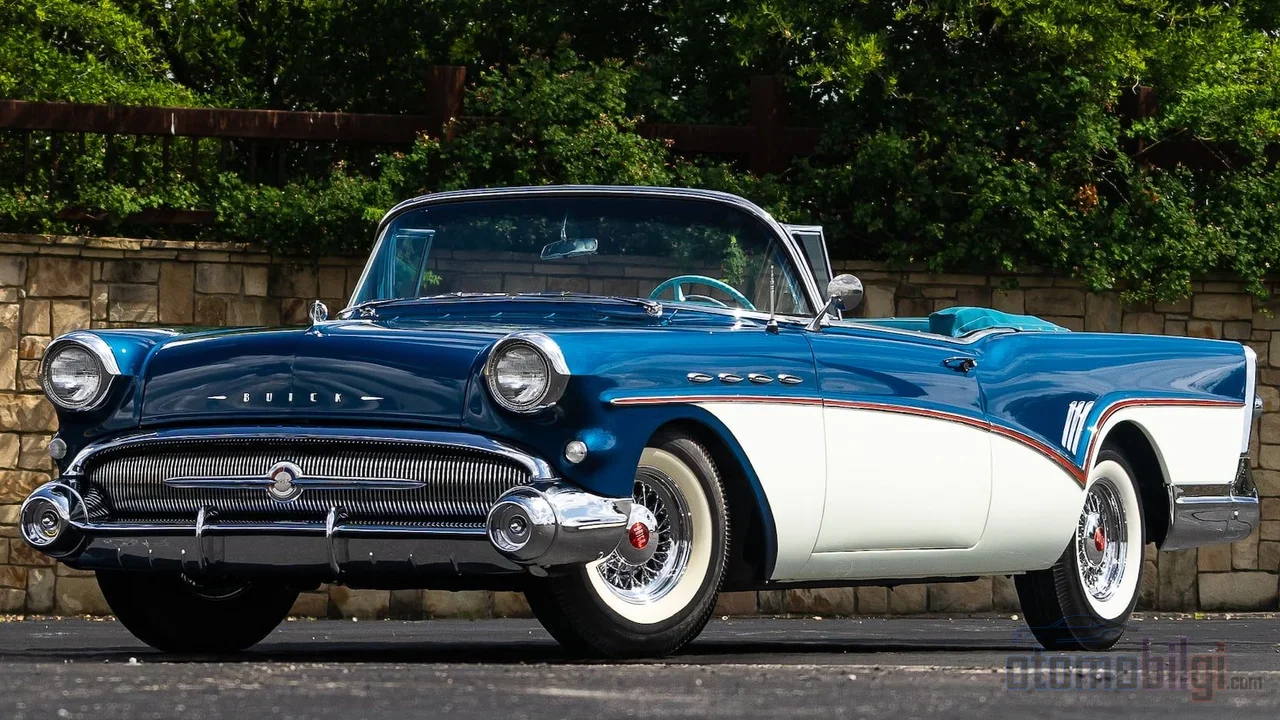
Imagine: a pristine 1998-model classic is sitting in your garage. You want it to be treated nothing like any other vehicle in ordinary traffic. This is exactly where collection vehicle status comes into play; you register your vehicle not as a "utility vehicle" but as a protected and valued asset. This status gives the vehicle the right to be part of classic car culture and, in most countries, comes with certain conveniences.
The other side of the coin is just as strong. Collection vehicle status also imposes limits on how much and for what purposes the vehicle can be used. In other words, this status is like a reward, but the reward comes with a commitment: you will preserve your vehicle, keep it faithful to its original form, and comply with the rules. Let me explain with a simple analogy: think of it like a piece exhibited in a museum; everyone admires it, but no one takes it to the weekend market.
So what does it take to obtain this status in Türkiye? We especially emphasize that you need to consult official sources for the complete list of current requirements regarding the red collection plate, because some of the information written on the internet is either outdated or has been passed around by word of mouth. The generally accepted threshold is 25 years,but the healthiest approach is to get the current requirements from the traffic registration unit before applying.
What Conditions and Documents Are Required for a Collection Vehicle Plate?
The application process is like gathering paperwork before an exam: if a single document is missing, the entire process can be rolled back. Since the registration procedures for vehicles in Türkiye are centralized, we can map out your roadmap with these items:
- Check the vehicle's age and general condition; 25 years is the most common threshold, but confirm the current legislation.
- Prepare the necessary documents for registration procedures; if there are obstacles on the vehicle such as liens, encumbrances, or overdue inspections, the transaction cannot be carried out.
- Submit your application to the relevant registration authority; keep in mind that notaries are also authorized for license plate procedures.
- At the plate printing stage, go to the authorized plate printing offices affiliated with TŞOF; plates are printed sealed and with security features.
- At the end of the process, have your registration certificate updated; align your insurance and HGS records with the new situation.
A practical tip regarding documents: the plate printing request document can now be obtained through e-Devlet So part of the paperwork gathering that used to involve waiting in line can be handled from home. Another small but important detail is this: as of February 2, 2026, plate printing workshops no longer accept cash or credit cards; you need to make your payment through the specified channels. For those planning to go with cash in hand, this could amount to a surprise equivalent to a wasted trip.
The Most Common Sticking Points in the Application
Here are the pitfalls where novice classic car enthusiasts most often stumble:
- Not checking legal obstacles: If the vehicle has a lien, mortgage, tax debt, or overdue inspection, the plate procedure is halted.
- Mistaking the scrap incentive for a status: These are two completely opposite concepts; I will elaborate shortly.
- Using the wrong plate type: Printing non-standard (APP) plates has been classified as a serious offense; the vehicle can be barred from traffic until compliance is achieved.
- Skipping the registration and insurance update: On a vehicle with a changed plate, policies remain valid as tied to the chassis number, but updating the information is your responsibility.
Driving with a Red Collection Plate: What's Allowed, What's Forbidden?

The red plate is one of the most beloved privileges of the classic car world; but this privilege is not unlimited. In most countries, the use of these plates is restricted: specific purposes such as test drives, garage and event visits, and classic car gatherings stand out. In Türkiye as well, a "use focused on events and maintenance" logic can be considered valid for red plate users instead of a daily means of transportation; in other words, this is not a vehicle you will use every day for commuting to work.
At this point, I need to issue a critical warning: topics such as annual usage limits, inspection exemptions, and tax exemptions are among the most commonly misrepresented pieces of information around us. We recommend that you follow the current and official assessment of these details from the announcements of the General Directorate of Security and the relevant traffic legislation. After all, you wouldn't want to put the classic in your garage at risk, would you?
Non-Standard Plate Penalty: The Harsh Detail of 2026
With the 2026 regulations, a non-standard plate is now classified as a "serious offense" and 140,000 TLfines of up to are on the agenda. Vehicles with non-compliant plates can be banned from traffic until the plate becomes compliant. The Turkish National Police announced that inspections in this area are being carried out with a guidance approach first, but the guidance period is not permanent; if you own a red plate, I recommend you check whether your plate meets the standards. For vehicles driven without plates or with unreadable plates, if there are two or more violations within one year counting back from the latest violation, a fine of 140,000 TL is imposed each time.
The Biggest Trap of the 25-Year Rule: Confusing It with the Scrap Incentive
I will not talk about having your classic in the garage deregistered, but I do need to clarify these two concepts. The scrap incentive is a support program aimed at replacing vehicles that have reached 25 years of age; it includes conditions such as the vehicle being older than 25 years, being registered to an individual, and the replacement vehicle being produced in Türkiye. When the certificate is obtained, the vehicle's registration is deleted and that vehicle can never enter traffic again. So the 25-year threshold here is not a reward, but quite the opposite, a farewell letter.
Collector vehicle status carries exactly the opposite intention: to preserve the vehicle, to be able to take it into traffic under certain rules, and to carry it into the future. On one hand the state encouraging vehicles in the same age band to be scrapped, and on the other the classic car community defending these vehicles as valuable assets, is one of the most interesting tensions in the classic world. Restoration costs can take from 6 months to 1.5 years and 400,000 TLcan be exceeded; in other words, these vehicles stand thanks to effort too great to be left to their own devices.
How Does Classic Vehicle Status Work Around the World? A Comparison with Türkiye
Understanding your own country's rules is sometimes best achieved by looking at other countries' approaches. In Germany there is a system for classic vehicles such as the red 07 number; in the United Kingdom, historic vehicle status is granted to vehicles above a certain age. The threshold commonly cited in Türkiye is considered young compared to these countries; but the details of the current practice must again be verified from official sources. Here is the general framework:
| Country | Age Threshold | Notable Detail |
|---|---|---|
| Germany | At least 30 years | The red 07 plate allows use for specific purposes such as test drives and event visits; a single plate can be used on multiple classic vehicles |
| United Kingdom | 40 years | Historic vehicle status requires conformity to the original |
| Türkiye | 25 years (commonly accepted) | For red collector plate status, verifying current conditions from official sources is recommended |
The possibility of a single plate in Germany being valid for multiple vehicles is, in my opinion, a very clever detail; for someone keeping several classics in their collection it is both practical and economical. Do not hesitate to ask the registration office before applying to learn how such details work in Türkiye's practice; asking questions is always the cheapest way.
Does Collector Vehicle Status Affect the Vehicle's Sale Value?
Short answer: Yes, with the right vehicle and in the right direction. It is a well-known fact that classic and rare models find buyers at high prices despite their age, and that vehicles that retain their originality remain valuable. There are worlds of difference between the price of a restored vehicle and a project car still at the very beginning of its journey; when done correctly, restoration becomes an investment that pays back your effort.
Collection vehicle status also documents the seriousness of the vehicle in the buyer's eyes. The status shows that the vehicle is not merely a nostalgia object, but an asset preserved in compliance with the rules. But let us also state the other side of the coin: the usage restrictions that come with the status can put off a buyer looking for a vehicle for daily use. In other words, the effect on value takes shape according to the buyer's expectations. When selling your vehicle, explaining this balance openly is healthy for both parties.
A Practical Roadmap for Those Who Want Collection Vehicle Status
Finally, let us draw up a summary plan for those who, when they get their first classic in their garage, do not know where to start:
- Document the vehicle's age, history and originality status; calculate rust, spare parts and restoration costs in advance.
- Make sure the vehicle has no liens, mortgages, tax debts or overdue inspections; these block all transactions.
- Get the current list of collection vehicle requirements in writing from the traffic registration unit; do not rely on verbal information.
- Use notary and e-Government channels for plate transactions; check payment conditions for plate printing in advance.
- After obtaining the status, update your insurance, comprehensive coverage and HGS records; if HGS is not updated, fines accumulate at highway tolls.
The world of classic vehicles is an incredibly enjoyable space for those who know the rules and prepare correctly. Moving that old friend in your garage to collection vehicle status requires a bit of paperwork and patience, but in the end you are left with a documented, preserved and future-ready piece. As someone who loves vehicles, my biggest advice is this: keep your knowledge up to date, follow official sources, and every time you get behind the wheel, drive knowing the rules. Have a good road ahead!
Sources
- Press Release Dated 08.03.2026
- Traffic Law Amendment Adopted by the TBMM General Assembly
- TBMM - Amendments to Increase Traffic Fines
- How to Renew/Change a License Plate
- How to Change a License Plate? 2026 Notary and Plate Fees
- What Is the Scrap Incentive Law and What Are Its Conditions?
- Foreign-Plated Vehicles in Türkiye: Current 2026 Rules
- Guide to H-Plate Classic Cars
- Apply for a red vehicle license plate (07)
- Classic Car Number Plates: A Complete Guide
- They're hammering the scrap! The cost can exceed 400 thousand liras
- Things to Consider When Buying a Classic Car
- Car Restoration; Cost, Time and Making a Profit