What You Need to Know About the Inspection, Insurance, and Registration of Classic Cars
Share This Page
A vehicle with classic plates in Türkiye is governed by different rules than an ordinary car: usually a vehicle 30 years of age or older is required for the status, along with club membership and an originality condition; at inspection, special periods apply depending on the vehicle's age, and insurance is processed based on collection value rather than market value. In other words, a classic plate is not just a nostalgic ornament but a status that changes the vehicle's administrative identity. In this guide, I explain step by step how that status is obtained, what to pay attention to regarding inspection and insurance, and what you can realistically expect to spend per year.
Highlights
- In collection club criteria, the age threshold for classic status is 30 years of age or older; for imports, the antique vehicle condition is at least 40 years old.
- Every vehicle must have a valid periodic technical inspection in traffic; no general inspection exemption for classic vehicles is defined by official regulation.
- Standard comprehensive insurance values the car according to the monthly average value list; classic insurance, on the other hand, preserves the agreed value collection value.
- In 2026, the passenger car inspection fee is 3,288.84 TL; the total annual cost for a new car owner starts from 100 thousand TL and can exceed 200 thousand TL.
- Among the classic status requirements, keeping the vehicle outside of everyday use is explicitly listed.
How to Obtain Classic Vehicle Status: Age, Club and Originality Requirements
Let's answer the first question clearly: a vehicle entitled to classic plates is one that is above a certain age, in working condition, restored in line with its original features, and kept outside everyday use. Among the criteria for vehicles of collection quality in Türkiye are being 30 years of age or older , being well-maintained and in working condition, not deviating from originality, and not being used like an everyday car. In other words, a car that gathers dust in the garage but is taken out for weekend enjoyment qualifies for the status, while the same car used for the daily commute contradicts it.
The social side of this matter is also important: in the classic car community, club membership is considered the gateway to the status. There are classic car clubs affiliated with TOSFED; one of them is KASK, that is, the Classic Car Sports Club. The federation side also operates seriously: TOSFED's 2026 National Classic Automobile Rules regulate the Türkiye Classic Automobile Championship in line with FIVA, the international historic vehicles federation, and the championship is run in six categories from D to I. Those who want to take their vehicle to international events need a FIVA ID Card; this document is issued in Türkiye by the Classic Automobile Club, and vehicles without the document cannot participate in international competitions.
Antique Vehicle Registration and Import: Annotation, Permit and Fees
If you are going to bring your vehicle from abroad, things get a bit more bureaucratic. In customs legislation, antique and collection vehicles to be imported are subject to the condition of being at least 40 years old . Collection-quality vehicles are classified under 97.05 position; ordinary passenger transport vehicles are under position 87.03. With Circular No. 2013/12, if a vehicle falling into class 87.03 is imported for collection or exhibition purposes, it is required to be classified under position 97.05. A simple analogy: in the eyes of customs, what matters is not what the vehicle "is," but what it was "brought in for."
Import requires permission from the Ministry of Trade based on Article 7 of the Import Regime Decision. The application requires detailed pictures of the vehicle (8-10 images), the chassis number, the registration certificate, and a proforma invoice. In addition, the vehicle must be original and must not have undergone major modifications - in other words, you cannot bring in a vehicle whose engine has been changed or whose body has been modified from top to bottom. There is a surprise on the price side as well: even if the purchase price is low, a minimum declared value of 35,500 USD is used for tax calculation. Even for a 10,000-dollar vehicle, the declaration is made based on this minimum value. Add to that the current 25% Additional Tax on US-origin vehicles and the VAT reduced to as high as 220% for engines over 2000cc, and importing becomes a serious budget undertaking.
On the registration side, a vehicle accepted as an antique is issued a Traffic Certificate in accordance with Highway Traffic Law No. 2918, with an annotation noting its antique status on its registration certificate. This annotation is the classic stamp on the vehicle's administrative identity.
Why are there two different age thresholds?
It is natural that this puzzles you: you hear 30 years in one place and 40 years in another. These are not contradictory figures; they are different thresholds for different doors. The classic status criteria of collection clubs are based on 30 years and older, while the condition for importing an antique vehicle through customs is at least 40 years. In other words, joining a club in Türkiye and gaining classic status requires a lower age threshold than importing a vehicle from abroad. Your target age changes depending on which door you enter through.
Are Classic Vehicles Exempt from Inspection? What the Inspection Rules Actually Say
Now to the main question: are classic vehicles exempt from inspection? The official picture is clear: pursuant to Article 34 of Highway Traffic Law No. 2918, every vehicle traveling on the road must have a valid inspection. There is no general regulation defined in official sources that completely exempts vehicles with classic plates from inspection. In other words, the idea of "I have a classic plate, I do not need inspection" has no basis in law - regardless of the vehicle's status, if it is on the road, its inspection must be valid.
If you know the inspection calendar, planning becomes easier. Brand-new passenger cars go to their first inspection 3 years later; for brand-new commercial vehicles, the first inspection exemption is 1 year. For vehicles that fail the inspection, in order to book a re-inspection appointment after completing the deficiencies, 30 days time limit. One practical detail: the vehicle's owner doesn't have to attend the inspection; the person bringing it doesn't need to be the registered owner, someone else can take the vehicle to the station. The inspection also checks whether the mandatory equipment (first aid kit, etc.) is complete and functional - rather than hunting for an original torch holder in a classic car, keeping these basic items ready makes your job easier.
On the fee side, the 2026 figure is as follows: for automobiles and passenger vehicles, the inspection fee is 3,288.84 TL, and for tractors and motorcycles 1,674 TL. It's a fee paid once a year, but when combined with the other expenses of a classic car, it becomes a line item that shouldn't be taken lightly.
Comprehensive and Traffic Insurance: Why Does the Standard Value List Hurt Classic Cars?
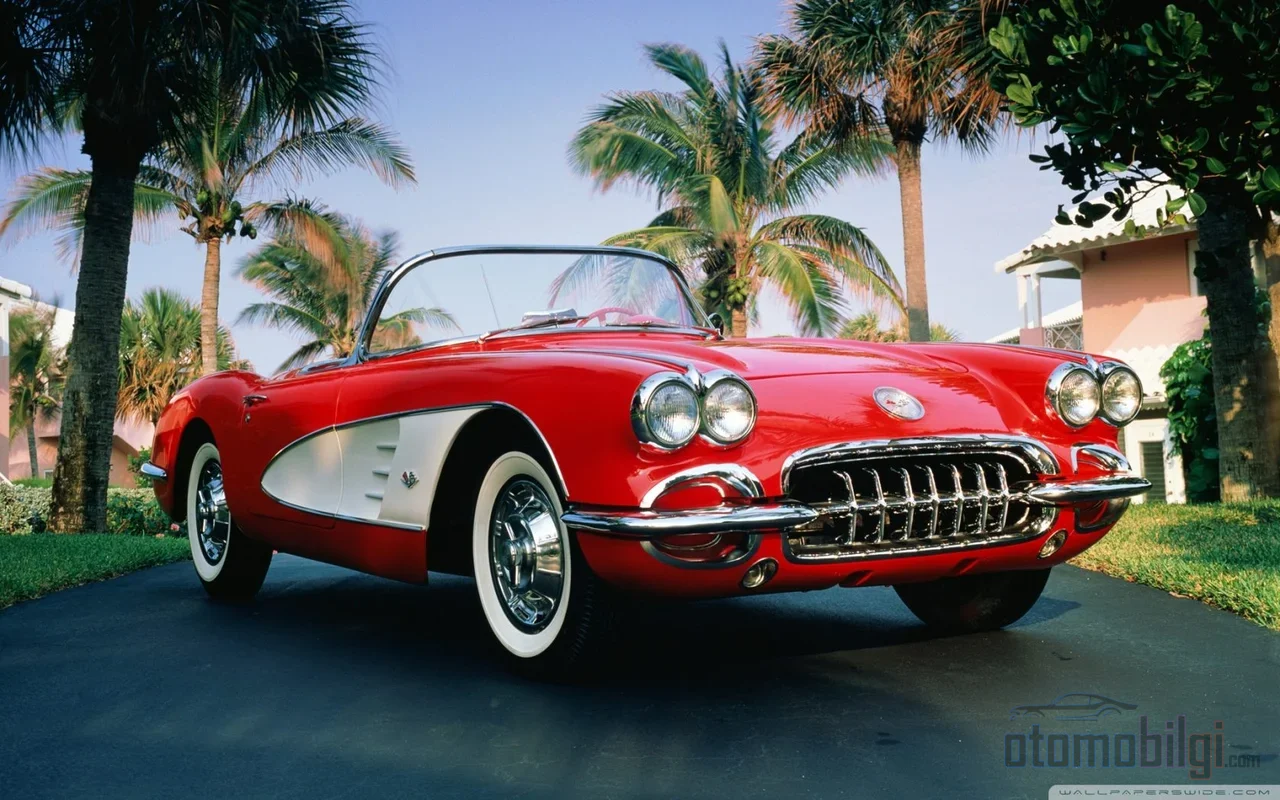
Insurance is the most misunderstood part of classic car ownership. Let's start from the basics: traffic insurance is legally mandatory and only covers the other party's damages . Comprehensive insurance (kasko) is optional; it secures your own vehicle's damages such as collision, fire, and theft. Up to this point, it's the same for every vehicle. With a classic car, things revolve around the logic of value.
Standard comprehensive insurance pricing is based on the monthly published kasko value list. This list has no breakdown by mileage, damage history, or cosmetic condition; for vehicles of the same type and model year, an average value is used as the basis. Now think about it: how meaningful is an "average market value" for a 50-year-old, hand-restored vehicle of which very few examples remain on the market? Not very. In a bad scenario, standard comprehensive insurance may assess the old car at a low value and pay compensation almost at "scrap" status. Yet your car carries collector value, and that value may be far above the average list.
This is exactly why classic car insurance is a separate product: it protects the vehicle's collector value and specially secures rare vehicles with collector value. In international practice, this logic is called agreed value, that is, the agreed value: at the start of the policy, the insurer and the owner jointly determine the vehicle's value, and in the event of a claim, payment is made according to this agreed amount, not according to a depreciated market value. A simple analogy: standard comprehensive insurance says "average price in the used listing" to your vehicle, while an agreed value policy says "your vehicle's true worth." When it comes to a classic car, the latter is the only right answer.
| Topic | Standard Comprehensive Insurance | Classic Car Insurance |
|---|---|---|
| Valuation | Monthly average kasko value list | Agreed collector value in the policy |
| Vehicle condition breakdown | Mileage, damage, and cosmetic condition are not on the list | The vehicle's original condition and rarity are the basis |
| Old vehicle risk | May make a low, "scrap"-like payment | Collector value is fully protected |
| Who is it suitable for | Vehicles in daily use | Collection vehicles kept out of daily use |
The Annual Cost of Classic Car Ownership: Realistic 2026 Figures
Now the part you won't like: the budget. In 2026, the total annual cost of owning a vehicle in Türkiye starts from the sum of the items at 100 thousand TL and can exceed 200 thousand TL. This general picture is also a baseline for classic vehicles, because items such as MTV (motor vehicle tax), traffic insurance, inspection and maintenance exist for every vehicle. The difference with a classic car is that the maintenance and parts side requires expertise and insurance is shaped according to its collection value.
Let's list the main items: traffic insurance is in the range of about 8-20 thousand TL , and parking 12-36 thousand TL varies within this range. Comprehensive insurance, maintenance and inspection are added to these; we gave the inspection fee above, for a passenger vehicle it is 3,288.84 TL. Also, don't forget the fines: traffic fines have increased in 2026; for example, the improper turn fine was 993 TL in 2025 and became 1,246 TL in 2026. If you don't spend much time in traffic with your classic car, these items shrink; but the garage, maintenance and insurance are your fixed costs waiting for you.
The Two Most Common Mistakes Beginners Make
First: using a classic-status vehicle for daily use. Among the status requirements, keeping the vehicle outside everyday use is explicitly listed. So getting the classic plate and diving into morning-evening traffic contradicts the logic of the status; it's a shame for both the car and its administrative position. A classic car is a car for enjoyment and collection, not a commuter car.
Second: not insuring the vehicle at its true collection value, but at its market value. The standard value list doesn't see your vehicle's uniqueness; on the day of damage, when you're left with the average figure on the list, you make up the difference out of your own pocket. The same meticulousness is needed when buying your vehicle: history, originality, mechanical condition, rust check, spare parts availability, insurance and restoration costs must all be calculated one by one. Whoever looks for a shortcut ends up paying the most in the long run.
Final Word: Don't Separate the Paperwork From the Garage Work
Classic vehicle ownership stands on two legs: one is grease, carburetors and weekend fun; the other is the age threshold, club membership, inspection calendar and an agreed-value policy. If you set up the second leg solidly, the first leg is lived with peace of mind. Know the requirements from the start, use your vehicle in accordance with its status and insure its value correctly - the rest is about the sound of the engine and the open road.
Sources
- How to Import a Vintage Vehicle? 2026 Guide
- Classic Car Import 2026
- TOSFED National Classic Car Rules 2026
- Frequently Asked Questions - Classic Car Club
- Frequently Asked Questions and Answers - Ministry of Transport and Infrastructure
- Frequently Asked Questions - Vehicle Inspection Guide
- How Often Is a Vehicle Inspection Performed?
- Casco Value List - Türkiye Insurance Association
- Classic Car Insurance
- Do I Need Agreed Value for my Classic Car?
- Average Annual Cost of the Vehicle
- The Cost of Owning a Car in 2026
- Things to Consider When Buying a Classic Car
- Traffic Fine Fees 2026