How Much Does It Cost to Own a Classic Car Per Year?
Share This Page
Feeding a classic car for a year ranges roughly from a few thousand lira to tens of thousands of lira per year depending on the vehicle and how it is used; insurance, maintenance, inspection, storage and unexpected breakdowns are the main items. So even if you have saved up the restoration budget, the job is not done: the real expense shows up in the annual bill of keeping that car on the road. So how much is this bill in realistic figures? Come, let's break it down together.
Highlights
- The average classic vehicle insurance premium in the UK is 154.59 GBP/year; in the US the typical range is 200-600 USD.
- In Türkiye, the 2026 passenger vehicle inspection fee is 3,288.84 TL.
- 82% of classic owners keep their vehicle in the garage at home; only 3% use professional storage.
- An extra share equal to 10-20% of the restoration budget should be set aside from the start for unexpected expenses.
- Only 8% of owners buy a classic for investment purposes; 70% prioritize driving pleasure.
How much is the annual cost of ownership, and what does it consist of?
Let's clarify one thing from the start: the annual cost of classic car ownership is not a single figure, it is a budget table. The main items are: periodic maintenance and oil changes, insurance, inspection, storage, tire and battery renewal, and those famous surprise breakdowns. Set your expectations accordingly. According to a comprehensive survey of owners in the UK, 26% of classic owners spend under 500 GBP per year (excluding insurance), 36% spend 500-1,000 GBP, and 24% fall in the 1,000-2,500 GBP band. So the largest group keeps up this hobby with a budget of around 500-1,000 GBP per year.
In fact, the logic that the less you use it, the less you spend works quite well here. In the same survey, the average annual mileage of classic owners is 837 miles, or about 1,350 kilometers. The car mostly comes out of the garage for pleasure; it is not a daily commuter vehicle. This significantly reduces fuel and maintenance costs compared to a car driven daily.
Classic vehicle insurance: how does it differ from regular comprehensive coverage?
The most important concept on the insurance side of the classic vehicle world is agreed value, that is, agreed value insurance. Think of it this way: with a normal car, when an accident occurs, the insurer takes the vehicle's current market value as the basis and applies depreciation each year. With classics it works in exactly the opposite way; you determine the vehicle's value together with the insurer in advance, and the policy preserves that value. Since classics often gain value rather than lose it, a depreciating policy can leave you exposed.
How is the valuation done? For vehicles above a certain value, most insurers require an independent appraisal. Let's add that your restoration invoices, parts documentation and photos also come in handy: documentation is a serious asset in this process. An owner who documents the restoration work can have the vehicle's value assessed using these documents.
So how much is the premium? The figures vary by country and vehicle, but the picture is encouraging. As of 2026, the average classic car insurance premium in the United Kingdom is £154.59 per year. And here's an interesting detail: the older the car, the lower the premium. While a classic from the 1940s costs around £89 to insure, a modern classic from the 2000s can cost up to £296. Driver age also plays a role; the most expensive bracket is ages 25-34, and the cheapest is 65-74. On the US side, classic car insurance typically ranges from $200-600 per year, and policies offering low annual mileage plans are common. Low mileage is the main reason classic insurance makes sense.
Keeping a classic in Türkiye: inspection and current figures
On the Türkiye side, the clearest figure is the inspection fee: in 2026, the periodic inspection fee for passenger vehicles is 3,288.84 TL. Needless to say, those with classic plates should be prepared for this expense. When we look at the overall cost of vehicle ownership, the picture gives us a scale even for our hobby: the annual cost of keeping a brand-new car on the road in Türkiye starts from 100 thousand TL and can exceed 200 thousand TL; general estimates including fuel, mandatory traffic insurance and maintenance point to a range of 150-180 thousand TL. It's normal for a classic to fall below this range, since it doesn't burn that much fuel in daily driving and is used at low mileage; but don't forget the price comfort of new cars when it comes to spare parts and expert labor. So the statement 'a classic is cheap' isn't always true - the truth is 'a classic spends in other ways'.
And let's be honest: some annual cost estimates specific to Türkiye are hard-to-verify data taken from social media posts. That's why the healthiest approach when building a budget is to base it on reliable, up-to-date fees (inspection, insurance) and allocate shares for other items according to your own car.
Storage: where will your car live?
Here's the good news: 82% of classic owners keep their car in a private garage at home, and in most cases that's sufficient. 11% keep the car right outside their door, and only 3% pay for professional storage. So if you have a garage, that means you've got the biggest expense item for free.
But not everyone has a suitable garage at home, especially in big cities. In metropolises like Istanbul, there are companies offering enclosed, humidity-controlled, 24/7 secure storage services with battery charging support for classic cars. Platforms that mediate rented garages and parking areas are also an alternative. The cost of these services is a matter of preference depending on your car's value and your comfort level; but a dry and secure area pays off more than it claims to in terms of rust and interior upholstery.
| Storage option | Who does it make sense for? | Point to watch out for |
|---|---|---|
| Private garage at home | The standard solution for 82% of owners | Pay attention to humidity and battery health |
| Outside the door / open area | 11% of owners | Weather conditions are the riskiest option for the car |
| Professional storage | 3% of owners, those without a garage | Humidity control, security and battery charging support should be sought |
Tires, battery and surprise breakdowns: the items that really burn a hole in your budget
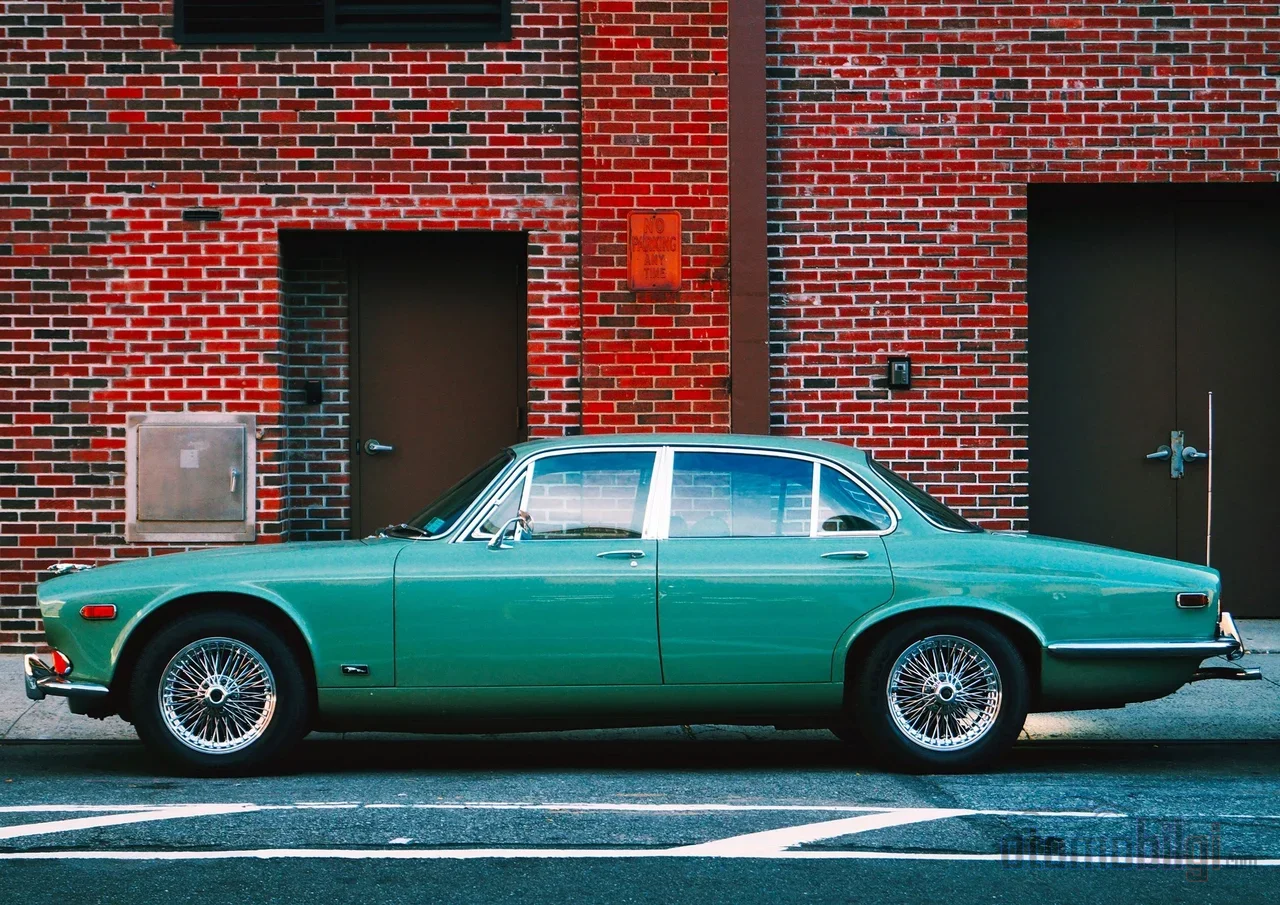
Classic car maintenance is more frequent and more laborious than with an ordinary car. What's more, the hidden cost isn't just money, but time as well: devoting your weekend to an oil change, a brake check and sorting out the old habits of the electrical wiring is part of the nature of this hobby. In Europe, servicing for a classic car typically ranges from 150 to 500 euros; in Türkiye, depending on the mechanic's labor and parts availability, it's possible for this item to go even higher.
As for unexpected breakdowns... Classics are unpredictable. When you head out for a calm weekend drive, the cooling system, transmission or brake line may greet you with an unexpected surprise. The common advice of experienced owners is this: alongside insurance, storage and average maintenance, add an 'unexpecteds' line item too, and structure your budget that way from the start. A similar rule applies on the restoration side; setting aside an extra share of about 10-20% of the estimated budget is a point almost every expert agrees on. You can carry this same logic over to your annual operating budget as well.
Tires and the battery are a separate story. Driving few kilometers doesn't keep the tires brand new, but the tread depth does decrease; tires can crack due to age. That's why in a classic, it's the calendar, not the mileage, that determines tire life. As for the battery, it discharges itself because the vehicle sits in the garage; a battery maintainer or battery charging support at your storage spot is therefore a serious lifesaver.
Should you use it little, or a lot? The effect of mileage on the bill
53% of owners drive less than 1,000 miles a year, meaning under 1,600 kilometers; only 2% drive more than 5,000 miles. This usage pattern keeps insurance premiums and fuel expenses low. But there is another side to the coin: although a classic car isn't designed for daily use, a classic that is regularly started and driven stays in better condition in terms of its mechanical components keeping healthy than one gathering dust in a garage. Let's also add that mileage alone isn't what determines value.
Now let's come to the extreme example: if you use a 1970s classic like a daily driver and drive 8,000 miles a year, roughly 13,000 kilometers, the numbers quickly fall apart. On a model with average consumption, fuel cost alone can exceed 2,000 pounds a year. So the romance of taking your classic into daily traffic is lovely, but its bill is many times higher than low-mileage use that suits the natural rhythm of the hobby.
How do you build a realistic annual budget for a beginner?
'I can afford to buy it, but can I afford to keep it?' is the most honest question of this hobby. To answer it, structure your budget as follows: insurance premium + inspection fee + one year of maintenance and servicing + battery/tire allowance + unexpected breakdown fund. According to the UK survey, the owner distribution looks like this:
| Annual spending (excluding insurance) | Owner share |
|---|---|
| Under 500 pounds | 26% |
| 500-1,000 pounds | 36% |
| 1,000-2,500 pounds | 24% |
| 2,500-5,000 pounds | 10% |
| Over £5,000 | 4% |
Looking at the bigger picture, owners spend an average of £4,567 per year to protect and enjoy their vehicle. Since this average also includes rare and expensive models, it may be a bit high for an ordinary classic; the fact that the largest group of owners falls in the £500–1,000 range is the best proof of that. For a beginner, the healthiest approach is to start with a mid-level budget (insurance, inspection, basic maintenance) and revise it at the end of the first year based on actual bills. And remember: those who look at classics as an investment are in the minority; in 2026, only 8% of owners buy for this purpose, while 70% say it's for the joy of driving. 47% say they would not sell even if the value doubled. So think of this hobby as a place where passion is worth the expense; the numbers fall into place accordingly.
Final word: let the budget inform you, not intimidate you
Maintaining a classic car is both accessible and extremely enjoyable as a hobby, with a well-structured budget. Low mileage gives you advantages on insurance and fuel, while running the car regularly preserves its mechanical health; if you have a garage, your storage worries are largely solved too. Only one question remains: are you ready to build this budget and turn that first key? Which classic car expense surprised you the most? Let's talk in the comments!
Sources
- The Heritage Classic Car Report of 2026
- The true cost of running a classic car in 2026 - Classic Car Buyer
- The Hidden Costs of Classic Car Ownership - American Collectors
- Best Classic Car Insurance Companies of 2026 - CNBC Select
- Classic and collector car insurance - Hagerty
- Periodic Inspection, Insurance and Registration of Classic Cars - Otomobilgi
- How Much Is the 2026 Vehicle Inspection Fee? - Mapfre
- Owning a Car Is Now a Luxury: Annual Cost Exceeds 150 Thousand TL - SigortaSözcü
- Commercial Vehicle and Classic Car Storage Istanbul - Ekoda
- How Mileage Affects the Value of a Classic Car - Ideal Classic Cars