Why Is a Classic Car's History Worth More Than the Car Itself?
Share This Page
In a classic car, the real value is often hidden not in the body or the paint, but in the paperwork file: A car's history that can be proven as it left the factory - that is, document integrity, in short provenance - determines the price tag far more strongly than paint and polish. When you put two identical models side by side, the one with full service records, matching numbers, and a production certificate leaves its undocumented sibling far behind by a wide margin.
Highlights
- Vehicles with matching numbers can command a premium of 20-50% and above depending on the model.
- A well-maintained history file can increase the sale value of an ordinary classic car by up to 20%.
- Starting with the 1968 model year, a VIN stamp became mandatory; earlier vehicles are subject to different rules.
- For antique vehicle imports into Türkiye, the vehicle must be at least 40 years old by its model year.
What Exactly Does Matching Numbers Mean?
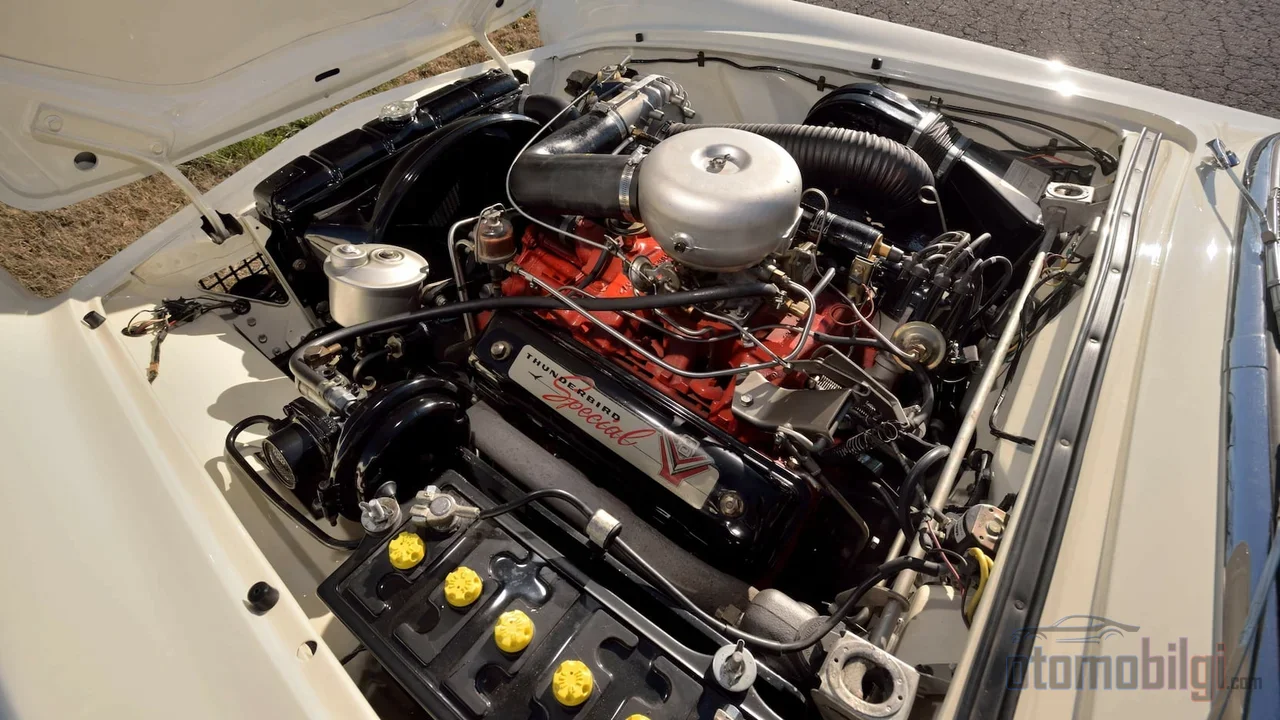
Let me explain it in the simplest way: If the main components of a classic car - such as the engine, transmission, and differential - that were on it the day it left the factory are still on the vehicle, and the serial numbers of these parts match the manufacturer's records for that car, the vehicle is called matching numbers. In other words, the car is still itself. Think of it like your phone still having its original battery and motherboard - if a part has been replaced, the device works, but its collection value drops.
The history of this practice is actually quite interesting. In 1960, Chevrolet started stamping each engine allocated to every car with a code derived from the chassis number; the numbers-matching concept was born exactly there. Then, in the 1968 model year, VIN stamping became a legal requirement in the US - to prevent both theft and fraud. But older vehicles, meaning those remaining from the 1930s-50s era, have no VIN stamp on the engine. For these vehicles, it is enough for the engine to be period-appropriate and from the correct date; this is called date-correct.
And here is a critical distinction that people often stumble on: date-correct and matching numbers are not the same thing. The engine's casting and assembly date may match the vehicle's production period, but if it cannot be linked to that specific car, you are looking at a date-correct engine, not matching numbers. If a seller confuses the two, keep your ears wide open.
Does It Make a Difference in Every Car?
To be honest: no. Matching numbers does not skyrocket the value of every vehicle. In an ordinary, low-spec model, an original ordinary engine has little effect; but in a powerful version of the same model - for example, an original V8 classic like the HQ Monaro GTS - matching numbers are the backbone of value and provenance. The horsepower race that began after 1954 led to the same model being sold with different drivetrains; and that is exactly why originality gained importance. If a single model has multiple engine options, which engine should be in that car is always a question worth asking.
How Do Documents Determine the Price?
Provenance, that is, a documented history; meaning that the ownership, maintenance, and milestones are all proven with paperwork. According to common estimates in the industry, matching numbers cars can command a 20-50% or higher premium depending on rarity and model. In addition, a good history file can increase the sale value of any classic car by up to 20%. The impact of service history varies between 5-25% depending on the type of record, brand, and age; the effect is greatest on premium brands. These figures are not peer-reviewed statistics but industry estimates - yet they all point in the same direction: documentation means money.
Let me make this concrete with an example. In early 2025, at an auction in Australia, a yellow XY Falcon GT that had been with a single owner for over 50 years, fully matching numbers, and never restored, sold for 236,000 Australian dollars including the buyer's premium. What carried the car to that price was not just the yellow color or its story; a chain of documents such as the build plate, radiator panel stamp, original books, dealer sticker, and official historic club report verified the car's story. The paperwork file is as much a subject of negotiation as the car itself.
Production Certificate: The Car's Birth Certificate
Cars also have an official birth certificate. These certificates, which are an exact copy of the factory record; show the vehicle's specification, identity number, and production date. For example, the British Motor Museum's Heritage Certificate service provides a certified copy of the factory ledger entry for a given chassis number. Volkswagen Classic Parts and Stellantis Heritage also offer similar certificate services; Porsche's COA document and the Jaguar Heritage Trust are also known examples for factory verification. Being able to write down the chassis number and request the car's factory record - in my opinion, this is one of the most satisfying steps in the classic world.
How Much Does Missing Paperwork Reduce Value?
The short answer: if you leave everything to verbal claims, no one is left with anything but the word of a seller telling a story. In high-value vehicles, the document set can become as important as the vehicle itself; because a serious buyer of a fully documented classic acts on evidence, not estimates. There are also exceptions such as engines replaced at the factory under warranty and stock blocks - but these are only accepted when documented.
And there is the fraud side, so keep your eyes open. As demand increases, the risk of misrepresentation also increases: restamped engines, partial matches, or presenting a period-correct engine as matching numbers are among the classic traps. The strange part is, factory stamps are not perfect anyway; they can be crooked, irregular, or in different fonts. So an overly clean, perfect-looking stamp is also a reason for suspicion.
I can summarize the verification checklist as follows:
- Consistency of the VIN with the registration and licensing records
- Body numbers (trim tag, fender tag, build sheet) supporting the VIN
- Legibility of the engine and transmission stamps
- Cast and assembly dates being earlier than the production date
- The existence of factory documentation such as a build sheet or window sticker
- Looking for signs of restamping or later-added tags
For American classics, there are professional authenticators like Jerry MacNeish, Galen Govier, or Marti Auto Works. But let me also say this: provenance is not an exact science. Factory mistakes, different fonts on different shifts, stamps on top of each other... No one can give a 100% guarantee.
The Role of Documents in Collectible Vehicle Registration in Türkiye
So what is the situation in Türkiye? When buying a classic car, document checks are critical here too; vehicle history, engine, transmission, and interior upholstery originality checks, expert inspection, and rust and body examination are among the basic checks recommended before purchase. The documents required for a vehicle sale at the notary are clear: the notarized sale contract, a tax clearance certificate, mandatory traffic insurance in the buyer's name, and the previous registration certificate. Alongside these, the registration document, ID, current periodic inspection certificate, and traffic insurance are also required. In registration transactions carried out through the Türkiye Notaries Union's ARTES system, the required documents vary depending on the transaction type and vehicle category.
If you are thinking of bringing a vehicle from abroad, things get a bit more complicated. For importing antique or collectible vehicles, the vehicle must be at least 40 years old based on its model year - but the vehicle's age alone is not enough. For temporary entry into Türkiye with a foreign-plated vehicle, the ownership document, i.e. the registration certificate, is required at customs; with a temporary entry carnet, the stay cannot in principle exceed 24 months. Residents of Türkiye, on the other hand, do not have the right to bring in a vehicle from abroad. When buying from abroad, you should budget around 300-700 euros for cross-checking VIN-registration and engine-chassis records according to the 2026 guides - worth it in my opinion.
How Should You Check the Documents Before Buying?
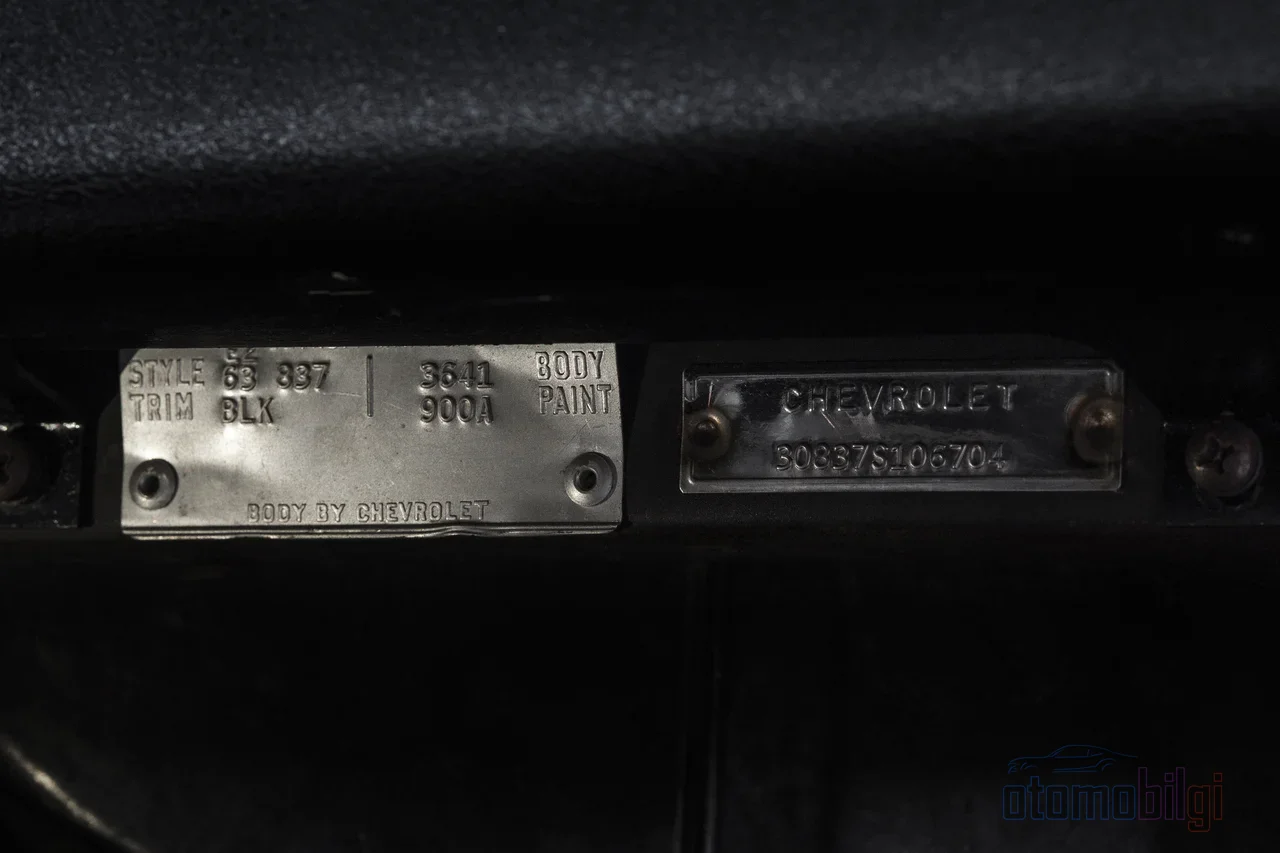
Since the heart of the matter is paperwork, let's turn this into practical steps. At the first meeting, ask for the file before the hood - yes, see the folder before the photos.
- Compare the VIN in three places: the VIN stamp on the body, the registration document, and if available, the production certificate. If all three match, the first door has opened.
- Examine the service history: Receipts, invoices, and regular maintenance records matter both for the vehicle's health and its value premium.
- Ask for its birth certificate: If the brand's official heritage service exists, try to obtain a certificate using the chassis number.
- Ask about the ownership chain: Previous owners, change-of-hands paperwork, sales listings, and recorded milestones verify the story.
- Watch out for suspicious stamps: If engine stamps look too clean or inconsistent, have them independently authenticated.
- Reflect missing documents in the price: If paperwork is missing, that is a defect; factor it into the negotiation.
One final truth: a car without matching numbers is not necessarily a bad car. A non-matching classic may offer more usable and less stressful ownership; only at collector level does originality command a premium. The restomod-versus-original debate also gets tied in the same knot: some buyers prefer originality, others prefer modern usability like upgraded brakes and injection. Neither is wrong - you just need to know what you are paying for.
Documentation Integrity Is the Essence of Everything
In the classic car market, you see metal, fabric and paint; but the price is often determined by invisible things: numbers, stamps, certificates and the chain of ownership. Matching numbers alone is not a magic formula - only when the VIN, body numbers, drivetrain, dates and documents all align does the car's story become credible. So when you set out on your next classic romance, let the first question come before the hood: where are the documents? If you are curious about similar topics in the classic car market, the site continues with other guides - pick what's left and keep reading.
Sources
- Matching Numbers Guide - Pedal to the Metal (PTTM Cars)
- How "numbers-matching" came to matter for collector cars - Hagerty Media
- MATCHING NUMBERS - VIP Automotive Solutions
- Guide to Authenticating and Verifying Classic Car Provenance - Ideal Classic Cars
- Service History Value Guide - ServiceStamp
- HISTORY MEANS MORE MONEY FOR YOUR CLASSIC CAR - Classics World
- 7 Factors That Affect the Value of Your Classic Car - Driven Racing Oil
- Why Documentation is Key for Your Classic Car's Value - AutoAppraisal
- British Motor Museum Heritage Certificates
- Certificate and Data Sheets - Volkswagen Classic Parts
- Classic Car Services - Stellantis Heritage
- Buying a classic car abroad: 2026 checklist - Oldtimer Studio
- Vehicle Registration System - Union of Turkish Notaries, Türkiye
- How to Import an Antique Vehicle? 2026 Guide - Gürdal
- Passenger Transport Vehicles - Ministry of Trade
- How to Sell a Vehicle at a Notary - Sigortam.net
- Things to Consider When Buying a Classic Car - Arabalar.com.tr