Tony Kart or CRG? The Difference Between Kart Chassis Brands
If you've stood in the pit lane and not looked at the karts passing by, that's impossible - you've definitely looked: one kart's nose cone is different, another's color, another's entire stance whispers a different character. Then someone next to you says there's no brand difference, they're all the same tube, while another says no, Tony Kart and CRG are completely different worlds. Which one is right? The short answer: both of them, sort of. On this page, we'll put the world's leading chassis manufacturers - Tony Kart, CRG, Birel ART, Kosmic, Exprit and their families - on the table one by one and discuss which brand suits which type of driver and which class. We explained how the setup is done on a separate page; here the main question is: which chassis should you choose?
Why Is the Chassis Brand Talked About So Much?
First, the basic fact: a kart has no suspension. No springs, no dampers, no wishbones - none of it. The frame built from tubes itself flexes to bring the tires into the right position. In other words, the chassis does what the suspension does in a car, with its flexing skeleton. Brand, model and setup; directly determine the kart's cornering character and forgiveness. That bundle of tubes under a kart does far more work than you think.
So how real is the difference between brands? I have to be honest here: some of the legends told in the paddock are exaggerations. The differences are real, but they're not the factor that makes the biggest difference; they come after a driver with clean fundamentals. Still, the difference between the right chassis and the wrong chassis can mean the front row versus the middle of the grid in qualifying. That's why this topic is worth taking seriously.
Key Takeaways
- Tony Kart, Kosmic, Exprit, Redspeed and EOS are produced under the same roof - OTK -; performance is nearly identical.
- Tube diameter determines the class: 28 mm for MINI, 30 mm for direct drive, 32 mm for KZ/KZ2.
- Tony Kart: easy to drive, excellent second-hand value; CRG: a reward for the experienced driver who loves tinkering with the setup.
- CRG's entire Racing chassis line renewed its FIA homologation for three years, for 2025-2027.
- The most practical rule: first the right class, then the right tire, then chassis nuance.
The Two Big Italian Families: OTK and the Others
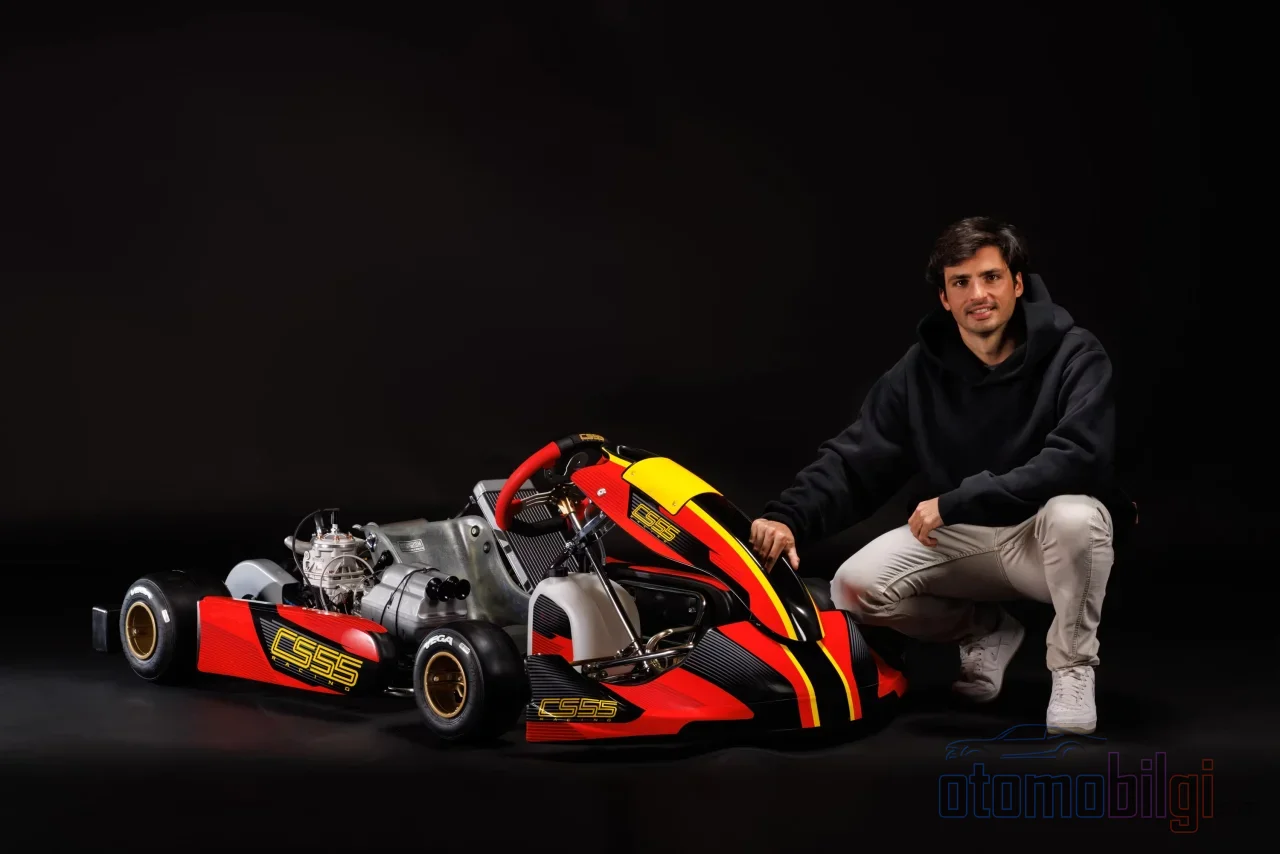
When you look at the chassis map of the karting world, the first thing you'll see is this: many brands actually come out of a single engineering center. OTK Kart Group has placed Kosmic, EOS and Exprit alongside its flagship brand Tony Kart; the group's chassis division designs and produces all of these brands in the same facilities. Kosmic has been in the group since 1996, and Exprit produces its entire product range in Italy, within OTK. So the technical difference between Tony Kart and Kosmic is negligible on paper; the choice mostly comes down to looks, price and team preference.
What does this family structure mean in practice? Finding spare parts becomes easier - OTK's service network is one of the widest in the world. Because it shares the same engineering, a less common OTK brand like Exprit can also offer nearly the same performance at a more reasonable price. LN Kart, a newer OTK brand, also comes out of the same production line; it carries premium engineering but its user base is still small.
Beyond the family, there are institutions with their own lineage. Birel ART is the continuation of a classic founded in 1958 and based in Lissone; with a world championship family tree, it is one of the main players on the international scene. CRG is known for its identity as a racing manufacturer; it has also made a name for itself in the USA with rental karts. On the Sodi side, the picture is different: it is known for rental karts but also produces racing chassis capable of competing at national level - 20 drivers from multiple countries will race in the 2026 KZ2 field.
Tube Diameter and Classes: The Real Starting Point of Your Choice
Before the brand logo, what you need to look at is the tube diameter, because it determines your class. The general rule is very clear: 28 mm tube for MINI and children's categories, 30 mm for direct drive series - OK, OKJ, Rotax, IAME X30, Rok - and 32 mm for geared shifter categories like KZ/KZ2. There are also mixed 30/32 mm designs in between; they offer a middle ground that works well on slick, low-rubber tracks.
A detail stands out, doesn't it? We said 32 mm for geared karts, but a 30 mm chassis can also be used in KZ - this is exactly what is sought when a softer, more fluid character is wanted on high-grip, heavily rubbered tracks. So the right chassis also changes depending on the track's rubbering. Chassis selection is not a question with a single right answer; it is a decision that takes shape according to conditions.
Should Class Priority Come Before Brand Priority?
It should. The most common mistake beginners make is investing money in an expensive chassis while thinking too little about class compatibility. Single-motor packages used in sequence - such as a strict homologation class - can be more instructive than an expensive chassis. The formula is simple: choose the class correctly first, then the tire, then the driver; let the chassis nuance follow. Buying a chassis for the logo is the most expensive emotional purchase in the paddock.
Which Brand Suits Which Driver?
This is the heart of this page. Let's match brands to driver types - but keep in mind, these are character tendencies, not destiny.
Tony Kart: The Door That Fits Everyone
Tony Kart has been one of the iconic names of Italian karting since the 1960s. Easy to drive, easy to adjust; it is cited as a reference in Rotax racing. Its biggest advantage is its resale value: it is one of the rare brands that protects your wallet when selling, because demand is always high. Its dealer and spare parts network is also among the largest in the world. The downside is that it is usually among the most expensive options. It serves a wide spectrum from beginner to professional; the top-tier Racer 401 T comes in single-speed, shifter and DD2 versions.
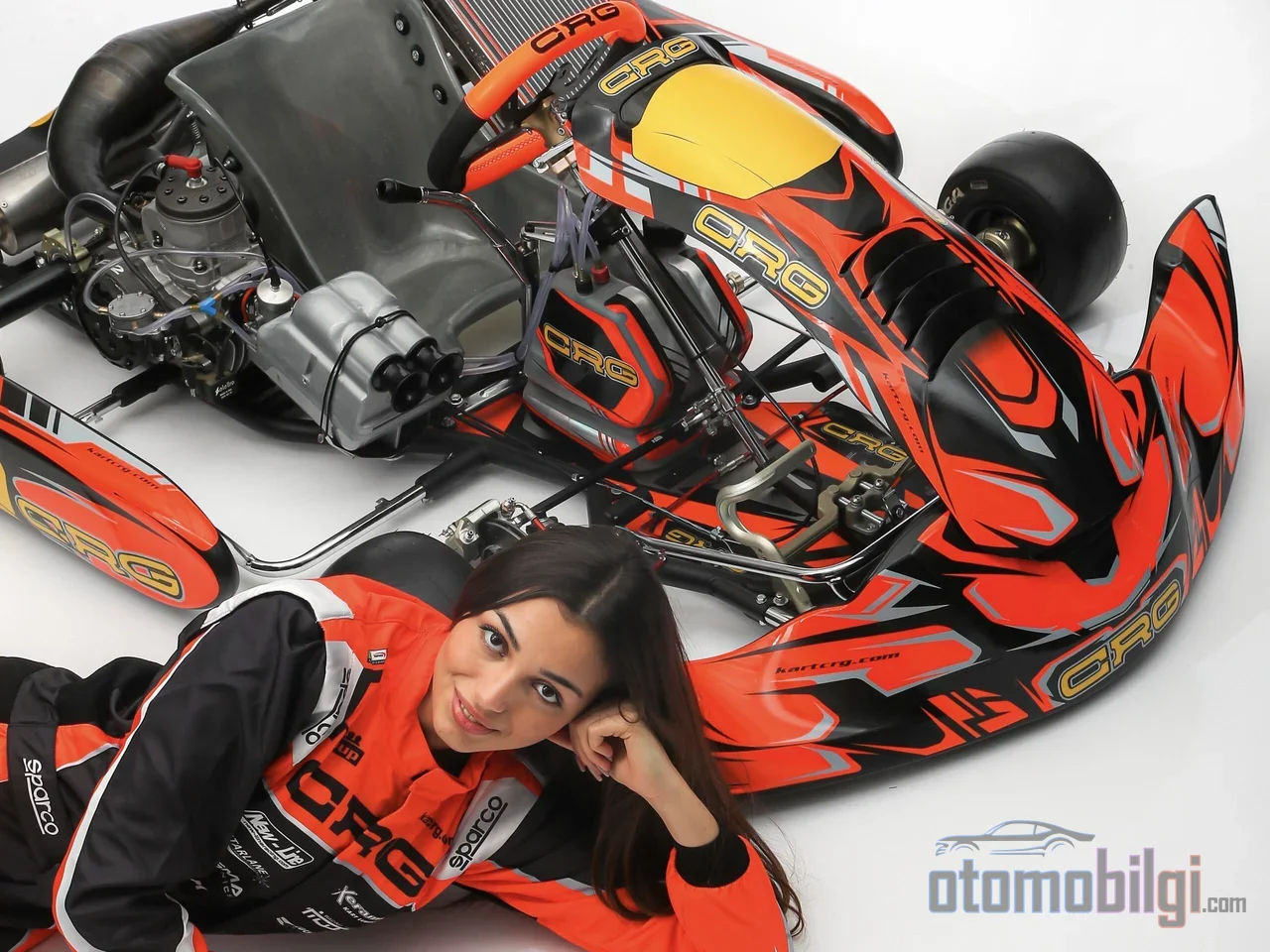
CRG: The Brand for Those Who Love to Play with Setup
CRG rewards drivers who enjoy engineering. Its forgiveness is low - it can be a stern teacher for beginners. But it offers serious pace to the experienced driver who loves fiddling with setup and developing the chassis. From 2025 onward, all Racing chassis moved to their new 507/509 fairings; optimized for aerodynamics and cooling. Shall we take a look at the model lineup?
| CRG Model | Tube Diameter | Suitable Categories / Character |
|---|---|---|
| Black Mirror | 28 mm | MINI; easy adaptability in standard setup, friendly to new drivers |
| KT2 | 30 mm | OK/OKJ, Rotax, X30, Rok; also an option in KZ with high grip |
| KT4 | 30/32 mm | The classic middle formula for slick, lightly rubbered tracks |
| KT5 | 30 mm body / 32 mm front | Very sensitive front end; for those who love playing with the setup |
| Road Rebel | 32 mm | KZ/KZ2; a multiple world champion, also usable in direct drive |
One note: The homologation of the old Hero model was not renewed in the MINI categories; only the Black Mirror can now be used. CRG's entire Racing line has had its FIA homologation renewed for 2025-2027 for three years - meaning these models will be the official faces of the coming seasons too.
Birel ART: Elite Performance for the Experienced
Some drivers find the Birel ART more setup-sensitive than OTK - meaning it's very fast when you find the right setup, and with the wrong one you fight it onboard (with the chassis, not the driver!). Fast and consistent; known for being easy to work with across a wide range of grip levels. The C28-S19, which serves as the Cadet entry, has been continuously developed over the years. In short: a brand for the experienced driver who wants elite performance and loves setup work.
OTK's Other Children: Kosmic, Exprit, Redspeed, EOS
I described Kosmic above - Tony Kart's sibling built with the same engineering, the choice mostly comes down to preference and team. Exprit makes a lot of sense for club and national racing: easy to drive, a wide setup range, the same Italian production at a more reasonable price than Tony Kart. Redspeed is an extremely competitive chassis that has won championships in Junior and Senior Rotax. EOS is less common; but it can win races when well prepared - its small dealer network is its only handicap. Exprit's top model, the Noesis T, is positioned as the benchmark chassis of the range and is still current in 2026. On the Kosmic side, the Lynx R has added new innovations while retaining its 32 mm tube.
The Other Row: Sodi, Praga, Kali Kart, Top Kart
If Sodi is a name you learned from rental karts, it also offers nationally competitive products on the racing chassis side. Praga is praised for stability and predictable handling - every driver knows the value of knowing in advance what the kart will do. Kali Kart is good value for club racing; the 2026 range has three models, and while the KK2 targets direct drive categories with its 30 mm tube, it can also be used in KZ on high grip. Top Kart's Dreamer X5 model, on the other hand, is a junior chassis designed for OK/OKJ and produced in Italy.
Soft or Stiff? On Chassis Character
The favorite topic of paddock conversations: which brand is stiffer? According to user experiences, the CRG has a stiffer chassis compared to the Birel; this makes it feel more stable and offers more grip. But let me stop here and be honest with you: these claims are driver experiences from forums that cannot be verified with official manufacturer data - judge for yourself, but don't treat them as gospel. The rumor that CRG's bodywork kit is more rigid than OTK's is in the same category.
Three things determine the chassis's character: tube diameter, material, and geometry. We talked about the effect of diameter above; the rest is each brand's own design school. The Tony Kart school is built on forgiveness and a wide range of use; the CRG school is built on precision and maximum performance. Which school suits you? You can only solve this on the track, with your own steering experience - a one-day rental or a team test is more instructive than reading a hundred forum pages.
The Second-Hand Market: Value Retention and Buying Checklist
Let's be real: karting is not a budget-friendly sport. That's why a second-hand chassis is a serious option. A new chassis comes with no surprises, full factory support, and the latest technology, but the price is high. A second-hand one is perfectly suitable for learning; the risks are wear and an unclear history. Real figures on prices: a Kart Republic OK/OKJ chassis can be listed second-hand for around €2,098, Ricciardo chassis in Australia go in the AUD 3,600-8,500 band, and in the UK a rolling chassis and engine package can be found for around £1,320.
As for the brand's value retention: Tony Kart is clearly ahead here - excellent second-hand value and a large pool of buyers make a difference at the moment of sale. Less common OTK brands like Exprit and EOS are advantageous when buying, but may require a bit of patience when selling.
When buying second-hand, the checklist is short and clear:
- Check the straightness of the chassis - look for dents, bends, and repair marks.
- Look at the wear under the floor tray; it tells you how much it has danced on the track.
- Ask about the brake condition and engine hours.
- Buy from a reliable seller or team; add spares like a trolley, chain, sprocket, and spark plugs to your budget.
So, The Final Decision: Tony Kart or CRG?
As promised, the clear answer comes at the end. Here's the short, quotable version: If you're a beginner, if you don't want to wrestle with setup, and if you want to preserve its second-hand value, go for the Tony Kart; if you're an experienced driver who loves developing the chassis and fine-tuning setups, and you seek precision over forgiveness, go for the CRG. For everyone in between, cosmic news: names like Kosmic, Exprit, and Birel ART offer different characters for the same money - Kosmic is Tony Kart's twin, Exprit its budget sibling, and Birel ART the weapon of setup lovers.
One last reality: in practice, chassis choice is mostly shaped by what your local dealer and local team support carry. If everyone around you uses OTK, OTK makes sense; if everyone uses CRG, CRG does - because the ecosystem where you'll find help in the paddock and borrow parts determines far more than the chassis's character on paper. The right question is not which brand is better; it's which brand works better in your conditions - in your class, your track, your ecosystem. Once you've chosen your chassis, it's time for setup; for that topic, visit our Kart Chassis Setup page. See you at the track!
Sources
- TONY KART - official brand page
- 2025 Racing Chassis Range - CRG official
- Birel ART Racing Kart - official
- Choosing a Kart - start-karting.com
- Kart Chassis Brands Overview - Music City Kartplex
- Tony Kart Racer 401T - KombiKart
- Choosing Kart Chassis - Reddit r/Karting
- Chassis Brand Differences - 4cycle Forum