Volkswagen's Scout Gamble Is Being Tested on the Assembly Line
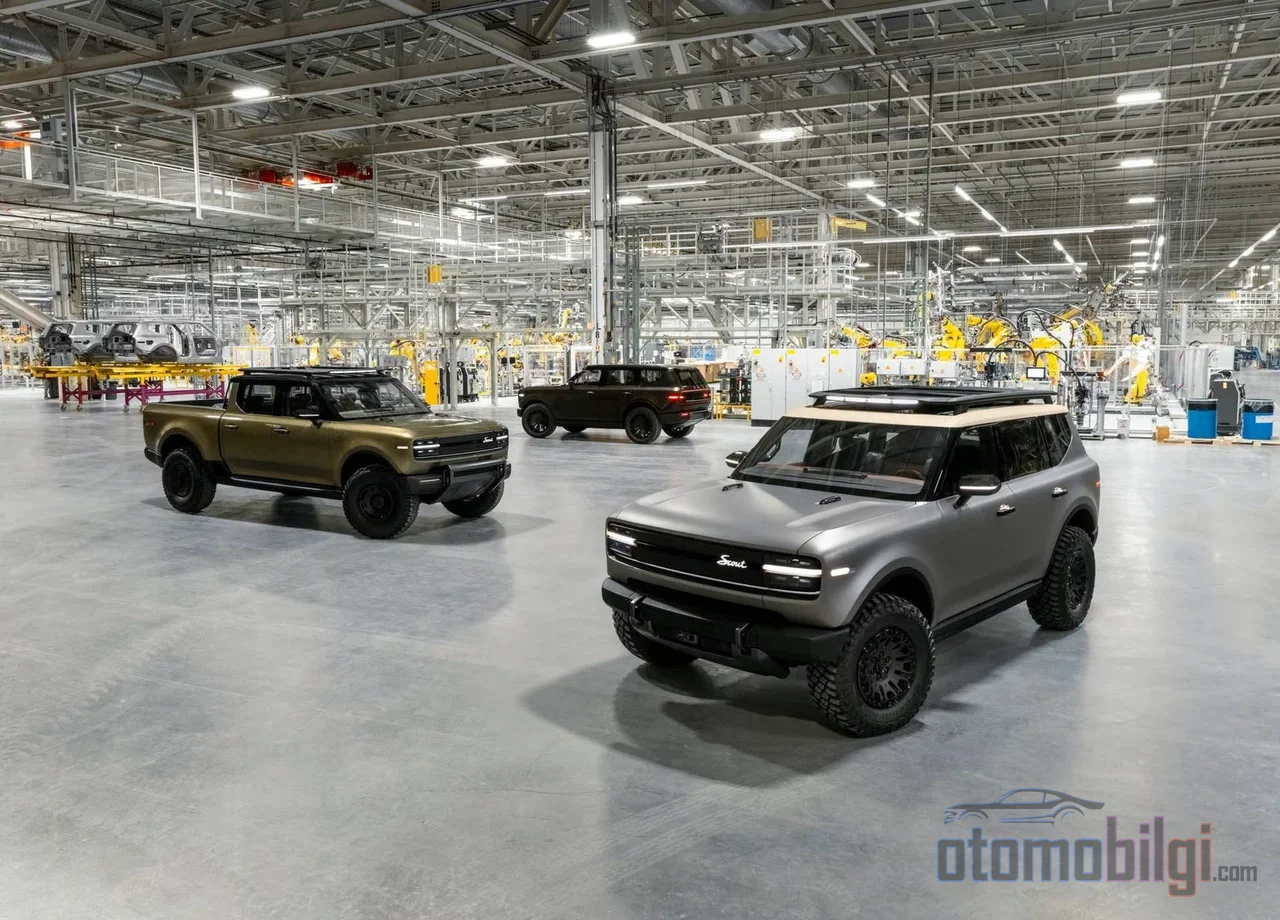
Whether an automobile factory is genuinely producing vehicles shows not in press releases but in the sparks from the body welding station. Scout Motors passed through exactly that point: At its $2 billion production center in South Carolina, the first factory-built vehicles, meaning validation production units, have started coming off the line. And the announced figure is a bonus: Total reservations for the Traveler SUV and Terra pickup have exceeded 212,000. Volkswagen Group's plan to revive this American brand that vanished into history thirty years ago now speaks not in presentation slides but in the language of the welding machine.
So what do these 212,000 reservations mean, on what schedule is production progressing, and when will customers receive their vehicles? The brand's roadmap, powertrain strategy, and the profile of its waiting customer base form the most interesting layer of this story.
Production Has Started: Validation Vehicles Coming Off the Line in South Carolina
The production center established in Blythewood, about 20 minutes northeast of Columbia, spans more than 1,100 acres, and 85% of construction is complete. The facility has now fulfilled its first function: the first validation vehicles built inside the factory will be used, as forerunners of the series, to test production processes, quality control, and equipment with real vehicles. The process, which began with the testing of the first welded Traveler body in the body shop in June 2026, shows that the line is no longer just being built - it is producing.
Scout's official calendar has three stages: validation vehicle production started in 2026, series production is targeting 2027, and customer deliveries are expected in 2028. CEO Scott Keogh also voiced the forecast that reservations could exceed 400,000 before customer production begins. The numbers are ambitious; so who is behind this demand?
Highlights
- Reservations for the Traveler and Terra have exceeded 212,000, with roughly 75% of them for the Traveler SUV
- Validation production has begun at the $2 billion factory in South Carolina, with construction 85% complete
- More than 85% of reservations are for the Harvester range-extender version
- Validation production in 2026, series production targeting 2027, and customer deliveries planned for 2028
- Starting price target in the US market is under $60,000
212,000 Reservations and 75% for the Traveler: The Anatomy of Demand
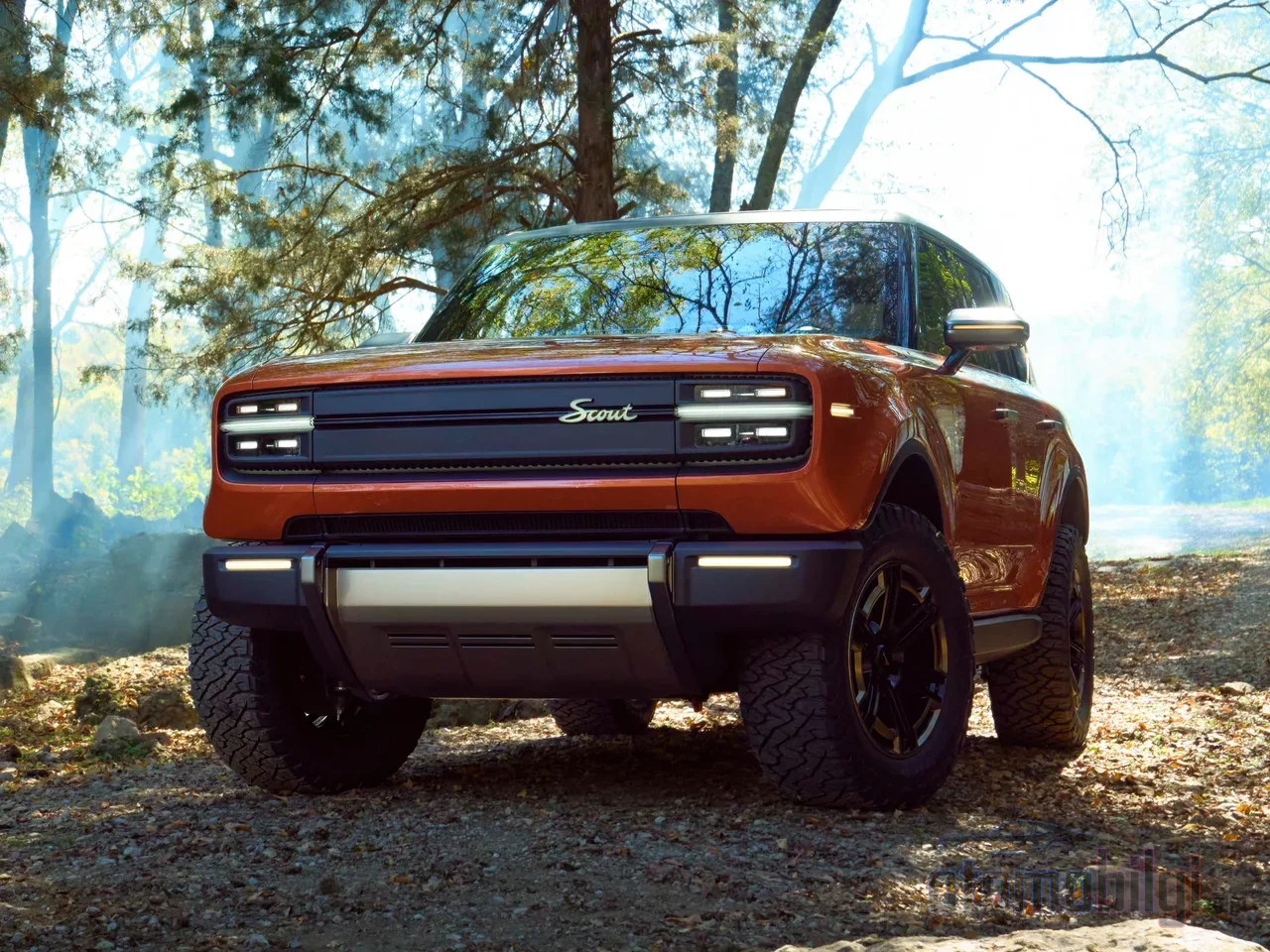
The trajectory of the reservation count summarizes the brand's momentum over the past year. The figure announced at over 150,000 in January 2026 passed 160,000 in March and reached 212,000 in November. A reservation is a $100, fully refundable pre-registration; meaning it is not a firm purchase commitment. Still, the trajectory shows demand growing steadily.
The split is striking: roughly 75% of reservations were made for the Traveler SUV; the SUV roughly passes the pickup two to one in early demand. This is a concrete indicator that the US market's center of gravity still lies on the full-size SUV side. It is also telling that a significant portion of reservation holders today are Ford and Jeep owners: Scout is pursuing a strategy aimed not so much at expanding the existing market as at attracting customers from rival brands.
Volkswagen's American Project: Why Did It Revive an Old Brand?
The Scout name comes from respected roots in automotive history. International Harvester was one of the brands that popularized the sport utility concept with its Scout models produced from 1961 onward. Volkswagen Group chose to use this legacy for its growth targets on the pickup and SUV side of the US market: engineering in Detroit, production in South Carolina.
A critical design decision is also hidden here. Scout did not use VW Group's other electric platforms; the Traveler and Terra were built on a completely new, independent body-on-frame structure, separate from the group's Audis and Volkswagens. Scout is positioned as an independent company that benefits from the group's manufacturing and engineering expertise. To me, this looks like a more cautious model, different from the international platform partnerships of the 1980s: the heritage brand's character comes before group synergies.
Why Did the Harvester Range Extender Become the Driver of Demand?
The most significant figure lies in the powertrain split: more than 85% of reservations are for the range-extender version called the Harvester. In the Harvester system, a gasoline engine runs not for propulsion, but as an onboard generator to feed the battery. Thus, the vehicle adds a range reserve, which can be replenished at any gas station, on top of an electric range starting at around 150 miles. The targeted combined range is more than 500 miles; the fully electric version's target is an estimated 350 miles.
This choice carries a message for the industry. In the US, the full-size pickup and SUV buyer is not distant from electrification, but concerns about charging infrastructure and range persist. In the past, electric campaigns offered the fully electric powertrain as the only path; now the market shows that the range-extender solution, abbreviated as EREV, is finding resonance in this segment. Scout also plans to start production with the Harvester version in line with demand.
The Traveler and Terra: Familiar Formulas, New Powertrain Systems
The Traveler comes as a full-size SUV with front and rear locking differentials and four-wheel drive. The Terra, on the other hand, enters the full-size pickup segment with a towing capacity target of 10,000 pounds. Both share the same body-on-frame platform. Horsepower has not yet been announced by the manufacturer; the powertrain was introduced with a target of approximately 1,000 pound-feet of torque. The performance projections are also ambitious: the fully electric version is expected to go from 0 to 60 mph in 3.5 seconds, and the Harvester version in 4.5 seconds. All of the range and acceleration figures are the manufacturer's internal targets; EPA figures will be clarified at the production stage.
| Feature | Fully Electric (BEV) | Harvester (EREV) |
|---|---|---|
| Target range | ~350 miles | 500+ miles (combined) |
| 0-60 mph target | 3.5 sec | 4.5 sec |
| System | Fully electric | Gasoline onboard generator |
Price, Timeline and Open Questions
The entry-level price target in the US market is under $60,000; according to the brand's account, incentives could bring that figure close to $50,000. The Tesla Cybertruck launching with more than a million reservations and then reaching far more modest delivery numbers is a well-known example that refundable reservations are not a guarantee of sales. Scout's 212,000 figure should also be read against this benchmark: a strong signal, but not yet a result. Despite rumors of delays on forums regarding the 2028 delivery target, the company issued a statement that things are proceeding at full speed.
The next milestone likely to come from the factory is the actual start of series production. At full capacity, the Blythewood facility could reach up to 200,000 vehicles per year, roughly 40 vehicles per hour. With the additional $300 million investment announced in September 2025, a supplier park is also being built at the site; approximately 1,000 additional supplier jobs are projected. With a target of more than 4,000 permanent jobs, the project is also a regional industrial move for South Carolina.
Conclusion: From Verification Production to Customer Deliveries
In short, the clear answer to the question is this: Production for Scout's Traveler and Terra has officially begun at the South Carolina factory in the verification vehicle phase; after 212,000 reservations, series production is planned for 2027, with customer deliveries in 2028. For someone who has been following this industry for thirty years, what is most striking is the direction of demand: With a share of over 85%, American buyers choosing the Harvester range extender show that the future of electrification in the full-size segment is tied more to flexible range than to fully electric. Volkswagen's gamble on reviving its American brand is now delivering its first real test on the assembly line.