Volkswagen and Scout Motors in Trouble in California
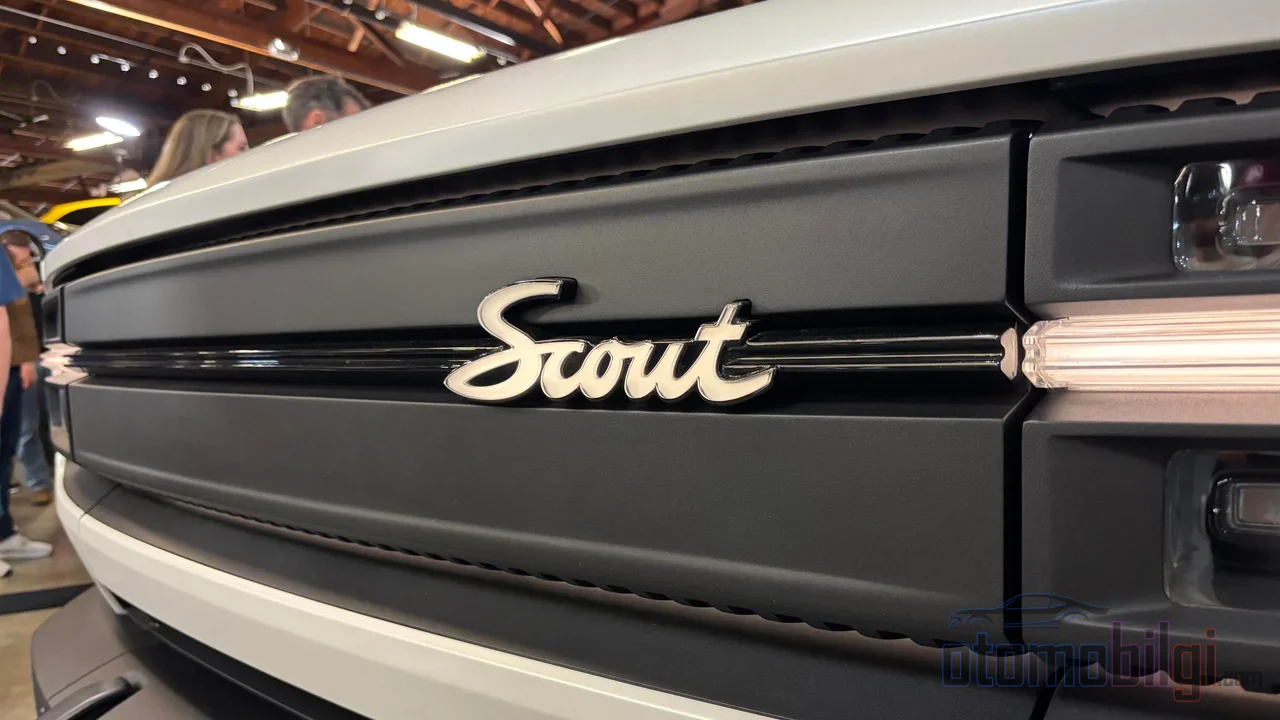
Volkswagen and Scout Motors have failed for a second time in their attempt to terminate the lawsuit filed by the California dealers association. Chief Judge Cynthia Bashant of the U.S. District Court for the Southern District of California denied the companies' request for judgment on the pleadings on October 22, 2026, and moved the case to the discovery phase. The ruling extends the legal dispute that has been ongoing in America's largest state over the manufacturers' direct-to-consumer sales model for at least one more round.
The interesting part is that the ruling is not based on any new legal ground. The court essentially repeated what it said in March - but this repetition itself matters for the future of the case.
Why Was the Court Ruling Denied: Law-of-the-Case Doctrine
Volkswagen Group of America and Scout Motors had applied for a legal dismissal of the case based on the written pleadings. The basis of Judge Bashant's denial rests on the principle known in U.S. law as law-of-the-case: once a court has decided a legal issue, that issue cannot be reopened in the same case unless a new precedent, new evidence, or a clear error is shown.
The court noted that the companies tried to revisit issues that had already been decided, such as the interpretation of California Vehicle Code § 11713.3 and the adequacy of the Unfair Competition Law (UCL) claims. Within this framework, the denial was an almost automatic outcome.
Highlights
- On October 22, 2026, a U.S. federal court denied VW and Scout's request to dismiss the lawsuit for the second time.
- The companies' first denial request was rejected in June 2026, and the motion to dismiss the case was rejected in March 2026.
- The lawsuit was filed by the CNCDA in April 2025; the law at issue entered into force on January 1, 2024.
- With approximately 1,200 dealer members, the CNCDA is the largest state dealers association in the U.S.
- Scout's target prices are below $60,000 at the entry level for the Traveler SUV and the Terra pickup.
What Does the Second Denial Mean?
This is the companies knocking on the same door for a second time. Their requests for judgment on the pleadings submitted in June 2026 had also been denied; this application came roughly three months after the court rejected the motion to dismiss the case in March 2026. In short, there is a defense line that advances by the calendar, not by the map - and the court cuts it off at the same point every time. The case will now proceed against Volkswagen Group of America and Scout Motors through the discovery phase.
Background of the Lawsuit: AB 473 and the Dealer Ban
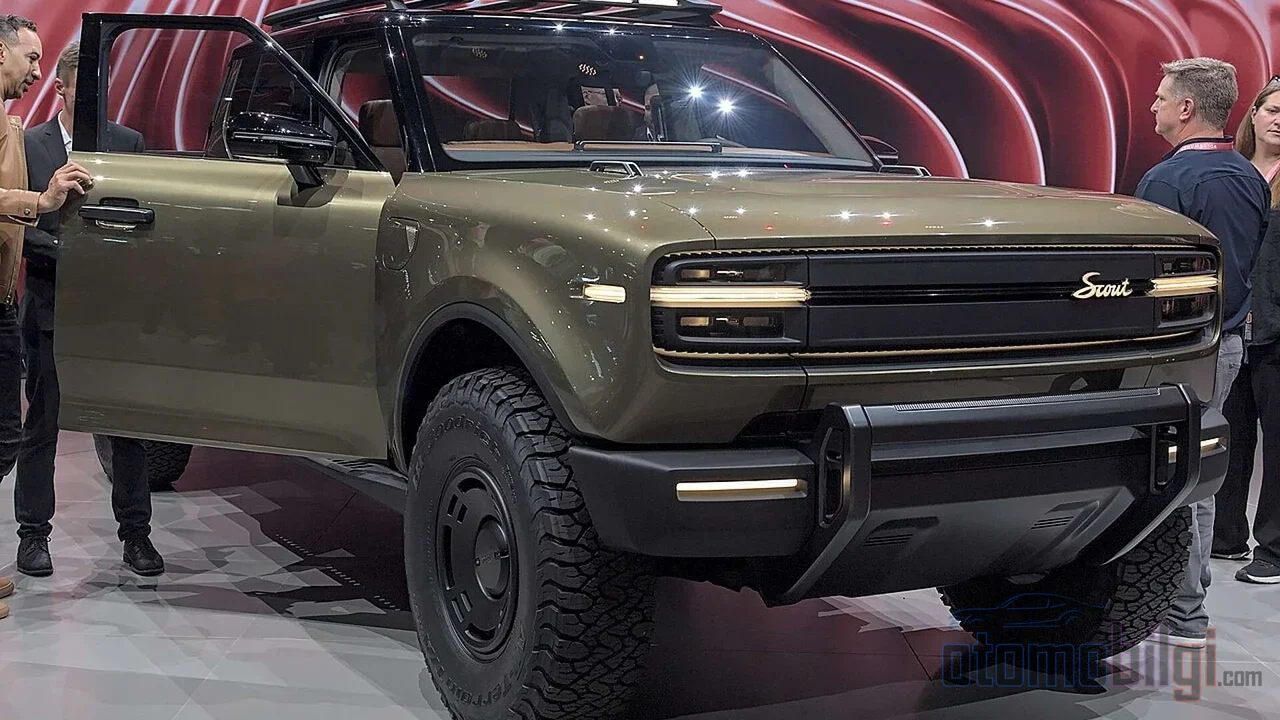
At the center of the dispute is California Assembly Bill 473 (AB 473), adopted in 2023 and effective as of January 1, 2024. This law prohibits manufacturers from competing with their own franchised dealers and was passed with the support of the California New Car Dealers Association (CNCDA). The CNCDA represents approximately 1,200 dealer members and more than 650 franchised dealer owners; Dealers in California sold 1.8 million new vehicles in 2025, providing employment for approximately 138,000 people.
The association filed the lawsuit in April 2025. During the same period, 14 California Volkswagen dealers filed a protest petition with the state's New Motor Vehicle Board. The claim is that VW is indirectly continuing the direct sales it banned through the Scout brand.
The Court's Comment: Indirect Competition Through an Affiliate
The court's ruling in March 2026 clarified its comment upholding the case: It was accepted that the prohibition on direct sales, or sales indirectly through an affiliate, in § 11713.3 covers VW's corporate relationship with Scout - regardless of whether VW actually directs Scout's behavior. This interpretation was confirmed once again in the October 22 ruling.
The companies' argument that the law would only apply after a completed vehicle sale had also been rejected in the past. The court stated that Scout's $100 reservation program constituted competition in the sale of new motor vehicles. It was also reported that Scout's general counsel had previously acknowledged that the competition clause in the 2023 law could prohibit the direct-to-consumer sales model in California. In March, the court found the company's objection justified on the grounds of lack of personal jurisdiction over Volkswagen AG, making the case sustainable only against VW's American operations.
The Parties' Defense Line and Ongoing Resistance
The defense on the VW and Scout front is clear: It is argued that Scout is a separate company and therefore does not compete with the dealers. Despite the latest legal defeat, the companies are signaling that they will not abandon the direct sales model. Scout Motors also petitioned the U.S. Department of Justice, calling for the repeal of state motor vehicle franchise laws.
On the other side, CNCDA wants the laws to be enforced. Association President Brian Maas argues that two rounds of legal battles have been repelled and that Volkswagen dealers are waiting for an opportunity to sell Scout vehicles, while VW is excluding them. The association's Chief Legal Officer Anthony Bento's assessment is along the same lines: the court reiterated what it essentially told the companies in March, because the defenses available in the first filing were resubmitted.
Why Is the $100 Reservation Considered a Sale?
This is one of the most technical aspects of the case. The court is of the view that the reservation program constitutes competition in the sale of new vehicles even though the vehicle has not yet been delivered. This interpretation also renders the defense that franchise rules would not come into play until a completed sale ineffective.
Who Did Scout and VW Find Themselves Against?
This is not only California's issue. In Florida, a group of dealers sued the companies, and in early March 2026 a class action status request was filed on behalf of two dealers. The plaintiffs are seeking a jury trial, monetary damages, attorney fees, and an injunction that would stop Scout's direct sales. Among the claims is also a violation of the Volkswagen Dealership Agreement, which stipulates that sales must be made exclusively through VW dealers.
In Washington, the state dealers association filed a lawsuit against Scout Motors, arguing that the case affects roughly 30 VW dealers in the state. In Colorado, meanwhile, the state Motor Vehicle Dealer Board granted Scout a dealership license for direct-to-consumer sales in December 2025, and the objection lawsuit filed by VW/Audi/Porsche dealers concluded in February 2026 with a ruling in Scout's favor. So the picture varies from state to state; The California ruling is interpreted as a signal for similar cases across the country, but each file is being evaluated within its own legal framework.
Why Is This Critical for VW's North America Strategy?
The legal uncertainty coincides with a period when Volkswagen Group is reshaping its plans in North America. The Group plans to shift its North American operations toward SUVs, pickups and durability-focused vehicles, and to cut its global model lineup in half. The Scout brand is the cornerstone of this strategy; Cupra, on the other hand, is on pause in the US. Scout vehicles will be produced at the factory in South Carolina, and the group is increasing its US weight, including a $4 billion Audi investment in Georgia.
In the past, a new brand would grow by building a franchise network in a market; now manufacturers hold the view that direct sales are more efficient in the digital age. As this dispute - excuse me, this competition - heads to court, Scout's announced target starting prices of under $60,000 for the Traveler SUV and Terra pickup show that the brand is playing for the mass market. The real question raised by analysts after the ruling is this: Will Scout ultimately be forced to switch to a working arrangement with dealers?
Where Is the Post-Ruling Process Heading?
To summarize: The California federal court rejected VW and Scout's motion to end the lawsuit for the second time, because the court was unwilling to revisit its earlier interpretation under the law-of-the-case doctrine. The file is now in the discovery phase; while the parties gather evidence, both the parallel lawsuits in Florida and Washington and the favorable license decision in Colorado are on the table.
VW and Scout appear insistent on direct sales; the CNCDA, meanwhile, has held the legal upper hand for two rounds. There is no final judgment yet - the court has so far only ruled that the claims are sufficient - but each round in California shifts the compass of the franchise wars in other US states a little further in favor of dealers. For someone who has been following this industry for thirty years, the picture is familiar: a manufacturer wanting to change the distribution model crashes into the set of state franchise laws. The Scout file will test, in the coming months through the discovery phase, just how solid that set is.
Sources
- Federal Court Denies Volkswagen and Scout Motors' Second Attempt to End CNCDA Lawsuit (CNCDA)
- Judge rules California lawsuit against Scout, VW to continue (Automotive News)
- Judge rules CNCDA lawsuit against Volkswagen, Scout can proceed (Car Dealership Guy News)
- California lawsuit against Scout over direct sales can continue (Automotive News, March 2026)
- Scout, VW Won't Back Down From Direct Sales Despite Latest Legal Setback (CarBuzz)
- VW/Scout Dealership Sales Class Action (Hagens Berman)
- Dealers file class-action lawsuit against VW, Scout Motors (Car Dealership Guy News)