What Is Checked in the Technical Inspection at Le Mans?
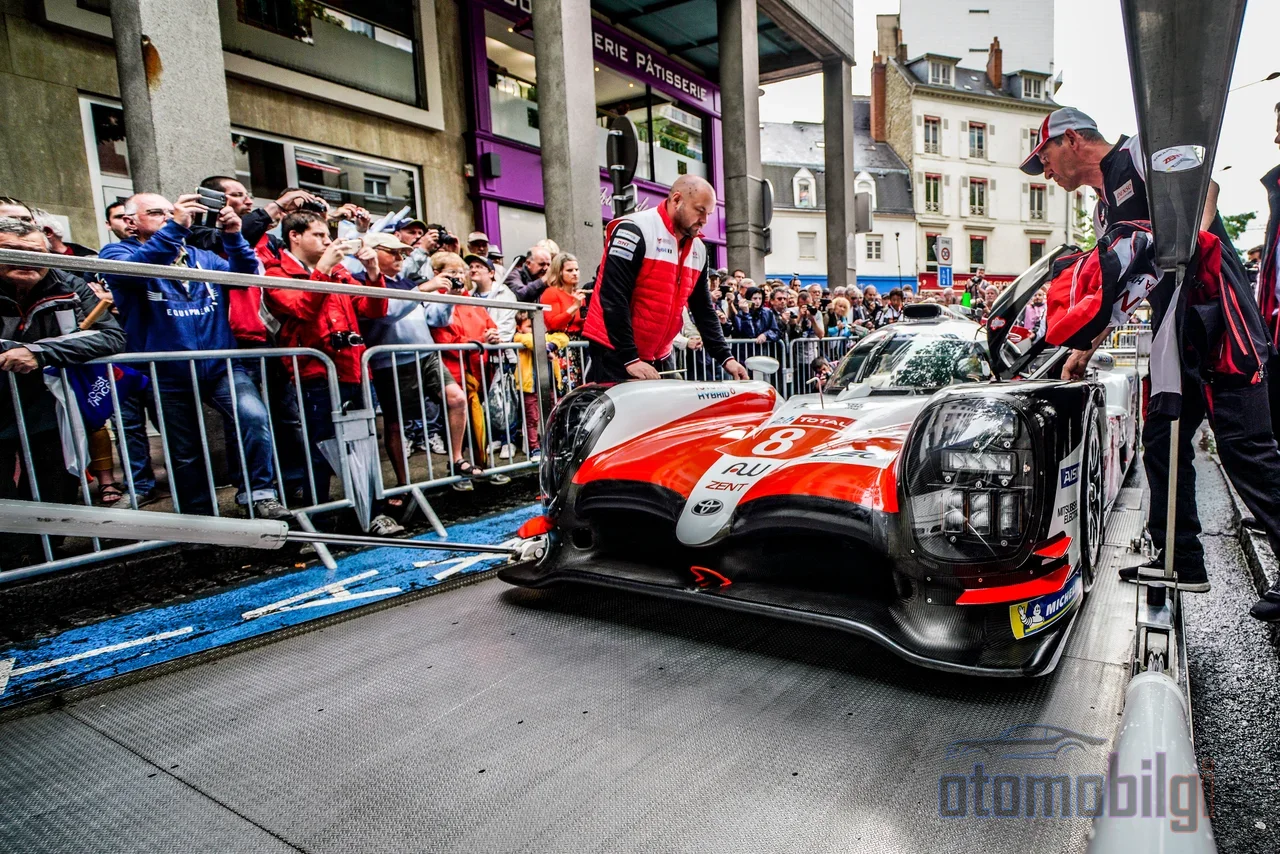
Just think for a moment: It's June, and you're right in the middle of Place de la République square in the city of Le Mans. Around you: 62 race cars, 186 drivers and a curious crowd. But no one is holding a flag, and the engines are silent. There is one question here that never goes away: These cars will pass down the Mulsanne Straight at 340 km/h, but before hitting the track, whom and what do they have to pass? The answer is Scrutineering, or in French, Pesage. And here's the nice part: even you, someone without a ticket, can get up close to the pulse of this process.
So why exactly does this inspection exist? Aren't the cars already multi-million dollar engineering marvels? The short answer: yes, but even millimeter-scale differences from the rulebook can turn into unfair advantages in a 24-hour race. That's why this business is far more serious than you might think.
What Is Pesage and Why Is It So Important?
Scrutineering means "mandatory technical and administrative inspections" in English; its French equivalent, Pesage, literally means "weighing." The name was not chosen in vain: the cars are genuinely, physically weighed. An inseparable part of the 24 Hours of Le Mans since the first race in 1923, this process runs for two days as the first major event of race week. All cars and drivers are presented to the ACO's officials, the scrutineers, and only the teams that pass these inspections receive permission to race. In other words, anyone who wants to take to the track must first pass through this gate.
Where Are the Inspections Held?
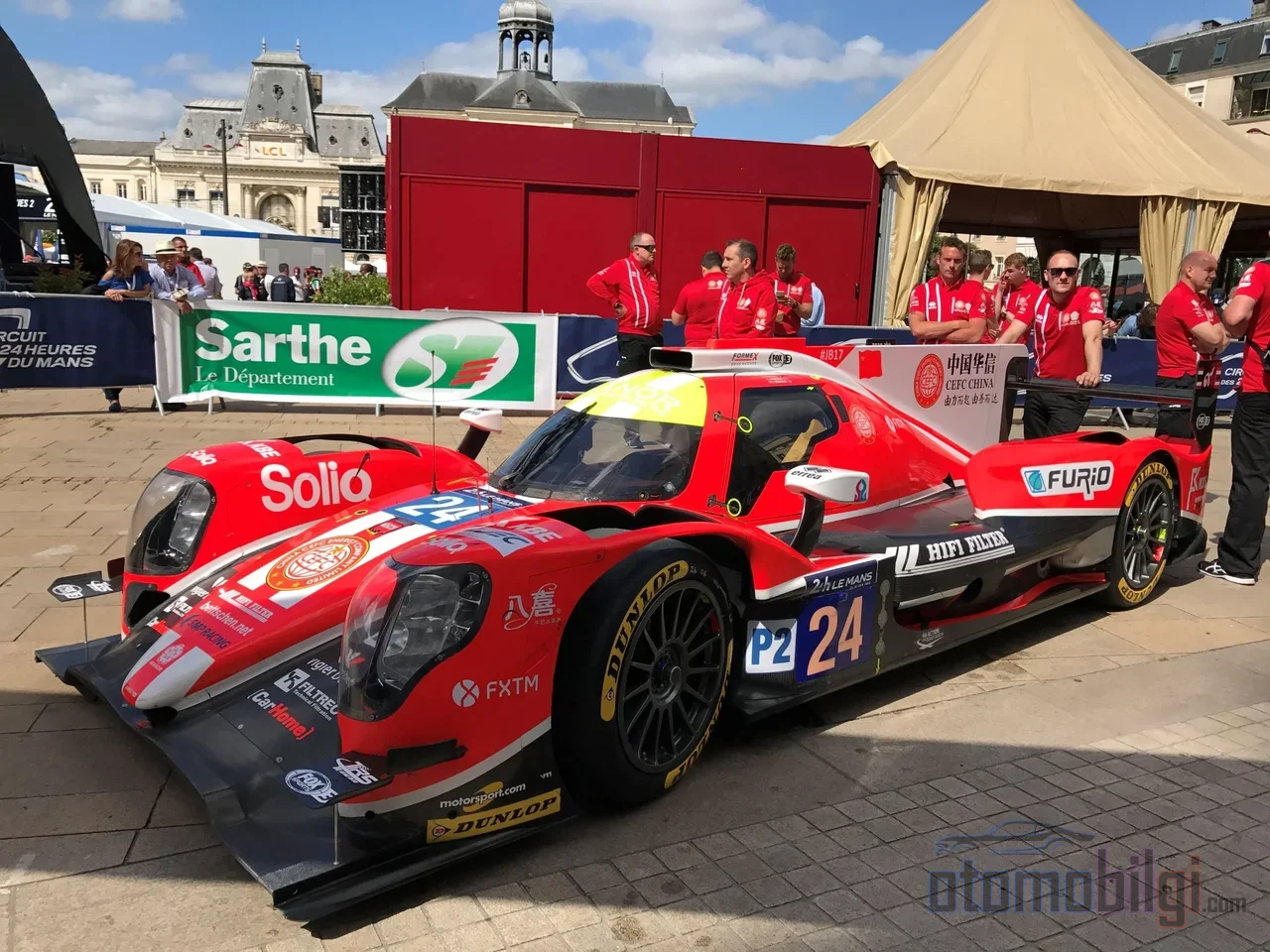
Since 2012, scrutineering has been a guest of the city center of Le Mans, not the Circuit de la Sarthe. On platforms set up in Place de la République square, the cars are measured one by one and the drivers are inspected one by one. The 94th in 2026. running in 2026: the inspections took place in the square on Friday and Saturday, 5-6 June, and the race was run a week later, on 13-14 June. While the technical inspections were being completed on Saturday, the program also included the arrival of the Ferrari and Toyota Hypercars and the car parade through the city streets; the next day, there was the Test Day on the track.
Highlights
- Scrutineering (Pesage), held every year since 1923, is the first major event of race week and lasts two days.
- Since 2012, the inspections have been held in the city center at Place de la République.
- In 2023, 62 cars and 186 drivers passed the inspection.
- The minimum weight of the Hypercar class is 1,030 kg.
- The event is free and ticketless; drivers sign autographs and pose for selfies.
What Is Checked on the Cars?
Now let's get into the technical side, because this is a full engineering X-ray. The process moves through three main stages, and each stage requires the previous one to have been passed.
1. Measurement and Weighing
The car is placed on a completely horizontal platform that also has a scale on it. Here, all critical dimensions such as width, length, overhang, axle distance and rear spoiler length are checked one by one. The stewards also map the body surface with 3D scanners and verify values such as wheelbase based on this map. Let's make a nice analogy: just like the height and weight measurement at school, but with millimeter precision, and what it determines is not a class promotion but race eligibility.
2. Underbody Check
The underside of the car is a subject of inspection in its own right: front and rear diffuser dimensions, the size and shape of the floor plate, minimum ride height and aerodynamic safety are all checked. However small the ride height may look, it can make a difference; that is exactly why millimeters are not negotiable.
3. Safety Elements and Electronics
In the third stage, the body is partially disassembled. Extinguishers, seat belts, the engine cut-off switch and lights are examined one by one. Whether the stickers are in the right place, the transponder working, and all the lights, including the diodes indicating a top-three finish in the class, are checked. The car's data-collecting "black box" unit is also rigorously tested.
Minimum weights by class also come onto the table at this stage:
| Class | Minimum Weight |
|---|---|
| Hypercar | 1,030 kg |
| LMP2 | 930 kg |
| LMGTE Am | 1,245 kg |
There is also a social side to it: individual and team photos are taken with the crews, and press conferences and autograph sessions are also squeezed into these two days.
Are Drivers Weighed Too?
Yes, quite literally. Drivers go through administrative control wearing their fire suits; their licenses, helmets and all equipment are audited for compliance with FIA standards. For helmets, the FIA 8860-2018 and 8859-2015 standards apply, and for HANS, i.e. FHR systems, the FIA 8858-2010 homologation standard is in effect. In other words, neither the protection on the driver's back nor the helmet on their head can enter the track without certification.
On the weight side, there is an elegant rule: an average minimum of 80 kg per driver is applied. This way, larger-built drivers are not put at a disadvantage; the driver's weight is subtracted from the car's weight during the checks in qualifying sessions. It is similar to the ballast logic in Formula 1, but here the human also steps on the scale.
What Happens to Those Who Fail Compliance?
Honesty is required here: even the slightest non-compliance can have serious consequences. The stewards are tasked not only with the preliminary check but also, throughout the race, with guaranteeing a fair and safe race behind the scenes. Steward decisions are also published in separate documents during the race; this shows that even minor infractions can be subject to disciplinary processes throughout race week. The cost of waging a millimeter war with the rulebook can be heavy.
City Parade: The Grand Opening
Alongside the technical checks, there is another tradition: the city car parade. In 2024, the nine brands in the Hypercar class did a lap on a route of approximately 2.1 km starting from Quai Louis Blanc and passing through Tunnel Wilbur Wright, rue Gambetta, Place de la République, Boulevard René Levasseur and Place des Jacobins; this route was twice as long as the previous year's. Historic guests are also present, such as the Bentley 3 Litre Sport, winner of the 1924 edition. In 2023, a lineup ranging from the car of the first race, a Chenard & Walcker, to the Camaro ZL1 from the Garage 56 project took to the squares.
Why Is It a Free Feast for Spectators?
Here is my favorite part. Scrutineering is completely free and ticketless; you don't need to buy a race ticket. In the square, you can get a closer look at the cars and drivers than anywhere on the track itself. Drivers sign autographs, pose for selfies, and press conferences take place. You can reach it by taking the T1 tram line from the city center and getting off at the Place de la République stop; around 3,700 covered parking spaces also await you downtown. So even if your budget falls short for race week, this event lets you soak up the Le Mans atmosphere to the fullest.
In summary: How Does Scrutineering Work?
The short and clear answer: The pre-race technical inspection at Le Mans is a mandatory check that lasts two days and takes place at Place de la République. The cars are measured, weighed, and their underside and safety equipment are inspected; the drivers' licenses, helmets, and all their FIA-standard equipment are checked. Permission to race is only granted at the end of this process, and everything is watched by the public, free of charge.
If you are in Le Mans next June, stop by the square as soon as you arrive in the city. Those two days, when the 340 km/h Hypercars wait calmly under bright white tents, on the scales, under the scrutineers' watchful eyes, tell the soul of the race just as much as the race itself.
Sources
- 24 Hours of Le Mans: scrutineering, how it works!
- Everything you need to know about scrutineering
- Scrutineering: How it works
- All You Need to Know - Technical Checks at Scrutineering
- All you need to know about the scrutineers' role during the race
- 24 Hours of Le Mans - 2026 Scrutineering Programme
- Le Mans Pesage (Scrutineering) in full swing!
- Scrutineering at Le Mans: A Historic Tradition
- FIA Technical Lists