When Should Brake Pads Be Replaced, and What Does It Cost?
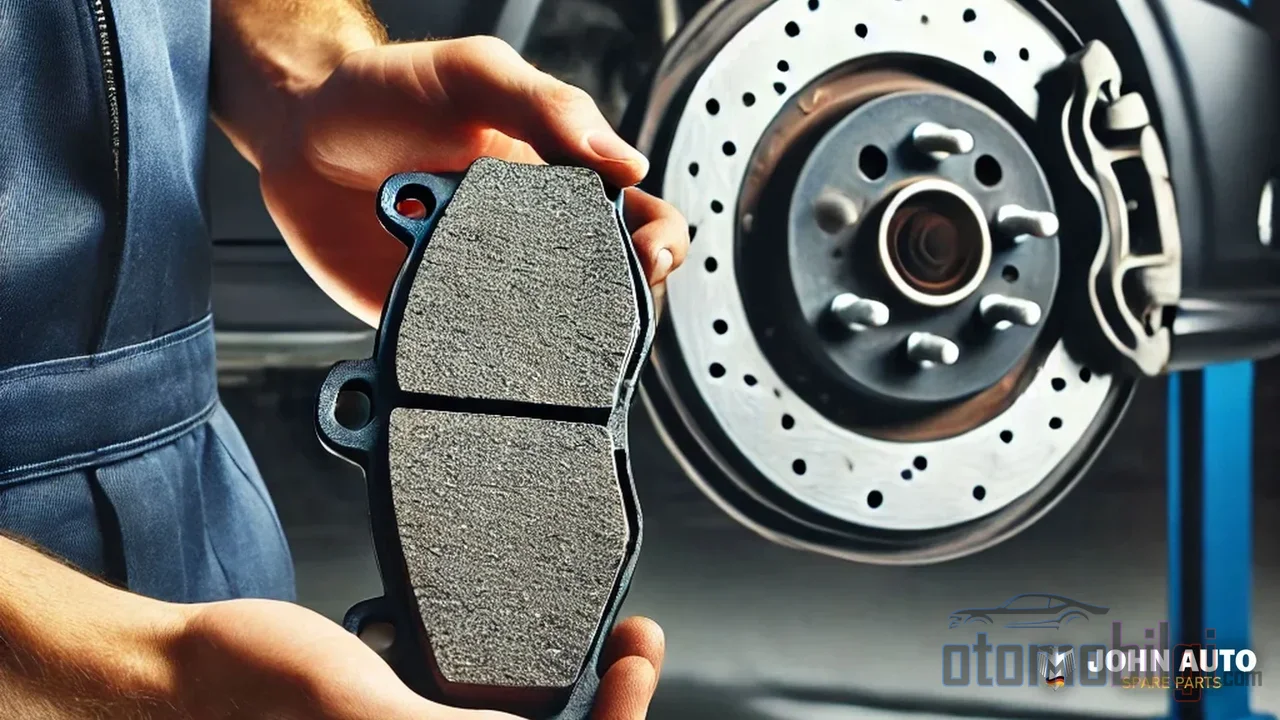
The most debated yet least planned line in the maintenance log is the brake pad. Everyone remembers the date of the oil change; the pad, however, quietly wears out without ever making itself felt, and one morning at an intersection it reminds you of itself with a sound you don't recognize. Sudden and hard braking, and aggressive driving, are among the fastest ways to wear out pads. replacing brake pads is not an expensive job - what is expensive is delaying it. Because when it runs out, it does not stay alone; it takes the brake disc down with it.
There is no clear mileage answer to the question "When should brake pads be replaced?", and the purpose of this article is to honestly explain exactly that. In this guide, you will find the factors that determine pad life, the signals a vehicle gives when the pads are about to run out, the long-term difference between cheap and quality pads, and how delay translates into damage to the disc.
What Do Brake Pads Do and How Many Kilometers Do They Last?
The pad is a safety component mounted on the wheels that converts the vehicle's kinetic energy into heat by rubbing against the disc when the brake pedal is pressed. In other words, every braking is a controlled friction, and every friction takes away a certain amount of material. That is why pad consumption is a running cost, not an accident expense - but when the friction material runs out, a metal plate takes its place, and that is the point where the expense changes category.
As for mileage life: the common assessment is that pads complete their life in a range of 20,000 to 70,000 km in most vehicles. For the front axle, 30-60 thousand km is often cited, and for the rear axle, 60-100 thousand km; but these figures flex considerably depending on environmental factors. This wide range is not a uncertainty, it is a reality: the same model of two vehicles can experience twice the difference in pad life in the hands of two different drivers. The right question is not "at how many thousand kilometers does it run out" but "how do I know how much is left".
Highlights
- Typical pad life is in the range of 20,000-70,000 km; mileage alone does not decide
- When the friction material drops below ~3 mm, replacement comes onto the agenda
- When the pad is completely worn out, the metal plate rubs against the disc; disc damage multiplies the cost
- Stop-and-go city traffic wears out the pads much faster than long-distance driving
- Not every vehicle has a pad warning light ; sound and pedal feel are what matter
Factors That Shorten or Extend Pad Life
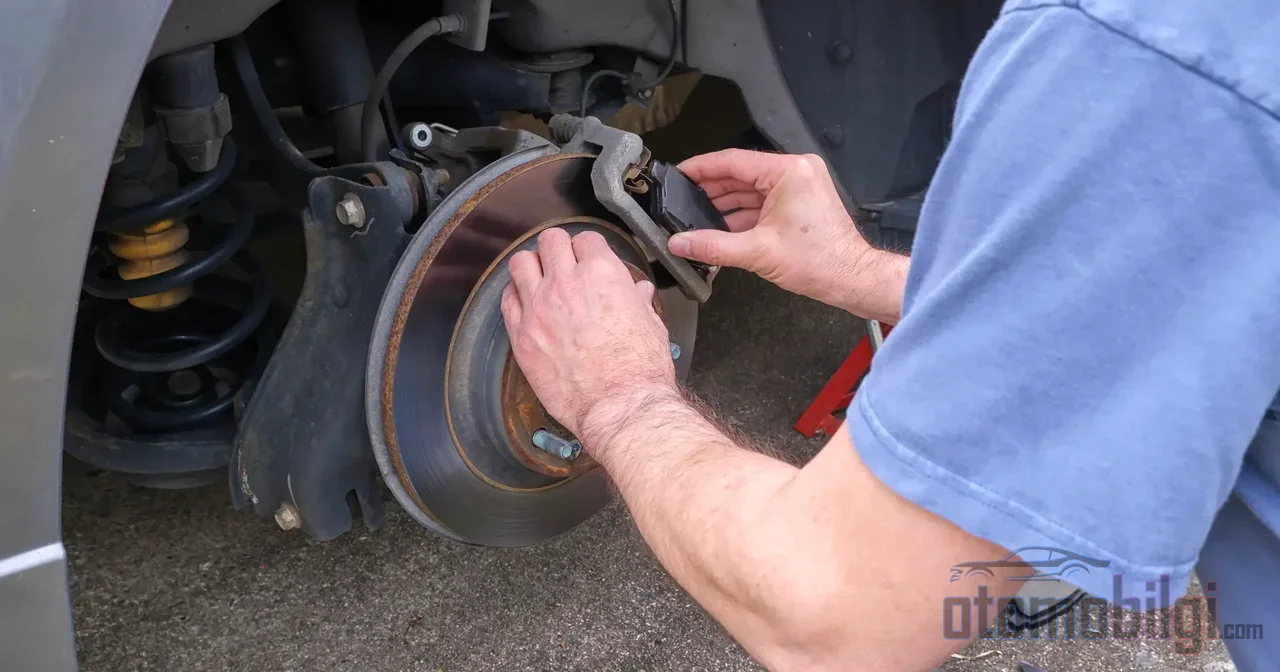
What determines pad life is essentially not the vehicle itself, but how the vehicle is used. The same part lives vastly different lifespans under different lifestyles.
Driving style and traffic density
Sudden and hard braking, along with aggressive driving, is among the fastest ways to wear out brake pads. Stop-and-go city traffic consumes pads much faster than long-distance driving; driving 200 km on the highway and doing 50 km in Istanbul traffic are not the same thing for the braking system. Anticipatory driving and making use of engine braking instead of braking at the last moment gains the pads unwritten kilometers.
Vehicle class, load, and road conditions
SUVs, commercial vehicles and vehicles exceeding two tons naturally place greater strain on the brake system; and the pads pay for that strain with their lifespan. Continuous braking on mountainous and hilly terrain increases heat and wear; carrying a load at the load capacity also stresses the system. Additionally, a worn or damaged disc consumes new pads fitted onto it faster than expected - the fate of the pad and the disc are intertwined. In mechanical problems such as a stuck caliper, the pad is in constant contact with the disc; excessive wheel heat and a burning smell are typical signs of this condition.
The Difference in Pad Types
The character of the three main types on the market differs from one another:
- Organic (NAO): Soft, quiet and gentle on the disc, but wear out quickly; they lose performance at high heat.
- Ceramic: Durable, quiet, low-dust and long-lasting; the cost is a higher price.
- Semi-metallic: Offer high braking performance but wear the disc down faster.
Why Do Front and Rear Pads Wear Out at Different Times?
During braking, the vehicle's weight is transferred toward the front axle; therefore the front pads do most of the work and generally wear out earlier. The rule is no longer that simple: electronic brake force distribution and especially regenerative braking in hybrid and electric vehicles can change this balance. Since regenerative braking takes part of the braking load away from the pads and transfers it to the motor/electric motor, the assumption that the rear pads will always last long is not reliable. Let's pin down one detail here: pads on the same axle are replaced as a set; new pads are not fitted to just one wheel.
How Do You Know the Pads Are Worn Out? Early Signs
The pads announce themselves to those who know how to listen to the car. Let's list them:
- Thin squealing or whistling sound: This is the wear indicator's first warning; a squeak when pressing the brake belongs to the same family.
- Thick, metallic grinding sound: The friction material has completely worn out and the metal backing is contacting the disc. This is no longer a warning but an alarm.
- Increased braking distance and weakening braking power.
- Pedal abnormality: Stiffening, softening, a feeling of play, or vibration in the pedal and steering wheel.
- The car pulling to one side when braking.
- Warning light on the dashboard: Note - not every vehicle has a pad warning light; the absence of the light does not mean safety.
A distinctive detail: the characteristic screech of the pads does not go away in the mornings, does not fade when warm, and is heard when you are not pressing the brake. Not every squealing sound means the pads are worn out; but a sound with these three characteristics tells you to take the job to a master. The numerical criterion is also clear: when the friction material drops below approximately 3 mm, replacement comes into question. The measurement should cover only the friction material, not the metal backing plate.
Why Does the Disc Get Damaged If the Pads Are Replaced Too Late?
Here is where the most commonly overlooked item in maintenance costs becomes expensive. When the brake pads are completely worn down, the metal backing plate behind them starts rubbing directly against the disc. Metal-on-metal contact wears away the disc, leaves permanent damage on its surface, and leads to a repair that requires replacing the disc. The result is simple arithmetic: replacing only the pads is usually noticeably cheaper than renewing the disc and pads together. Delay turns a small consumable expense into a large repair bill.
The opposite panic is also unnecessary: disc replacement is not always mandatory. If the disc thickness is above the minimum value set by the manufacturer and the surface shows no damage, new pads can be used without any problem with the existing disc. The decision is made with measurement, not with the eye. The reverse rule also applies: if the disc is being replaced, the correct approach is to renew the pads as well, with ones compatible with the new disc, for proper surface matching.
Cheap Pads or Quality Pads?
Brakes should be the last item you save money on - this is not a cliche, it is an engineering fact. Low-quality pads provide less consistent braking and wear out faster; in other words, the part that feels good to your wallet at the initial purchase both narrows the safety margin and pushes you toward an earlier replacement. Long-lasting, quality pads are somewhat more expensive upfront but offer an advantage in the long run. The criterion here is not the price tag but compliance with the manufacturer's specifications: a pad that does not match your vehicle delivers neither the expected lifespan nor the braking behavior. Despite the variability of the figures, the cost logic is constant: the price; varies according to brand and model, pad quality, front or rear axle, labor, and whether your vehicle has an electronic parking brake. There can be serious differences from shop to shop for the same job; clarifying the scope of the job you are asking about - pads only, or including the disc, and which axle - is the first requirement for understanding the bill.
After Replacement and the Maintenance Rhythm
A new pad may not achieve full contact immediately with an old or grooved disc. During the bedding-in period, the braking feel and heat distribution change; it is best to avoid hard braking in the first few kilometers. On the labor side:
- Replacing an axle usually takes between 30 minutes and 1 hour; an electronic parking brake, a seized caliper, or disc replacement extends the time.
- A basic brake check (pads, disc, caliper, noise) every 10,000-15,000 km is a reasonable routine; brake fluid maintenance is recommended every two years.
- The way to extend their life is clear: smooth and anticipatory driving, engine braking, avoiding overload, regular checks, and quality parts.
If you are inspecting a used vehicle, a physical thickness measurement, the condition of the discs, maintenance records, and a test drive will tell you the true state of the pads; the seller's statement that it has been "lightly used" is no substitute for a measuring tool.
Short Answer: When Should Brake Pads Be Replaced?
The promised clear answer: Brake pads are replaced based on their condition, not mileage; most vehicles last between 20,000-70,000 km, and it's time to replace them when the friction material wears down to 3 mm, or when noise or pedal feel changes. Use mileage as a guide, but let measurement and symptoms make the decision. Replacing brake pads on time is a small maintenance expense; delaying it is a bill that spreads to the disc and multiplies. The brake system is the only system in your vehicle that doesn't negotiate with you - the strategy of getting it done cheaply never works in the long run.
Sources
- At How Many Kilometers Should Brake Pads Be Replaced?
- How Many Kilometers Do Brake Pads Last?
- What Are Brake Pads? How Long Is Brake Pad Life?
- How Long Is Brake Pad Life? How to Tell When It's Worn Out?
- Brake Maintenance: Brake Pad Replacement and Brake Disc Replacement
- When Should Brake Pads Be Replaced? Warning Signs in Premium Vehicles
- How Long Do Brake Pads Last?