Who Does What in a GT Team?
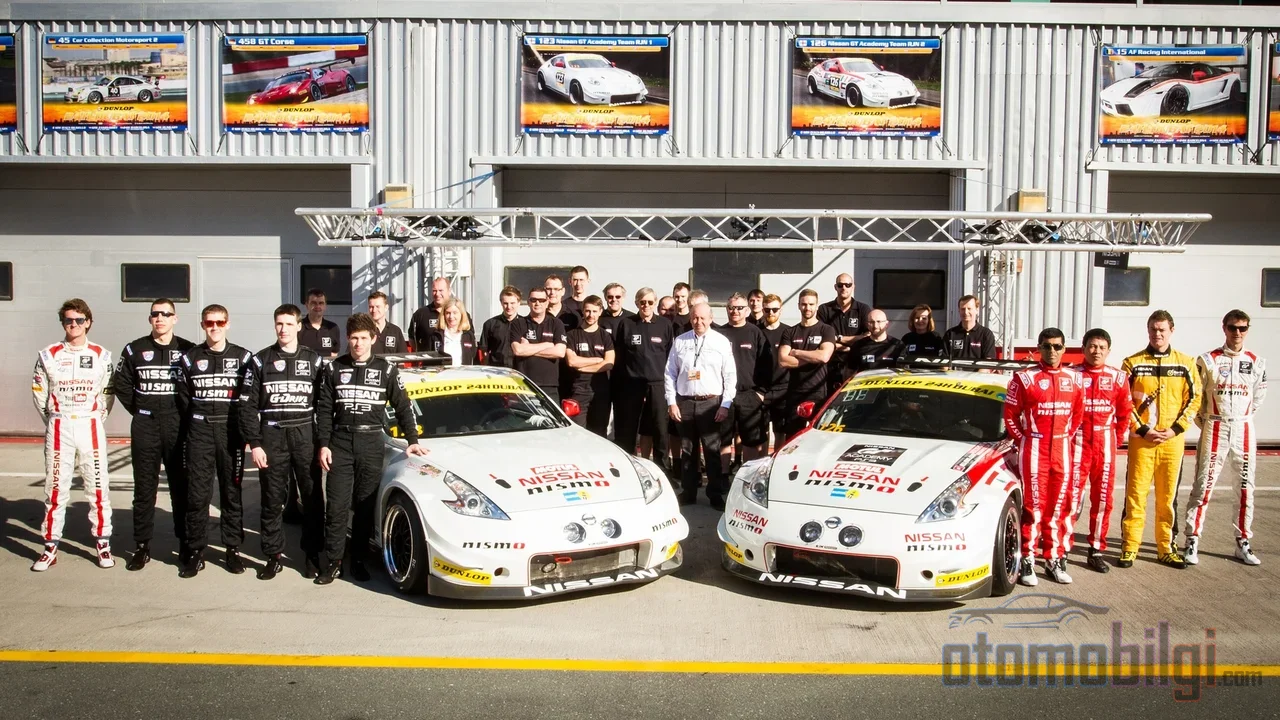
In that half second you lift your foot off the brake pedal, the car stops on track but the team never stops in the pit. The camera shows the driver on TV, and you assume GT racing is limited to two hands wrapped around the steering wheel. So what does that large crew behind the cockpit do, the one that carries even the world's best driver to the finish? The answer is hidden behind the pixels.
Race Engineer: The Voice on the Radio
When the driver puts on the helmet, the only connection to the outside world is the team radio, and the voice on that radio usually belongs to the race engineer. Over a season, that person is the team member closest to the driver; during the race, speaking from the pit, they relay strategy, rival positions and setup changes. Teams used to communicate information with pit boards; today the engineer can speak directly over the radio. But note this: radio messages are kept as simple as possible, because the driver's concentration is worth more than anything. So the engineer isn't chatting - they're essentially providing setup coaching.
So what happens before race day arrives? That's where the real work begins. Away from the track, the engineer analyzes data from past races and tests to determine the starting setup for the next event. Suspension, engine calibration, aerodynamics... they adjust all these variables by combining two sources: the telemetry data coming from the car and the driver's own feelings. Direct management of the car's mechanics, organization of the test calendar and compliance with regulations also sit on their desk. In fact, at moments when the driver cannot speak to the press, the engineer can face the media as the team's face.
Is this job done by chance? Almost never. The role usually requires an academic degree in engineering or a related field, and it means serious travel throughout a season. So that calm voice you hear on the radio is the visible tip of a mind that has been crunching data for weeks. So who collects all this data, who downloads it, who filters it? The answer is in the next heading.
Data Engineer: The Guardian of Telemetry
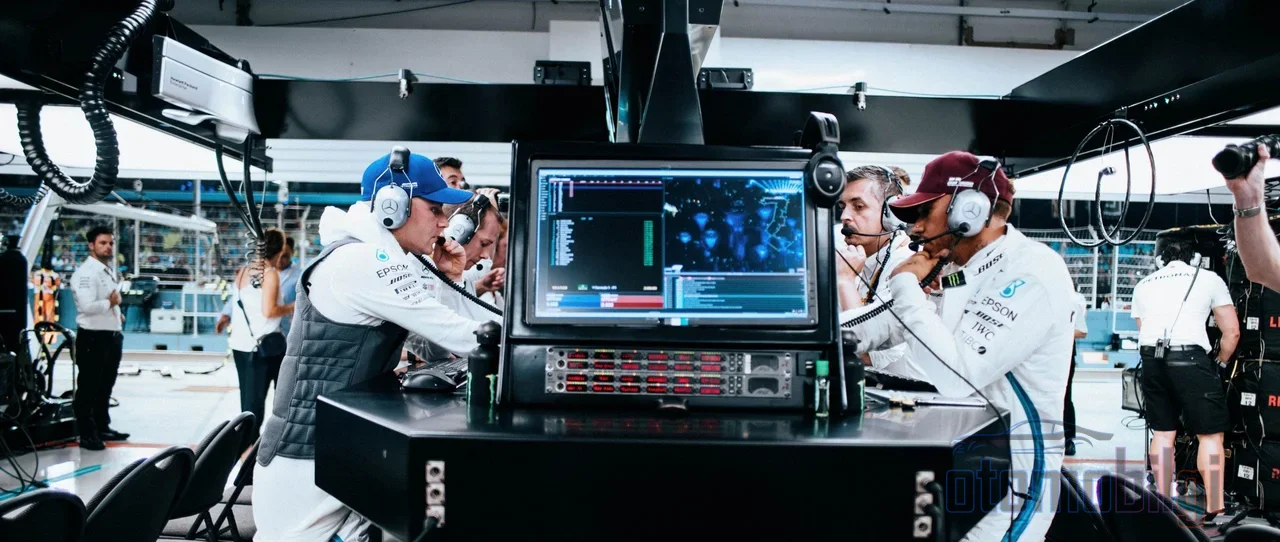
Think of a GT car as a giant bundle of sensors: speed, throttle, brake, engine health, tires, oil temperatures... All of it flows in real time to the computers in the pit lane through a system called telemetry. This live data stream shows engineers the driver's braking patterns, acceleration style and cornering technique; in other words, the raw material for targeted feedback comes from here. To put it in a family-friendly analogy: telemetry is like the car's black box, but instead of recording a single crash, it notes every lap in detail.
The data engineer is precisely the guardian of this flow. They analyze performance data and improve the car, set up and calibrate the recorded data, catch problems in vehicle systems early and help the race engineer deliver information to the driver. When the cars return to the pit, they download the sensor data; the information accumulated over the season is pure gold for transferring setups between tracks with similar characteristics. Here's the beautiful part: this role is often the entry gate into race engineering. For example, a driver can start as a data engineer in F3, gain experience in GT and endurance racing, and become a race engineer for a female driver within a few years. In small teams, here's the surprise: two roles can fall to the same person.
So do they only write reports? No. The data engineer even coaches the driver on braking distance, gear selection, corner entry points and throttle technique. The required toolkit is quite concrete: Python and C++ are almost standard requirements, plus data platforms like SQL and AWS, and industry-specific software such as Pi Toolbox or WinTAX. Add to these knowledge of vehicle dynamics and the ability to communicate with mechanics, engineers and drivers under pressure. In short, even this guy's girlfriend gets tired of Excel - there really are engineers who track a team's fuel consumption with an Excel-based calculator.
Highlights
- The race engineer combines telemetry with driver feedback, determines the set-up, and is the voice on the radio during the race.
- The data engineer downloads and analyzes sensor data; the role is often the gateway into race engineering.
- The chief mechanic is directly responsible for preparing the car and coordinating the mechanical crews.
- The team principal runs the race from the pit wall, sets the annual budget and conducts sponsorship negotiations.
- In Pro-Am lineups, a professional and a bronze driver share the same car; stints and pit strategy are the team's job.
Chief Mechanic and Pit Crew: The Hands Working Until Midnight
While engineers talk about corner points, who does the physical part of the job? An endurance racing team's mechanical crew usually consists of four people, ready during the race to fix and repair any problem with the car. A brake change, a damaged door, a cooling problem? They're the ones running along the edge of the track at that moment. This shows that a pit stop can be not just a tire-changing show, but a rescue operation.
At the top of the crew sits the chief mechanic. The definition is clear and simple: they are directly responsible for the preparation and construction of race cars and for the daily coordination of the mechanical crews. Months before race week begins, once the set-up process is underway, they provide the discipline for the crew that assembles the car piece by piece and turns it into a night shift. Reliable detail about the pit crew's detailed hierarchy in the GT world is limited; the general picture is that pit duties are mostly taken on from among the team's own mechanics. Rather than drawing made-up crew charts, it's enough to know this: in a 24-hour race, the mechanics are actually doing two jobs at once - building the car and keeping it alive.
Team Principal: The Decision-Maker Behind the Pit Wall
Now the most visible yet least understood figure takes the stage: the team principal. They run the race from behind the pit wall, and they're the name the cameras show the most. But don't let the appearance fool you; the real work starts long before the season begins. The team principal builds the annual budget together with department heads, defends it to senior management, and implements it throughout the year - all while balancing it within the limits set by the regulations.
A budget isn't just a series of numbers, really; the principal manages hiring and departures, conducts negotiations, and answers for every outcome. Sponsorship negotiations and efficient planning of resources are also part of budget allocation. Successful managers share a common reflex: evaluating every expense based on its expected return - does that new part or new crew member genuinely improve lap times? I think this question could be the subject of an entire engineering course, what do you think?
Pro-Am: How Does an Amateur Driver Enter This Giant System?
Here's the sweetest detail that sets GT racing apart from other disciplines: the door is open to everyone. The Pro-Am model pairs a professional driver with an amateur in the same car. Teams select drivers according to the FIA's classification: the professional side usually consists of names with Platinum or Gold ratings, while the amateur side is made up of gentleman drivers with Bronze ratings. Some series allow even broader lineups; for example, a triple combination like Bronze-Silver-Platinum can be seen in the GT class of an endurance series. The goal is always the same: balancing the lineups, in other words preventing one team from crushing the others with four factory drivers.
So where does the amateur driver stand in this machine? Right in the middle of it. The team has to manage stints and pit strategy; meaning engineers take the amateur driver's laps just as seriously as the professional's. This model gives amateurs a chance to compete at the highest level - someone who is a businessman in normal life can race through the night at Spa on the weekend. Manufacturers also feed this ecosystem: some brands' selective driver programs support developing pilots through one-on-one mentoring with former factory drivers. So that invisible crew grows not just the car, but the driver himself as well.
Summary Table: Who Does What in a GT Team?
| Role | Core responsibility | Where on race day |
|---|---|---|
| Race engineer | Sets the set-up, combines driver feeling with telemetry, guides the driver over the radio | Pit wall |
| Data engineer | Downloads and analyzes sensor data, catches problems early, coaches the driver | Computers in the pit lane |
| Chief mechanic | Vehicle preparation and assembly, daily coordination of the mechanical teams | Pit box |
| Mechanics (about 4 people) | Fixing and repairing problems on the car during the race | Pit box / pit lane |
| Team principal | Budget, hiring, sponsorship negotiations, race management and accountability | Behind the pit wall |
As you can see, a GT team is not a pyramid, but a clock: no gear turns without touching another. When the driver presses the brake pedal, there is a sensor that reads how hard that brake is being applied, a data engineer who reads that sensor, a race engineer who turns the data into a setup, a chief mechanic who prepared the car, and a boss who planned the budget for all of it. Dozens of people are actually running the GT race at the same time; the one at the wheel is just the most visible runner. Next time, pay attention to that crowd in the pits outside the cameras, and let's see which roles you can tell apart live?
Sources
- Race engineer
- In Profile: The Race Engineer
- In Profile: The Team Principal
- Data Engineers: The Hidden Engine Behind Race Performance
- Racing Talk: What Is A Data Engineer?
- Race Engineer, Pit Crew and Strategy Jobs
- Roles in a WEC Team? - Racing Gold
- Chat GT3: How Are Classes Structured?
- The Key To Driver Training | Pro-Am Endurance Racing
- The F1 Team Principal: A Career Guide