Why Did MirrorLink Die? The End of Phone Mirroring
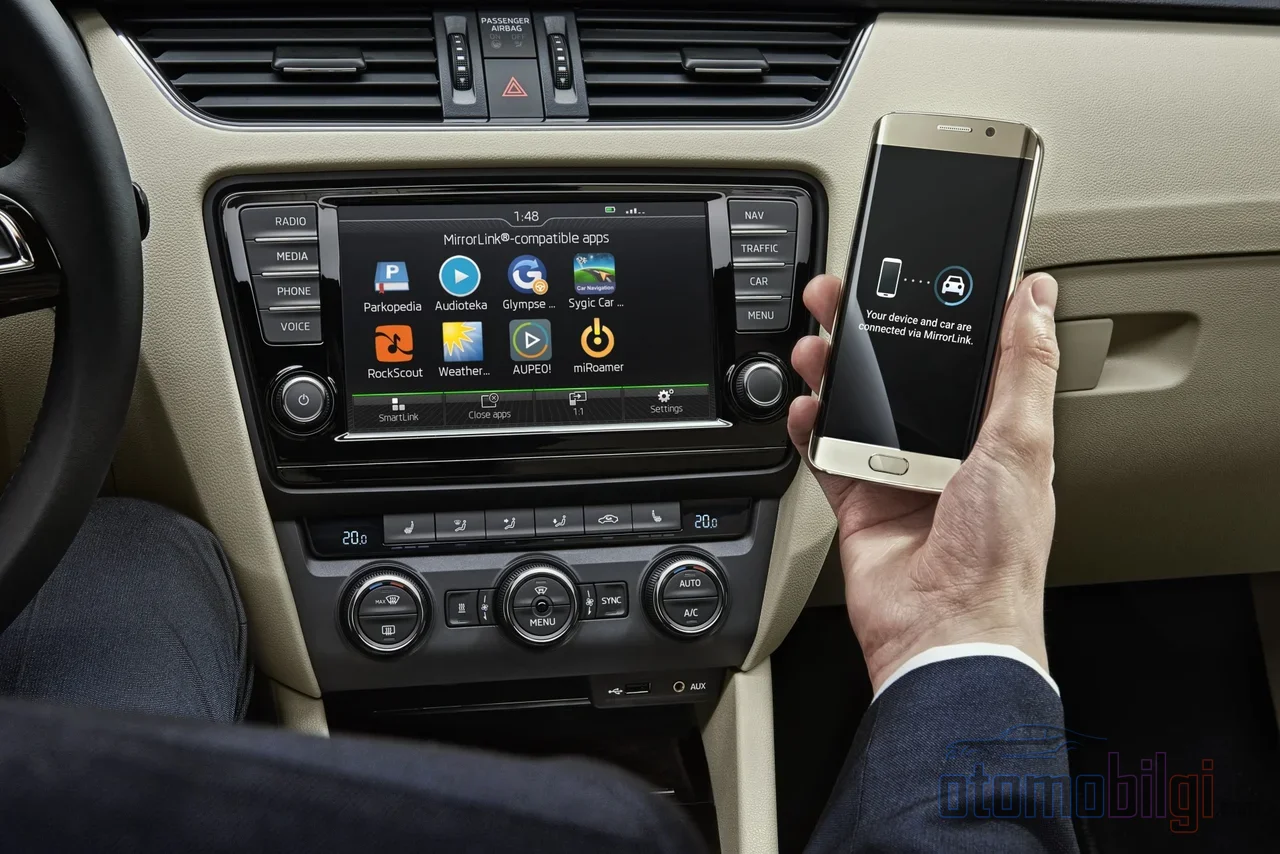
You're trying to open the phone's app on the car screen, but the connection just won't establish. This may feel very familiar in an older Volkswagen or Peugeot, because inside that screen there once lived a standard called MirrorLink. So how did this standard, a joint project of all the major carmakers, fade out so quickly? Let's dive in.
From Terminal Mode to MirrorLink: The Dream of a Common Standard
The beginning of the story actually lies hidden at Nokia. The Finnish giant had developed a standard called Terminal Mode in the early 2010s: an idea that mirrored the phone's screen onto the vehicle's infotainment system, built on technologies already in place like IP, USB, and Bluetooth. The goal made perfect sense - connect your phone to the car, and the driver can use the phone through the steering wheel buttons and the center console.
To institutionalize this idea, the Car Connectivity Consortium (CCC) was founded on March 11, 2011. The founding roster was like a true automotive super team: among carmakers, Daimler, General Motors, Honda, Hyundai, Toyota, and Volkswagen; among system suppliers, Alpine and Panasonic; and from consumer electronics, LG Electronics, Nokia, and Samsung. As soon as the consortium was established, it set out to examine topics like NFC and wireless charging as well. In short, MirrorLink was not one company's pet idea, but the common decision of an entire industry.
How Did MirrorLink Work Technically?
And here is where the very name that sets MirrorLink apart comes into play: at the core of the screen mirroring was the VNC protocol, familiar from the world of computers. RealVNC had long since turned this protocol into an open standard, and the solution certified for MirrorLink in January 2013 was integrated with the QNX CAR Platform the same year. Even Huawei announced VNC-based MirrorLink support in 2017.
The philosophy here was this: the apps and services kept running on the phone, while only the display, audio, and control interface were mirrored to the car screen. In the consortium's own telling, the phone saw the car as an accessory - the relationship was reversed. Beyond mirroring, MirrorLink required apps that were optimized and certified for driving; the screen showed only compatible apps. The standard was also formalized under ETSI as TS 103 544-14, and in 2015 the CCC proposed turning MirrorLink into an ETSI standard as the single vehicle connectivity technology independent of operating system and manufacturer. Wi-Fi Miracast support was also planned for the wireless side. On paper, everything looked ready, right?
Highlights
- Founded by 11 companies in 2011, the CCC was the architect of MirrorLink.
- The standard was based on Nokia's Terminal Mode idea; at its core was the VNC protocol.
- It was standard in VW Group brands as well as Citroen, DS, Peugeot, and Smart.
- Apple CarPlay is available today in more than 800 vehicle models.
- The CCC has now focused on the Digital Key; in 2025, more than 100 products received certification.
Which Cars and Phones Had It?
MirrorLink's strongest side was its car support. It was standard on Volkswagen Group brands - meaning SEAT, Skoda and Volkswagen - as well as on Citroen, DS, Peugeot and Smart. On the phone side, the flag was in Samsung's hands: The Galaxy S III gained MirrorLink compatibility in April 2013 with the Drive Link app, which offered hands-free calling and step-by-step navigation.
And what about the iPhone? Here's the first wall: MirrorLink was mostly for Android, and Apple users were expected to stick with CarPlay. Some myths in Samsung's narratives from the 2012-2013 period also mirror today's questions exactly - MirrorLink was not an Android technology, not every mobile app could run in the car, and the standard did not encourage apps that would distract the driver. These were the signs of a serious design focused on driving safety. So if that's the case, why did it die?
Why Did MirrorLink Fail? Three Rings Were Too Heavy
The certification process: the balance caught between safety and speed
MirrorLink's most beloved feature was also its biggest burden. Every new app and every update had to go through the CCC's certification process. Yes, this process was necessary for driving safety and distraction regulations - but at a time when CarPlay and Android Auto were moving much faster, this heavy pace slowed adoption significantly. App developers' efforts began to shift toward the ecosystems of the two giants.
Security flaws and prototype versions
The second blow was technical. In 2016, researchers uncovered vulnerabilities in in-car infotainment systems, and following these findings, some manufacturers either turned to other standards or disabled the feature entirely because their MirrorLink implementations were still prototype-stage. So a car displaying MirrorLink did not mean the standard worked fully in that car.
The open standard's market test
The third issue is more conceptual. MirrorLink was praised as a common standard for everyone, and an interesting idea circulated in the technical community: MirrorLink could itself have certified CarPlay and Android Auto and added that experience to millions of existing cars - but that never happened. There were two closed ecosystems, an open standard struggling under the certification burden, and CarPlay and Android Auto integrating rapidly into new cars. We can say the war ended quickly, but guess who won?
What Does the Situation Show Compared to CarPlay and Android Auto?
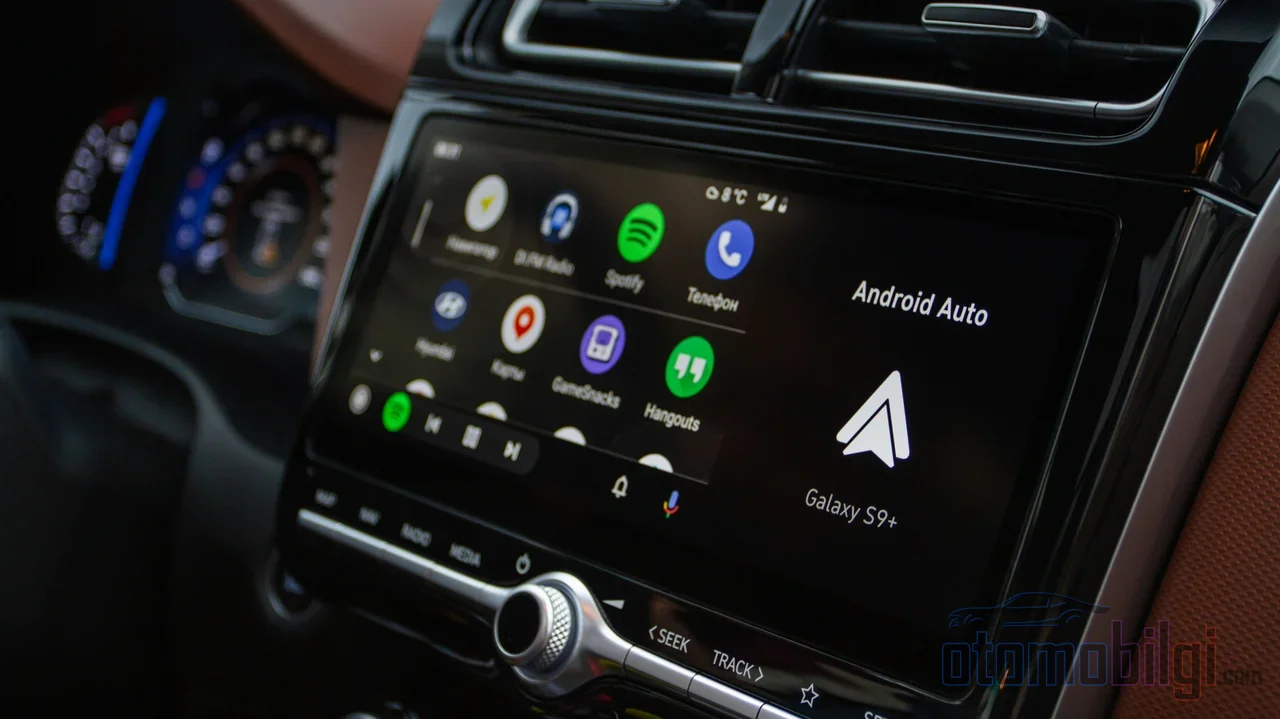
Seeing the comparison in a table is useful because the two approaches represent two fundamentally different philosophies:
| Feature | MirrorLink | CarPlay / Android Auto |
|---|---|---|
| Core approach | Mirroring of the phone screen | Dedicated driving interface with approved apps |
| Technical core | VNC protocol, Terminal Mode heritage | Each ecosystem's own protocol |
| App approval | CCC certification process required | Ecosystem provider approval |
| Phone support | Mainly Android | iPhone and Android with separate solutions |
| Current status | Largely discontinued | Standard on nearly all new vehicles |
The difference between mirroring and a dedicated interface is the essence of the whole story: While MirrorLink leaned toward the idea of copying the entire phone screen, CarPlay and Android Auto chose to offer a driving-focused, simple interface. CarPlay is available today in more than 800 vehicle models and has effectively become standard in new vehicles from brands like Toyota, Honda, Ford, Hyundai, Kia, BMW, and Mazda. This gap in adoption between the two ecosystems explains at a glance why MirrorLink never found a market.
Does MirrorLink Still Work Today?
The short answer: no, in most places. MirrorLink is largely discontinued, and user forums frequently report that connections can no longer be established, even with a 2016 Toyota Aygo, for example. Support on the phone side has also entered a vicious cycle; new phones no longer include this feature. As of 2026, there is no reliable, up-to-date list of MirrorLink-supported vehicles in circulation - which is itself a good indicator that the standard has reached its endpoint.
If you have an older car with MirrorLink, your realistic expectation is this: the most reliable replacement is CarPlay or Android Auto. If your vehicle doesn't support them, there are alternatives such as third-party mirroring apps, browser-based solutions, and wireless CarPlay adapters - but none of these carry official support, meaning they can break with updates. Meanwhile, the Android Auto side isn't trouble-free either: there are warnings that support will end on phones with older Android versions, and reports of wired connection issues on some new phones. There's no standing still in the world of connectivity standards, apparently.
The CCC's New Focus: Digital Car Key
The most interesting part of the story is this: The consortium that gave birth to MirrorLink didn't die - it just changed direction. The CCC turned to Digital Key, the technology that turns your phone into a car key, as the focus to replace MirrorLink. Look at the timeline:
- May 2020: Digital Key Release 2.0 was announced; it enables mobile devices to securely store, authenticate, and share vehicle digital keys.
- December 2023: The CCC Digital Key Certification Program was launched.
- 2024: The first two products received certification; the scope covered NFC-based touch-to-lock and start. The consortium surpassed 300 members the same year.
- First quarter of 2025: BLE (remote locking) and UWB (passive start, location detection) support was added.
- 2025: More than 100 products received certification - a big increase compared to the previous year.
The names on the board of directors also tell the story: Apple, BMW, Google, Samsung, Mercedes-Benz, Hyundai, Ford, and more. The consortium also published its first industry report in November 2025, emphasizing privacy, ease of use and interoperability. The digital key system; a holistic structure covering vehicles, mobile devices and the back-end systems of both car and phone manufacturers. So the open standard dream did not die - it simply moved from screen mirroring to the key.
So Why Did MirrorLink Die, In One Sentence?
The summary we promised is right here. MirrorLink died because its open standard model, which pushed every app through a central certification process, could not stand up to Apple and Google bringing their own ecosystems into cars in a much faster and more user-friendly way; the security vulnerabilities of 2016 and manufacturers shutting down prototype versions accelerated its end.
The lesson left behind, in my view, is very valuable: a standard's success is determined not by technical excellence but by the speed of adoption. As engineering, MirrorLink was solid - it was even a pioneer that paved the way for CarPlay and Android Auto. But in ecosystem wars, it is speed that wins, not legitimacy. Now the same consortium is running for a standard that turns the phone into a key - this time, it seems the lesson has been learned. If it were up to you, which side would you choose: an open but slow standard, or a closed but fluid ecosystem?
Sources
- Car Connectivity Consortium forms to bring more smartphones to more interiors - Engadget
- Car Connectivity Consortium - WordPress.com
- ETSI considers MirrorLink as connected car standard - Telecoms
- MirrorLink misunderstood: 8 myths that need busting - QNX Auto Blog
- Researchers Uncover Car Infotainment Vulnerability - Dark Reading
- RealVNC technology granted MirrorLink Certification - Cambridge Network
- Apple CarPlay, Android Auto, MirrorLink - Which One is... - Sygic
- Samsung Galaxy S III gets Drive Link app - Pocket-lint
- iOS - CarPlay - Available Models - Apple
- Car Connectivity Consortium Continues to Drive Innovation in Vehicle Connectivity - RFID Journal