Why Does a Catalytic Converter Get Clogged and How to Protect It?
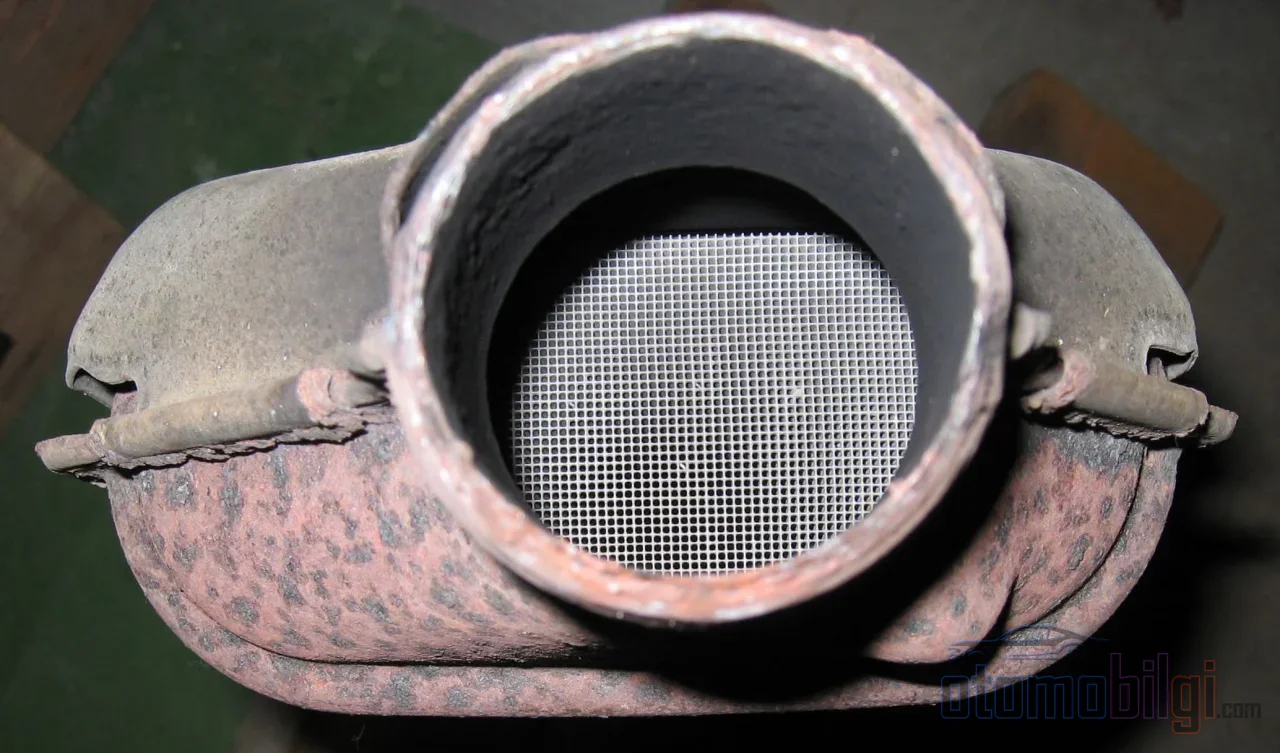
Your gasoline-powered vehicle's exhaust system contains a part you are not used to seeing as a separate line on any maintenance list: the catalytic converter. Most drivers only learn of this part's existence when a problem arises, such as power loss, increased consumption, or engine repair costs. Yet the converter is, in a way, a part that keeps a record of the engine's health; a wrong mixture, burning oil, or a neglected ignition fault affects it first. In this guide, we cover why the converter clogs, which symptoms point to which mechanism, whether cleaning actually works, and the durability difference between original and aftermarket parts, with their numerical basis.
What Does a Catalytic Converter Do and How Does It Work?
The catalytic converter is an exhaust part that chemically converts the harmful components of exhaust gases before they are released into the atmosphere. Carbon monoxide, nitrogen oxides, and hydrocarbons known as unburned fuel are broken down into less harmful compounds inside the converter. What enables this conversion are the precious metals it contains: platinum, palladium, and rhodium act as catalysts for the chemical reactions taking place on their surfaces. The internal structure is designed in a honeycomb shape that maximizes surface area.
The converter is used in gasoline, diesel, and LPG-powered engines. In diesel vehicles, there is also a second part that most drivers confuse with the converter: the diesel particulate filter, or DPF. Their operating principles are fundamentally different, and this difference changes both the failure symptoms and the maintenance approach.
What Is the Difference Between a Catalytic Converter and a DPF?
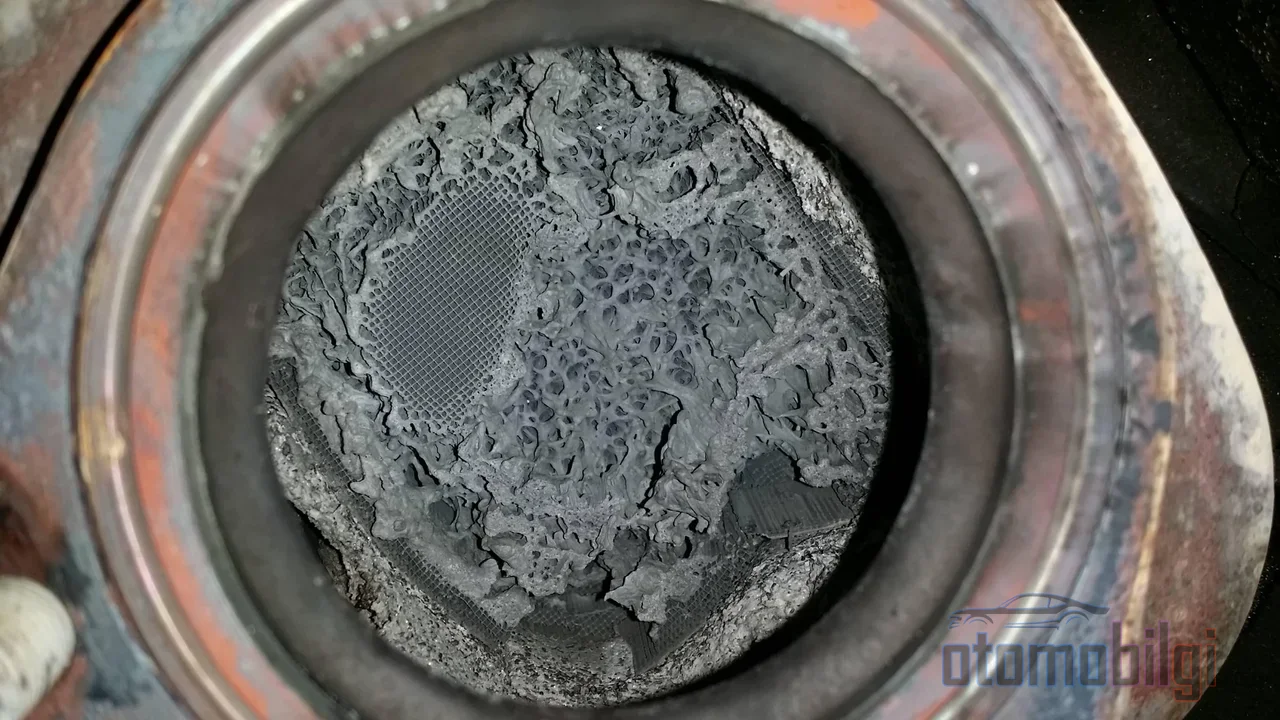
The short answer: the converter chemically converts gases, while the DPF physically traps solid soot. While the precious metals in the converter convert the molecules in the exhaust gas, the alternating blocked channels inside the DPF pass the exhaust gas through porous walls and trap particulate matter like a sieve. That is why the DPF requires regeneration, meaning the accumulated soot must be regularly burned off at high exhaust temperature.
The distribution is also different: the catalytic converter is found in both gasoline and diesel vehicles; the DPF is specific to diesel vehicles only. Looking for a DPF in a gasoline vehicle is meaningless, while in a diesel the two parts usually work side by side on the same line. In gasoline vehicle ownership, the part that is the subject of this article is the catalytic converter.
Key Highlights
- Original converters typically have a lifespan of over 160,000 km; aftermarket products last in the 50,000-110,000 km range.
- The price of an OEM converter can be 2-5 times that of its aftermarket equivalent; the difference stems from the amount of precious metals it contains.
- The most common causes of clogging: rich mixture, burning engine oil, ignition faults, and constant short-distance driving.
- Workshop cleaning can restore 50-70% of the converter's function; with a melted or cracked honeycomb, replacement is the only solution.
- Thresholds for measuring back pressure on a clogged converter: below 1.5 psi at idle, below 3 psi at 2,000 rpm.
Why Does the Catalytic Converter Get Clogged?
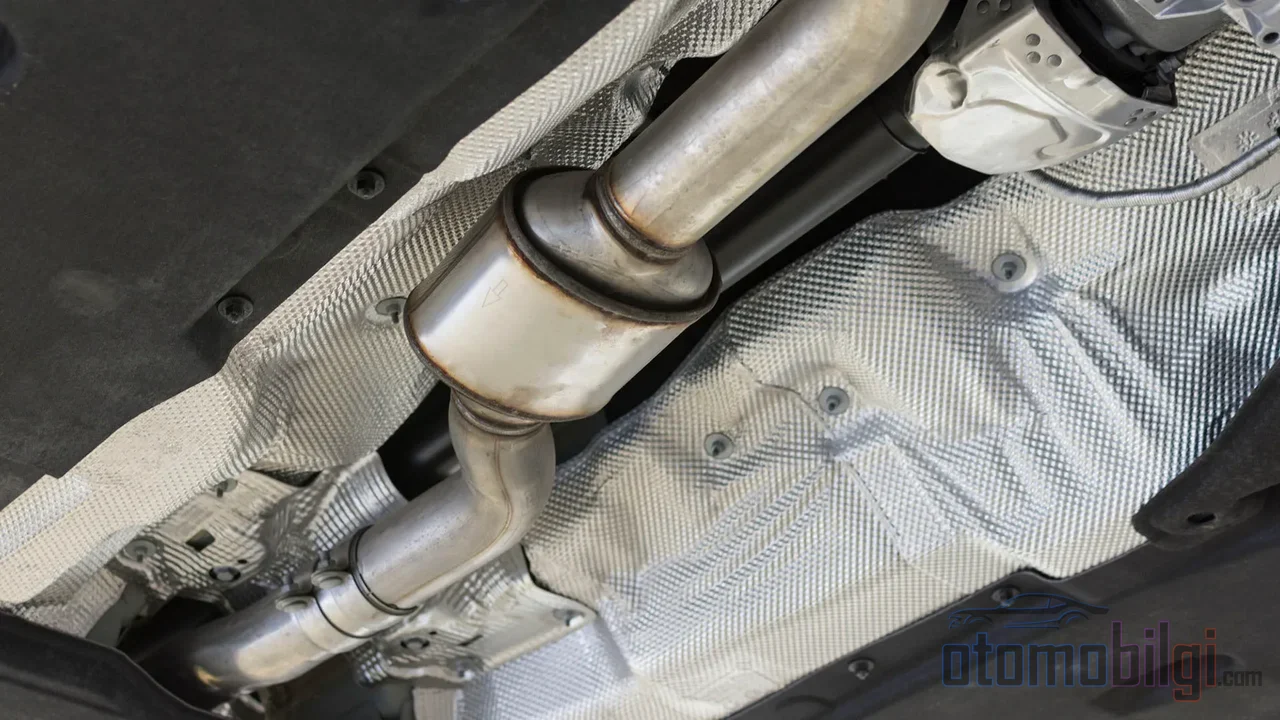
The logic of clogging can be summarized in a single sentence: substances that should never reach the converter physically or chemically seal the honeycomb pores. The triggers, in large part, stem from neglect on the engine side.
Rich mixture and sensor failures
A faulty oxygen sensor causes more fuel than needed to be sent to the engine. The excess fuel travels unburned through the exhaust line and ignites inside the converter; as a result, unburned hydrocarbon deposits form on the honeycomb surface and the pores gradually close. The same mechanism also comes into play when a cylinder misfires due to an ignition system failure: unburned fuel ignites inside the converter, and the overheated metal melts, effectively sealing the honeycomb cells.
Burning engine oil
Engine oil that leaks into the cylinder due to worn piston rings or leaking valve stem seals and burns, reaches the converter along with combustion byproducts, accumulates in the internal structure and leads to clogging. Oil burning appearing as blue smoke from the exhaust is the visual clue of this chain. Additionally, ignition and cooling system failures as well as low-quality fuel are also counted among the causes of clogging.
Short-distance driving
In order to work efficiently, the converter must first reach its operating temperature. In a vehicle constantly driven short distances, neither the engine nor the exhaust line can reach this temperature; the vehicle cools down before the system's self-cleaning process is completed. As this cycle continues, the clogging first manifests itself as failure to rev and reluctance to respond to the throttle; if the vehicle keeps being driven after these symptoms appear, the situation can escalate to engine damage at an advanced stage. Long idling and irregular engine maintenance are also usage errors that act in the same direction.
Symptoms of Clogging: What Does the Converter Tell You?
The symptoms mostly come together, and behind each one there is a measurable mechanism:
- Power loss and slow acceleration: it becomes especially noticeable when pulling away and on hills. The clogged honeycomb restricts exhaust flow, leaving the engine under back pressure.
- Exhaust emission control light: error codes such as P0420 and P0430 coming from the O2 sensor and air-fuel ratio codes indicate that converter efficiency has dropped below the lower limit.
- Increased fuel consumption: the difference usually stays small (on the scale of 1-2 mpg) and can therefore go unnoticed; for this reason, tracking the consumption trend in daily use is valuable.
- Rough idling and stalling: back pressure disrupts cylinder filling, disturbing the idle and paving the way for ignition errors.
- Rotten egg (sulfur) smell: it is noticed when the converter cannot process the exhaust gases properly.
- Abnormal exhaust smoke: black smoke indicates a rich mixture, white smoke indicates coolant leaking into the cylinder, and blue smoke indicates burning oil; each is a different link in the clogging chain.
- Failing the emissions test and rising engine temperature are classic results of advanced clogging.
How is the diagnosis confirmed?
The diagnostic toolkit is clear: OBD scan, oxygen sensor test, backpressure test, thermal imaging, fuel trim analysis and a road test. A backpressure threshold is used as a numerical reference: below 1.5 psi at idle and 3 psi or below at 2,000 rpm is considered normal. There are two additional practical methods: idle vacuum is measured with a vacuum gauge and the rpm is raised; if the vacuum drops below the idle value as rpm rises, it indicates a blockage. In the second method, the O2 sensor is temporarily removed; if the symptoms ease, the problem is most likely in the converter. However, this method does not yield results in a converter whose honeycomb has completely burned out.
Does Converter Cleaning Really Work?
The honest answer to this question is conditional. Cleaners in the form of fuel additives mix into the tank, reach the converter through the combustion and exhaust process; by the time they arrive, they are diluted and flow quickly, they do not linger on the honeycomb for long. Therefore, if light carbon buildup has partially reduced the converter's efficiency, an additive may help; it is not a magic solution. Results of workshop cleaning are likewise mixed: 50-70% of the function can be recovered, but full recovery is rare.
The critical limit is this: no cleaner can repair a converter whose honeycomb has melted, cracked or suffered physical damage. In this case, the only reliable solution is replacement. Thinking of cleaning as a rescue attempt and of replacement as the outcome is the most realistic approach.
OEM or Aftermarket? Price and Durability Comparison
Behind the price difference in the converter market lies the economics of precious metals. Aftermarket manufacturers reduce costs by skimping on expensive metals such as platinum and palladium; OEM products, on the other hand, are produced in line with factory specifications and with a higher precious metal content. The result is a measurable divergence in both durability and price:
| Criterion | OEM (Original) | Aftermarket |
|---|---|---|
| Typical lifespan | ~160,000 km and above | ~50,000-110,000 km |
| Price | 2-5 times the equivalent | Noticeably cheaper |
| Precious metal load | High and consistent | Varies by brand and price |
| Effect on resale value | Positive | Neutral or unclear |
Replacement cost consists of the part and labor: on the part side there is a wide range between 150 and 2,500 dollars, labor usually adds 200-500 dollars; position in the range is determined by location, part quality and regional price levels. For an owner who will keep the vehicle for a long time and wants to preserve its resale value, OEM stands out with its lifespan and durability data; with short-term budget priority, a well-branded aftermarket part is an acceptable choice with a known lifespan sacrifice.
Usage and Maintenance Habits That Extend Converter Life
The converter's fate depends largely on the engine's maintenance discipline, and clogging is largely preventable. The measures to be applied are clear as a list:
- Performing oil changes at the intervals specified in the oil manufacturer's and the vehicle's maintenance schedule; preventing oil burning from the start.
- Replacing spark plugs before they reach the end of their life; resolving ignition misfires without delay.
- Using quality fuel and staying away from suspicious additives.
- Balancing constant short-distance driving with regular long drives; limiting prolonged idling.
- Solving oxygen sensor and fuel system faults as soon as symptoms appear.
- Adding catalytic converter inspection to the routine during periodic maintenance; professional periodic cleaning contributes to system life in the long run.
- Not continuing to drive when symptoms are observed; long-distance driving with a clogged converter carries the risk of total failure and expensive damage.
Converter Inspection and Vehicle Appraisal When Buying Second-Hand
The converter is also a item that directly concerns your wallet during the second-hand buying process. Vehicle appraisal is the process of having the vehicle's interior and exterior components examined and reported by experts using technical equipment; as of 2026, services priced in a band of around 8,000-12,500 TL per package include critical checks, including the converter's condition before purchase. Underbody inspection is considered one of the most critical stages of second-hand buying; the exhaust line and converter are among the items that should be read separately in the report. Against fraud attempts tied to the appraisal process, an independent and accredited center should be preferred before the notary transaction.
The one-sentence summary is this: a catalytic converter does not fail on its own; neglect on the engine side, such as rich mixture, burning oil, ignition misfire and short-distance driving, clogs it. Regular maintenance, quality fuel and prompt intervention when symptoms appear largely save the life of this expensive part. A vehicle with a clogged converter can be used in the short term; but performance and consumption remain degraded, and the risk of total failure grows with every kilometer. If you want to use your vehicle trouble-free for years, think of the converter as a visible item in your periodic maintenance schedule.