Why Does Short-Distance Driving Age the Engine Prematurely?

Share This Page
Short-distance use breaks two things in the engine at once: the oil never reaching its full operating temperature, and accumulated moisture plus fuel residue mixing into the oil with every cold start. The result is an engine with low mileage but internal fatigue; a few 10-15 minute trips repeated daily means faster wear and early battery failure than long highway use. The good news is that most of this effect can be offset with the correct service interval and one long drive per week.
Highlights
- Repeated short trips are described as one of the most aggressive usage patterns for engine oil.
- For short-distance users, the service interval should be shortened by roughly 20% ; an annual oil change is the minimum even if the km figure has not been reached.
- Once a week, a long drive that keeps the engine at operating temperature for at least an hour clears out accumulated moisture and residue.
- Since the alternator cannot fully charge the battery on short drives, early battery failure is the most common secondary damage.
- Extended idling to warm up is unnecessary; the fastest warm-up is achieved with gentle driving.
Does short-distance use really harm the engine?
Yes, but the harm comes not from the shortness of the trip, but from the engine never reaching its operating temperature. When an internal combustion engine reaches its design temperature, the oil flows at the correct viscosity, the moisture in the crankcase evaporates, and combustion byproducts are expelled through the exhaust. In a 10-15 minute trip, none of this cycle is completed: the engine is shut off while still running cold, and the warm-up process starts all over again next time.
A single short trip leaves no measurable damage; the problem is cumulative. Oil manufacturers treat this usage pattern in the severe conditions category, which dramatically shortens engine oil life. That is why many manufacturers' maintenance schedules include a separate, more frequent program under the name of "severe service," and short-distance driving ranks at the top of this category.
The odometer completely hides this reality. Short-distance urban use is a silent enemy for the engine; low mileage does not always mean a healthy engine. Although the perception that "high mileage on the highway wears out the engine" is widespread, in most cases the opposite is true: an engine running at a constant speed cruises far less than one constantly running cold in stop-and-go traffic.
What is actually happening inside the engine? Four accumulation mechanisms
Moisture and fuel mixing into the oil
In an engine running cold, two liquids seep into the oil. The first is moisture: water vapor accumulating in the crankcase cannot be expelled through the exhaust because the engine does not heat up enough to evaporate it, and it mixes with the oil. The second is fuel residue: the product of incomplete combustion likewise fails to evaporate and thins the oil. Together, they impair the oil's protective properties. This is why a milky, mayonnaise-like deposit is seen under the oil cap in vehicles used for short distances - this residue visible on the cap is the visible sign that moisture is circulating inside the oil system and should not be ignored.
The wear cost of cold oil
Cold oil is thick; a protective film fails to form properly on the cylinder walls, camshaft, and bearings. Especially on short trips in winter, the engine never fully warms up, so wear on internal parts accelerates. Every cold start means this wear cycle begins all over again.
Carbon buildup and exhaust components
With constant short trips, sensors become dirty over time and carbon accumulates in the exhaust system; this effect is more pronounced in turbocharged engines, because the turbo is constantly exposed to temperature fluctuations and can wear out prematurely. Moisture accumulation in the exhaust line also leads to rust; in advanced stages, it can make muffler or catalytic converter replacement inevitable. The catalytic converter also wears out early because it constantly has to clean the rich and unstable exhaust of an engine that never fully warms up.
DPF clogging in diesel vehicles
The situation is even more delicate for diesel vehicles. When the engine does not fully warm up, combustion is incomplete, and the resulting soot can clog the diesel particulate filter (DPF). For the DPF's self-cleaning regeneration cycle, the engine must reach operational temperature; constant short distances do not allow this cycle to occur, and fuel inefficiency also increases. Choosing diesel for weekend use is therefore not sensible.
Why does the battery die early?
The battery is the most frequently overlooked victim of short-distance driving. For the alternator that charges the battery to do its job, the engine must be under load at a certain rpm for a certain amount of time. On short drives and at idle, the charge balance turns negative: the battery cannot recover the energy it spent during starting and loses more than it consumes.
Winter makes things worse. While the heater, wipers, and lights are running, short 5-minute drivesslowly but steadily drain the battery; the result is slow cranking and battery failure earlier than expected. Longer and regular drives are the most practical way for the battery to restore its charge balance.
The idling warm-up myth: how many minutes should a car be warmed up?
The belief that "the car needs to be idled for 10 minutes to warm up" is a habit left over from carbureted engines. Modern engines are designed to warm up quickly, and the fastest way to warm up is not idling but setting off immediately with gentle driving. Long idling is both a waste of fuel and can actually shorten engine life; a cold, unloaded engine continues to wear while unable to warm itself up.
The only exception is extreme sub-freezing cold: under these conditions, 30-60 seconds of idling can be beneficial for the fluids to begin circulating. There are also more cautious views that advocate a few extra minutes of idling in winter to reduce stress on the engine; however, setting off with gentle driving is the common ground of both approaches. The rule is simple: clear the ice from the windshield, start the engine, fasten your seatbelt, and set off at a gentle pace.
Maintenance schedule for short-distance drivers: kilometers or time?
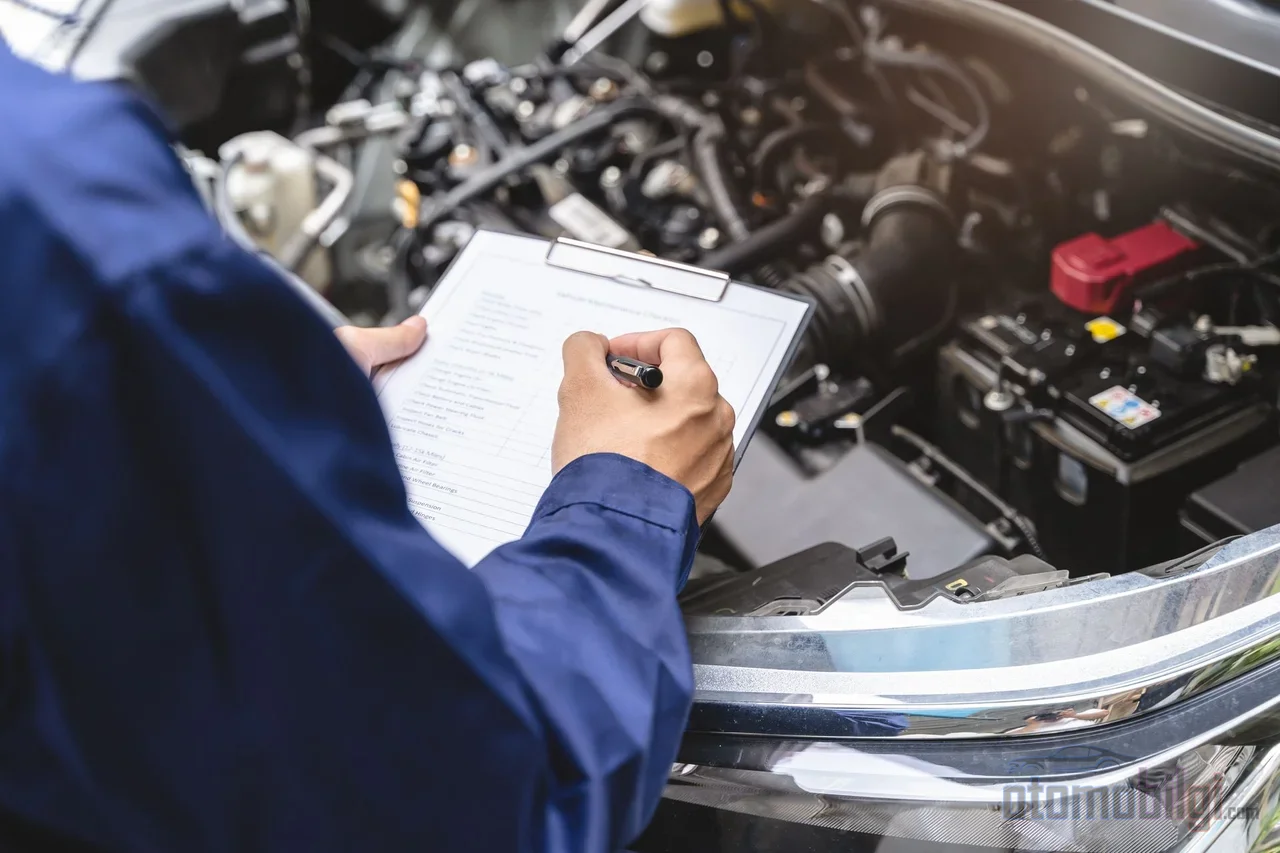
In short-distance use, the odometer does not reflect the true condition of the oil. Short trips totaling 5,000 km wear out the oil far more than 5,000 km of highway use. That is why short-distance users should set the maintenance interval by time rather than kilometers: the basic rule is "once a year or every 15,000 km, whichever comes first." Under heavy city use, some sources suggest shortening this interval by about 20% ; a simple practice is to change the oil twice a year.
| Maintenance item | Normal use | Short-distance use |
|---|---|---|
| Engine oil (gasoline) | 10,000-15,000 km | 5,000-10,000 km or once a year |
| Engine oil (diesel) | 10,000-15,000 km | 7,500-10,000 km or once a year |
| Maintenance schedule | Normal program | Severe use program |
| New vehicle first service | 1,000-5,000 km | Applied as is, without delay |
Manufacturers using synthetic oil generally recommend a 10,000-15,000 km interval; with mineral oil, this period is noticeably shorter. Regardless of oil type, short-distance use justifies settling at the lower end of the schedule. Read the "severe conditions" section in your manufacturer's owner's manual: if your vehicle is mostly used on 10-15 minute trips, it is a perfect match for the definition there.
Habits to offset the impact of city use
The vehicle usage profile in Türkiye makes this issue directly relevant to almost every driver: most commutes in big cities take place in stop-and-go traffic over short distances, with limited highway opportunities. Completely changing the habit is often not possible; but a small weekly addition clears most of the accumulated damage.
- Take a long trip once a week: A drive that keeps the engine at operating temperature for at least an hour vaporizes the moisture in the crankcase, eliminates fuel dilution, and allows DPF regeneration.
- Set the maintenance interval by time: Tie the oil change to the calendar once a year (twice a year under heavy use), even if the kilometers have not accumulated.
- Set off with gentle driving: Instead of idling, drive the first few kilometers without revving high; the engine warms up both faster and with less wear.
- Reduce the extra load on the battery: Limiting major consumers like seat heating on short trips slows the charging balance from drifting negative.
- Consider the usage profile when choosing a vehicle: If it will be used constantly over short distances, a gasoline engine is at an advantage, as diesels are disadvantaged due to diesel particulate filter issues.
There is also the second-hand side: when buying a vehicle used over short distances with low mileage, you should not trust the odometer. At the inspection, pay special attention to the sludge under the oil cap, battery health, and rust on exhaust components; these three tell the vehicle's usage profile more accurately than the odometer.
Summary: The impact of short trips on engine life is manageable
Short-distance driving causes cumulative, not one-time, damage to the engine: the oil becomes contaminated with moisture and fuel, wear on internal components accelerates, and exhaust components and the battery wear out prematurely. However, this picture is not destiny, but a matter of maintenance planning. Time-based rather than mileage-based servicing, the manufacturer's severe-duty schedule, and one genuine long trip per week - this trio measurably reduces the cost of city driving.
Sources
- The Impact of Short Trips on Engine Oil Life - Valvoline Global Europe
- Why Short Trips Can Be Hard on Your Engine and How to Prevent Damage
- Why Your Engine Hates Short Trips, And How To Avoid Damage
- The right battery for short distances - Varta Automotive
- Should You Warm Up Your Car Before Driving?
- How Long To Warm Up The Engine Before Driving - AAA
- How to Maintain Your Car if You Drive Short Trips Only
- How Does Short-Distance Driving Damage Your Vehicle? - Eureko Sigorta
- The Engine Damage Caused by Short-Distance City Driving - DailyDrive
- At How Many KM Should Engine Oil Be Changed? - Otodoktor
- When Should Engine Oil Be Changed? - Motul
- Vehicle Maintenance Periods - Felsen
- How Does Driving Short Distances Affect Car Servicing? - Auto Expert