Why Does a New Engine Burn More Fuel During the Break-In Period?
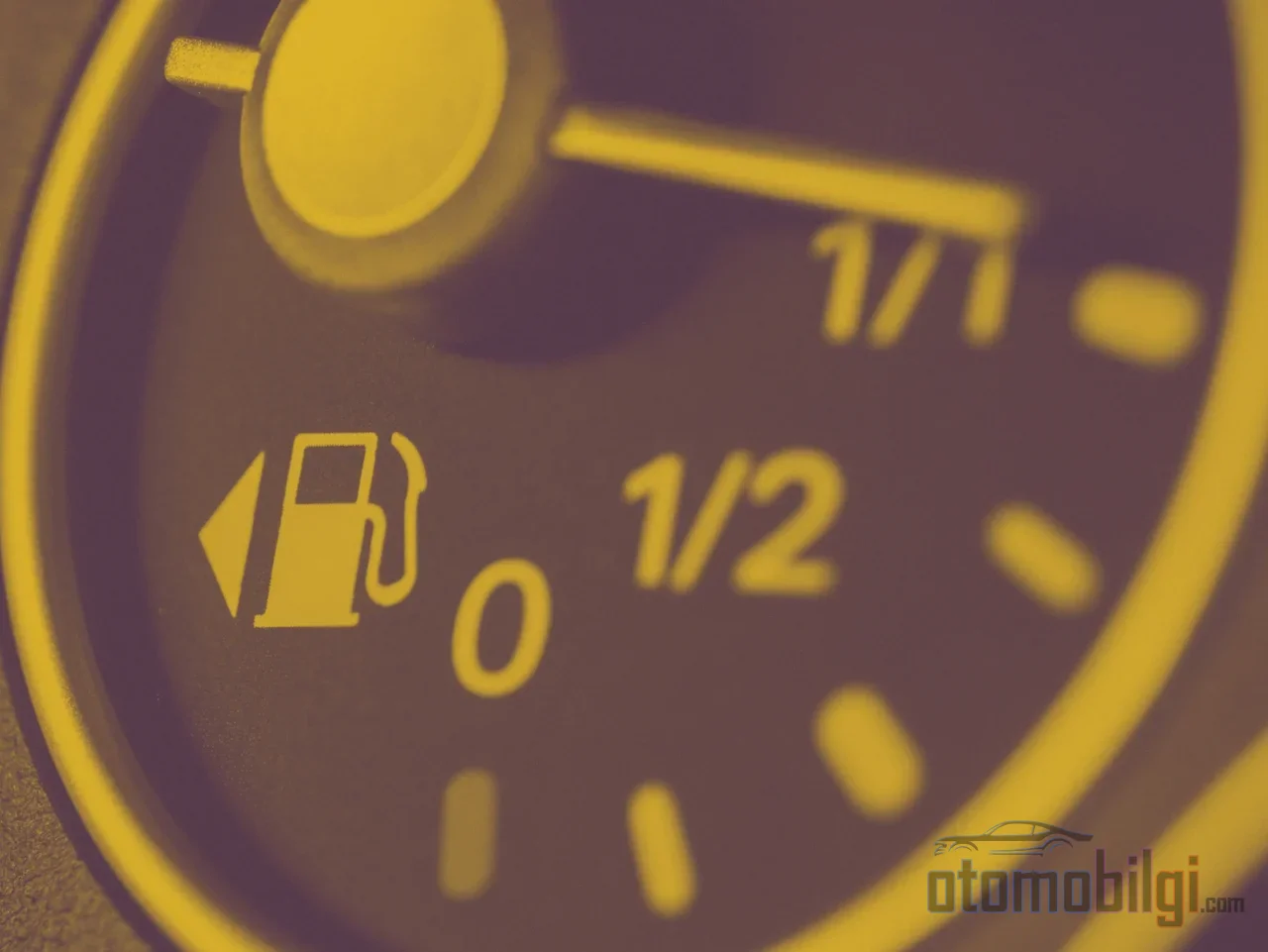
The first surprise a driver gets when taking delivery of a new car usually comes from the fuel gauge. The consumption figure in the catalog has been checked and the budget was made accordingly; but in the first few tanks, the real figure runs noticeably higher. This difference is usually not a malfunction, but the result of a mechanical transition process. However, this transition process, known as break-in, is not an arbitrary waiting period: Everything done in the first thousand kilometers shapes how efficiently the engine will run for years to come.
Why does a new engine burn more fuel, when does this excess end, and what does a properly done break-in period bring in the long run? On this page we address these three questions along with their technical foundation, from the friction mechanism to ring seating.
Why a New Engine Burns More Fuel: The Real Share of Friction
In an internal combustion engine, the chemical energy of fuel is first converted into heat, and then into mechanical motion. In this conversion chain, every moving part generates resistance on the surfaces it contacts: friction. Every bit of heat produced through friction is in fact energy that never reaches the wheels. This is one of the main factors explaining fuel consumption differences between engines.
With a new engine, this picture is even more pronounced. The surfaces of the cylinder walls, piston rings and bearings coming off the production line are not perfectly smooth at the microscopic level. The surfaces of the rings have protrusions and uneven areas; it takes time for them to become smooth and compatible with the cylinder surface. Until this seating is complete, the contact resistance between the parts is above the design value. This is exactly what the industry calls a "tight engine": It means the engine is turning with more internal resistance than under normal operating conditions.
The numerical dimension is surprising. According to fundamental studies in the engineering literature, piston ring friction alone accounts for approximately 20% of the total mechanical losses in a modern internal combustion engine. In a new engine, this share runs even higher until the surfaces are seated. Excess friction places an additional load on the engine; and extra load means more fuel. That is why it is normal for consumption to appear above the catalog value in the first 500-1,000 kilometers, and it is usually temporary.
Highlights
- Piston ring friction accounts for approximately 20% of total mechanical losses in modern engines.
- The general consensus for break-in is 1,000-1,500 km; the first 1,000-3,000 km is the critical period.
- According to component manufacturers, during break-in, revs should be varied within 25-35% of the maximum engine speed.
- Aggressive driving can worsen fuel economy on the highway by 15-30% and in city traffic by 10-40%.
- Idling is one of the most harmful practices for a new engine; ring seating requires cylinder pressure.
How Do Piston Rings Seat and Why Is Pressure Needed for This?
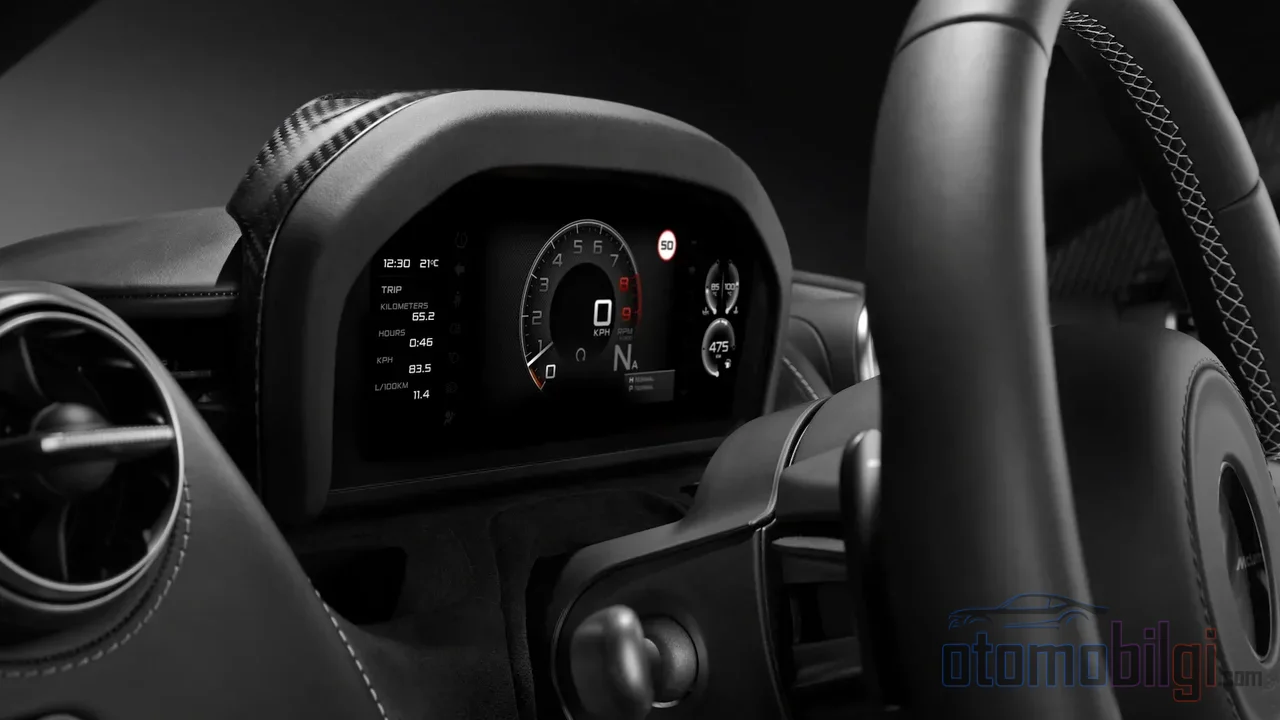
The technical heart of break-in is the process of the piston rings seating against the cylinder wall. Piston rings are critical components that hold the pressure in the combustion chamber without leaking into the oil sump and provide heat transfer. New piston rings do not yet make full contact with the cylinder wall; the micro-protrusions that make contact wear down over time, forming a complete sealing surface. Once this surface has formed, the rings work as designed: both less friction and better pressure sealing.
The key point is this: The force that presses the piston rings against the cylinder wall comes largely from the gas pressure in the combustion chamber. At idle, this pressure does not occur. Therefore, the common warning from piston and component manufacturers is clear: letting a new engine idle for hours is one of the worst things you can do, because idle pressure does not provide the force required for the rings to seat properly. Improper seating of cast iron rings can later lead to problems such as oil burning, exhaust smoke and ring sticking.
A practical technique that supports ring seating is alternating between operation under load and engine braking: The engine is engaged, the throttle is released, and the engine is allowed to slow down on its own. This cycle helps the surfaces adapt quickly under varying pressure. Also, the subject of break-in oil is related to this: Synthetic oils reducing friction too much can, in some cases, delay the proper seating of the piston rings; this classic warning applies especially to racing and remanufactured engines. In modern mass-production vehicles, the view that break-in cannot be done with today's synthetic oils is just an old myth; this rule, which may have been true 50 years ago, has lost its validity with today's oil and coating technology.
How Are Speed and RPM Limits Applied During the Break-In Period?
The widely accepted industry range for the break-in period is 1,000-1,500 kilometers; some manufacturer manuals state that simple precautions over the first 1,000 km can improve performance, fuel economy and vehicle life. The critical period is somewhat broader: It is recommended to keep the engine speed roughly in the 2,000-2,500 rpm band for the first 1,000-3,000 km.
Component manufacturers' break-in procedures clarify this framework. It is recommended to vary the speed within 25-35% of the maximum engine speed; idling should be avoided as much as possible. The recommended practice for remanufactured engines carries the same logic: Stay in the 1,500-2,500 rpm band during the first hour, vary the speed continuously and never hold it constant.
The practical rules that emerge from this can be summarized as follows:
- Vary the speed continuously; adopt a driving style that rises and falls within the load and rpm range every few seconds. It is recommended that the rpm range used during break-in cover the portion from half to two-thirds of the lower range.
- Avoid driving at constant speed for long periods; Cruise Control is not useful during break-in, because it locks the engine at a single operating point.
- Do not force the engine into low rpm in high gear; limit long highway cruising at constant speed.
- Forcing a cold engine at high revs is a serious mistake; it damages components and accelerates wear. Start driving at low revs, warming up slowly.
- Sudden acceleration, hard braking, and excessive load (such as towing a trailer) are conditions to avoid throughout the break-in period.
The most debated item on this list is the speed limit. There is a common belief that you must drive very slowly during break-in; this is not true. The goal is not to drive slowly, but to run the engine under varied and controlled load. Going to extremes is not a solution either: During break-in there is no need for high speeds; what is needed is disciplined use.
First Oil Change: Closing Out the Break-In
During the break-in period, micro-particles and friction byproducts left over from the seating of metal surfaces accumulate in the engine oil. For this reason, the first oil change is usually performed after the break-in period, at around 1,000 km. Oil analysis-focused approaches recommend the first change earlier, around 500 miles, and the second before exceeding 1,500 miles; if your manual specifies a different value, the manufacturer's definition is what matters. The first service can be thought of as a reset process that clears break-in residue from the system, and on the motorcycle side this process is still applied with the same logic.
Does Aggressive Use Permanently Increase Consumption?
Part of this question must be answered with data, and part with honest caution. The data-based part is aggressive driving itself: Aggressive driving characterized by rapid acceleration and hard braking can worsen fuel economy at highway speeds by 15-30%, and in city and heavy traffic by 10-40%. In addition, aggressive use increases vehicle wear. During break-in, such use is also mechanically illogical, because it places extra load on surfaces that are still seating; the experiences of new car owners shared on forums complaining of high consumption are consistent with this picture, but these examples alone do not count as proof of causality.
The part requiring caution is the claim of a "permanent increase." There is no reliable numerical data on how much aggressive use during break-in will permanently raise consumption later on. The defensible position from an engineering standpoint is this: If piston ring seating does not occur correctly within the critical window, the engine may run for a long time with higher-than-normal internal friction, and this structurally pushes consumption upward. The mechanism is clear; the exact magnitude has not been measured. The technical view that skipping break-in results in reduced fuel efficiency, increased wear, and a higher risk of early failure is the practical expression of this mechanism.
Does Consumption Really Drop After Break-In?
User experiences converge in a consistent direction: Engine power and consumption improve gradually over the first several thousand kilometers. Many drivers report noticing a clear increase in engine power after around 4,500 miles; There is a widespread view among SUV and sedan owners that a long break-in period is required for a serious improvement in fuel economy. Technical approaches that point out the biggest change in the fuel map occurring within the first 6,400 km indicate the same window.
To draw a sample scenario: A driver who sees consumption clearly above the catalog value in the first tanks under city-heavy use follows rpm discipline in the first 1,000 km, has the first oil change done, and avoids aggressive driving. In this scenario, consumption gradually returns to its normal course within the first few thousand kilometers. In the opposite scenario, that is, when break-in rules are ignored, the high-friction surfaces can become permanent and the drop in consumption remains limited.
When comparing against catalog values, one measurement detail should also be kept in mind: The WLTP test cycle simulates real driving conditions better than the previous NEDC standard, and for this reason it reports lower efficiency, that is, higher consumption values. So part of the high consumption during break-in is also fed by the known difference between the test cycle and the real world. However, even though this difference can be explained, the friction-related excess itself is real.
Do Modern Engines Still Require Break-in?
The honest answer: The debate continues, but the risk balance favors break-in. Thanks to modern cylinder coating and piston ring technology, most modern engines may not require old-style break-in as much thanks to factory procedures and tolerances; in that case, there is no harm in following the general rules either. The opposing view is that break-in is a real process and the first kilometers determine the outcome. It does not matter which side this number falls on, because the cost asymmetry is clear: Following break-in loses you nothing; when it is not followed, lifespan, performance, and fuel efficiency are at risk.
A note for electric vehicles as well: Since an electric motor has very few mechanical contact surfaces, break-in in the classic sense is not required. However, for components such as the brake system, a usage and bedding-in period is still relevant.
Short Answer: Is Excess Consumption During Break-in Normal, and When Does It End?
It is normal for a new engine to consume fuel above the catalog value in its first 1,000-1,500 kilometers, or even in a window extending to 3,000 km: the reason is the additional friction loss during the bedding-in process of the piston rings and bearings. A break-in in which rpm is kept in the low band and continuously varied, idling and aggressive driving are avoided, and the first oil change is done on time ensures that consumption drops to its normal level within a few thousand kilometers and that the engine stays more efficient throughout its life. If excess consumption continues after the first service, the cause is no longer break-in but the usage profile or a technical check.
Sources
- What is Break-in? How to Break-in a Car Engine?
- Vehicle break-in process - Kia
- Engine Break-in: Recommended Procedures - MAHLE
- Piston ring design for reduced friction in modern internal combustion engines - MIT
- Efficient Driving to Conserve Fuel - AFDC (US DOE)
- UNECE adopts more accurate fuel efficiency and CO2 test for new cars (WLTP)
- Break-In Period For New Cars: A Quick Guide - CarParts.com
- How to Break-In Your Piston Rings, The Right Way! - Engine Builder Magazine
- Piston Ring Seating & Break-In Guide - JRC Engineering
- Recommended engine break-in and oil change frequency - 4Runner6G