ANDRA: The Rebuilding of the Australian Drag Racing Scene
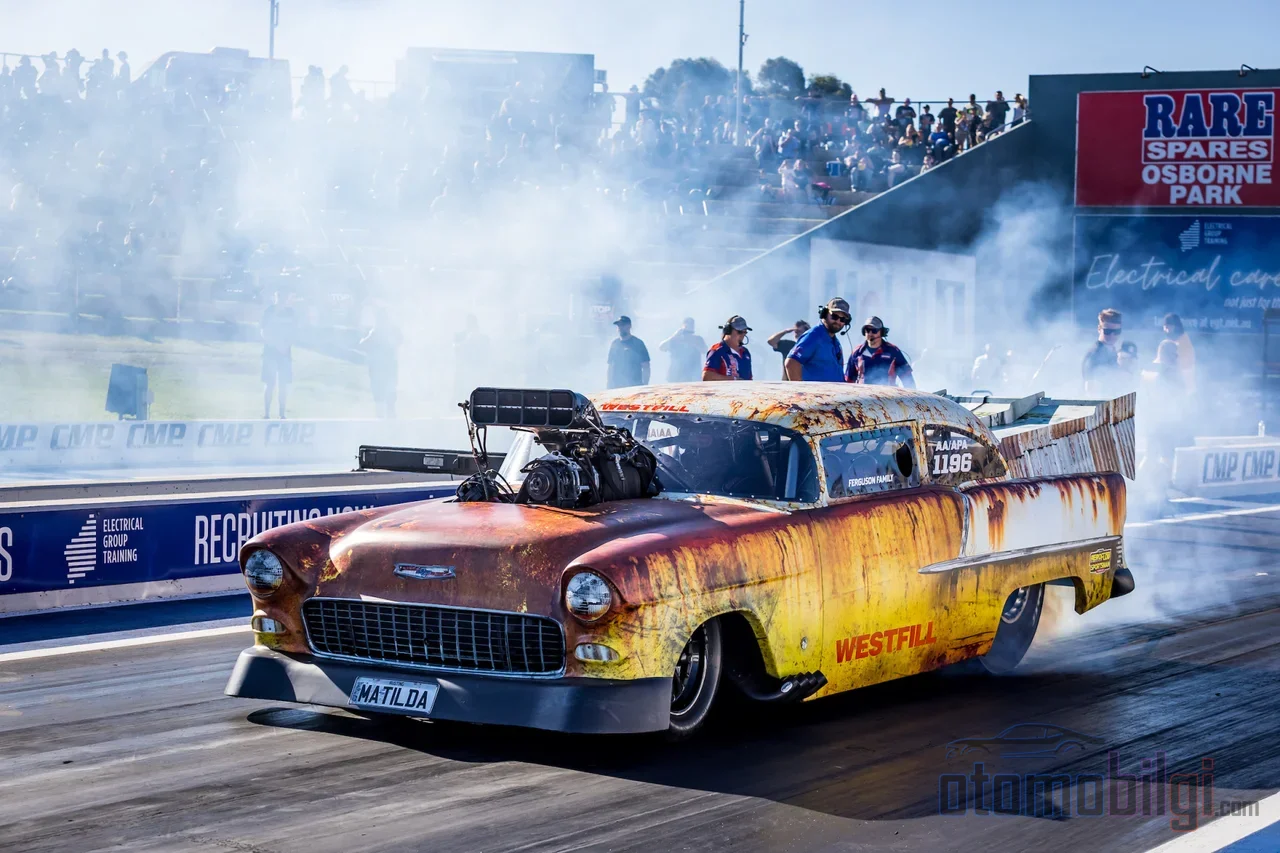
In June 2015, Australia's three major drag strips issued an ultimatum to the country's national federation. Perth Motorplex, Sydney Dragway and Willowbank Raceway demanded that management remove certain individuals from office, transfer the marketing rights of Group One races to themselves, and that the federation become solely a sanctioning body. A year later, the professional series 400 Thunder broke away from ANDRA by signing an agreement with the American sanctioning body IHRA. So what did the federation, which had united the continent under a single roof since 1973, do in the face of this blow? You need to know the answer to understand today's map of the Australian drag scene.
On this page, we tell the story stretching from ANDRA's founding to the 2015 crisis, and from there to the new national series built on Top Doorslammer and Top Fuel Motorcycle. Australia, the third great continent of drag racing after North America and Europe, is not as calm as you might think.
What Is ANDRA and How Was It Founded?
ANDRA (Australian National Drag Racing Association) was founded in 1973, splitting off from the faction of the Australian Hot Rod Federation that focused more on drag racing. During its founding, racers and promoters in Sydney played a pioneering role, and in the same period a national championship was announced under the name Australian Drag Racing Championship (ADRC). In short, Australian drag history is a story in which federation-building and crisis have been intertwined from the very beginning.
Today, ANDRA, headquartered in Adelaide, sanctions drag racing across all of Australia; it runs the ANDRA Sportsman Series and also approves Group One races at selected events. It describes itself as the best in the world outside the United States, and it has serious assets to back up that claim: a continent-wide licensing system, national record books, and a depth of nitro classes seen in only a handful of countries.
What Are the Group One Classes?
The ANDRA Drag Racing Series consists of six Group One classes, all racing in heads-up and pro tree format. You can think of it as the Australian version of the professional categories in the US.
- Top Fuel
- Top Alcohol (since 1991)
- Top Doorslammer (since 1996)
- Top Fuel Motorcycle
- Pro Stock
- Pro Stock Motorcycle
Top Doorslammer is a star unique to the Australian drag scene: monsters carrying the spirit of America's Pro Mod, with sedan bodies and doors that actually open. It has been racing since 1996 and has become one of the continent's most beloved classes.
Highlights
- ANDRA was founded in 1973 after splitting from the Australian Hot Rod Federation
- In 2015, three major strips issued an ultimatum to the federation, and 400 Thunder moved to the IHRA
- ANDRA's Top Fuel record: 3.725 seconds ET and 329.21 mph speed
- The new ADRC series started with Top Doorslammer and Top Fuel Motorcycle
Records and Champions: ANDRA's Track Record
Nothing tells the story of a federation's strength better than its record book and its gallery of champions. The ANDRA Top Fuel champions list runs from Jim Read's multiple championships between 1980-1996 and Darren Morgan's consecutive hat-trick in 2011-2013, to Damien Harris's 2015 title and Cory McClenathan, who came from the USA and won in 2016. The first Top Fuel Motorcycle championship went to Stan Pobjoy in 1975; meaning two-wheeled nitro racing in Australia has a longer history than four-wheeled racing in most countries.
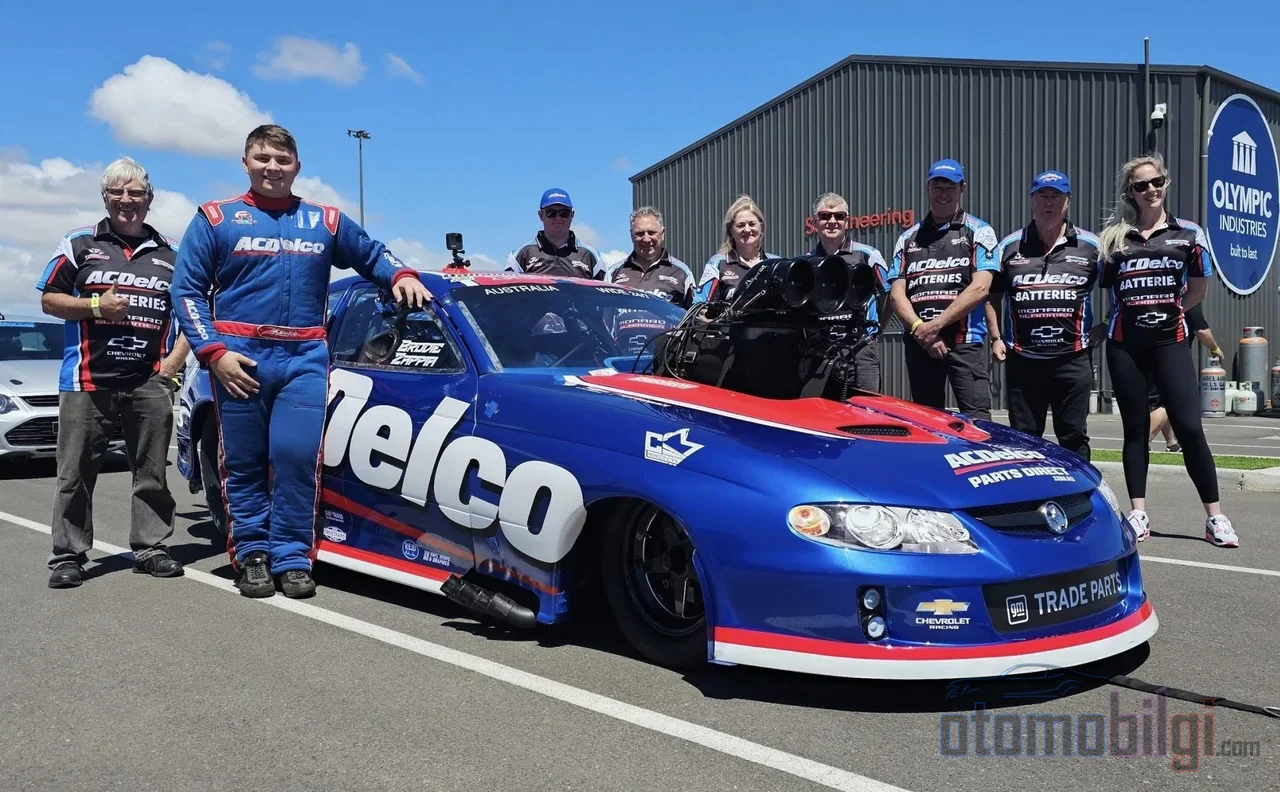
In Top Doorslammer, the picture revolves around two names: Victor Bray established the class's founding royalty with consecutive championships from 1996 to 2001, while John Zappia has dominated since 2008, taking his 9th title in 2016. championship in 2016. Zappia's 5.693-second ET at Willowbank still shines among the ANDRA records.
On the performance side, the numbers speak for themselves: in Top Fuel, an ET of 3.725 seconds and a speed record of 329.21 mph; in Pro Stock, an ET of 6.877 seconds. These are numbers respected worldwide. The John Storm Memorial Trophy, awarded in memory of the first national director John Storm, goes each season to the highest-scoring competitor in the Summit sportsman series; the 2024/2025 winner was Edgell Mallis.
The 2015 Crisis: Why Did the Major Tracks Revolt?
On June 6, 2015, three major tracks sent their demands to ANDRA: the removal of the WA and Victorian division directors, the non-reappointment of CEO Malcolm Bulley, the transfer of Group One marketing rights to an organization to be established by the tracks, and ANDRA's return to a purely sanctioning-body role. The tracks' justification was low spectator numbers, high costs, a weak TV package (the controversial SBS broadcast) and an anti-track mentality in management. ANDRA, on the other side of the table, argued that track construction costs had doubled, membership had grown by seven percent, and TV coverage had increased.
The result was a secession: 400 Thunder Australian Professional Drag Racing Series made a new deal with the American sanctioning body IHRA and split from ANDRA. The tracks' math was simple; IHRA's sanction fees were far below existing costs, and racer licenses would fall below 100 dollars. For the IHRA front too, Australia was a major focus thanks to the quality of the tracks and the success of 400 Thunder. Incentives such as the Sunoco Race Fuels contingency program also strengthened the rival camp.
Beyond that, 400 Thunder even published a press release announcing the end of quarter-mile Top Fuel racing in Australia. For those who considered the classic 402 meters sacred, this meant the crisis had a cultural, not just an administrative, dimension. Despite pandemic-related disruptions, the series managed to complete its 2021/2022 season; but after sources covering 2017-2022, the sound is being turned down significantly.
Iconic Tracks: Willowbank, Perth Motorplex and What Remains
The backbone of the Australian drag scene is a handful of legendary facilities. Willowbank Raceway (Queensland) hosts the internationally renowned Winternationals; this event is known as Australia's biggest drag race. Perth Motorplex, meanwhile, opened in 2000 at Kwinana Beach and became the country's first motorsport facility to combine drag racing and speedway at the same venue. Gary Miocevich was one of the key figures both in the founding of Perth Motorplex and in shaping Australian drag racing. The roots of drag culture in Western Australia go back to the 1320 Drag Club, founded in 1967 by John "Wheels" Dwyer and Mick Ryan.
In the dusty pages of history, there's Castlereagh: It was considered the country's main drag strip until the early 1980s, then closed when the land was repurposed. Tracks come and tracks go, they say the federation remains, but in 2015 the exact opposite was tested.
How ANDRA Was Reborn
Here's the truly beautiful part of the story. ANDRA announced a new series that brought Group One races back under its own roof: the ADRC. In its first step, it started with two classes, namely the ADRC Top Doorslammer Championship and the ADRC Top Fuel Motorcycle Championship. Just imagine: the most Australian class and the world's fastest two-wheeler, back under the federation's flag.
The comeback wasn't limited to just two classes. As of 2026, ANDRA signed a new partnership with the Australian Street Rod Federation (ASRF) to jointly promote drag racing, motorsport and street rodding. The 2026/2027 rulebook updates have been published. At the All Bike Nationals, Jake Hamilton-Moderate went down in history as the first ANDRA champion in the Extreme Bike class. The calendar is alive too: In the 2026/2027 season, the Riverbend Nationals will be run on March 28-29 at Dragway at The Bend, featuring Top Fuel, XPRO Nitro Funny Car and Top Doorslammer. The Desert Nationals in Alice Springs (August 29-30) is part of the Aeroflow points tour of the ANDRA Regional Sportsman Series.
The Dual Structure: ANDRA and NDRC Side by Side
To be honest, today's picture isn't a single shade. The Top Doorslammer class spent its second season in 2025-2026 with the NDRC (National Drag Racing Championship) and is now preparing for its biggest season ever in 2026. So in Australia right now, the ANDRA and NDRC front continue to exist as parallel national series. Which major class races under which roof is still a fluid reality; it's more accurate to read this not as a weakness, but as the continent's competitive energy.
The Short Answer: How Does the Australian Drag Scene Work Today?
In summary: ANDRA is the national federation founded in 1973; in 2015, 400 Thunder split from it through an agreement by three major tracks with the IHRA, after which ANDRA brought Group One back under its own roof with the ADRC series centered on Top Doorslammer and Top Fuel Motorcycle. Today in Australia, ANDRA series and the NDRC side run side by side, and the continent forms the third major structure of the drag world after North America and Europe.
So what do we, as drag fans, take away from this story? This: Drag racing in a country beyond the 300 mph barrier has meant not just speed but institutional resilience ever since an Australian racer made the first 300 mph pass (301.40 mph) outside North America on December 30, 2000. Federations can take a hit, series can split; but tracks, classes, and passion remain. Australia is living proof of this.
Sources
- Australian National Drag Racing Association
- ANDRA - Australian National Drag Racing Association (official website)
- What's Going On With Australian Drag Racing?
- ANDRA Announces New Australian Drag Racing Championship
- 400 Thunder Drag Series Splits From ANDRA
- 400 Thunder Announces The End Of Quarter Mile Top Fuel
- Australia's Original Drag Strips
- John Doig Reveals His All-Time Top 10 Australian Drag Racers