Cupra Terramar eHybrid: A Rare 50 kW DC Fast Charger in Its Class
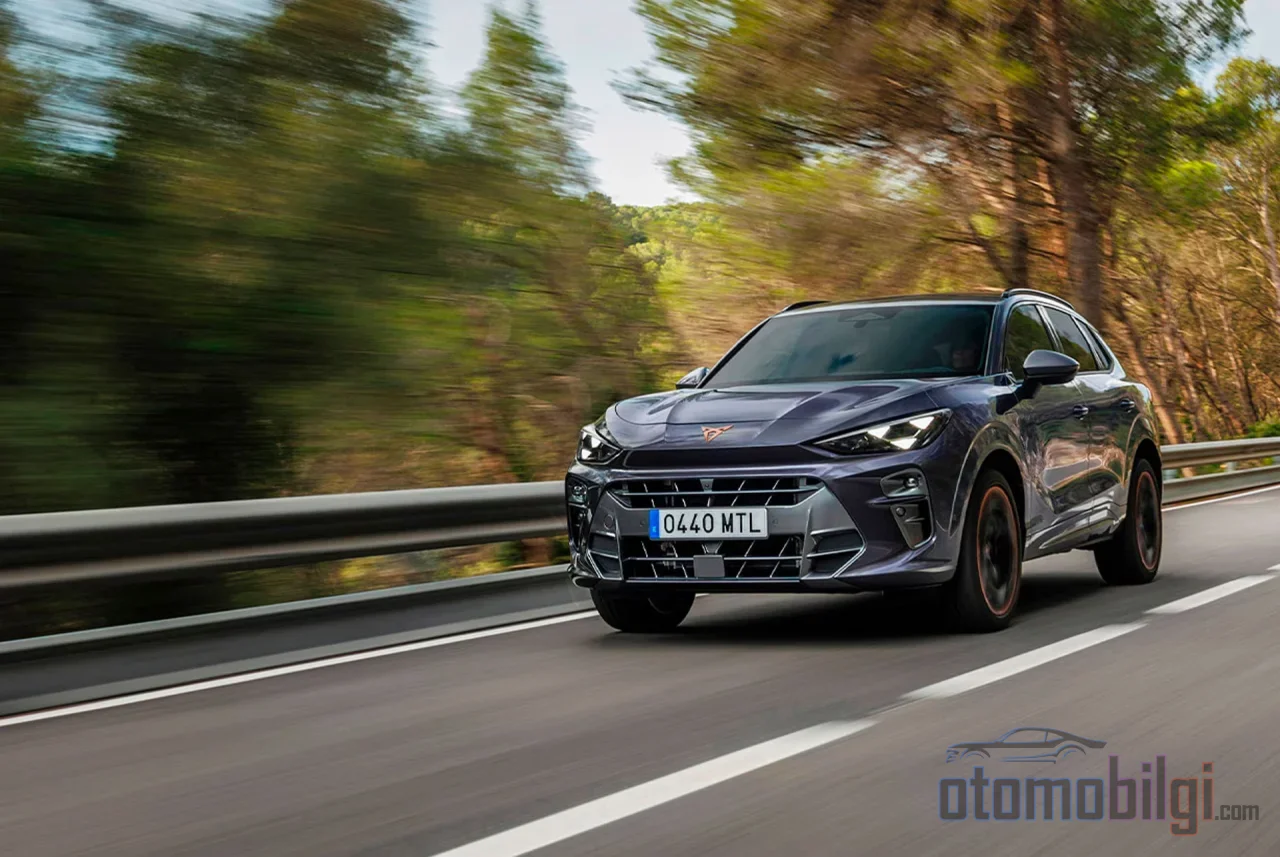
Exceeding 100 kilometers of electric range in a plug-in hybrid is no longer an extraordinary claim; the real question is how much of that range holds true in daily use, and what the car turns into once the battery is depleted. Terramar eHybrid, Cupra's first plug-in hybrid SUV, is a car that answers exactly this question: An electric range of up to 126 km on paper, 50 kW DC fast charging - still offered by only a few rivals in its class - and a bold sporty identity draped over the platform it shares with the Tiguan.
On this page, we will examine the Terramar eHybrid's powertrain architecture, its city and long-distance consumption character, its interior and luggage practicality, and its equipment structure with technical data. We will also weigh, one by one, the points that set it apart from its rivals.
The Terramar eHybrid's Powertrain Architecture: The Harmony of the Electric Motor with the 1.5 TSI
The Terramar is a sporty compact SUV that shares the same platform as the Volkswagen Tiguan. In eHybrid versions, the system consists of two main components: a turbocharged 1.5 TSI petrol engine with a displacement of 1498 cc and an electric motor integrated into the drivetrain. Power delivery is managed by a 6-speed DSG automatic transmission.
| Feature | e-Hybrid 204 PS |
|---|---|
| Petrol engine | 1.5 TSI turbo petrol, 250 Nm |
| System power | 204 PS (150 kW) |
| 0-100 km/h | 8.3 s |
| Top speed | 205 km/h |
| VZ version | 272 PS (200 kW), petrol unit 177 PS |
| Battery | 25.8 kWh gross / 19.7 kWh usable NMC |
There are two power levels. In the base 204 PS e-Hybrid version, the petrol engine alone produces 150 PS while offering 250 Nm of torque; system output combines at the 204 PS level. In the sportier 272 PS VZ version, the petrol engine rises to 177 PS and total system output climbs to 200 kW, that is, 272 PS. The performance difference is measurably clear: The 204 PS version completes 0-100 km/h acceleration in 8.3 seconds and reaches a top speed of 205 km/h; the VZ, meanwhile, finishes the same test in 7.3 seconds and goes up to 215 km/h.
The system's operating logic is built on three modes: full electric mode, TSI mode running on the petrol engine alone, and hybrid mode combining the two power sources. In the city, the car behaves practically like an electric vehicle; the petrol engine kicks in only at higher speeds or when the battery is depleted.
Battery and Charging System
At the heart of the package is a 96-cell lithium-ion NMC battery with a 19.7 kWh usable capacity (25.8 kWh total). The nominal pack voltage is 353 V. This is a capacity well above the class average and the main explanation for its range figures.
On the charging front, the Terramar eHybrid has a feature that sets it apart from most plug-in hybrids: support for DC fast charging of up to 50 kW. Charging from 10 percent to 80 percent takes about 26 minutes. Mode 2 (10A) and Mode 3 (32A) charging cables come as standard on e-Hybrid versions.
Highlights
- WLTP electric range between 110-126 km
- 19.7 kWh usable NMC battery, 50 kW DC fast charging
- Two power levels: 204 PS and 272 PS VZ
- Trunk capacity of 504 liters, 602 liters with the seats slid forward
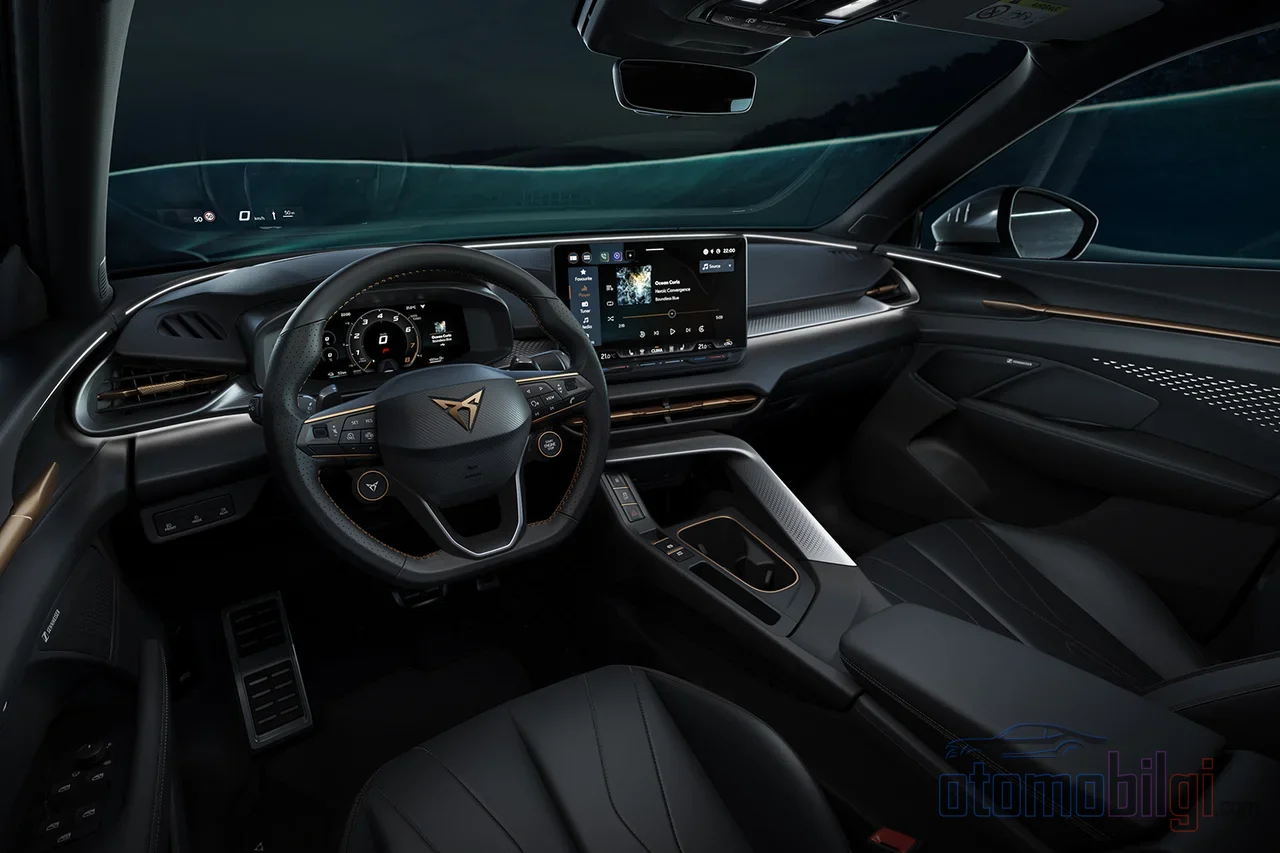
- 12.9" touchscreen and 10.25" digital cockpit as standard
Electric Range: The Gap Between WLTP Figures and Real-World Use
According to the official WLTP data, the Terramar eHybrid's electric range varies between 110 and 126 km; a figure above 118 km is stated for the 272 PS version. The official figure in the UK price list is 73 miles, which corresponds to roughly 117 km. It should be noted that different measurement cycles and version-specific hardware weights naturally create this range.
In the real world, expectations are a bit more cautious: in everyday use, 80-97 km of electric driving from the battery is a realistic range. Even that is more than enough to cover the entire commute electrically five days a week. If you consider that an average urban daily distance is 40-50 km, you only need to charge the battery every two to three days to use the Terramar essentially like an electric car.
Consumption Character: Electric in the City, Petrol on Long Journeys
The WLTP combined consumption figures for the e-Hybrid versions are in the 156.9-176.6 mpg band, with CO2 emissions stated at 36 g/km. According to the manufacturer's data, consumption starts from 1.6 l/100 km. However, official consumption figures for plug-in hybrids are based on a full-battery starting condition and do not reflect real-world use; the real engineering question is what happens when the battery is empty.
In fleet tests, when the battery was depleted and running on petrol alone, consumption was measured at around 44-46 mpg, or roughly in the 6.2-6.4 l/100 km band. Owners report satisfactory figures in hybrid mode after 2000 km on the 272 PS version; one user is reported to have achieved consumption of around 5.8 l/100 km. This is an acceptable profile for a C-SUV weighing over 1.6 tonnes, close to the typical petrol-mode figures of the class.
The engineering summary is this: The Terramar eHybrid's consumption character depends entirely on charging discipline. When the battery is charged regularly, petrol consumption nearly drops to zero; when it is not, the values settle at the level of a classic petrol compact SUV, as the 1.5 TSI carries its 250 Nm of torque. In a usage scenario with no charging opportunity, the plug-in hybrid advantage is effectively lost.
Interior and Trunk Practicality
In the interior, the 10.25-inch digital cockpit and 12.9-inch touchscreen are standard from the V1 trim level onward. Rear legroom and trunk capacity are found to be generous; the trunk offers 504 liters as standard, reaching 602 liters when the rear seats are slid forward. A variable trunk floor is available, but this feature is not standard on the e-Hybrid versions. Similarly, the slim spare tire and 18-inch spare wheel are incompatible with the e-Hybrid; you have to live with the tire repair kit.
There are criticisms too, and it is worth noting them honestly: Some owners report excessive use of plastic in the interior and say the Terramar's interior feels smaller than the Formentor's. In user comparisons with the Tiguan, VW's material quality and infotainment layout are preferred, while comments note that the Tiguan is also one step ahead in practicality. Cupra's answer is to make up for these shortcomings with its driving character and equipment budget.
Equipment and Technology: From V1 to VZ2
The trim hierarchy is structured as V1, V2, Tribe Edition, VZ1 and VZ2. Even at the base V1 level, standard equipment is extensive: wireless phone charging, three-zone climate control, media system with navigation, Full Link phone integration, CUPRA CONNECT services and an electric tailgate opened via the virtual pedal.
On higher trims the list expands considerably:
- Sennheiser Immersive sound system: 10 speakers and a subwoofer, 340W in total
- Head-up display
- CUPRA MATRIX LED Ultra headlights
- DCC (Dynamic Chassis Control): Comfort, Performance, CUPRA and Individual modes
- Travel Assist and Intelligent Park Assist, including remote parking
- Top View camera system
- Dinamica or leather bucket seats
In the UK, the warranty is offered as 5 years / 90,000 miles; that is a commitment clearly above the class's two-to-three-year standards.
How It Differs from the Tiguan eHybrid and Peugeot 3008: Sporting Identity
The Terramar and VW Tiguan share the same platform, similar dimensions and effectively the same hybrid architecture; so it is not technical data that sets them apart, but character. With a lower and wider stance, the Terramar draws a more planted, athletic profile on the road. While the Tiguan prefers a more functional and conservative design language, Cupra offers a driving-focused package with aggressive design details, bucket seat options, DCC chassis control and a 272 PS VZ version.
In the Peugeot 3008 comparison, the distinction follows a similar axis: While the 3008 highlights design and interior experience, the Terramar stands out with its options on the power and chassis side. We can summarize the balance like this: For practicality and material feel, the Tiguan; for character and performance, the Terramar.
Known Issues and Owner Experience
For an objective picture, the weak points also need to be conveyed. The most frequently reported issue among 1.5 eHybrid owners is on the infotainment side: screen freezes, blackouts and app crashes. User forums also list complaints such as vibration at high speeds and a softness feel in the left suspension. In service statistics, ignition coils after 25,000 km, injector clogging and turbo problems from 30,000 km onward stand out as typical failure items. None of them seem like widespread or structural problems, but it would be right to know about them before buying.
Assessment: Which Car Is the Terramar eHybrid Right For?
The Cupra Terramar eHybrid is a coherent package for the user who can charge at home or at work, covers their entire daily distance on electricity, and wants to head out on long weekend trips on petrol. Its official range of 110-126 km is above the class standard, and 50 kW DC fast charging support is still a rare feature among plug-in hybrids. The 6.2-6.4 l/100 km petrol-mode consumption with an empty battery is a reasonable real-world result for the class, and should not be confused with the official 1.6 l/100 km figure.
The trade-offs are clear: It gives up some practicality and material feel compared to the Tiguan, and in return gains a 272 PS VZ option, a more assertive chassis character and a standard equipment budget. Infotainment instability and the inability to carry a spare tire due to the battery are also among the facts worth knowing. For those looking for electric range, DC charging speed and a sporty identity in the same package, the Terramar eHybrid is one of the few options in the C-SUV segment.