Volvo XC60 T8: Electric in the City, Hybrid on Long Roads
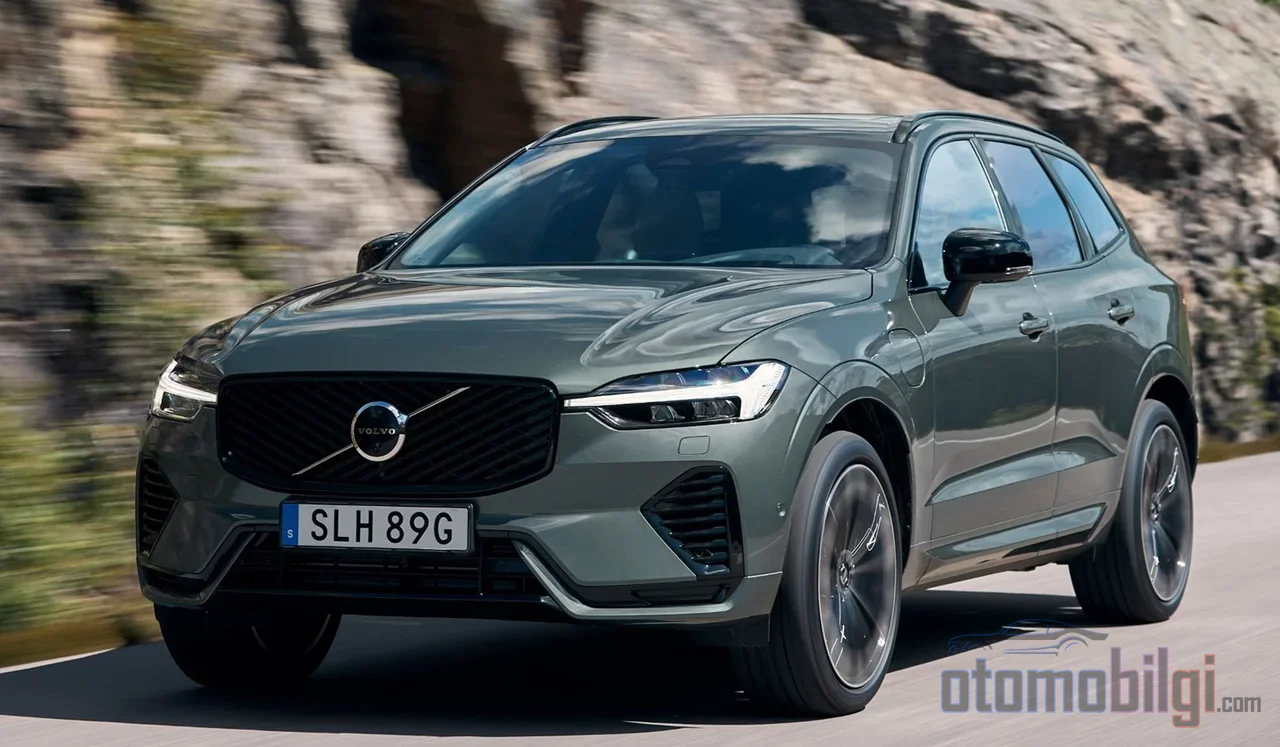
When you give a premium SUV 455 hp and 709 Nm of torque, what you expect is not power, but a dilemma: Is this car a speed machine, or a quiet city car? The Volvo XC60 T8's answer is both - and its secret lies in entrusting two separate axles to two separate motors. On the front axle is a 2.0-liter supercharged gasoline engine, while on the rear axle an electric motor generating its own power does the work. When the battery is full, the vehicle is a quiet, fully electric city car; when the battery runs out, it continues as a long-distance hybrid for the long haul.
On this page, we will go through the engineering of the XC60 T8's plug-in hybrid system, its real-world electric range, its city and long-distance consumption character, its interior and luggage practicality, and the aspects that set it apart from its rivals one by one.
Two Motors, Two Axles: The XC60 T8's Powertrain Architecture
The T8 departs from classic hybrid layouts where a single engine tries to do two jobs. The system has three electric machines and one gasoline engine: the transversely mounted 2.0-liter four-cylinder turbocharged gasoline engine produces around 312 hp and 400 Nm of torque and drives the front wheels through an eight-speed automatic transmission. On the rear axle, an electric motor producing 143 hp and 309 Nm of torque is on duty; thus traction is on all four wheels, but the arrangement is achieved not with a classic driveshaft, but with cables and electricity.
Between the engine and the transmission there is also a starter-generator motor; this unit both provides extra torque during gear changes and charges the battery. In total, the XC60 T8 system produces 455 hp and 709 Nm of torque - figures at a level that would even overshadow performance versions of the same segment.
Performance: 0-100 km/h in 4.9 Seconds
The system's promise on paper is also confirmed by real tests: 0-100 km/h acceleration is measured at around 4.9 seconds; some tests have recorded even more aggressive figures such as 4.4-4.5 seconds for 0-60 mph. Top speed is electronically limited and at a level of approximately 180-185 km/h. Despite a test weight of 2,174 kg, this performance comes from the instant-response torque character of the two motors. Additionally, a towing capacity of up to 1,588 kg preserves its family SUV identity.
Highlights
- System total power 455 hp, torque 709 Nm
- 0-100 km/h acceleration in 4.9 seconds
- 18.8 kWh battery, WLTP range of approximately 72 km
- Trunk 468 liters, 1,395 liters with the seats folded
- Maximum towing capacity 1,588 kg
Real Electric Range: How Many Kilometers in the City?
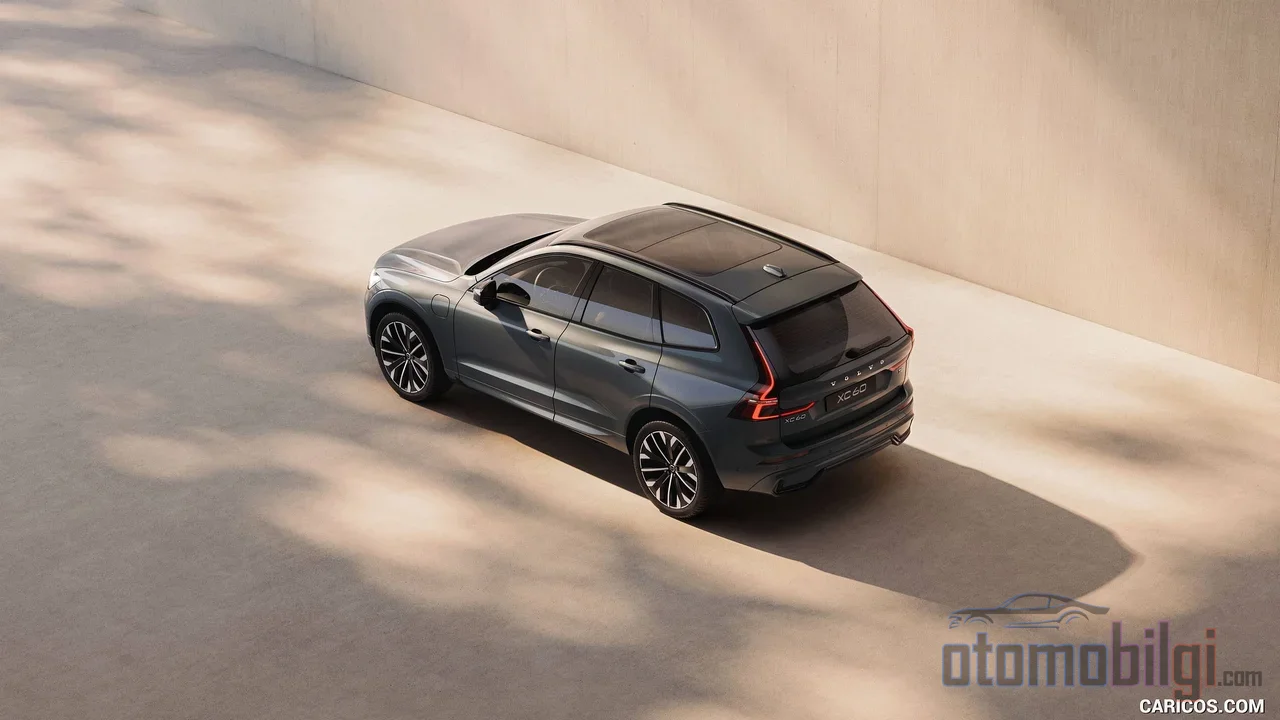
The XC60 T8's 18.8 kWh (gross) battery reports an electric range of approximately 72 km in the WLTP cycle, and up to 45 miles in some markets. The EPA standard applied in the US is more conservative and gives a range of up to 56 km; in independent tests, the real value is measured at around 50 km. On the other hand, user experiences report real ranges reaching 70-80 km when conditions allow - mild weather, city speeds, a fully charged battery. In short, the range figure varies depending on which measurement standard and which usage profile you are looking at; In markets where WLTP homologation applies, such as Türkiye, the official value is in the 72 km band.
The practical outcome is this: In 30-40 km daily city use such as commuting to work and school runs, the XC60 T8 effectively behaves as an electric vehicle. As long as the battery lasts, the petrol engine never kicks in; in long-term tests, users report refueling only once a month.
Charging Times and Limitation
There is a clear engineering limit here: The on-board charging unit is limited to 3.7 kW and DC fast charging is not supported. A full charge takes about 5 hours on a 240 V wall unit; on an ordinary 120 V household outlet, this extends to 10 hours. The vehicle comes with a portable charging cable of about 7 meters, compatible with both 120 V and 240 V. Once a nightly home charging routine is established, these times are not a problem; but in use without charging infrastructure, the vehicle largely loses the advantage of being a plug-in.
Consumption Character: With a Full Battery and After It Runs Out
With a full battery, the consumption picture changes dramatically. In mixed use, the equivalent consumption per liter can drop from 8.0 L/100 km to 4.8 L/100 km in a home-charged T8. When the battery is completely depleted, the petrol engine carries the entire load and consumption settles at 8.5 L/100 km - the natural consequence of a supercharged engine hauling a 2.2-ton body.
On longer journeys, the picture is more moderate: in highway tests at 120 km/h, consumption measured at 30 mpg, i.e. about 7.8 L/100 km; user forums confirm the 7.0-8.0 L/100 km band. So even with its battery depleted, the XC60 T8 offers reasonable consumption; the real savings come from electric mode in daily city use.
| Indicator | Value |
|---|---|
| Petrol engine | 2.0 turbo, 312 hp |
| Electric motor (rear axle) | 143 hp / 309 Nm |
| Combined system output | 455 hp / 709 Nm |
| 0-100 km/h | 4.9 s |
| Battery (gross) | 18.8 kWh |
| Electric range (WLTP) | ~72 km |
| Cargo (seats upright) | 468 liters |
| Cargo (folded) | 1,395 liters |
| Towing capacity | 1,588 kg |
Interior, Cargo and Technology Equipment
The price of the plug-in system shows up in the cargo area: The T8's 468-liter cargo volume is less than the petrol version's 483 liters; when the seats are folded in a 60/40 split, the volume rises to 1,395 liters. Under the cargo floor there is a dedicated storage compartment for charging cables and a 12 V outlet - a practical detail. The cabin carries five passengers; front seats offer 105 cm of legroom, and the rear 97 cm. A noticeable transmission tunnel in the rear seat somewhat restricts leg space.
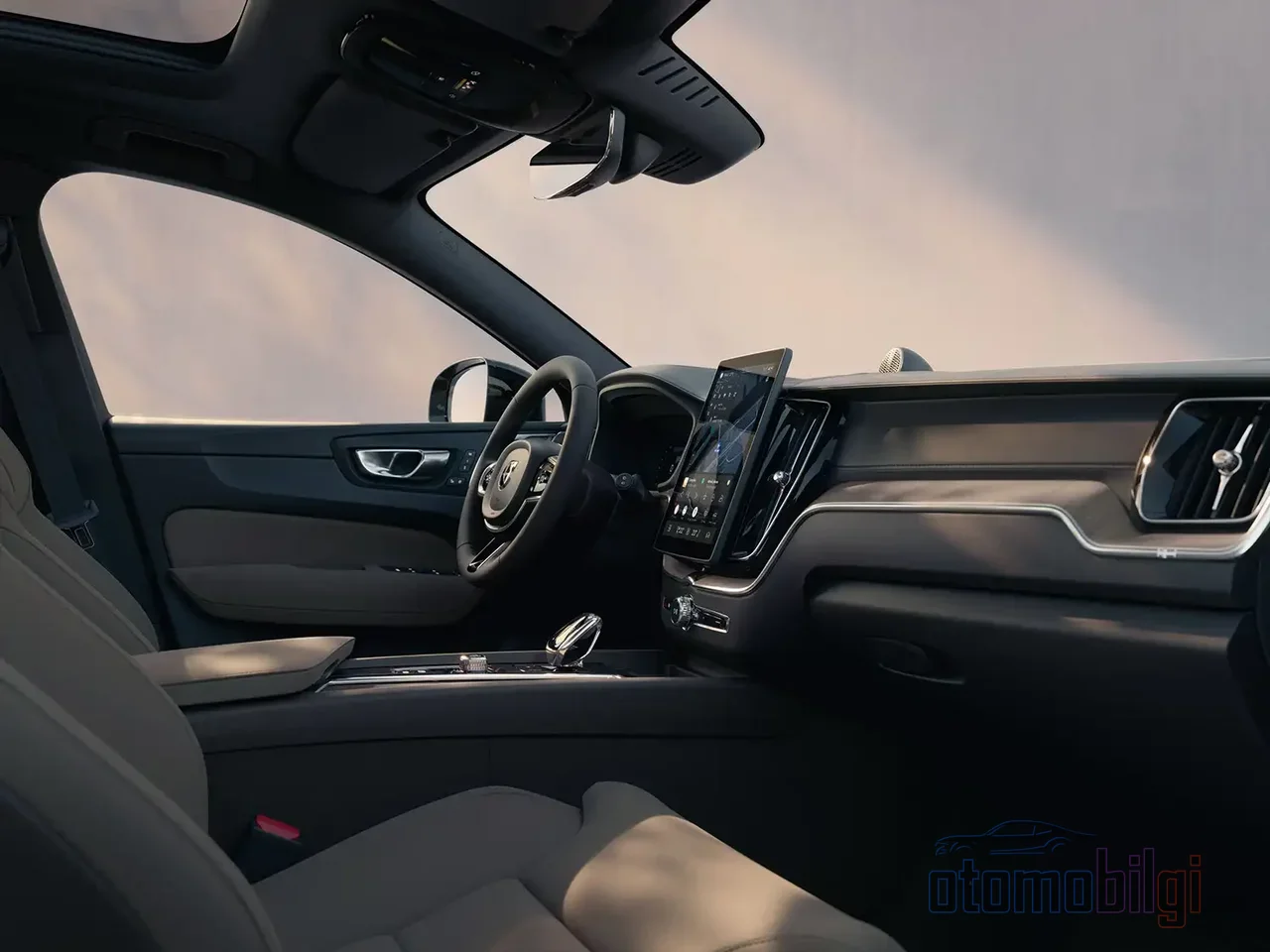
On the technology side, the current model year brings a clear leap: the 9.0-inch screen has been replaced by a Google-based, vertically oriented 11.2-inch touchscreen; Volvo reports that this screen runs twice as fast. The 12.3-inch digital instrument cluster, new grille pattern, and new wheel design also freshen up the exterior.
On the audio side, there is a tiered structure: above the standard speaker system, the Plus trim gets a 14-speaker Harman Kardon, while the Ultra and Polestar Engineered trims get a 15-speaker Bowers & Wilkins. The Orrefors crystal gear shifter, panoramic roof, wireless charging, and remote control via the Volvo Cars app are also part of the equipment inventory.
Safety-Focused Identity
The core axis that sets Volvo apart from its rivals is safety equipment: automatic emergency braking (with pedestrian detection) and lane keeping assist are standard; Adaptive Cruise Control, blind spot warning (BLIS), cross traffic warning, the Pilot Assist driver assistance system, a 360-degree camera, and a head-up display on higher trims are on the list. The BMW X3 30e or Audi Q5 55 TFSI e can be competitive in terms of power and range; but the XC60 T8 is one of the most assertive names in the segment when it comes to offering this safety and comfort identity in a single package.
Its Position Against Rivals: Versus the BMW X3 30e and Audi Q5 55 TFSI e
The numerical comparison is clear: The Audi Q5 55 TFSI e quattro offers 367 hp of combined power and a 0-100 km/h time of 5.1 seconds; BMW's current X3 hybrid version stays at 255 hp. The XC60 T8's 455 hp is above both of these - even surpassing performance versions like the SQ5 and X3 M50 - and it does so with plug-in hybrid flexibility.
It has weaknesses too, and to be honest: The lack of DC fast charging and a firmer suspension setup than some rivals are the main points of criticism. Also, the 3.7 kW charging limit is slow compared to more powerful units in the class. Nevertheless, segment evaluations describe the T8 as by far the best XC60 version; the combination of performance, electric flexibility, and a comfort-safety identity leads to this conclusion.
Ownership Experience: Living with Electricity
Long-term ownership reports paint a consistent picture: As long as the battery lasts, the car offers quiet and smooth electric comfort; users develop a conscious driving rhythm to avoid starting the gasoline engine. For a user with home charging, the T8 is a car that barely touches gasoline during the week and knows no limits on the weekend. For a user without home charging, charging times of five to eight hours are a serious practicality problem.
On the warranty side, long warranties such as 8 years/100,000 miles are offered for the powertrain and hybrid components; this means long-term assurance for the battery investment.
Conclusion: A Dual-Character SUV in a Single Package
The Volvo XC60 T8 is one of the clearest examples of the plug-in hybrid formula: a fully electric car in the city as long as the battery lasts, and on long roads a 455 hp gasoline-electric hybrid performance machine. Its WLTP range is approximately 72 km; once a home charging routine is established, most daily driving passes without exhaust emissions. The lack of DC fast charging and the 15-liter cargo space penalty; in return, the performance, safety equipment and ownership comfort compensate for this cost. Not an ordinary plug-in SUV, but one of the segment's strongest answers for those seeking an engineering product that has managed to reconcile two characters.
Sources
- 2026 Volvo XC60 Hybrid Review, Pricing, and Specs - Car and Driver
- Tested: 2026 Volvo XC60 T8 Puts the Fun Into PHEV - Road & Track
- Volvo XC60 | Midsize plug-in hybrid SUV - Volvo Cars Canada
- 2026 Volvo XC60 Plug-in Hybrid Model Review - McLaughlin Volvo Cars
- 2026 Volvo XC60 T8 plug-in hybrid review - Fleet News
- Review: 2026 Volvo XC60 T8 - MG Reviews
- 2026 Volvo XC60 T8 Recharge Review - The Drive
- Volvo XC60 plug-in hybrid long-term test - What Car
- Volvo XC60 Recharge T8 ownership review - Reddit
- 2026 Ranking: premium hybrid SUVs - HighMotor