Daihatsu Charmant Hybrid: The Anatomy of an Early Experiment
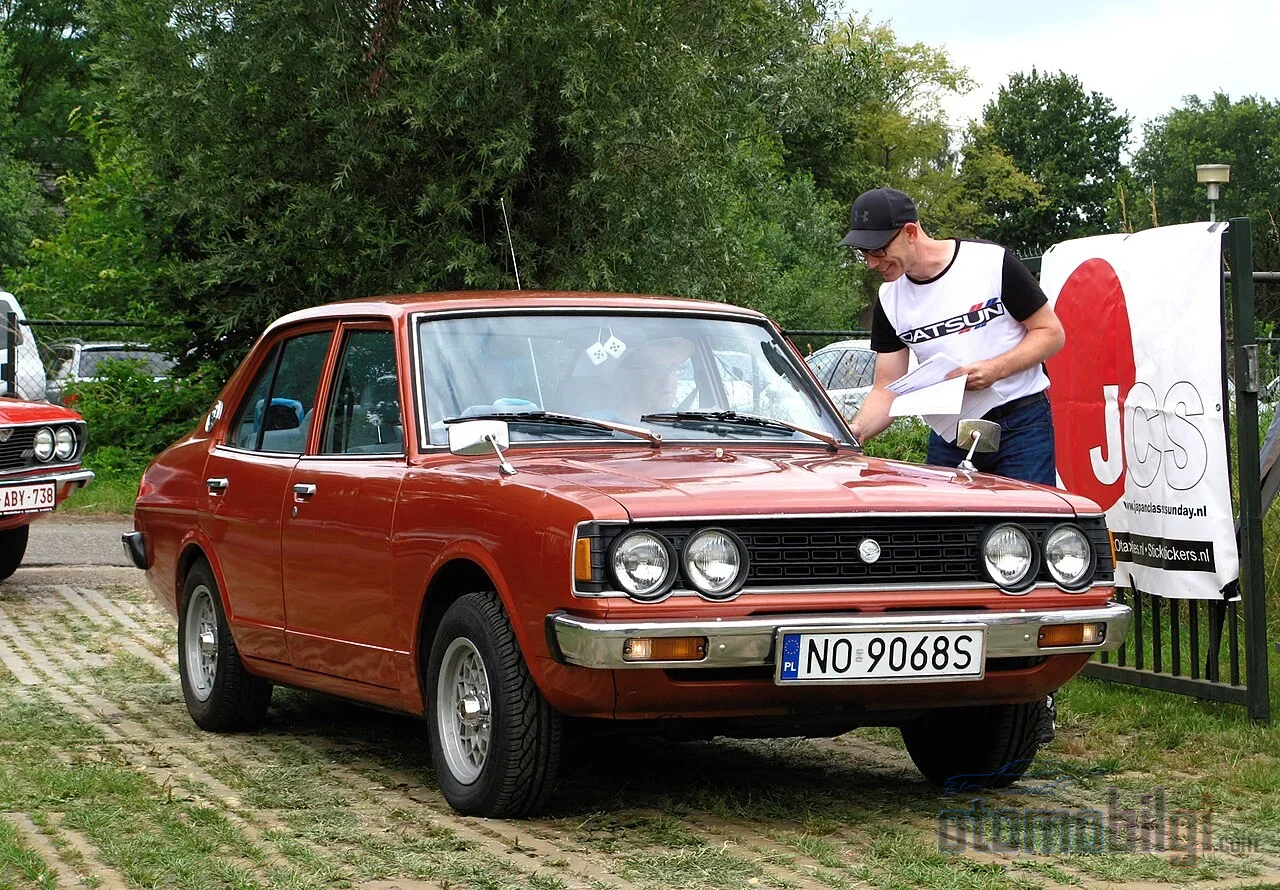
The year 1980 is a strangely empty year in the history of hybrid cars. Toyota started its first hybrid development program in 1968, but by the early 1980s it had shelved the project. In America, Briggs & Stratton is making headlines with a hybrid experiment featuring a six-wheeled single-piece vehicle. On the Italian side, Fiat is working on an experimental prototype with a DC motor. And in exactly this environment, the name of Japan's small-vehicle manufacturer Daihatsu is also mentioned, with a hybrid experiment built on its entry-level sedan, the Charmant. The subject of this page is precisely this experiment: what is known, what could not be verified, and where hybrid technology stood worldwide around 1980.
What Is the Charmant, and Why Did It Provide the Ground for This Experiment?
The Daihatsu Charmant is an entry-level sedan produced between 1974 and 1988, with a front engine and rear-wheel drive. The name comes from the French word "charmant," meaning charming; but the vehicle's technical identity is not French, it is Japanese: The Charmant is based on the Toyota Corolla E20 and E70 platforms, and all of its engine options are Toyota's inline four-cylinder units in the 1.2 to 1.6 liter range. This close engineering relationship between Daihatsu and Toyota is a typical model of what small Japanese manufacturers of the era shared with their major partners.
The first-generation Charmant was introduced in November 1974. Initially, the 1.2-liter (1166 cc) 3K-H engine produced 71 PS gross, while the 1.4-liter (1407 cc) T engine produced 86 PS gross. In 1975, with the transition to the catalytic converter-equipped DECS-C system, emission-focused 3K-U (64 PS) and T-U (78 PS) versions arrived. The November 1976 facelift raised the T-U's output to 82 PS gross. In March 1978, the 1.3-liter 4K-U (72 PS) and the 1.6-liter 12T-U lean-burn engine (88 PS gross) were added to the range. By 1980, the chassis featured in the hybrid experiment was this mature and well-known platform.
Highlights
- The Daihatsu Charmant is an entry-level sedan based on the Toyota Corolla, produced between 1974-1988.
- Technical details regarding the claimed 1980 hybrid experiment do not appear in any reliable archival record; power, torque, and consumption figures were never disclosed.
- Toyota's earliest hybrid work dates back to 1968; the project was halted in the early 1980s.
- The Toyota Prius, the first mass-produced hybrid car, only reached the roads in Japan in 1997.
- Daihatsu announced its first mass-produced electric vehicles in February 2026.
Why Is So Little Known About the 1980 Charmant Hybrid Experiment?
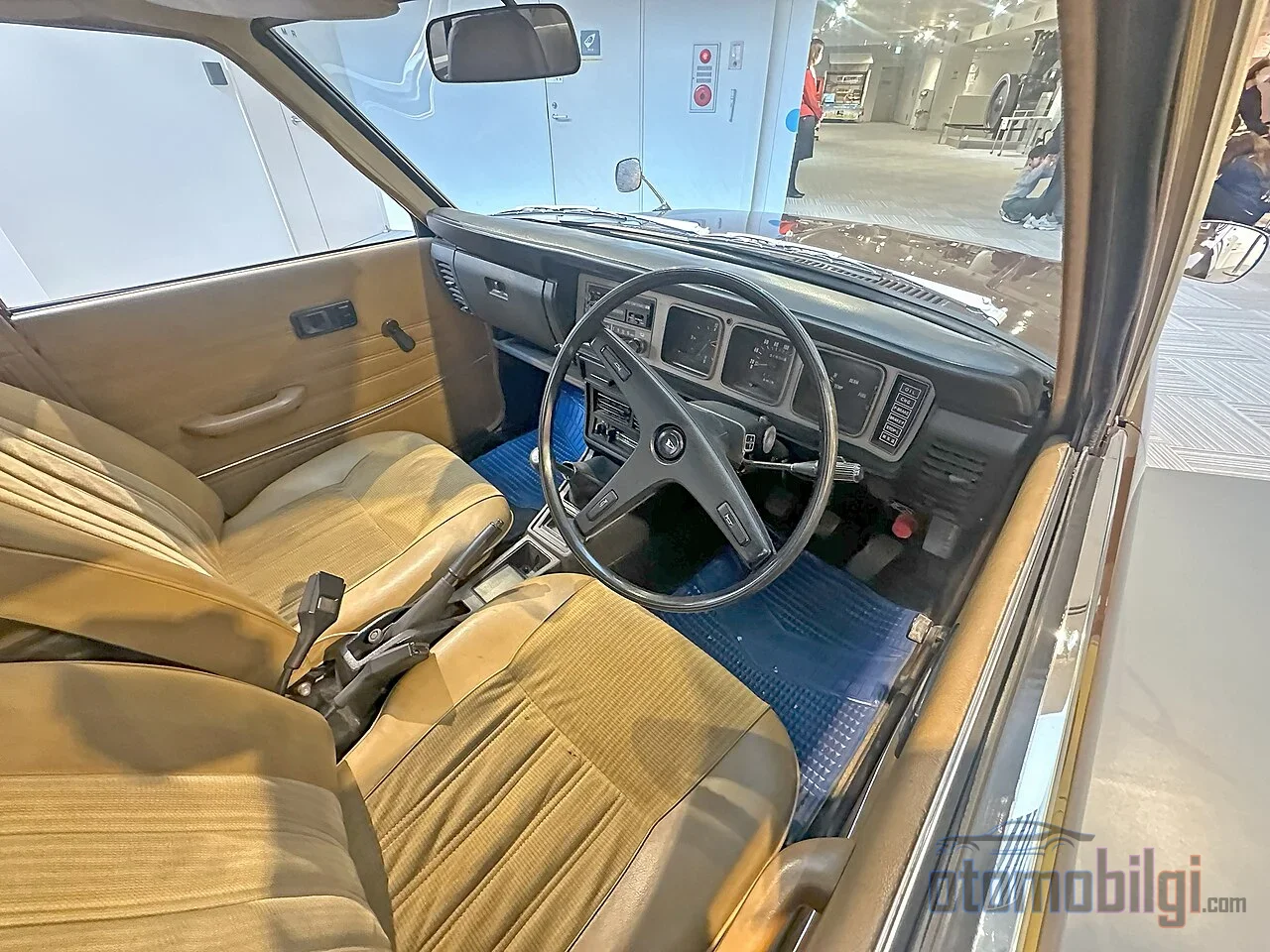
Here, an honest engineering approach requires drawing a clear framework around the subject: The architecture described in accounts of the 1980 Daihatsu Charmant hybrid prototype, consisting of a two-cylinder 550 cc generator and two DC electric motors, is not supported by any verifiable technical record in current automotive archives or in Daihatsu's own historical narrative. In encyclopedic Charmant sources, the section devoted to hybrid models is effectively empty; the manufacturer's official history pages also make no mention of such a prototype. This gap demonstrates not only how little known the subject is, but also the absence of verifiable data points.
So what does this mean? There are two possible scenarios. First: Daihatsu, in the period following the oil crisis of the late 1970s, may have carried out an experimental drivetrain study like similar organizations, and this work may have remained on paper or at the workshop stage; it is normal for projects of this kind to disappear without a show prototype for that era. Second: even if the system does converge toward the generator-equipped series hybrid architecture as claimed, no measurable value such as power, torque, battery capacity, or consumption has ever been published. In both cases the same conclusion applies: this page presents only defensible data instead of fabricated figures.
The Only Known Concrete Basis: Data of the Standard Charmant
Below are the reliably known values for the 1980 model year Charmant 1400, the vehicle on which the hybrid experiment was based. The power, torque, acceleration, and consumption figures of the hybrid prototype were never disclosed by the manufacturer; therefore no fabricated figures are entered into the table.
| Feature | Value |
|---|---|
| Model | Daihatsu Charmant 1400 (1980, standard version) |
| Engine | 1.4 L (1407 cc) Toyota inline four-cylinder, naturally aspirated engine |
| Power | 45.6 kW / 62 PS |
| Drive layout | Front engine, rear-wheel drive |
| Platform | Based on the Toyota Corolla E70 |
| Production period (1st generation) | 1974-1981 |
| Hybrid prototype data | Not disclosed by the manufacturer |
Where Was Hybrid Technology in the 1980 World?
To put the Charmant claim into proper context, it is essential to look at the technological environment of the era. The idea of a hybrid car was not new: While working at Lohner-Werke, Ferdinand Porsche introduced the world's first hybrid car as a prototype in 1900, and this design, with hub motors placed on each front wheel, became in 1901, under the name Semper Vivus, the first pioneering example of series hybrid architecture. In this series design, where the engine charged the battery to feed the electric motor, the closest industrial forerunner in concept was the Owen Magnetic. In short, the engineer of 1980 had eighty years of conceptual accumulation at hand; what was missing were the components that would make this accumulation cheap, lightweight, and reliable.
The Post-Oil Crisis Prototype Wave
The oil crises of the 1970s pushed major manufacturers back into experimentation. In 1967-68, AMC, GM, and Ford developed passenger car prototypes; GM's experimental hybrid study coded 512 is a product of this period. Around 1979-80, Briggs & Stratton made a single-piece, six-wheeled hybrid experiment combining a 700 cc gasoline engine with an electric motor of roughly 6 kW, drawing attention with a consumption claim at the level of 2.8 L/100 km. In the same years, Fiat was also working on an experimental hybrid prototype with a DC electric motor. In Japan, on the other hand, Toyota's first hybrid development program, dating back to 1968, was halted in the early 1980s on the grounds of cost and component maturity.
This very picture also explains why a Daihatsu-type small manufacturer might have attempted such an experiment in 1980: in the post-crisis market, low fuel consumption was a competitive weapon, power electronics had not yet matured, and no one was certain which architecture held the solution. The generator plus DC motor combination was the most accessible architecture with the alternator and direct current technology of the era; the transistorized inverter revolution came later, in the 1990s.
Why Did No Early Hybrid Make It to Series Production?
Whether the Charmant experiment remains a fact or merely a narrative, the reason the series never reached production carries nothing unique: all hybrid attempts around 1980 hit the same three walls. The first was cost. The electric motor, generator and battery pack were not cheap enough to fit within the price structure of a subcompact sedan. The second was weight. The batteries of the lead-acid era, far behind the energy density of today's lithium-ion cells, created not a rescue but a mass penalty. The third was control electronics. The shortcomings in power electronics could only coordinate the two power sources efficiently at the expense of mechanical complexity.
Toyota's suspension of its own hybrid program in the early 1980s is likewise the corporate expression of the same reasons. The solution would have to wait for all three components to mature at the same time: efficient power electronics, NiMH-type batteries, and computer-assisted energy management. This convergence only became possible in the mid-1990s with Toyota's G21 project.
From the Charmant to the Prius: Completing the Line
The order changed in 1997. The Toyota Prius hit the roads in Japan as the world's first series-production hybrid electric car and was recorded by the IEEE as an engineering milestone. In 1999, the Honda Insight brought its parallel-architecture mild hybrid approach, in a three-door, two-seat body, to the US market for the first time. The Prius's fundamental operating principles followed in the footsteps of Victor Wouk's experimental work in previous decades; in other words, the accumulation stretching from 1900 to 1980 could only turn into a commercial product with the right components. The plug-in phase began in 2010 with the Chevrolet Volt.
On the Daihatsu side, the line lasted much longer. Having remained a specialist in gasoline-powered small vehicles for many years, the company announced its first series-production battery electric model, the e-Hijet Cargo, in February 2026 and stated that it was carrying out full hybrid development work inspired by Toyota's hybrid system. The hybrid curiosity shelved in the early 1980s could only turn into a corporate product forty-six years later.
Conclusion: The Value of Early Attempts Lies Not in Data, but in Setting the Direction
The answerable question about the Daihatsu Charmant Hybrid is this: in 1980 in Japan, a hybrid experiment with a generator and DC motor on a Toyota Corolla-based chassis was on the agenda; however, since the technical data of this attempt were never published in any reliable record, the power, torque and consumption figures remain unknown today, and the prototype never made it to series production due to cost, battery weight and lack of control electronics. Early hybrid attempts, even without producing measurable data, set the direction: by showing which architectures did not work, they paved the way for the 1997 Prius. The historical value of the Charmant claim lies here as well; not as a data point, but as a largely undocumented trace bearing witness to 1980 Japan's quest for propulsion technology.
Sources
- Daihatsu Charmant
- 1980 Daihatsu Charmant 1400
- Daihatsu Charmant 1.6 MT Specs
- List of hybrid vehicles
- Development of Prius and Hybrid Strategy - Toyota Global
- Milestones: Toyota Prius, 1997 - ETHW
- What Came Before: The Real History of the Toyota Prius - Car and Driver
- Gamechanger: first hybrid car - Porsche Stories
- Cars of Futures Past: 1901 Lohner-Porsche Semper Vivus and Mixte - Hemmings
- Daihatsu Launches First Mass-Produced BEVs - daihatsu.com