Driving Habits That Extend Hybrid Battery Life
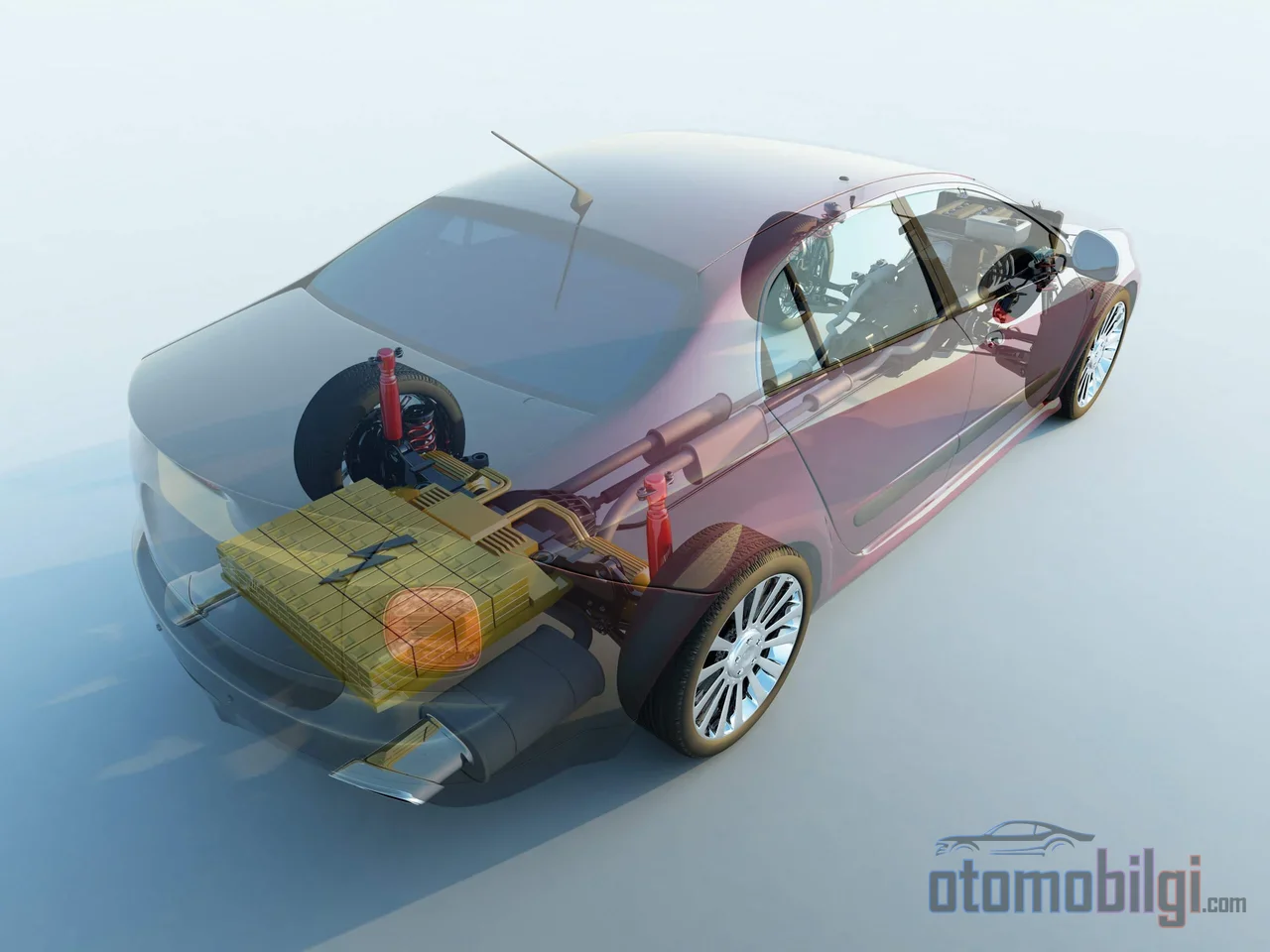
When buying a hybrid vehicle, battery warranty, life expectancy and replacement cost are among the biggest items on the table. An average hybrid battery is designed to last 8-10 years or 160,000-250,000 km, and replacing it requires a serious budget of around $2,000-8,000. But these numbers are not destiny; daily usage habits largely determine how long the battery will last. Two vehicles of the same model, even though purchased in the same year, can reach lifespans differing by tens of thousands of kilometers due to differences in charging discipline, parking spot preference and driving style. This page is about exactly that: the area you can control.
Although battery chemistry seems complex, its basic logic is simple. Lithium-ion cells accumulate stress in their electrode structures in response to overcharging and complete discharge; high temperature, in turn, accelerates internal chemical reactions, creating permanent, irreversible wear. A driver who can manage these two sources of stress can reach the full designed lifespan of the battery, and even exceed it. Service data shows that Toyota hybrid batteries work for 12-15 years in real-world use; performance even beyond the warranty period.
Charging Habits: Why Does the 20-80 Rule Work?
The most common and best-proven rule for hybrid and plug-in hybrid (PHEV) batteries is to keep the charge level between 20% and 80%. The logic chain works like this: when the battery is left completely full or completely empty, the voltage inside the cells approaches its limits and the electrode integrity is subjected to extra stress. A cell operating in the middle band, however, remains in the chemically most balanced zone. For PHEV owners, avoiding a 100% charge and not letting it drop below 20% is defined as the golden rule; a range of 40-80% is also a reasonable alternative for daily use.
The picture is a bit different for full hybrid (HEV) owners: in these vehicles, the vehicle computer automatically manages the charging window and no driver intervention is needed. With a PHEV, however, when you unplug it truly makes a difference. Also, allowing the battery to cool for a few minutes before charging is one of the easiest and free methods that extends its lifespan; batteries perform better when warm but charge more healthily when cool.
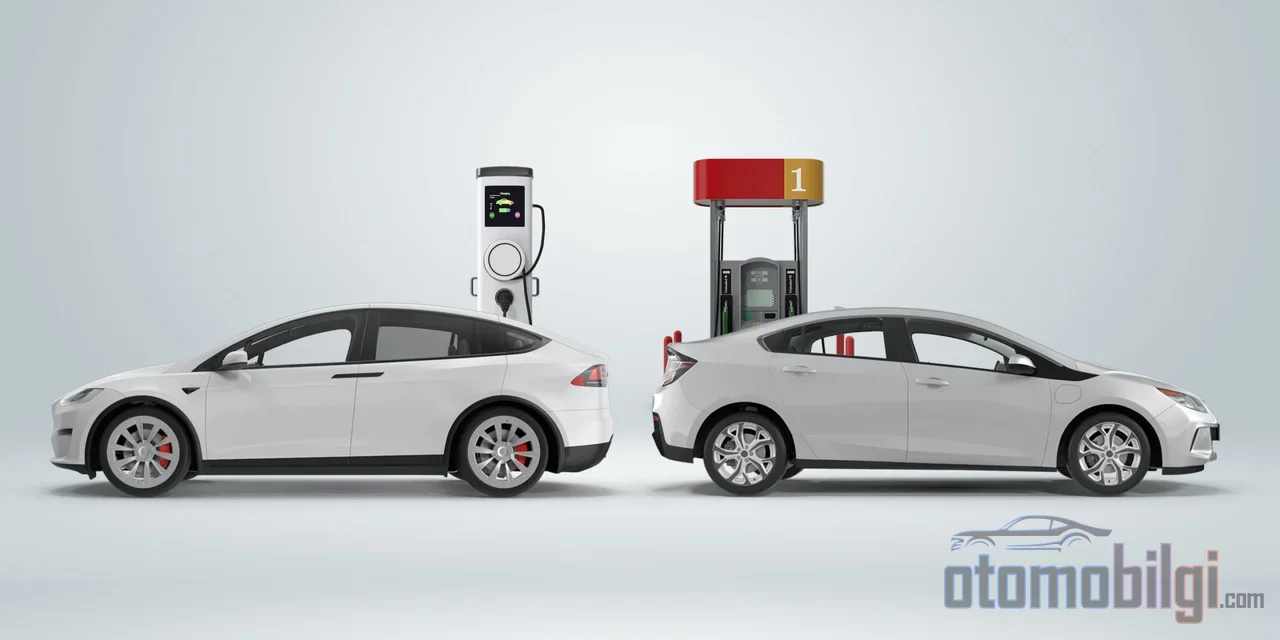
Charging speed is also a decision point. DC fast charging is the most stressful method for the battery; with continuous use, it can lead to a 3-5% reduction in battery life at around 80,000 km. Slow charging from a household outlet (120V) is the gentlest method for battery health, while the intermediate power of 240V is the balanced choice between performance and lifespan.
The Hidden Danger of Complete Discharge
A vehicle left completely empty for weeks can suffer permanent capacity loss. This scenario usually arises as a result of neglect: the car is pulled into the garage for a long time, no one checks it, and both the 12V battery and the hybrid battery drift into deep discharge. The rule is clear: a vehicle that will not be used for a long time should be charged to an appropriate level before storage and started regularly.
Highlights
- Hybrid battery average: 8-10 years / 160,000-250,000 km; 12-15 years possible with service data
- Keeping the charging window within the 20-80% range minimizes electrode stress
- Cold-weather range loss can reach 34-40% but the effect is temporary; heat's effect is permanent
- Regenerative braking recovers up to 70% of kinetic energy and does not degrade the battery in normal use
- Battery replacement costs $2,000-8,000; preventive habits are the biggest savings tool
Temperature: Heat Is the Battery's Biggest Enemy
Temperature management stands out as the single most critical factor in battery health. Range loss in cold weather is frustrating but temporary: in severe cold, hybrid range can drop to 34% and full electric range to 40%, but capacity returns when the weather warms up. The effect of heat, on the other hand, is permanent. High temperature accelerates the chemical reactions inside the cells and leads to structural wear, meaning irreversible capacity loss. This asymmetry is a clear message for drivers living in a country where climate preference becomes battery policy: summer is far more dangerous than winter.
Parking Spot Is a Maintenance Decision
During extreme heat waves, parking in direct sunlight is the choice that ages the battery fastest. Shade or an enclosed garage significantly reduces the ambient temperature around the battery area. A heat-soaked battery runs the cooling system longer and more intensively to cool down; in some cases it may never return to the ideal operating temperature. On the winter side, the precautions reverse: parking in a garage reduces the cold's effect, and pre-heating while plugged in maximizes range before setting off. Unlike standard 12V batteries, hybrid batteries are far less prone to freezing; nevertheless, manufacturers like Volvo recommend not leaving the car uncharged for longer than 24 hours below -30 °C.
Cooling System: Invisible Life Support
The hybrid battery's cooling vents are usually located inside the cabin, near the rear seats. The practical consequence of this design is: luggage or clothes thrown onto the rear seat can block the vents and cause heat buildup. The battery cooling filter should be checked approximately every 48,000 km and replaced if necessary; blocked vents cut off airflow and force the fans twice as hard as normal.
Cabin cleanliness here is not an ordinary comfort matter. Accumulated dust enters the cooling fan and clogs the system over time; regular vacuuming of the rear seat area prevents the fan system from clogging. A dirty cooling fan is explicitly listed among the factors that shorten battery life in Turkish service and inspection sources as well. When fan maintenance, moderate cabin temperature settings, and avoiding deep discharge are applied together, completing the battery pack's design life is largely guaranteed.
Driving Style: Gentle Throttle, Long Life
Hard acceleration and sudden braking damage the battery in two ways: they rapidly drain energy and generate excessive heat in the cells. Abrupt speed changes also force the control computer to switch frequently between the gasoline and electric motors; since the system constantly changes modes, it falls outside its efficiency window. Smooth driving, however, does not only save fuel: efficient driving habits can increase range by up to 20%. Eco mode automatically optimizes settings such as throttle response and climate control for this efficiency.
The Square Law of Speed
Aerodynamic drag increases with the square of speed; at 130 km/h far more energy is consumed than at 105 km/h. Dropping your highway speed a few notches measurably reduces the load on the battery. From an engineering standpoint, this is a free gain: it requires no maintenance, only determination.
The Balance Between Electric and Gasoline Modes
The practical advice for PHEV owners is clear: electric mode should be chosen for low speeds and city driving, while hybrid mode should be selected on highways and uphill climbs. Constant full-electric short-distance use overworks the system; balanced use that preserves the gasoline engine's power reserves extends the life of both energy sources. Regular use is also part of battery health: hybrid batteries stay healthiest when they operate in cycles. If the vehicle will remain stationary for a long time, a short weekly drive both charges the 12V battery and activates the hybrid system; the chemical balance in the cells remains undisturbed.
Does Regenerative Braking Wear Out the Battery?
The short answer: no, not in normal use. Regenerative braking can recover up to 70% of kinetic energy; it extends battery life, reduces brake pad wear, and increases range. Academic studies show that regenerative braking can also suppress battery temperature increases by regulating the charging current. In other words, regeneration in the right dose is not a stress for the battery but a support system.
The subtle distinction here is the dose. The system works automatically in most hybrids; in some models, its level can be adjusted with the paddles on the steering wheel. Driving continuously at the highest regeneration level under hard use can generate momentary high charging currents when going downhill. Regeneration used at its natural level in moderate, flowing traffic requires no concern. Moreover, engine braking downhill is already embedded in many hybrids as an engineering solution that protects both the braking system and the battery.
Monitoring Battery Health: Gauges and Reports
Measurement is needed in order to see the rewards of good habits. Manufacturers' vehicle apps provide data such as energy consumption, charging history, and remote climate control; daily habits can be monitored from there. For a more in-depth check, the hybrid system inspection comes into play: Under Toyota's program, the hybrid battery warranty of a vehicle that successfully passes the hybrid system check is extended, limited to 1 year/15,000 km. In other words, the periodic check provides both information and warranty.
On the used car side, a battery health report is now a standard requirement. Authorized service centers and corporate inspection firms with diagnostic equipment perform the test; independent certified measurement systems and mobile apps make the pre-purchase check easier. Since the battery can account for 30-50% of the vehicle's total value on the used market, this report is the decisive document in negotiations. The battery health report ranks at the top of the pre-purchase checklist.
Short Answer: How to Extend Hybrid Battery Life?
Five habits are enough to extend the life of a hybrid battery: keeping the charge level between 20-80%, parking in the shade or a garage in summer and leaving the cooling vents open, accelerating gently and avoiding sudden braking, using the vehicle regularly and taking precautions during long idle periods, and adding the battery cooling filter to the maintenance schedule. These five items together neutralize heat-related permanent damage, deep discharge stress, and inadequate cooling - the three main causes that prematurely age the battery.
Examples from the real world are encouraging: a hybrid battery that has traveled for 14 years and 490,000 km can far exceed its design targets. The difference lies not in the battery itself, but in how it is treated. While battery replacement sits on the table as a $2,000-8,000 item; zero-cost habits such as charging discipline, parking in the shade, and regular use are the strongest tools for postponing that item on a yearly scale.
Sources
- Electric and Plug-In Hybrid Electric Vehicle Best Practices
- The Ultimate Guide to Extending Your Hybrid Battery Life
- Conquer Range Anxiety: 7 Proven Ways to Maximize Your Hybrid and EV Battery Performance
- Managing Battery Health and Performance - Volvo Cars
- Toyota Hybrid System Check and Hybrid Battery Warranty
- Hybrid Battery Health: 7 Pro Tips - KBB
- Effect of Regenerative Braking on Battery Life (MDPI)
- How UK Weather Really Impacts Your Hybrid Battery Life - GreenTec Auto UK
- When Does a Hybrid Vehicle Make Sense? - 2026 Decision Guide
- Inspection Guide for Hybrid and Electric Vehicles