What Are the Most Frequently Failing Parts in a Hybrid Car?
Share This Page
The parts that fail most often in hybrid cars are different from the items we are used to in gasoline vehicles: the inverter cooling pump, DC-DC converter, battery cooling fan, rust-prone brake discs, and the oxygen (ego) sensor lead the way. Since mechanical wear is reduced, the failure map shifts toward electrics and heat management; recognizing the right symptoms keeps a minor pump replacement from turning into an inverter or battery replacement.
Highlights
- Inverter cooling pump repair at a qualified independent shop runs about $800–1,000; the part is around $220 from the dealer.
- A clogged battery cooling fan can throw fault code P0A82 and push cell temperatures to critical levels.
- Regenerative braking extends pad life, but it accelerates rusting of the rear discs.
- In Türkiye, a Corolla Hybrid battery replacement is estimated at 80,000–120,000 TL; roughly 15–20% of the car's value.
- On Toyotas that pass a hybrid system inspection, the battery warranty can be extended up to 1 year/15,000 km.
Inverter cooling pump: small part, big risk
The inverter, the heart of the hybrid system, converts high voltage into a form the motor can use, generating serious heat in the process. The job of carrying that heat away falls to the electric inverter cooling pump, which works much like the water pump in a gasoline car. When it fails, circulation in the cooling circuit stops; the inverter and hybrid drive unit begin to overheat. In other words, the problem itself is a relatively cheap part, but if it is neglected, you pay for it with the inverter or the hybrid battery.
The symptoms typically pile up on the dashboard: brake warning, ABS and VSC lights, and in some cases a high-pitched alert sound from the cluster. Shops that demand an electrical analysis can charge hefty diagnostic fees at this stage; dealers are known to ask for a diagnosis in the $300–400 range alone. Yet the pump itself is about $220 from the dealer, and the labor is a 1–2 hour job. An independent but qualified shop can complete this repair, including coolant draining, flushing, and filling, for a total of around $800–1,000. In models like the Toyota Prius, the pump is a model-specific single unit, so despite being cheap, supply problems can occur; which means spare part planning should be done in advance.
DC-DC converter failure: why does it turn the car into a "brick"?
The DC-DC converter steps energy down from the high-voltage battery to the 12-volt network; everything from the headlights to the ECUs is fed from this 12-volt line. When the converter fails, the 12V battery cannot charge, and the classic symptoms begin to appear one by one:
- Repeated 12V battery failures and the car failing to "wake up" in the morning
- A large number of random warning lights on the cluster that seem unrelated to each other
- Charging problems, unstable voltage, and recurring fault codes
The harshest scenario is the car becoming completely disabled. When the converter stops working, the 12-volt network drains, the car cannot wake up any module, and it goes to the shop on a tow truck. This table appears not only in full hybrids but also in 48V mild hybrid systems; in one example it covers, a Land Rover Defender experienced a "safe stop" warning and a converter failure with a burning smell at just 6,000 km. Owners have a separate complaint as well: the replacement part needed to fix the fault is not in stock, and there is uncertainty over whether the part will actually solve the problem.
Repair or replacement? The dealership channel tends to favor complete replacement and high diagnostic fees; in contrast, businesses that specialize in converter repair at hybrid service shops aim to avoid the cost of a complete replacement. While repair at the circuit board level is a sensible middle ground, finding a properly equipped service shop to do the job is the real challenge.
Battery cooling system and fan: the cheapest precaution, the most expensive neglect
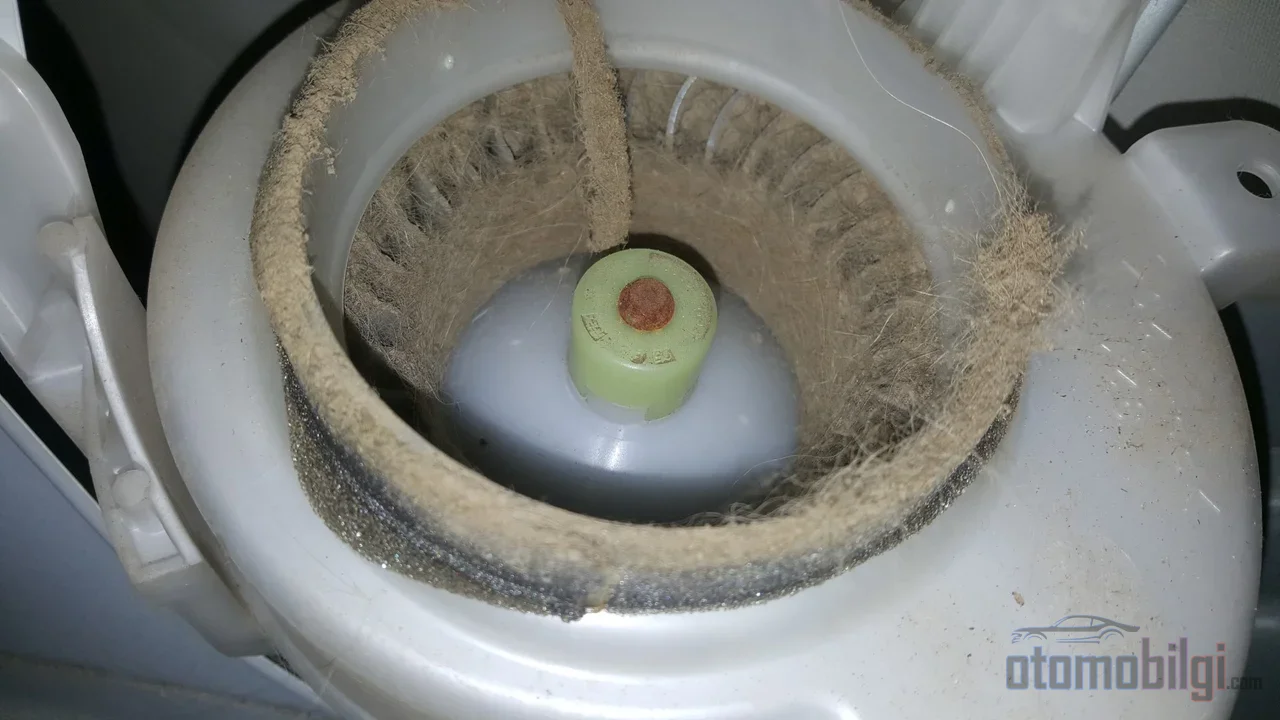
The hybrid battery lives in an enclosure behind the cabin and is cooled by airflow. Over time, the fan that provides this airflow accumulates dust, hair, and dirt sucked in from under the seats in its filters. A clogged fan loses efficiency; in hot weather, cell temperatures rise, system performance is throttled, and in the long run battery degradation accelerates. In one Prius C example, a neglected, clogged fan led directly to battery failure.
The symptoms are easy to recognize:
- The fan running noticeably loudly or never going silent
- Rattling or whining sounds coming from the trunk/rear seat area
- Fault code P0A82 and hybrid system warning lights, the red triangle alert
- Noticeably increased fuel consumption and power loss in hot weather
Here is the critical detail: A "low cooling performance" warning does not always mean dead battery cells. The cause may be a worn or seized fan motor or blocked airflow; so when you see the warning, your first expense may be a fan cleaning, not a battery replacement. Periodic cleaning of the fan and filters is the lowest-cost insurance of hybrid ownership.
The regenerative braking paradox: pads last a lifetime, discs rust away
In hybrids, regenerative braking handles most of the braking: the motor switches to generator mode, converts kinetic energy into electricity, and the friction brakes are left with almost no work to do. The result cuts both ways. Pad life is many times longer than in a gasoline car; on the other hand, the mechanical brakes engage so rarely that the discs rust before they wear out. Especially in rainy, snowy, or humid climates, corrosion develops rapidly on the rear discs; within months, the discs can become coated with a reddish-brown layer. This is a new class of problem the service industry has had to learn in the hybrid era.
Light surface rust on a disc is normally cleaned off by itself through pad contact during braking; but since regenerative braking reduces this contact, the cleaning does not happen sufficiently. It is therefore not surprising that an owner of a high-mileage hybrid may show up at the service center with rusty rear discs even at a low mileage like 8,000 miles. Also, when the software integration in the transition between regenerative and mechanical braking is problematic, pedal feel can become abnormal and braking can become inconsistent; if you notice such a difference in feel, have the brake system checked early. A practical way to keep the discs alive is to deliberately engage the friction brake with occasional hard braking under safe conditions.
Oxygen (EGO) sensor: the classic failure coming from the gasoline side
Hybrids are not entirely electric; the gasoline engine inside still relies on the oxygen (lambda) sensor in the exhaust line. This sensor calibrates the injection mixture ratio by measuring the amount of oxygen in the exhaust in front of the catalytic converter. It is one of the frequently seen failure items in hybrid vehicles and, if neglected, can lead to engine damage. The symptoms are familiar: the check engine light, declining fuel economy, bad smell from the exhaust, and loss of power.
The cost varies over a wide range depending on the vehicle and sensor type. Professional replacement is generally $200-500; but in models like the Prius, the average including labor can reach $593-670. For those who will replace it themselves, the picture is brighter: a narrow-band type sensor can be found for under $40, while heated OEM parts are available at around the $150 level. After a vehicle ages, this sensor should be one of the first items checked; it is both cheap and its impact on fuel consumption is measurably high.
Costs and the warranty reality in Türkiye
Behind all of these parts, the biggest item is the hybrid battery, and the picture in Türkiye is becoming clear: estimated battery replacement for the Corolla Hybrid is 80,000-120,000 TL; roughly 15-20% of the vehicle's value. A major expense, but not a figure close to the car's worth. With regular use, battery life can generally exceed 200,000 km; while the typical design life is 8-10 years, real-world use can extend this to 12-15 years. The main factor that shortens life is exposure to extreme heat and cold in a setting without a garage. If the vehicle is not used for a long time, the battery charge may drop and the car may not start at all; this is a risk worth knowing for those planning long-term parking.
On the warranty side, there are two layers. Although it varies by brand and country, the hybrid battery warranty is generally at the level of 8 years. Beyond that, Toyota Türkiye's hybrid system check program extends the battery coverage up to 1 year/15,000 km for vehicles that pass its check successfully - meaning regular checks are a financial decision both in terms of diagnosis and warranty extension. Even so, problems in warranty processes are also visible; public complaint platforms contain current records of hybrid battery fault codes and allegations of negligence in the warranty process. Keeping a complete recorded maintenance history during the warranty period strengthens your hand in case of a dispute.
| Part | Typical symptom | Approximate cost |
|---|---|---|
| Inverter cooling pump | ABS/VSC/brake warning lights, alert sound from the dashboard | $800-1,000 (independent service), part ~$220 |
| DC-DC converter | 12V failure, numerous warning lights, vehicle won't start | Repair or complete replacement; varies by service center |
| Battery cooling fan | Noisy fan, P0A82 code, power drop in hot weather | Cleaning is cheap; neglect leads to battery failure |
| Brake disc (rear) | Rusty discs, abnormal pedal feel | Regenerative braking reduces pad wear |
| Oxygen sensor | Check engine, poor fuel economy, odor, power loss | $200-500; averages $593-670 on a Prius |
| Hybrid battery | Rapid discharge, range drop, system failure warning | 80,000-120,000 TL (Corolla Hybrid, Türkiye) |
Frequently asked questions
Is it worth repairing the inverter pump on a high-mileage hybrid?
If the pump repair stays within the $800-1,000 range and the inverter has not yet been damaged, this expense is almost always more sensible than spending the same money on a new car loan payment; because early intervention protects both the inverter and the HV battery. The decision threshold is the point where the pump is neglected and the inverter becomes damaged.
Is a battery replacement economical on a ten-year-old hybrid?
If the vehicle's overall condition is good and there are no issues other than the battery, a replacement in the 80,000-120,000 TL range means spending 15-20% of its value to buy several more years of use. Alternatively, some service centers offer package repairs involving cell detection, repair, and balancing; complete replacement is not the only option.
Which items remain your responsibility once the warranty ends?
Out-of-warranty risk concentrates on the largest items: the battery, inverter, and DC-DC converter. Regular participation in check-up extension programs is the cheapest vehicle insurance that effectively extends the warranty period.
Conclusion: hybrid maintenance is about heat and voltage management
The failure map of hybrid ownership differs from that of gasoline cars, but it is not fatalistic. Items such as the cooling pump, battery fan, and DC-DC converter can be resolved with low-cost repairs when addressed at their early symptoms; when neglected, they jump to the battery and inverter and multiply tenfold. Problems that look classic, such as brake disc rusting and the ego sensor, can also be managed with regular checks. To summarize the picture: keep the fan clean, don't skip check-up periods, take the 12V and warning lights seriously - and you protect the hybrid's most expensive parts with the cheapest habits.
Sources
- Inverter Coolant Pump Failure Diagnosis and Replacement - ToyotaNation
- Inversion Pump Issues in 2008 Prius: Repair Guide & Costs - JustAnswer
- Prius Hybrid Inverter Coolant Drain, Flush & Refill Cost - RepairPal
- Inverter Coolant Pump Troubleshooting - PriusKings
- EV DC-DC Converter Explained - EV Repair Specialist
- DC-DC Converter failure - DiscoSportForums
- BMW DC-DC Converter Replacement London | Hybrid Repair - Fix Any Hybrid London
- PSA to clean your hybrid battery fans routinely - r/prius
- Why Hybrid Battery Cooling Fan Cleaning Matters - TheHybridGeek
- Prius battery cooling fan service - PriusRepairShop
- Cooling Performance of the Hybrid Battery Is Low - AtomicAuto
- Why Hybrid Brake Pads Rust and Seize - Westside Auto
- Regenerative Braking and Rear Brake Corrosion Explained - TireReview
- Hybrid car brakes - Rotinger
- Bad O2 Sensor: Symptoms, Causes, Replacement Cost - CarParts
- Toyota Prius Oxygen Sensor Replacement Cost - RepairPal
- When Is a Hybrid Car Worth It? - 2026 Decision Guide, Otomkezi
- How long does a hybrid car battery last? - Otokoc Secondhand
- Toyota Hybrid System Check and Hybrid Battery Warranty - Toyota Türkiye
- Toyota Hybrid Vehicle and Hybrid Warranty Complaints - Şikayetvar
- Disadvantages of Hybrid Cars in 10 Points - EV SANLAB
- Charging warning for hybrid vehicles during the full lockdown period - Anadolu Agency
- Hybrid Battery Repair and Replacement - Form Oto Service