Why Do Hybrid Cars' Cooling Systems Require Extra Maintenance?
Share This Page
The cooling system of a hybrid car differs from the single-circuit radiator logic of a gasoline vehicle: besides the internal combustion engine's own liquid cooling circuit, there is a separate liquid circuit for the inverter and power electronics, while the high-voltage battery uses air cooling with a fan and air filter in most models. Two of these three lines - the inverter coolant and the battery air filter - fall outside traditional maintenance habits and are therefore neglected; yet a clogged fan or a fluid past its service life can turn directly into tens of thousands of dollars in battery and inverter costs. This guide explains how each circuit works, the maintenance schedule, and the costs.
Key Takeaways
- A hybrid vehicle typically has two or three separate cooling circuits: engine, inverter/power electronics, and (air-cooled) battery.
- The first change of the inverter coolant is scheduled with long intervals such as 150,000 miles / 180 months in Toyota examples, then every 50,000 miles / 60 months.
- The battery air filter should be cleaned every 20,000 miles; the filter itself costs around $15-20.
- Dealer-priced fan/filter service ranges from $75-450; DIY is cheaper.
- Hybrid battery replacement costs $2,000-8,000; module-level diagnostics, at $100-150, can prevent that expense.
Why does a hybrid vehicle have more than one cooling circuit?
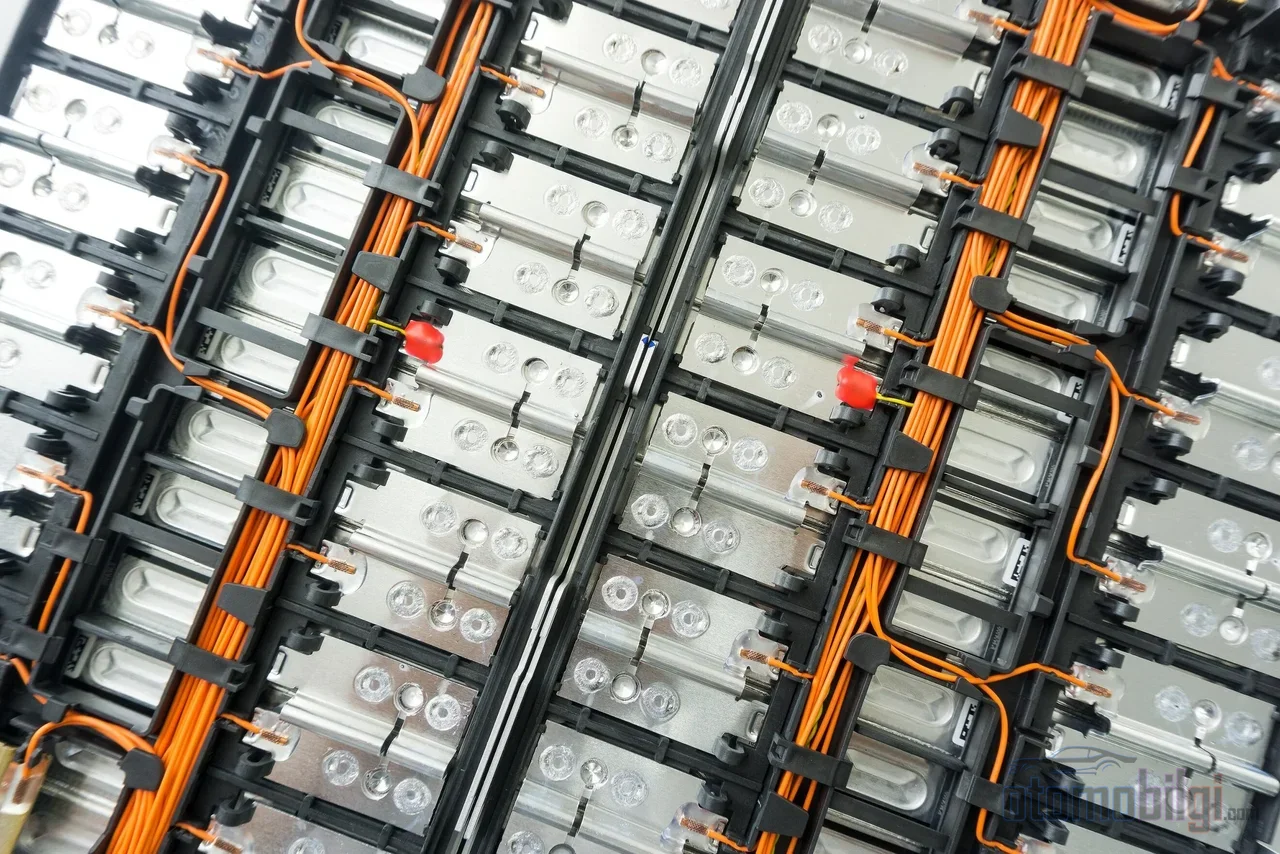
In a gasoline vehicle, the cooling system's job is single and clear: to expel the heat generated in the combustion chamber via the radiator. In a hybrid vehicle, this job is split into two, or in some models three. The engine's own circuit keeps the classic layout; in addition, the inverter - the power electronics unit that converts the battery's DC power into the AC power supplied to the electric motor - is cooled with a separate liquid circuit. The high-voltage battery, in most Toyota hybrids, uses not liquid but air cooling: the battery is placed under the rear seat, and air drawn from the cabin is passed through a fan and air filter over the battery cells.
The reason for this separation is that their heat characteristics differ. While the engine circuit operates at temperatures up to hundreds of degrees, the inverter and battery must be kept at much lower temperatures within precise ranges. Each circuit has a different coolant specification and its own service interval; that is why the maintenance schedule lists the circuits not as a single "radiator fluid" item but as separate items. In Toyota's official maintenance program, the hybrid system test and the inspection of the high-voltage battery cooling system are maintenance items in their own right; the hybrid system is to be inspected every 15,000 km.
The logic of the architecture is this: inverter failures are expensive, and overheating is the primary cause of these failures. The integrity of the inverter cooling circuit - fluid level, quality, pump, and circuit sealing - is written directly onto the inverter's lifespan. Similarly, every minute the battery cells stay above the temperature range accelerates degradation. In short, in a hybrid the cooling system is not a comfort feature but the insurance of battery and inverter life.
When is inverter coolant replaced?
There is no single standard among manufacturers, and this is understandably confusing. While Toyota's maintenance schedules replace the engine coolant at 100,000 miles / 120 months, a separate schedule is set for the inverter coolant. For example, on the RAV4 Hybrid, the first inverter coolant change in 2022 is at 150,000 miles / 180 months, then every 50,000 miles / 60 months after that. The same logic appears in the Prius 3rd generation (2010-2015) schedule: engine coolant first change at 100,000 miles or 10 years, then every 50,000 miles or 5 years; a separate line for the inverter.
As a general rule, hybrid and EV coolant service can rely on intervals such as 10 years / 200,000 miles or on the phrase "lifetime fluid"; however, most manufacturers do define an actual replacement interval. Tesla, on the contrary, recommends a firm mileage-free calendar: once every 4 years. The table they will read is as follows: intervals are long and model-specific, so the single source of truth is your own vehicle's maintenance schedule.
On the cost side, a hybrid inverter coolant drain-flush-fill averages 359-424 dollars; of which 139-204 dollars is labor. The replacement requires less about the fluid itself and more about testing the circuit and using the correct specification - it is work near the high-voltage system, so it demands more expertise than a routine job.
How is battery fan and air filter maintenance done?
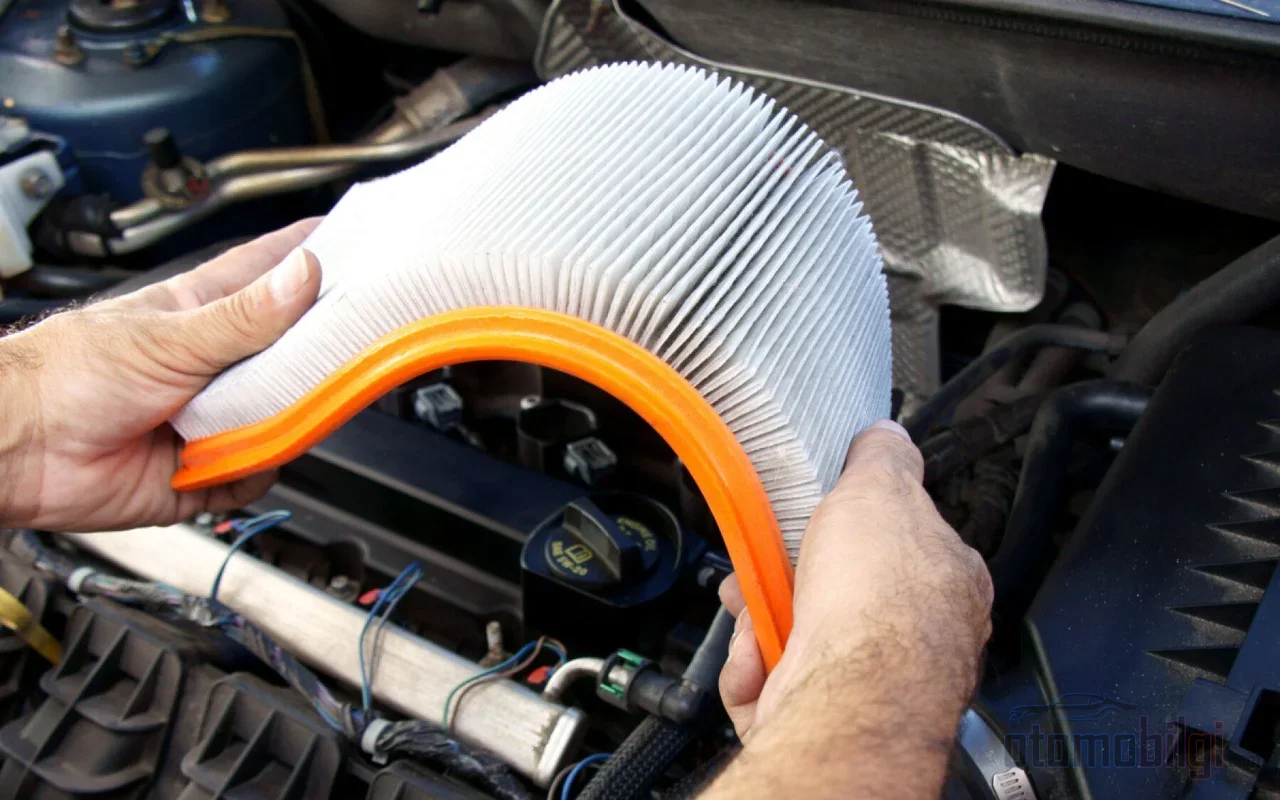
The two most sensitive parts of an air-cooled battery are the fan and the filter. Toyota's recommendation is clear: visual inspection of the air filter every 5,000 miles, full cleaning every 20,000 miles. The filter is cheap - around 15-20 dollars each - and easy to replace; the fan rarely needs cleaning as long as the filter works properly.
The trouble starts with the particles the filter cannot catch. Dust, hair and pet fur accumulating in the air ducts gradually clog the ducts and the fan impeller; this clogging develops faster especially in vehicles used by pet owners and in dusty environments. The cleaning procedure is described in 3rd generation Prius guides as follows: removing dust and hair from the high-voltage battery, fan impeller, control module and air ducts with a vacuum and compressed air. The same method is followed in Aqua videos - the rear seat cover is removed, the fan is taken out of its bolts, and the fins and filter are washed.
Are dealership prices reasonable, or DIY?
The price difference is most striking here. A Venza owner was quoted 75 dollars for fan/filter cleaning, while a RAV4 owner was offered a 450 dollar battery cooling service; another user wrote that they preferred to do the 319 dollar filter replacement and duct/fan cleaning themselves. The common observation is this: dealer prices remain high when measured against the replacement of a cheap and simple filter. A note for those planning a battery replacement: it should be confirmed whether fan cleaning is included in the installation service.
How does a clogged fan affect the battery and fuel economy?
The effect of restricted airflow is chained and measurable. First the filter clogs; airflow decreases, the battery heats up. For the heated battery, the fan has to run more frequently and at higher speeds - a louder fan is the first sign of this. Overheating, in turn, accelerates cell degradation permanently: the battery's capacity and performance drop, and this decline is reflected in fuel economy and electric-mode driving. In advanced cases, the hybrid system warning lights come on; a known fault indicator in battery cooling is the warning meaning "hybrid battery cooling performance low."
At the cheap end of this chain is a 15-20 dollar filter, and at the expensive end is a battery replacement in the 2,000-8,000 dollar range. Module-level battery diagnostics cost 100-150 dollars, and this small expense can catch clogging-related overheating early and prevent a major replacement. In winter months, the picture changes somewhat: cold temporarily reduces the lithium-ion battery's capacity and increases its internal resistance; the control module puts more load on the engine. But the main silent risk that persists year-round is the clogging that shows itself in the heat.
Cost table: how much is paid for which service?
| Service | Cost | Note |
|---|---|---|
| Battery air filter (part) | 15-20 $ | Easy replacement, DIY-compatible |
| Fan/filter cleaning (dealer) | 75-450 $ | Varies by model and scope |
| Inverter coolant replacement | 359-424 $ | Drain-flush-fill; labor 139-204 $ |
| Module-level battery diagnostics | 100-150 $ | Can prevent a major replacement |
| Hybrid battery replacement | 2,000-8,000 $ | In Toyota, the traction battery starts at 2,000 $ |
| Battery replacement labor | 500-1,500 $ | In addition to the part price |
The takeaway from the table is simple: annual fan and filter maintenance offers the chance to postpone this expense for less than one percent of the cost of the most expensive line. Data from New Zealand supports the same message: of 104 documented battery failures across 59 models, half cost up to 2,200 dollars, and the other half up to 7,000 dollars. Most battery failures observed are reported to be caused by overheating or negligent maintenance.
What should be watched out for in dusty and hot use in Türkiye?
Türkiye's usage profile directly triggers the weak points of this system. Dusty and unpaved grounds shorten filter life; in families carrying pets, hair and fur accumulation accelerates duct clogging. In extremely hot regions, the battery's chemical structure wears out faster; for users parking without a garage, environmental conditions are among the main factors affecting battery life. Air conditioning use in the summer months creates an indirect load on the hybrid system - performance may vary depending on driving conditions.
But there is also good news: Toyota hybrid batteries are showing a lifespan of 12-15 years in real-world use, and with 5th generation hardware this can extend up to 15 years. The warranty is 10 years, but service data points to an even longer lifespan. The overall range can be summarized as 8-15 years / 200,000-300,000 km. In other words, with proper maintenance the battery is a resource that outlasts the vehicle's life.
When buying second-hand and choosing a service
When evaluating a second-hand hybrid, two records in the service history should be checked: battery cooling fan maintenance and hybrid system inspection. In Türkiye, a user reports the battery price as 80 thousand TL - against this figure, a documented service history is a measurable value in negotiation. The work the owner needs to do themselves is limited but clear: periodic filter checks, visual inspection of cabin and trunk air channels for blockages, and diagnostics before the warning light comes on.
When it comes to service selection, the picture is two-sided. Routine maintenance - oil, filters, visual inspections - can be done at any service; standard periodic maintenance can be as cheap as or even cheaper than a gasoline car's. But the high voltage system requires trained personnel and equipment; generic OBD-II devices cannot access the battery management system and inverter data, so expert diagnostics are necessary. It should also be remembered that independent garages are not always cheaper, and non-OEM battery module and inverter parts can be risky. The most common failures in aging hybrids come back to three items: neglected battery cooling maintenance, ignored 12V battery degradation, and superficial brake checks.
Conclusion: small maintenance, big difference
The hybrid's cooling system is not as complicated as it seems; only the maintenance map differs from a gasoline car. The engine circuit follows the usual schedule, the inverter fluid requires a long but defined schedule, and the battery is protected by the regular replacement of an inexpensive filter. The filter costs 15-20 dollars; a battery replacement costs 2,000-8,000 dollars. The relationship between these two figures is the clearest engineering calculation of hybrid ownership: keep the air path clean, read the fluid schedule from your vehicle's program, and have module diagnostics done before the warning light comes on.
Sources
- Hybrid Vehicle Service: The Complete Maintenance Guide
- How to maintain a hybrid car? Take care of these 5 things
- Inverter Coolant service interval
- Toyota Hybrids: inverter coolant change interval?
- Hybrid Inverter Coolant Drain, Flush & Refill Cost Estimate
- Hybrid Battery Air Filter Inspection Guide
- Why Hybrid Battery Cooling Fan Cleaning Matters
- HV Battery Cooling Signs of Clogged Fan and Ducts
- Hybrid Battery Service Explained: 2026 Owner's Guide
- What It Really Costs To Replace A Toyota Hybrid Battery
- How Long Does A Hybrid Car Battery Last?
- When Does A Hybrid Car Make Sense? - 2026 Decision Guide
- Driving A Hybrid Car In The Summer Months
- How Long Is The Lifespan Of A Hybrid Battery?