Finland Approves Tesla FSD, Sets a Condition for the Name
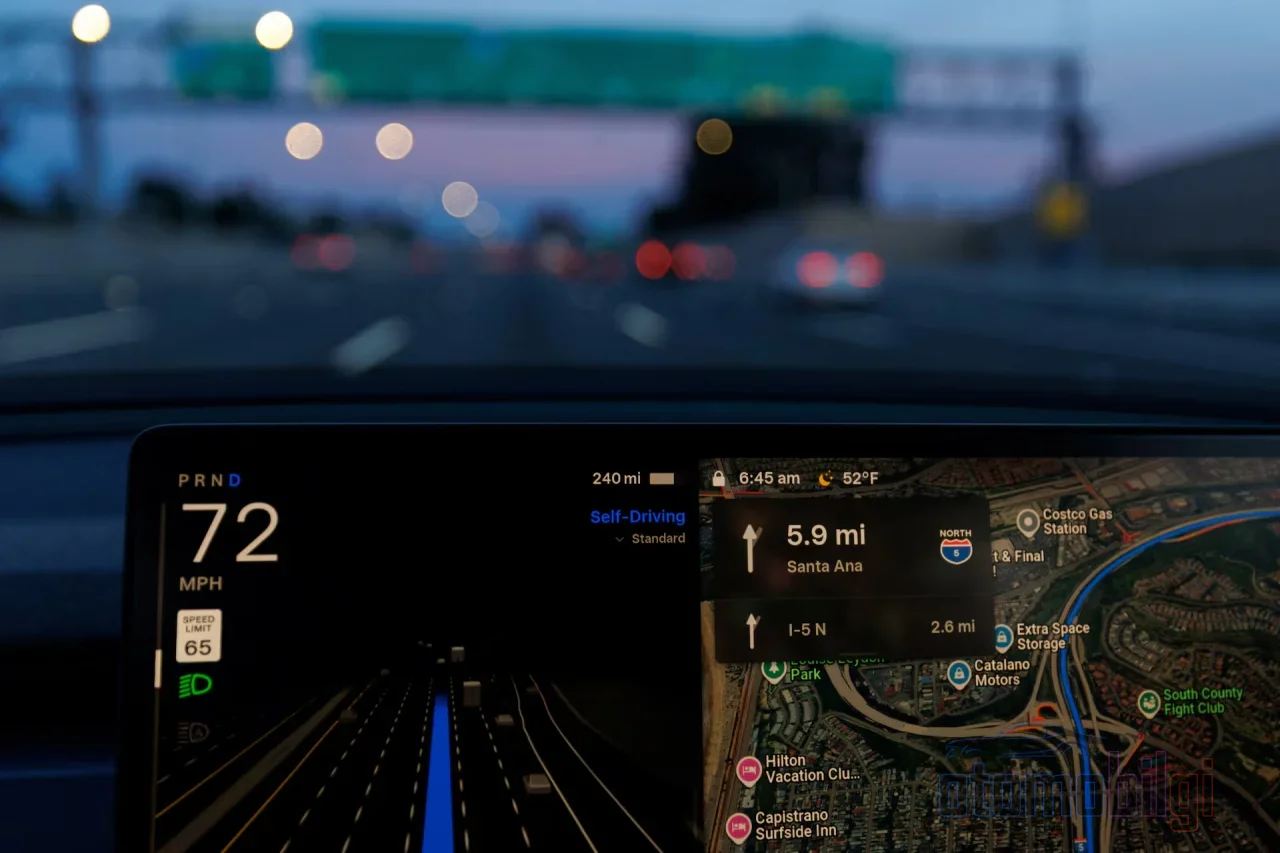
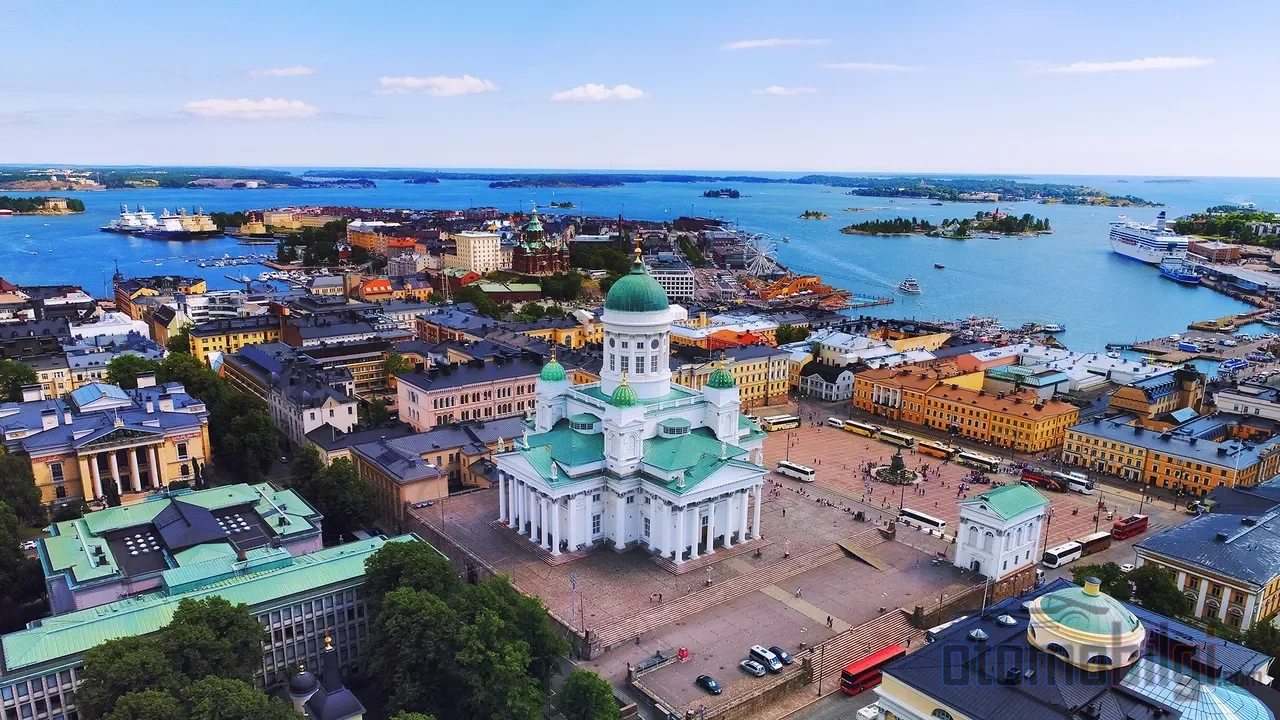
Every passing year of driver assistance systems in Europe is remembered for regulators' strictness; but Finland's decision this week wrote perhaps the most interesting chapter of the series. Finland's Transport and Communications Agency Traficom granted temporary type approval to Tesla's controversial driver assistance software on November 10, 2026 and allowed the system to be used on Finland's roads. The decision can be summarized in a single sentence: the system may come, but not under the name "Full Self-Driving." So where did this name condition come from, and what did Finland's approval change in Tesla's European picture?
Finland's Approval: What Was Granted, and on What Condition?
Traficom announced its decision on November 11, 2026 and stated that Tesla could immediately begin offering the system to its customers. Thus Finland became the 11th country in Europe to approve Tesla's driver assistance system. The technical basis of the approval is the product of a Brussels-based process: the temporary type approval granted by the Dutch approval authority RDW was accepted by Finland thanks to the principle of mutual recognition within the European Union. In other words, no new test was conducted in Helsinki; the document that passed through Amsterdam's gate also passed through the North's gate.
However, this approval had an invisible price tag. According to Reuters, Traficom granted the approval only after Tesla changed the system's name from "Full Self-Driving" to Tesla Assisted Driving (TAD) and promptly tightened the relevant settings. Traficom's senior expert Jukka Juhola is on the same line: the new name reflects the system's true nature; driver assistance technology and a fully autonomous vehicle should not be put in the same basket.
Highlights
- Finland became the 11th European country to approve Tesla's system (November 10-11, 2026).
- The condition of the approval: the system being offered under the name "Tesla Assisted Driving" rather than "FSD".
- The approval is based on the mutual recognition of the Dutch RDW's temporary type approval.
- In Finland, approximately 6,500 vehicles are estimated to be compatible with the system.
- An EU-wide vote has not yet taken place; if the commission rejects it, all national approvals could fall within six months.
Why Did the Name "FSD" Become History?
Anyone who has been around this block knows: the tension between the marketing department and the regulatory authority is one of the oldest scenarios in the automotive world. Tesla's name "Full Self-Driving," meaning fully autonomous driving, has long been a stumbling block in Europe. Germany's Federal Ministry of Transport had openly stated that this name was highly misleading even though the system still requires the driver's continuous supervision. Germany's stance was not merely symbolic; it was this authority that struck the spark of the naming debate in Europe.
The result came in October 2026. Tesla changed the system's name in Europe from "Full Self-Driving (Supervised)" to Tesla Assisted Driving; the change covers all European markets including the United Kingdom, and the new branding came into use with software update 2026.39.100. The Dutch authority RDW approved the renaming on November 3, 2026. According to Traficom's statement, the system is no longer referred to as "self-driving" in any reference.
In the past, brands could use advertising slogans almost however they liked; now, in Europe, the name of a driver assistance system has to pass a compliance review against the system's technical reality. This is a simple but significant win in favor of the consumer: a name that presents an SAE Level 2 system as if it were fully autonomous is now being left out in the cold.
What Exactly Does the System Do?
The name change did not change the system itself. Tesla Assisted Driving can take over steering, acceleration, and braking functions in the vehicle; it can set off from a standstill, change lanes, follow navigation guidance at intersections, and come to a stop at the destination. But all of this is on the condition that the driver keeps control and monitors the system continuously. Cabin sensors check whether the driver keeps their eyes on the road; if warnings are not taken seriously, the system shuts down.
In Europe, the system is officially evaluated in the SAE Level 2 class. The approval on the Dutch side is based on UN Regulation 171 in the DCAS (Driver Control Assistance Systems) category and Article 39 of EU Regulation 2018/858. beroep op de vrijstelling in dat artikel. RDW made this decision on April 10, 2026, after testing that exceeded 18 months and passed 250,000 km; the work at the Lelystad test track was completed with driving on public roads.
Tesla's Safety Claims: They Need to Be Read Carefully
The figures Tesla shared based on Dutch data are striking: in the April-June 2026 period, three crashes over 7.0 million kilometers on non-urban roads; and zero crashes over 16.6 million kilometers on highways. Accordingly, the company considers the system 1.6 times safer than manual driving on non-urban roads, and 3.4 times safer on highways. Additional claims such as a 14.9-fold reduction in automatic emergency braking events and an 8.8-fold reduction in hard acceleration are also on the table.
However, there is a reading guide for these figures. The data comes from Tesla itself; the crash count only covers cases where the system was active up to five seconds before the moment of impact, and detail on urban use is limited. In its response to Reuters' report on US marketing figures, the Dutch authority also stated that it made no decision about the marketing claims and only looked at its own test results. In summary: the data is interesting, but it is data awaiting independent verification.
How Did Europe's 11 Countries Come Together?
The Finnish approval is the last link in a chain woven over eight months. The Netherlands' initial approval in April was followed by Lithuania (May 20), Estonia (May 29), Denmark (June 9), and Belgium (June 10); Eight countries opened their doors one after another in the eight weeks between April and June. Afterwards, Croatia, Slovenia, Czechia and Slovakia were added; Finlandia sat in 11th place.
| Country | Status |
|---|---|
| Netherlands | First approval, April 10, 2026 (RDW, provisional type approval) |
| Lithuania, Estonia, Denmark, Belgium | Granted approval between May and June 2026 |
| Croatia, Slovenia, Czechia, Slovakia | Added to the list during the summer months |
| Finland | 11th country, November 10, 2026 |
The logic of the chain is simple: The Netherlands' approval was notified to the European Commission by the RDW on April 13, and the file was submitted to the Technical Committee for Motor Vehicles (TCMV) in May. The committee discussed the matter at its June meeting but did not hold a vote. Meanwhile, member states can accept the Netherlands' approval without repeating the test, thanks to the principle of mutual recognition within the EU. In Finland, approximately 6,500 vehicles are estimated to be compatible with the system; the release date of the software version to be rolled out has not yet been announced. Drivers in the North will have the chance to get to know the system before winter.
The Scandinavian Hesitation and Denmark's Return
The approvals in this region did not come of their own accord. Sweden, Finland and Norway, along with Denmark initially, had voiced reservations at the EU level regarding the system's tendency to exceed its announced speed limits, its behavior on icy roads, and its exaggerated name. Denmark reversed its decision after reviewing the technical file; Finland, in turn, opened the way after the name change and the tightening of speed settings. So Finland's approval is no coincidence; it is the direct result of Tesla's compliance with regulatory expectations.
The Real Test: Waiting for an EU-Wide Vote
So far, everything seems to be in Tesla's favor; but the full map has not yet been painted. Permanent approval across the EU requires a double majority: the approval of regulators representing at least 55% of member states and 65% of the EU population. In practice, this means at least 15 of the 27 member states. Currently the approval count is around nine (in terms of EU member states, including Finland), and the TCMV vote has not yet been scheduled. Elon Musk's expectation was for the system to receive EU-wide approval in the first quarter of 2026; some followers, however, expect the decision to slip to early 2027. As Euronews emphasized, Finland's approval came before this EU vote.
The real risk lies here as well. The Netherlands certificate is valid until the Commission makes its final decision. If the Commission rejects the system, the Netherlands approval falls six months later, and all national approvals based on it, including Finland's, become invalid. So when drivers in Finland start getting to know the system, the table in Brussels will not yet be closed.
A Practical Picture for Customers
The approval covers Tesla's vehicles equipped with the Hardware 4 computer; there is no direct access path for owners of vehicles with older hardware. On the subscription side, the price is 99 euros per month in markets where the system is live in Europe; for customers who previously purchased Enhanced Autopilot, this amount is 49 euros per month. After February 2026, the one-time, lifetime-use purchase option was removed in most countries; this makes it mandatory to run the long-term math of the subscription when evaluating the system's cost.
Tesla already offers the technology in the US, Australia, Canada, and South Korea. According to the company's third-quarter data, more than 100,000 customers in approved European markets have traveled over 160 million kilometers with the system. The number is impressive; but the real test of Europe's legal framework will be the outcome of the vote in Brussels, not those kilometers.
Conclusion: The Name Is Gone, the System Remains, the Test Continues
Here is the summary of the summary: Finland approved Tesla's driver assistance system, but this approval was tied to the complete removal of the "Full Self-Driving" name from the system and the tightening of its speed behavior. Europe no longer allows a Level 2 system that carries an autonomy claim in its name; in return, it opens the door to a system that complies with regulations, even if only country by country. Finland is the 11th link in the chain; the truly decisive link is in Brussels, in a vote whose date is still uncertain. If that vote ends positively, the picture becomes permanent; if not, all the approvals granted so far could turn into a sandcastle. Marketing language has never been reined in this quickly in the automotive world; now it is the regulatory process's own calendar that matters.
Sources
- Finland clears Tesla assisted driving tech after changes
- Finland approves Tesla assisted driving ahead of EU vote
- Tesla renames Full Self-Driving to Assisted Driving in Europe as it chases clearance
- Tesla FSD Europe Approval Status Per Country In 2026
- Tesla wins Finland FSD, still lacks the EU's biggest votes
- Tesla FSD Europe Tracker - Regulatory Approval Status