Fuel Saving: Which Myth Actually Works?
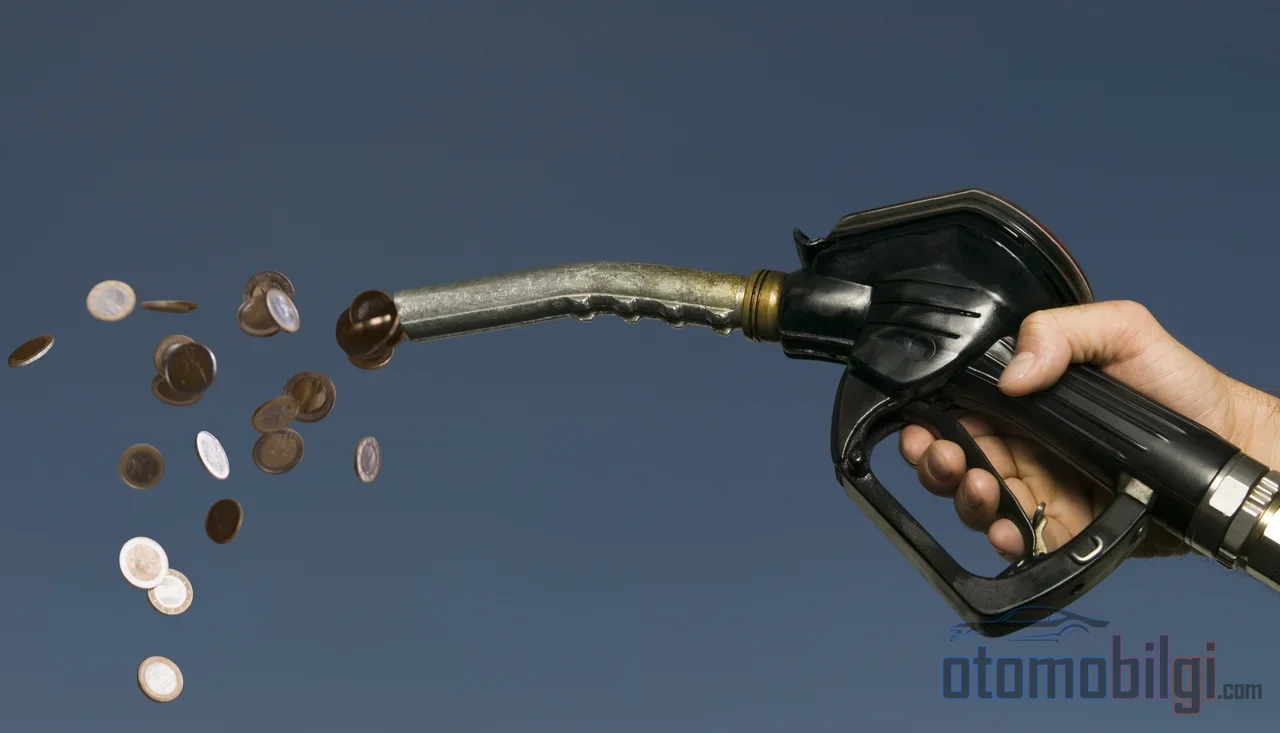
Everyone has a piece of advice on fuel economy, and most of these tips are inherited from decades ago, from the era of carbureted engines and simpler transmissions. Yet modern injection systems, underground tanks and electronic control units have changed the rules of the game. Filling the tank early in the morning, coasting in neutral, letting the engine idle at a red light, never touching the air conditioning... Which of these actually pays back in liters, and which is merely a well-intentioned habit? On this page, we examine each claim one by one against engineering facts and measurement data.
The Fuel Filling Hour Myth: Does Morning Coolness Really Come Cheaper?
The physics behind the claim is actually correct: gasoline expands as it warms, and the same volume means less mass. Gasoline warming from 60 to 75 degrees Fahrenheit expands by roughly 1 percent in volume. So far, no problem. However, what the myth overlooks is that the fuel is not stored in the open air at the station, but in underground tanks. Even when the air temperature swings by twelve degrees during the day, measurements have shown that the fuel in the underground tank does not follow along and stays steady at 62 degrees. The ground acts like an insulation layer; it dampens daily temperature fluctuations before they reach the tank.
The subject has become widespread enough to be taken seriously: the national body in the field of weights and measures conducted a comprehensive four-year study and concluded that no change in pump procedures is needed for temperature compensation. Pumps deliver a full gallon regardless of temperature. Modern double-walled tanks do the same job whether they hold fuel hot or cold; fuel that arrives warm at delivery is sold hours later at the same temperature.
The only notable detail in the measurements is that the first few gallons from a pump hose heated by the sun are slightly warmer; a drop of up to 8 to 17 degrees Fahrenheit has been measured between the first gallon and the tenth. But even a 15-degree difference equals only about 1 percent of volume, meaning a difference of a few cents. Routinely planning your fill-up around this means expending more effort than the gain itself. The result of the four-year study is clear: this myth has been debunked by measurement.
Highlights
- The fuel temperature in underground tanks barely changes during the day; the gain from fill-up timing is limited to a few cents.
- In modern cars, when you lift off the accelerator while in gear, the engine performs fuel cut-off; in neutral, it keeps burning fuel.
- Idling breaks even after roughly 10 seconds; after that, it costs more than restarting the engine.
- Every 1 psi drop in tire pressure reduces fuel economy by 0.2 percent.
- In city traffic, air conditioning can add up to 1 liter per 100 kilometers of extra consumption.
Does Driving in Neutral or Coasting in Gear Burn Less Fuel?
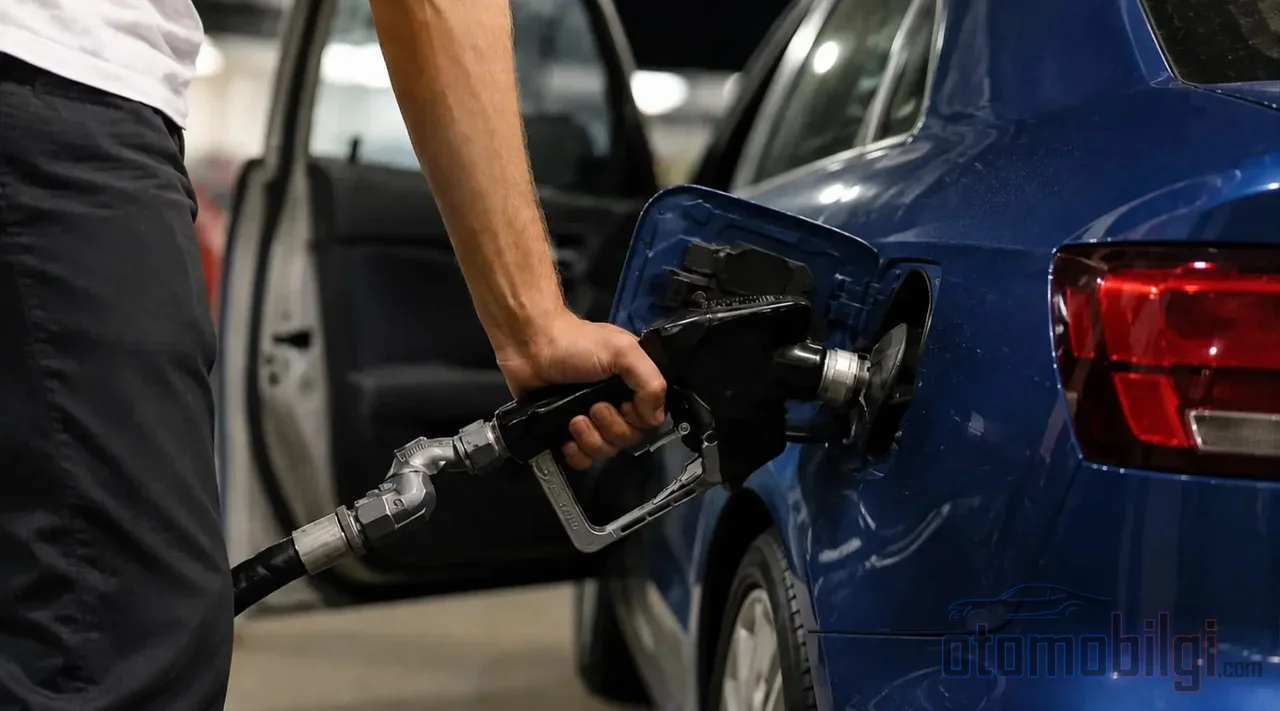
This is one of the hardest topics to sift out of the crowd, because the answer rests on a fundamental technology shift. Shifting into neutral and coasting with momentum was considered reasonable in the carburetor era. But with modern fuel-injected engines, things turned around: when in gear, if you release the accelerator, the engine cuts fuel - meaning it injects no fuel at all. In neutral, the engine continues to run at idle and keeps consuming fuel.
The basic rule that follows from this is: staying in gear while coasting consumes less fuel than neutral in most cases. Measurements show that coasting in gear on a warmed-up engine is on average 2.7 percent more economical. There is one subtle point, though: on a cold engine, neutral can use up to 12 percent less fuel. Also, coasting in gear slows the car down faster; neutral preserves momentum longer. If there is a red light ahead where you will stop, staying in gear is advantageous, since engine braking also comes into play.
The safety side, however, is non-negotiable. In neutral, engine braking support is lost, the load on the brake system increases, and the risk of losing control emerges especially on winding downhill roads. A few grams of fuel saved is never worth the control you will lose. The rule is simple: on descents, stay in gear, release the accelerator, and let the engine's fuel cut-off work for you.
Idling or Switching Off and Restarting?
The old belief is that turning the engine off and restarting it burns more fuel than idling. This is a habit left over from a time when starter motors drew far more current than today's and carburetors sprayed a rich mixture upon restart. In modern vehicles, the break-even point is about 10 seconds: if your wait will be longer than that, switching off the engine is more economical. Ten minutes of idling consumes about one-fifth of a liter of fuel; when you factor this in a few times a day, it becomes a significant item by the end of the month.
Long idle warm-ups on winter mornings are also victims of the same logic. Modern engines warm up much faster and more efficiently under driving load right after setting off. Starting the car and letting it idle in place for minutes is both a waste of fuel and unnecessary wear. Setting off with calm driving without revving high is the right way to warm up the engine.
Air Conditioning or Open Windows: The Answer Depends on Speed
This debate has no definitive winner, because the answer changes depending on the speed range. The air conditioner's compressor draws power from the engine and increases consumption; open windows, on the other hand, disrupt the vehicle's aerodynamic resistance. At low speeds, aerodynamic loss is negligible, so driving with windows open is more efficient. As speed rises, the balance reverses; the drag created by open windows exceeds the cost of the air conditioner.
Let's look at the numbers: independent tests measure that air conditioning in city traffic creates extra consumption of up to 1 liter per 100 kilometers, meaning roughly up to 20 percent. While driving with windows open at city speeds slightly increases consumption, it uses less fuel than running the air conditioner and closing the windows. When highway speeds are reached, however, the picture changes: various studies have shown that driving with the windows fully open affects fuel efficiency more negatively than using the air conditioning. The academic literature also points to the air conditioner as one of the most important factors determining real-world consumption.
The practical summary is this: in the city, open the windows; on the highway, close the windows and continue with the air conditioning. This simple distinction delivers savings that are more predictable than most drivers expect.
Tire Pressure: A Rarely Discussed but Measurably Real Saving
The most boring part of myth hunting is this: the methods that actually work are not flashy, and tire pressure tops that list. According to official energy data, every 1 psi drop in average pressure reduces fuel economy by 0.2 percent. In a typical vehicle, underinflating by 3-4 psi increases consumption by roughly 2 percent; when all four tires fall to 75 percent of the recommended pressure, an additional 2-3 percent consumption is measured at various speeds. Maintaining the correct pressure, on the other hand, can improve fuel efficiency per kilometer by up to 3.3 percent.
A warning is needed here: some argue that additional efficiency can be achieved by inflating tires above the recommended value. That is true, but the cost can be heavy. Overinflation wears out the center of the tread early, increases the risk of a blowout, and worsens road grip. In other words, safety is compromised for the sake of a few grams of fuel. The balanced point is clear: staying at the manufacturer's recommended pressure is the right place between efficiency and safety. A monthly pressure check produces more real savings than all the other myths on this page combined.
Fuel Additives and Octane Boosters: Are They Worth the Money?
Bottles of octane booster are perhaps the most expensive urban legend on this list. The short answer: they can genuinely raise the octane rating somewhat and reduce knocking tendency, but the results vary extremely by brand and dosage, and independent evidence falls far short of the claims. The critical point is this: the octane rating is a measure of resistance, unrelated to the quality or cleanliness of the fuel. If your car runs on the manufacturer's recommended octane, higher octane will not give you more power.
Conversely, using lower octane than recommended can lead to knocking and pre-ignition; additives do not practically make up for this deficiency. The fact that many premium fuels contain extra detergents is a separate matter; it does not mean that the octane booster itself is a power-increasing factor. Likewise, putting premium fuel into a car that does not require premium gasoline does not improve performance; the belief that a performance engine will be harmed by regular gasoline is also a myth. Give your car what it wants and leave the rest to marketing.
Which Habits Actually Save Liters?
After filtering out all these myths, the list that remains is surprisingly short and boring. According to official energy data, every 5 mph over 50 mph creates an additional cost of about 14 cents per gallon. Complying with the speed limit and smooth driving deliver a 15-30 percent efficiency gain on the highway and 10-40 percent in stop-and-go traffic. That alone is many times more than everything that filling the tank early in the morning or shifting into neutral promises.
The summary of the summary is this: Filling-up time makes a difference of a few cents; planning it around your life is pointless. Coasting in neutral burns more fuel than coasting in gear in most scenarios, and it steals from safety. Shut off the engine for waits longer than ten seconds. Open the window in the city, use the air conditioning on the highway. Check tire pressure once a month and do not exceed the recommended value. Save the money you spend on octane boosters for your next tank. The secret of fuel economy lies not in expensive products or hidden hours, but in your right foot and your tires; as those who have long mastered this business have been saying for years.
Sources
- Does Filling Your Tank During the Heat of the Day Waste Money? - Consumer Reports
- What time of day is best for buying fuel or charging your EV? - WEX Inc.
- Myth-Busting: Coasting in neutral can save you fuel? - Practical Motoring
- Coasting in Gear or In Neutral - johnsavesenergy.com
- AC vs open windows: what saves more fuel - Gan Tuning
- Windows down or A/C on - which is more fuel-efficient? - HowStuffWorks
- Does Low Tire Pressure Really Hurt Your Fuel Economy? - Firestone Complete Auto Care
- Technical Report: Fuel Economy Effects of Tires - EPA NEPIS
- Are "Octane Boost" fuel additives snake oil? - Reddit r/askscience
- Do Not Fall For These 15 Car Myths - PartsAvatar