Do Injector Cleaner Additives Really Work?
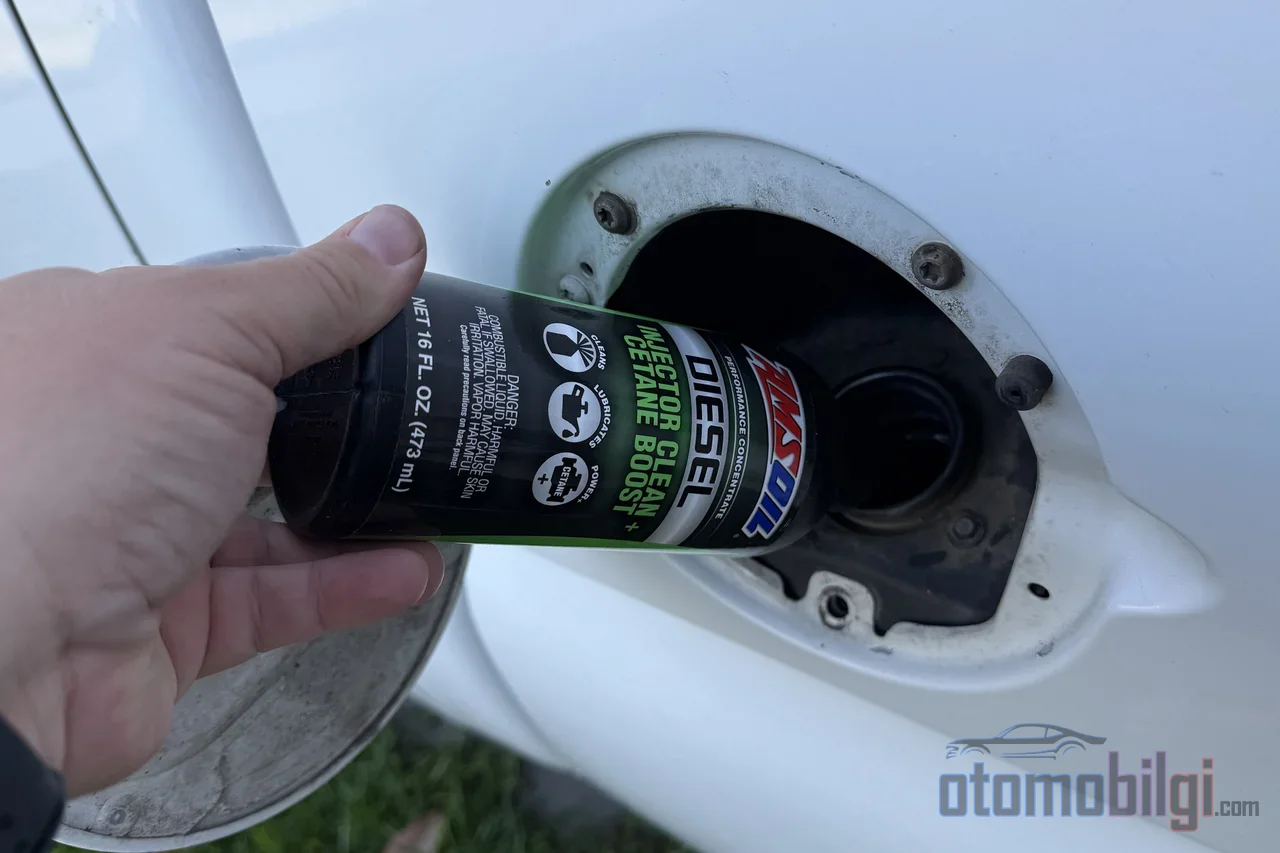
I'm not saying this intentionally: these small bottles that give you a few units of money per tank and get poured into the fuel tank have become the subject of one of the longest-running debates in the automotive world. On one side are those who sincerely believe they work; on the other are those who argue it is outright a waste of money. The truth is less glamorous than either camp claims: injector cleaner additives sometimes genuinely work, sometimes do nothing at all, and the difference between the two has less to do with the price tag on the bottle than with the condition of what's inside the vehicle.
On this page, we won't leave the matter to heavy advertising promises. We will calmly discuss what injector cleaner does, under which conditions it makes sense, when the money goes completely to waste, and which parts overuse could put at risk.
What Does Injector Cleaner Additive Do and How Does It Work?
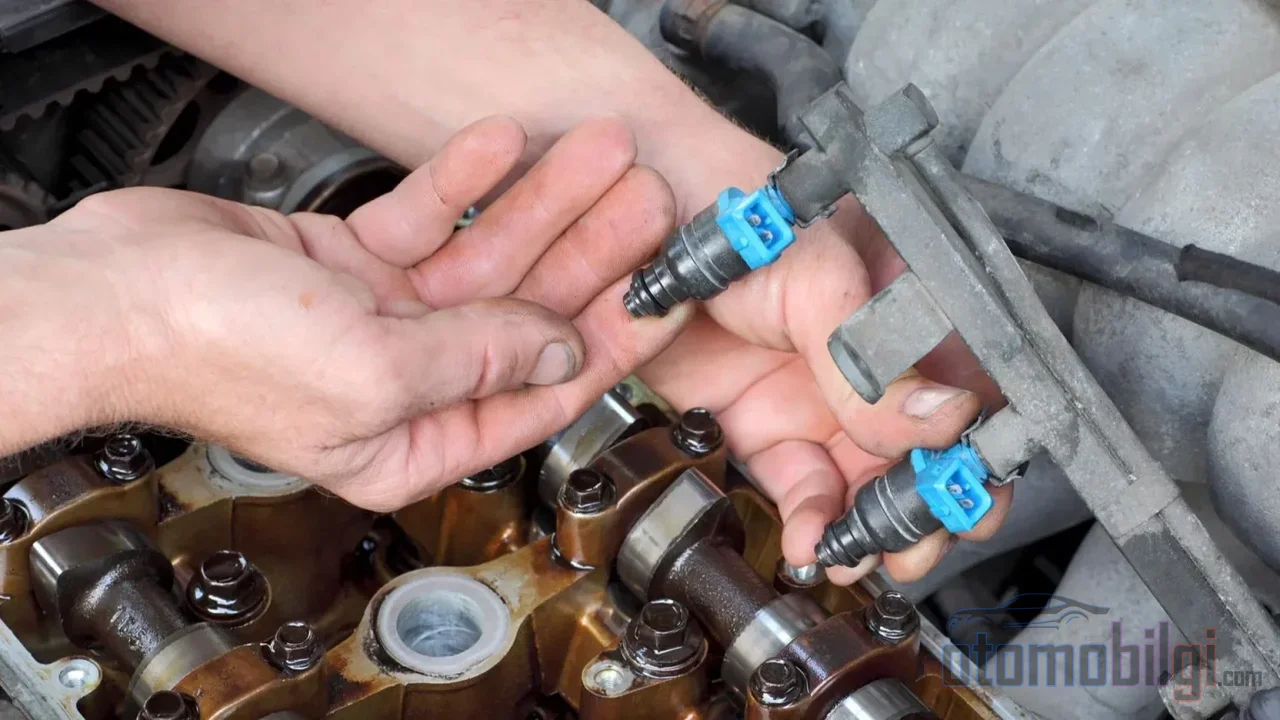
Injectors are precision components with small nozzles that spray fuel into the cylinder. Carbon deposits and corrosion in pump gasoline can narrow these nozzles over time; the result is a disrupted spray pattern, performance loss, and worsening fuel economy. Modern injectors are manufactured with such tight tolerances that even a very small deposit creates a measurable difference.
The cleaners on the market fall into two basic groups. The first is solvents; their best-known active ingredient is PEA, i.e. polyetheramine. PEA dissolves carbon deposits and ensures they are flushed out of the system without leaving residue. The second is detergents; these aim to detach deposits from surfaces and remove them, but their effectiveness is debatable. Most cheap products carry fairly diluted formulas: they can take weeks, sometimes months, and the difference may only be slight.
The issue is more serious in direct injection engines
The problem is far more pronounced in direct injection (GDI) engines compared to classic port injection; because GDI systems typically produce 30-40 times more soot. In these engines, injector cleaning is not a luxury but becomes part of long-term engine health.
Key Takeaways
- PEA (polyetheramine) based additives create a measurable difference in dirty systems; diluted cheap products generally do not.
- Expecting a noticeable gain from an additive in a clean fuel system is not realistic.
- Manufacturer tests reported up to a 5.7% increase in fuel economy and up to 14% power recovery in a single tank - these figures come from the brands' own tests.
- The right dose matters: an overdose can genuinely damage the injectors.
If You Use Top Tier Fuel, Do You Need an Additive?
This is where the heart of the matter lies. Fuels participating in the Top Tier program contain 2-3 times the minimum standard of detergents, contain no metallic additives, and must pass independent engine cleanliness tests. A study conducted by AAA has also confirmed that these extra detergents keep engines cleaner. So for a driver who regularly gets Top Tier gasoline from a quality, high-volume station, pouring an extra bottle of additive into the tank is most likely unnecessary.
However, the picture is not the same for everyone. Gasoline quality varies from brand to brand; some fuels only meet the minimum federal standard. Also, not everyone has access to Top Tier fuel. In scenarios such as light varnish buildup from seasonal storage in a vehicle sitting in the garage, or deposits forming over time with low-quality fuel, the standard amount of additives in pump gasoline may not be sufficient. Dissolving heavy, long-term deposits requires a higher concentration than the additive found in gasoline.
The skeptical view is also clear: injectors largely clean themselves, and with the right fuel, a bottle of additive is completely unnecessary. The middle ground can be summarized as follows: in a clean system you will not feel any difference from the additive - but that does not mean the additive does not work; in a dirty system it has been observed many times to make a difference.
When Does Injector Cleaner Work, and When Is It a Waste of Money?
The short answer: when the right product, the right problem, and sufficient concentration come together. The long answer depends on the condition of the vehicle.
Situations where it may be meaningful
- High-mileage vehicles - in particular, in vehicles with over 100,000 km, additives have been observed to make a difference in dirty injectors and clean away deposits.
- Early symptoms such as slight rough idling or slight throttle hesitation.
- Vehicles coming out of seasonal storage or regularly running on low-quality fuel.
- Short-distance and city driving - an engine regularly shut off before warming up operates in conditions more conducive to deposit formation.
Situations where it is a waste of money
Expecting a noticeable gain from an additive in a vehicle with a clean and healthy fuel system is not realistic; neither performance nor fuel consumption changes. Also, most drivers expect the effect the same day, whereas a noticeable improvement in most products can take several tanks of fuel. Watered-down, cheap products usually remain at the level of "it worked, but not fast or noticeable enough."
Situations where mechanical cleaning is the only solution
In advanced symptoms such as strong odor, heavy smoke, or loud knocking, a bottle of additive is unlikely to help; professional intervention is required. Severe clogging requires the injectors to be removed and cleaned on a bench, or replaced. An additive is a preventive maintenance tool, not an antidote for mechanical problems.
Proper Use: Tank, Dose, and Frequency
The method of use is simple: adding the additive when the tank is nearly empty and then filling the tank is the method recommended by most products. A typical product requires about 1 ounce per gallon; one example covers up to 18 gallons with 10 ounces and recommends use approximately every 1,200 miles. For those looking at it from a routine maintenance perspective, it is a practical reference: use it once per oil change interval, or repeat every 3,000-5,000 miles - but it is important to remember that the sources recommending these intervals are the companies selling the additives.
The most critical point is the dosage. Do not act on the logic of "exceeding the instructions will help": an overdose can literally melt the injectors. The excess poured in with the expectation of extra cleaning does not produce a better result, but the opposite.
Effect on the Lambda Sensor and Catalyst: Is the Concern Justified?
One of the frequently asked questions is whether the fuel additive damages the oxygen (lambda) sensor or the catalytic converter. To be honest here: solid, direct technical evidence on this subject is scarce; the available information is largely at the level of manufacturer warnings and user experiences. What is known within this framework is as follows:
- Spark plug and sensor manufacturers warn that additives that do not carry the safe-for-oxygen-sensor label may damage the sensor.
- The relevant department of a sensor manufacturer states that there is no true oxygen sensor cleaner that can be added to the engine safely; those who want to clean the sensor remove the part and resort to mechanical methods.
- User reports contain observations that sensors can fail early and that sensors can be damaged depending on the additive; according to one view, if the additive changes the fuel mixture, it can lead to false sensor readings and indirectly affect the catalyst. On the exhaust side, some cleaning products are claimed to clean the sensor and catalyst with acidic vapor, but these claims remain at the level of vendor claims and there is no independent verification.
Parts like the clutch are completely outside this discussion; a fuel system additive has no direct relationship with mechanical components such as the clutch. The side that really needs attention is the exhaust line. A measured recommendation: avoid products whose labels do not indicate sensor safety, and do not exceed the instructed dosage.
Symptoms of a Dirty Injector: How Do You Read Your Own Vehicle?
The way to decide whether the additive is worth trying goes through reading the symptoms correctly. The signs indicating that professional cleaning may be needed and the early-stage symptoms for which the additive can be tried can be distinguished as follows:
| Symptom | Can the additive be tried? |
|---|---|
| Mild rough idle | Yes - early-stage symptom |
| Lack of throttle response, loss of power during acceleration | Can be tried, should be monitored |
| Noticeable increase in fuel consumption | Can be tried, should be monitored |
| Misfire, rough running | Mechanical inspection recommended |
| Check engine light, failed emissions test | Mechanical inspection required |
| Strong odor, heavy smoke, loud knocking | No - professional intervention is essential |
It is also appropriate to add a practical observation here: if the idle has deteriorated or irregular ignition is noticed, the additive is meaningful as a trial; but if these symptoms persist, the problem has reached a size that an additive cannot solve.
Conclusion: When Is Paying for a Bottle Worth It?
The short and clear answer is this: a fuel injector cleaner additive is a meaningful preventive maintenance tool in a vehicle with a dirty fuel system - especially one with high mileage, driven on short trips, or exposed to low-quality fuel - when a sufficiently concentrated PEA-based product is chosen. In a clean system, in a vehicle running on quality Top Tier fuel, it is a waste of money; there is no in-between for these two situations, and not feeling a difference does not mean the product does not work - it means there is no need for it.
Investing in the right fueling habits rather than a chemical bottle from the very start is always smarter. If the symptom at hand is mild and the vehicle has high mileage, the additive can be tried as a first step; if the symptoms have worsened, the only solution is mechanical cleaning. As we have been saying on these pages for thirty years: there is no magic bottle, there is the right diagnosis.
Sources
- Does Fuel Injector Cleaner Work? – VP Racing Fuels
- Do fuel additives work or are they a waste of money? – AMSOIL Blog
- Does fuel injector cleaner really do anything – BobIsTheOilGuy
- Top Tier Detergent Gasoline – Wikipedia
- Best Fuel Injector Cleaners – MotorTrend
- What effect do fuel additives have on oxygen sensors – NGK Spark Plugs
- How to Clean O2 Sensors & Catalytic Converters – Berryman
- Do Fuel Injectors Need Periodic Cleaning? – Cars.com
- Bad Fuel Injector Symptoms – Firestone Complete Auto Care