How Much Does a Faulty Spark Plug Increase Fuel Consumption?
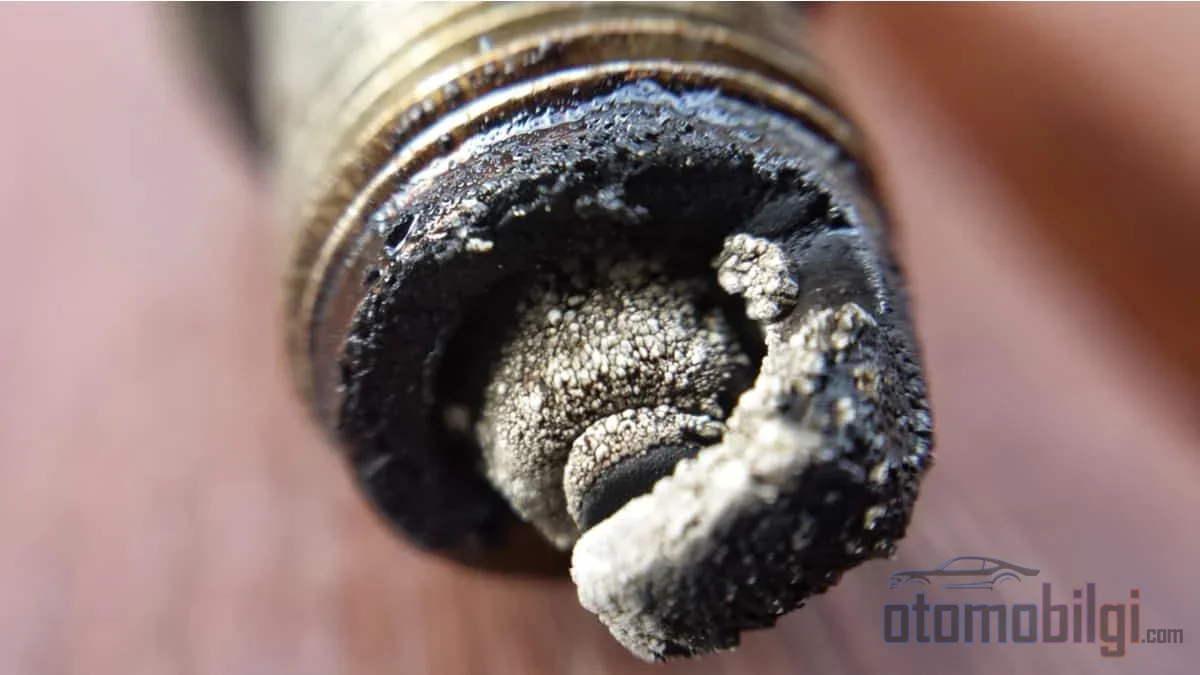
If the number at the pump climbs a little higher every time you open the fuel cap, and there is no notable mechanical change in your vehicle, one of the top spots on the list of suspects belongs to a small part worth just a few lira: the spark plug. This part, the final link in the ignition chain of a gasoline engine, is remembered by no one when everything runs smoothly; but when it starts producing a weak spark, fuel economy quietly deteriorates. So how much does a faulty spark plug actually increase consumption? The numbers paint a picture that is both more modest and more expensive than you might expect.
The Physics Between the Spark, Complete Combustion and Savings
For a gasoline engine to run efficiently, three fundamental conditions must be met simultaneously: the correct amount of air must enter the cylinder, the correct amount of fuel must be injected, and the compressed mixture must be ignited with a strong spark at the right time. If any one of this trio weakens, combustion efficiency drops. The ideal, that is stoichiometric, mixture ratio for gasoline is approximately 14.7 units of air to 1 unit of fuel. Catching this ratio is the job of the ECU; but igniting the mixture and delivering the expanding gases to the piston is the spark plug's job.
The spark plug discharges the high voltage coming from the coil in the form of an arc across the gap between its electrodes. If the spark is weak, delayed, or absent entirely, complete combustion does not occur: part of the fuel burns inefficiently or is expelled into the exhaust system without burning at all. The direct result is lower performance per kilometer, in other words increased consumption. Moreover, the ECU continuously adjusts spark timing using data from the oxygen sensor, airflow sensor and crankshaft sensor; a faulty spark plug completely nullifies the benefit of these fine adjustments.
How Does Electrode Wear Lead to Misfires?
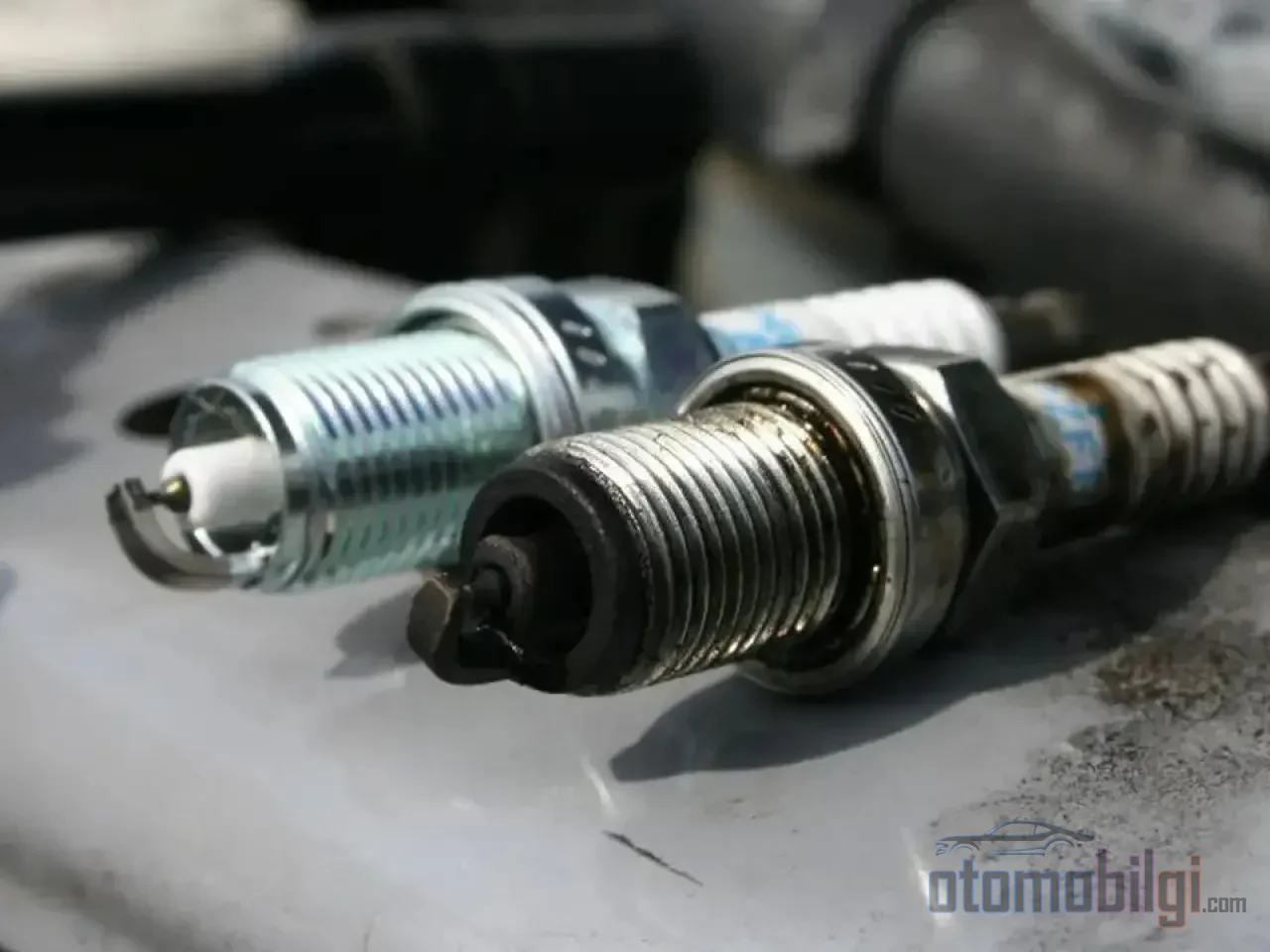
The mechanism is simple, and that is precisely why it is merciless. In a new spark plug, the gap between the electrodes is typically in the range of 0.028-0.060 inches; with wear, this gap can exceed 0.080 inches. The widening gap requires a higher ignition voltage for the arc to jump. This produces two results: either no spark can form at all, or it jumps irregularly, meaning the engine misfires. The second result is indirect: the constant demand for high voltage puts extra load on the coil and over time contributes to coil failure. A single worn part gradually wears down an entire ignition system.
Both ends of an incorrectly gapped plug are problematic. A gap that is too narrow creates a weak spark and a tendency to foul; a gap that is too wide exceeds the voltage the coil can produce and opens the door to misfires. An incorrect gap causes slow flame propagation or complete flame extinction, increasing CO and unburned hydrocarbon (HC) emissions; every unburned hydrocarbon leaving the exhaust is fuel that left the tank but earned you no kilometers.
Key Takeaways
- When a worn spark plug is replaced, typically 4-8 percent of the lost fuel efficiency is recovered.
- In independent measurements, worn spark plugs noticeably reduce efficiency after 80,000 miles.
- Driving with a flashing check engine light can destroy the catalytic converter in as little as 10 minutes.
- If a flashing misfire warning is ignored, $1,000-2,500 gets added to the bill.
- Spark plug life varies by type: copper 20,000-30,000 miles, iridium more than 100,000 miles.
How Much Fuel Consumption Does a Faulty Spark Plug Actually Add?
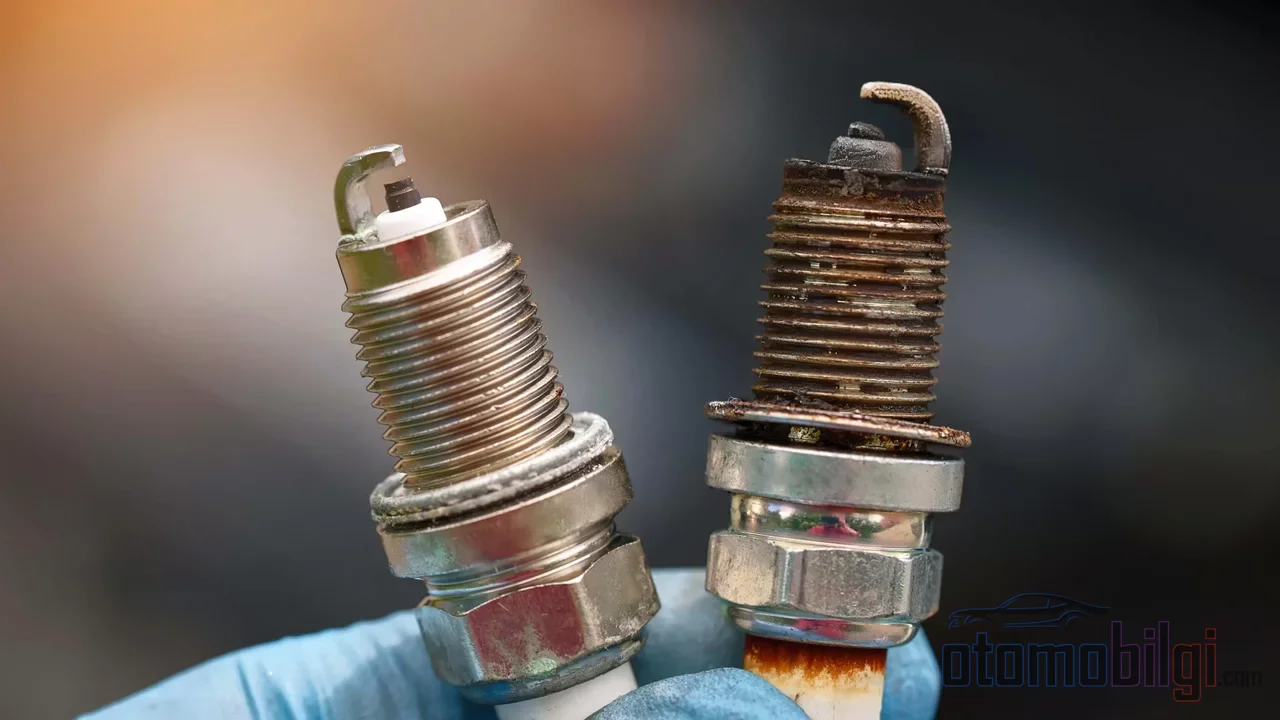
The boldest figure circulating out there is that worn spark plugs can reduce fuel economy by up to 30 percent; considering that figure on its own is misleading. Independent tests paint a more moderate picture: replacing worn plugs with more than 80,000 miles of use typically recovers 4-8 percent of the lost fuel efficiency. So the difference to expect in daily use is not 30 percent, but a single-digit figure; however, since consumption is an item that accumulates in kilometers per liter, this small percentage turns into serious money over months and years.
Extreme figures like 30 percent usually reflect cases where multiple faults stack on top of each other: worn spark plug plus a weak coil, plus an oxygen sensor deviation, when measured at the same time, the total loss grows. When the spark plug is the only variable, the effect is more limited. An opposing view also clarifies the other side of the story: replacing healthy plugs early does not provide a noticeable improvement in consumption. Recovery occurs only when genuinely worn plugs are replaced; this is why spark plug replacement is not a fuel-saving trick, but a properly timed item of periodic maintenance.
The equation gets worse when misfire kicks in. The fuel injected into a single cylinder is entirely wasted; the ECU increases fuel injection to compensate for the imbalance, and the driver presses the accelerator harder to make up for the lost power. Thus waste piles on top of waste.
Copper, Platinum and Iridium: How Does the Difference in Lifespan Affect Consumption?
The claim that spark plug type directly creates a fuel difference per kilometer is debatable; user experiences on forums are contradictory, and there is no reliable data that switching types among healthy plugs brings measurable savings. The real issue is lifespan, because a long-lasting electrode extends the time before the wear gap enters the danger zone. The melting point is 3,215 °F for platinum and 1,984 °F for copper; platinum and iridium electrodes are 3-4 times more resistant to erosion than soft nickel alloys. Copper offers the best conductivity but has the shortest lifespan; platinum is long-lasting, while iridium combines conductivity and durability.
| Spark Plug Type | Typical Lifespan | Character |
|---|---|---|
| Copper | 20,000-30,000 miles | Best conductivity, shortest lifespan |
| Platinum | 30,000-100,000 miles | Long lifespan, moderate performance |
| Iridium | 60,000-100,000+ miles | The most balanced choice for daily use |
Usage profile also determines lifespan: short-distance trips and stop-and-go traffic wear plugs out earlier than steady highway driving. The general recommendation from vehicle manufacturers is 30,000-100,000 miles, varying by spark plug type and model; in some older vehicles replacement is needed from 5,000-10,000 miles onward, while modern computer-controlled engines can go beyond 100,000 miles. On the cost side, a standard set of 4 spark plugs is around $20-60, while premium iridium and platinum sets are around $80-150 and up; professional labor adds another $75-150. Platinum and iridium plugs come from the factory with a preset gap, and their gap should not be touched.
The Catalytic Converter Bill of Ignoring the Misfire Warning
One of the most expensive consequences of a misfire is not fuel, but the exhaust system. Unburned fuel from a cylinder that is not combusting completely reaches the inside of the catalytic converter and generates excessive heat there, destroying the converter. Continuing to drive with a flashing check engine light can add a $1,000-2,500 bill for the converter; an unresolved misfire within a single month can cause around $800-1,500 worth of catalytic converter damage, roughly $200 worth of oxygen sensor damage, and a risk of scoring on the cylinder surface. Meanwhile, a simple misfire repair falls in the $150-400 range, and a budget of $240-400 is reasonable for a coil or spark plug repair.
The critical distinction lies in the behavior of the light: if the light is flashing and the car is shaking, driving must absolutely not continue; catalytic converter damage from repeated misfires under load has been documented in as little as 10 minutes. A steadily lit light is less urgent, but it still means a problem awaiting diagnosis.
How Do You Find the Source of the Fault?
The symptoms usually announce themselves in advance: rough idle, hesitation and shaking during acceleration, hard starting, loss of power, a gasoline smell, and declining fuel economy. In an OBD-II scan, P0300 is the random misfire code, while P0301-P0308 are codes for a specific cylinder misfire; advanced scanners show the misfire count per cylinder, naming the culprit. A spark plug-caused misfire typically appears as slight stumbling on cold starts and intermittent rough idle, whereas coil failures draw a different pattern; that is why the spark plug of the cylinder with the detected coil failure should also be replaced together.
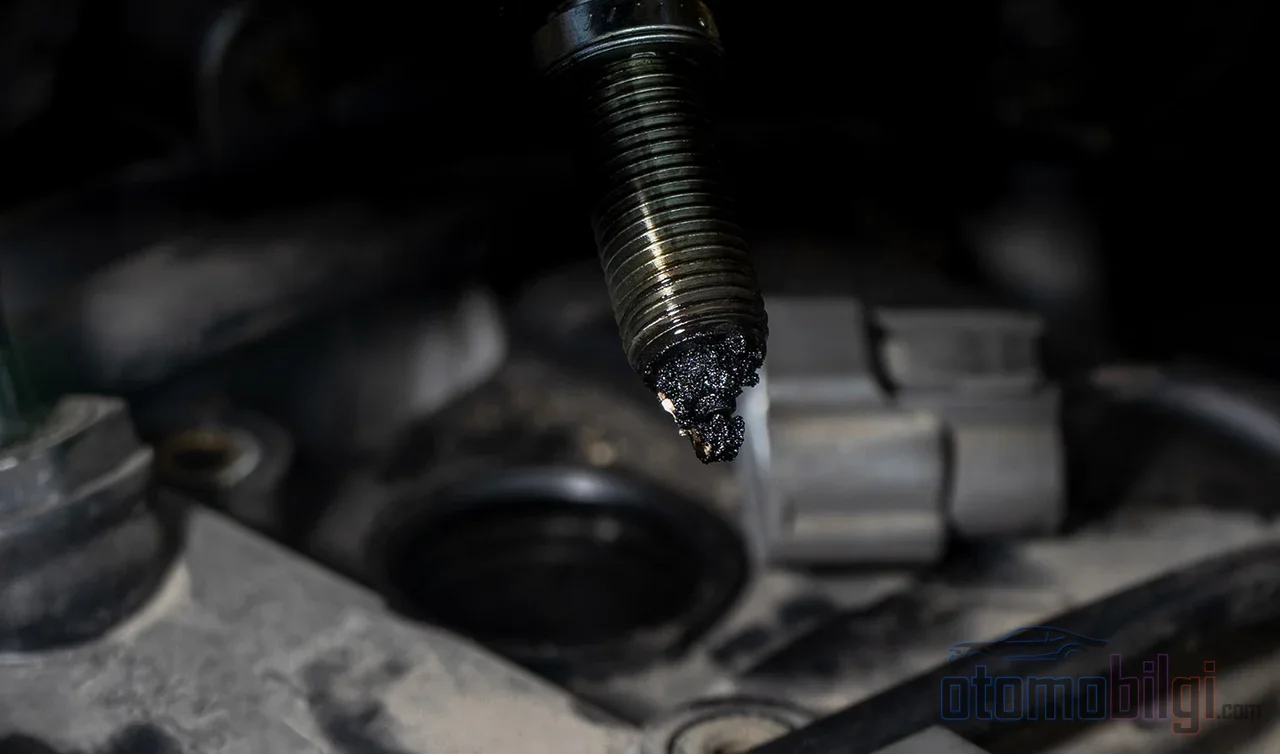
The appearance of the removed plug also carries diagnostic information: black soot indicates a rich mixture, oily residue an oil leak, white and blistered porcelain overheating or a lean mixture, and a cracked porcelain with a worn electrode a direct spark plug failure.
Is the Spark Plug the Only Culprit Behind Increased Consumption?
One of the most common mechanical causes of high consumption is actually a lambda, or oxygen sensor failure: when this sensor, which provides exhaust oxygen data to the ECU, reads incorrectly, the mixture adjustment goes off. Injector wear also shifts the injection parameters, changing the amount of fuel delivered to the cylinder. The tricky part is this: a faulty injector can lead to a wrong air-fuel ratio or a fuel-fouled spark plug, meaning the injector problem presents itself as a spark plug problem. If spark plug and coil tests come back clean yet one cylinder stays dead, and rough idle, hesitation and black smoke come with increased fuel consumption, suspicion should shift to the injector.
The diagnostic logic is simple: spark plug-related fuel consumption increase comes with misfire symptoms and disappears with a spark plug change. If consumption does not drop after the replacement, even with correct gap adjustment and tightening torque, the lambda sensor or injectors should be checked next in the chain. That is why diagnosis is done not by passing judgment on a single part, but by systematically eliminating components in order.
Practical Check Sequence
- Read the OBD-II code: Is it P0300, or a cylinder-specific code like P0301-P0308?
- Remove the relevant spark plug and inspect it visually: soot, oil, wear, cracks.
- Use per-cylinder misfire counting to distinguish between the spark plug and the coil; if the coil is suspected, replace the spark plug as well.
- If the problem persists, have the lambda sensor and injectors checked.
The Long-Term Equation: When Should Spark Plugs Be Changed?
The bottom line of the summary is this: a faulty or worn spark plug typically increases fuel consumption by 4-8 percent if it is not misfiring; if misfire is in play and the ECU and driver try to compensate for the power loss, this figure grows noticeably. By contrast, replacing healthy spark plugs early will not save even a single liter. The smart strategy is to use spark plugs of the correct type within the manufacturer's recommended interval, get a diagnosis without delay when symptoms appear, and never ignore a flashing check engine light. Coil-on-plug ignition systems eliminate cable resistance, delivering a stronger and more consistent spark; in cabled setups, the ignition cable and spark plug should be evaluated together.
A set of spark plugs costs far less than the price of a tank of fuel; but when ignored, it is the first link in a cost chain that can climb up to the price of a catalytic converter. Preserving fuel economy usually comes not from big moves, but from small maintenance done just in time.
Sources
- Spark Plug Fuel Efficiency: How They Impact MPG
- How Spark Plugs Improve Fuel Efficiency
- What Can a Bad Spark Plug Cause? 6 Common Problems Explained
- The Proper Spark Plug Gap
- How Long Do Spark Plugs Last?
- Copper vs Platinum vs Iridium
- P0301 Code Repair Cost
- Check Engine Light Flashing AND Car Shaking
- What Causes High Fuel Consumption
- Misfire or coil/plug