When Should Spark Plugs Be Changed? Signs of Weakening Ignition
Share This Page
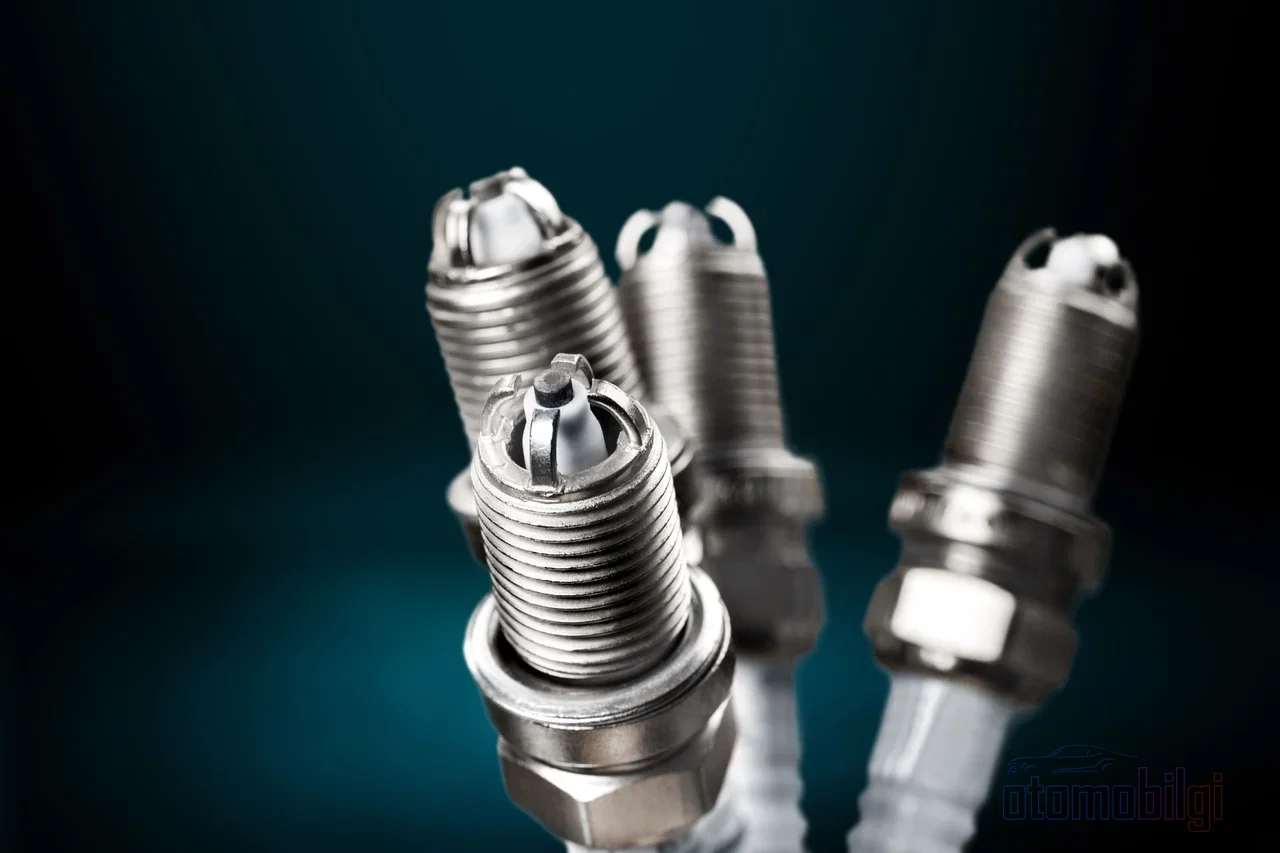
A spark plug is a small but critical part that ignites the air-fuel mixture in a gasoline engine to start the engine; depending on its type, it should be replaced at intervals of approximately 30,000 to 160,000 km in accordance with the manufacturer's maintenance schedule. When you notice weakening ignition - that is, hard starting, misfiring, idle fluctuation, and increased fuel consumption - it is best to have it checked without waiting for the mileage.
Highlights
- Copper spark plugs typically last 30,000-50,000 km, platinum 100,000-160,000 km, and iridium 130,000-160,000 km or so.
- Classic symptoms of weak ignition: hard starting, misfiring, idle fluctuation, power loss, and increased fuel consumption.
- Knocking can arise from many causes, including worn spark plugs and low-octane fuel; when the sound occurs, it should be inspected without delay.
- Replacing earlier than the manufacturer's recommendation is usually unnecessary; it provides no noticeable benefit.
- Over-tightening and faulty installation can lead to costly consequences, up to thread damage in the cylinder head.
What Does a Spark Plug Do, and Why Does It Wear Out?
The spark plug's job looks simple on the surface: igniting the air-fuel mixture inside the cylinder with an electric spark. Without that spark, a gasoline engine will not run. But this simple task is performed under extremely harsh conditions. A spark plug fires thousands of sparks per second inside the combustion chamber; it is constantly exposed to high temperatures and explosion forces. These severe conditions erode the electrodes over time, the spark weakens, and ignition quality declines.
The result is easy to feel. A worn spark plug cannot burn the mixture completely; this is called incomplete combustion. Incomplete combustion shows up in daily driving as misfiring, fluctuating idle speed, and power loss. So although a spark plug fault may seem like a separate issue, it actually affects the entire balance of the engine. Having been in this business for over thirty years, it is no surprise that in a significant portion of vehicles coming into the workshop, a simple spark plug problem lies behind the complaint of rough idle.
Spark Plug Replacement Interval: The Difference Between Copper, Platinum, and Iridium
The most important factor determining the replacement interval is the material used in the spark plug's electrode. In the past, all cars came with copper spark plugs, and replacement approximately every 30,000-50,000 km was normal. Copper is a good conductor but a soft metal; it wears out quickly at high temperatures. Then came platinum, followed by iridium. Each new generation brought a harder electrode and longer life.
| Spark Plug Type | Typical Replacement Interval | Note |
|---|---|---|
| Copper (classic) | 30,000-50,000 km | Shortest-lived type; common in older engines with simple ignition. |
| Platinum | 100,000-160,000 km | Harder electrode; some sources give intervals below 100,000 miles. |
| Iridium | 130,000-160,000 km and above | Longest-lived type; the standard choice for modern engines. |
When reading these figures, one detail must be noted: the upper limits in the table are given in miles, based on 100,000 miles represent the mileage equivalents of such recommendations and vary from manufacturer to manufacturer. For example, some manufacturers replace spark plugs at around 130,000 km (80,000 miles) as a checklist item in the maintenance schedule, clearly stating that frequent replacement is not required. For some engines, however, the interval is deliberately shortened; since combustion chamber conditions are harsher in turbocharged engines, the manufacturer may recommend an earlier interval. That is why the healthiest approach is to check the vehicle's owner's manual before worrying about the mileage. The manual already states the most accurate figure for that engine.
Conditions That Shorten Its Lifespan
The mileage in the manual applies to ideal conditions. In real life, several factors noticeably affect spark plug lifespan:
- Aggressive driving and frequent stop-and-go traffic accelerate wear; long-distance driving at a constant speed extends the lifespan.
- Low-quality fuel can cause the spark plug to foul and wear out prematurely.
- In old, high-mileage engines, oil leaking into the cylinder can foul the spark plugs and require more frequent replacement.
- Engine problems such as oil or coolant leaks reduce spark plug performance; the issue lies not with the plug itself, but with the fluid it is bathed in.
- Excessive heat, humidity, and environmental contaminants are also among the factors that shorten lifespan.
This list makes one thing clear: two examples of the same vehicle model can be in two different states at the same mileage. That is why you need to look at both the mileage and the vehicle's condition; judging by the odometer alone is an incomplete assessment.
Signs of Weakening Ignition: What Do You Feel While Driving?
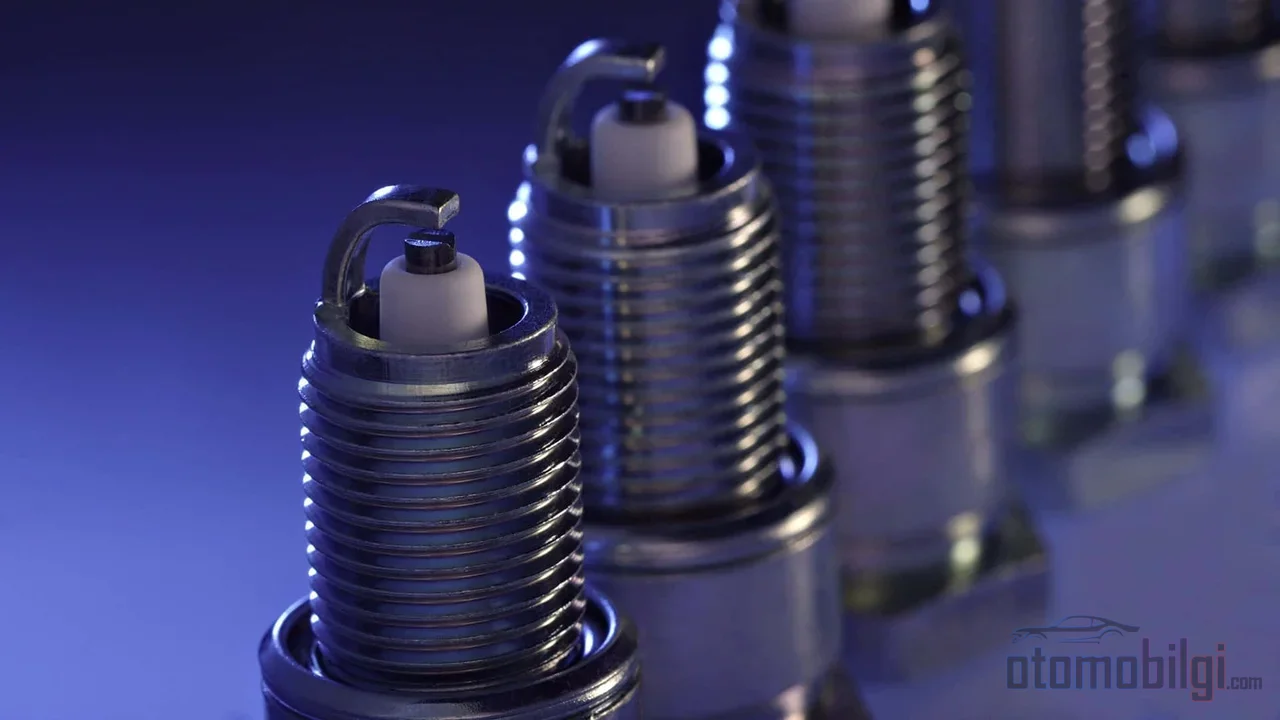
Spark plugs rarely die suddenly; first the ignition weakens, and the engine starts telling you about it. Knowing how to read these signs is the easiest way to keep a small fault from turning into a major repair. The symptoms are:
- Hard starting: You turn the key, the engine cranks slowly. Weak spark is most noticeable during cold starts.
- Misfiring: One of the cylinders fails to fire properly; the engine rattles, runs unevenly, and shakes. The technical term is "misfire."
- Rough idle: At a standstill, the revs rise and fall; the engine does not growl, but it does not run smoothly either.
- Power loss and poor acceleration: Incomplete combustion robs the engine of some of the power it should produce. The gas pedal feels sluggish.
- Increased fuel consumption: Because the mixture does not burn completely, the engine does the same work with more fuel. Unburned fuel is wasted.
- Crackling/ticking at idle: When the spark plugs do not time the ignition correctly, a metallic ticking sound can be heard at idle.
One note I'd like to add: these symptoms can look almost identical in fuel system problems as well. Power loss, poor acceleration, and rough idling can point to both weak ignition and fuel blockage. That is why, rather than diagnosing it yourself, it is essential to have an inspection carried out if the symptoms are present and to find the cause correctly. When misfire codes are read, the problem could also be in the ignition coil; the spark plug is not always the culprit, but it is always the first stop of any inspection.
Can Knocking (Knock) Be Related to the Spark Plug?
Knock is a metallic rattling sound coming from inside the engine, caused by the air-fuel mixture igniting earlier than it should or at the wrong time. Common causes include low-octane fuel, carbon buildup, and worn spark plugs. An incompatible or faulty spark plug can ignite the mixture at the wrong time, triggering this irregular combustion, in other words detonation.
Still, one must be discriminating: it would not be accurate to say that knocking always originates from the spark plug. The same sound can sometimes come from a mechanical problem of the engine, a condition stemming from the piston or valves. Distinguishing the nature of the sound and the conditions under which it appears is the part of the job that requires experience. The practical rule is this: if a new and abnormal rattling sound starts coming from inside the engine, its cause must be investigated without delay. Early intervention is a small expense, while delayed intervention is a large one.
Risks of Frequent Removal and Faulty Installation
Spark plug replacement is a simple job on paper, but when done incorrectly it can prove costly. The cylinder head is aluminum in most modern engines; this material is sensitive to over-tightening in terms of threads. A spark plug tightened by feel without a torque wrench can strip the threads or cause the plug to break. When you see thread damage, the job is no longer a simple replacement but heads down the path of cylinder head repair or replacement.
The other end is also dangerous: a loosely installed spark plug leaks compression, overheats, and vibrates, enlarging the damage in the threads; in the worst-case scenario, the spark plug can fly out of the cylinder. So my recommendation is clear. If you are going to do this job yourself, stick to the correct spark plug specification and the correct tightening torque; if you are not sure, leave the job to an expert. Also, a tip: a spark plug with a broken gasket or a cracked insulator cannot be repaired, only replaced. A spark plug is also not a part designed to be cleaned and reused; a worn or oil-fouled spark plug must be replaced with a new one.
Is Early Replacement Unnecessary? A Balanced View in the Face of Myths
As with every maintenance topic, there are exaggerated recommendations circulating about spark plugs as well. The 10,000-20,000 km perception that spark plugs need to be replaced every is one of them, but it is usually not true. A spark plug replaced much earlier than recommended provides no notable performance gain apart from a marginal difference; following the manufacturer's maintenance schedule protects you from unnecessary expense. In other words, the spark plug is not a part in the periodic maintenance lists that is renewed at every oil change.
There is another side to the coin: strictly sticking to the mileage in the manual and ignoring the symptoms is not considered a correct approach either. Spark plugs do not always give a clear fault signal; some vehicles run smoothly well beyond the recommended mileage, while others develop problems earlier. The balanced formula is this: the manual mileage is taken as the basis, but if symptoms are present, the spark plugs are checked without waiting for the mileage. Also, replacing a single faulty spark plug is generally a sufficient approach if the others are healthy; however, when the mileage is reached, renewing the entire set preserves the engine's balanced ignition.
Frequently Asked Questions
Does a faulty spark plug damage the engine?
Yes. A process that starts with misfiring, rough idling, and low efficiency can, if ignored, gradually lead to more serious engine damage. Unburned fuel and irregular combustion wear out other components in the system, including the catalytic converter.
Can I replace the spark plugs myself?
An experienced hobby mechanic who masters the right tools, the right specifications, and the right procedure can do the job. However, the risk of thread stripping in an aluminum cylinder head is a real risk, and the outcome of the job can be expensive. If you are inexperienced, having it done by a professional service is the most balanced choice.
Should all spark plugs be replaced at the same time?
During periodic replacement, renewing the set as a whole is preferred; all of the engine's cylinders operate with the same ignition quality. If a single spark plug fails and the others are healthy, replacing only that spark plug is also a viable solution.
Final Word: The Manual Mileage Is the Rule, the Symptoms Are the Watchman
Spark plug replacement is a simpler topic than it appears: find out the interval in the manual, know the expected lifespan according to the type, and listen to what your vehicle tells you while driving. When symptoms such as hard starting, misfiring, idle fluctuation, and increased fuel consumption appear, have it checked without waiting for the mileage; if there are no symptoms, do not rush into an early replacement. A spark plug replacement done at the right time with the right torque is one of the simplest maintenance jobs that extends engine life.
Sources
- How Often Do Spark Plugs Need to Be Replaced?
- How to Tell If Your Spark Plugs Need to Be Replaced
- How Often to Change Spark Plugs
- How Often Should I Replace My Spark Plugs?
- Bad Spark Plug Symptoms
- How Do I Know If My Spark Plugs Need Replacing?
- Symptoms Of Bad Spark Plugs
- Engine Misfires: Causes, Symptoms, Diagnosis, and Repair
- What Causes Engine Knock & How Do You Fix It?
- Spark Plug Thread Repair and Installation Tips