Automatic Transmission Fluid: Why Do Most Drivers Forget to Change It?
Share This Page
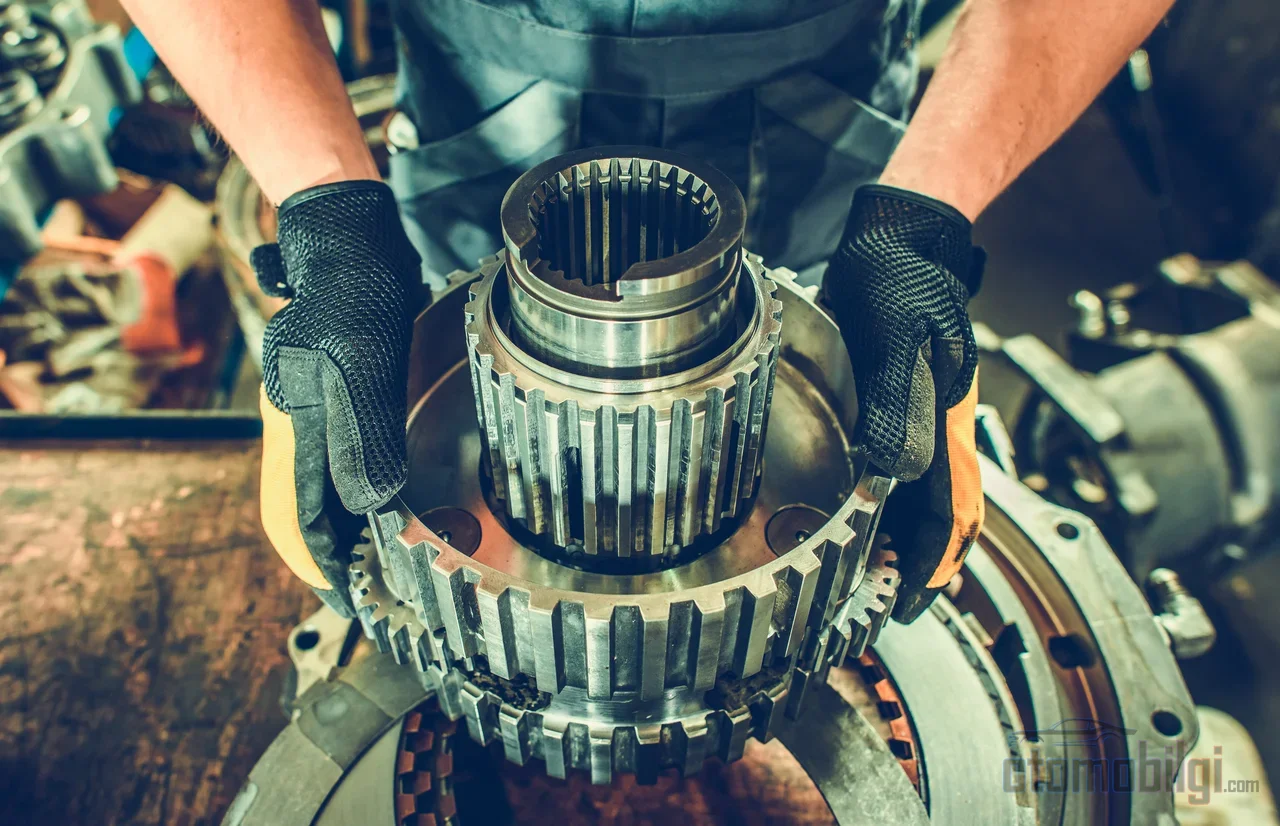
Automatic transmission fluid lubricates the gears inside the transmission, provides hydraulic pressure to smooth gear shifts, and balances heat; because it collects dirt and metal particles over time during circulation, it needs to be renewed at certain mileage intervals. While many manufacturers describe this fluid as a lifetime, never-change item, long-distance experience tells a very different story: a fluid change at around 90,000 to 120,000 kilometers is the cheapest insurance that can prevent a transmission repair costing thousands of dollars.
Key Takeaways
- Most manufacturers recommend changing automatic transmission fluid in the 100,000-160,000 km range.
- Under severe driving conditions, this interval 90,000 km can drop to as low as.
- A fluid change typically costs 150-300 dollars; a transmission rebuild, on the other hand, can cost thousands of dollars.
- Fresh fluid is bright red; darkening fluid that smells burnt is a sign it needs changing.
- In high-mileage vehicles, the drain-and-fill method is considered safer than a full flush.
What Does Transmission Fluid Do and Why Does It Degrade Over Time?
An automatic transmission is a delicate mechanism, part of which consists of gears and part of a hydraulic system. The fluid performs three jobs at once here: it lubricates moving parts to prevent wear, provides the hydraulic pressure needed to engage the clutches, and regulates temperature by carrying heat away. When the fluid begins to degrade, the quality of all three jobs drops at the same time; in other words, the problem appears not at a single point but in the transmission as a whole.
The cause of the degradation is no mystery either. Heat, friction, and normal wear produce contaminants over time; the fluid collects these contaminants during circulation and darkens. In the past, fluid formulas had to be renewed at shorter intervals, while the synthetic-based products used today last much longer. But long-lasting does not mean maintenance-free: no automotive fluid lasts forever.
How Often Should Automatic Transmission Fluid Be Changed?
The figures vary considerably depending on the vehicle and how it is used. Manufacturer recommendations generally fall 60,000 miles (approximately 100,000 km) to 100,000 miles (160,000 km) within this range. For example, while one manufacturer says no check is needed under normal use, for severe driving conditions it recommends a change roughly every 90,000 km. Some service sources consider the fluid and filter change together and find 80,000-100,000 km the appropriate range; for harsh conditions - mountainous terrain, constant stop-and-go traffic, heavy loads - more frequent changes, that is a 48,000-64,000 km band, are advocated.
This spread is not a contradiction; it is the result of different definitions. The interval given by the manufacturer aims for the vehicle to operate trouble-free under average conditions. For a driver who wants to extend the transmission's life, the picture demands stricter discipline: short-distance use with frequent stop-and-go, towing a caravan, and heavy loads in summer heat all do the same thing - they raise the fluid's temperature. Excessive heat is the transmission's and its fluid's biggest enemy.
| Driving Condition | Recommended Change Interval |
|---|---|
| Normal use | Approximately 100,000-160,000 km |
| Severe use | Approximately 90,000 km |
| Mountainous terrain, heavy loads, constant stop-and-go | Approximately 48,000-64,000 km |
| Oil + filter together | Approximately 80,000-100,000 km |
How True Is the "Lifetime Fluid" Claim?
In some vehicles, transmission fluid is described in the catalog as a fluid that never needs to be changed. It is not hard to understand the calculation behind this claim: trouble-free operation during the vehicle's warranty period is enough to lower the maintenance cost in the sales brochure. The "lifetime" referred to by the lifetime claim may be the service life of the vehicle's first owner - what happens after the car changes hands and the mileage increases falls outside of this calculation.
As someone who has passed by the service department door for many years, let me say this clearly: fluid, like all other automotive fluids, degrades over time, and heat, friction, and wear accelerate this process. A significant portion of experienced technicians hold the view that no fluid lasts forever; some count the claim of never needing a lifetime change directly among the common misconceptions of the automotive world. If you plan to keep your vehicle for many years, it is more appropriate to interpret this claim according to your own usage rather than the mileage in the manual.
How Do You Know the Fluid Has Degraded?
The transmission does not immediately tell you that you have delayed the fluid change; but the bill for the delay arrives with clear signals when it is due. The clearest sign is what we call gear slipping: engine RPM rises, but the vehicle does not accelerate in response. In addition, the following symptoms should also be taken seriously:
- Delayed or hard gear shifts, jolts felt between the gears
- Delay in engagement when shifting into D or R
- Sudden and unexplained RPM changes
- Abnormal noises in the form of humming or buzzing, warning light on the dashboard
- Darkening fluid color and a burnt smell
There is a practical yardstick when it comes to color: fresh transmission fluid is bright red. If the fluid has darkened and especially if a burnt smell is noticed along with gear slipping, the time for a change has long since arrived. When you see this picture, it should not be put off; old fluid loses its friction properties, varnishes the surfaces, and eventually leads to irreversible wear. A fluid that is not changed turns today's seemingly insignificant delay into a certain transmission failure in the future - and the difference is reflected in the bill: between a maintenance job costing a few hundred dollars and a rebuild that can run into thousands.
How Can You Check Transmission Fluid at Home?
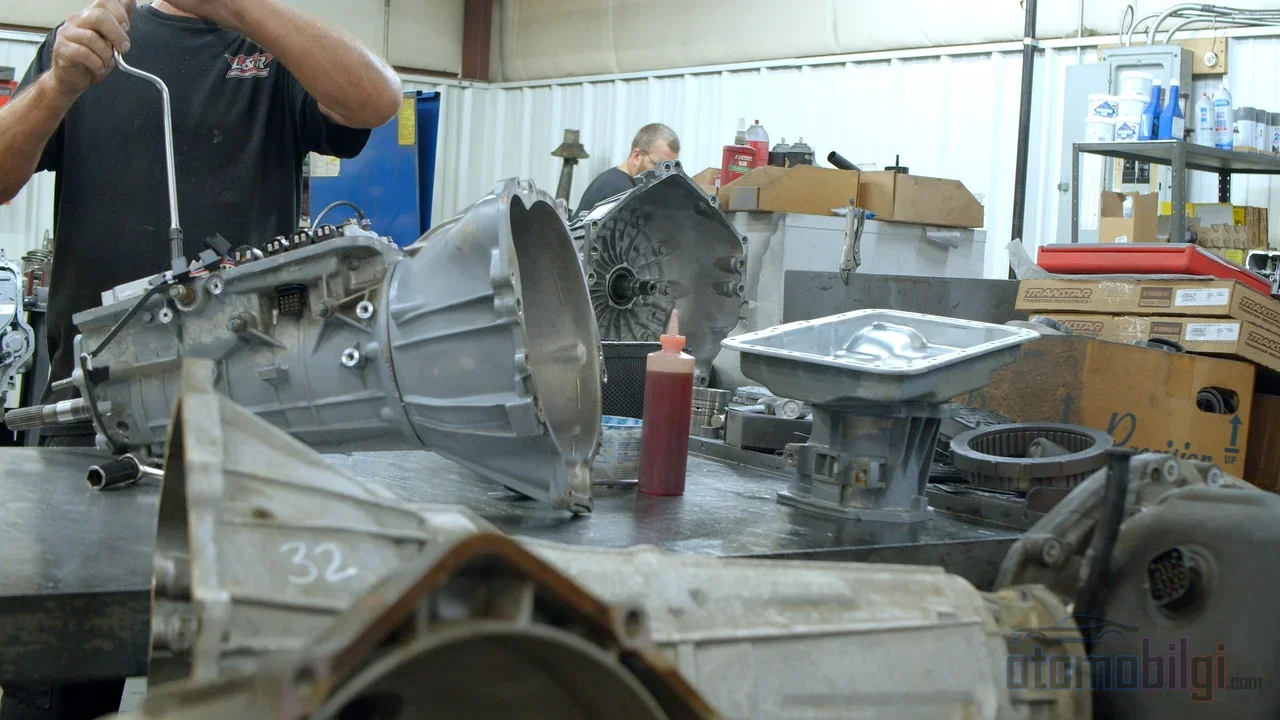
The check is short and simple; it takes a few minutes of your time. The only requirement is that the vehicle is on level ground and the check is done with warm fluid while the gear is in Park (P):
- Park the vehicle on level ground, engage the parking brake, and leave the engine running.
- Find the transmission dipstick. Some newer vehicles may not have a dipstick; in that case, you should consult the manual.
- Pull out the dipstick and wipe it with a clean cloth; evaluate the fluid's color and consistency at this first glance.
- Reinsert the dipstick and pull it out again to check that the level is between the min and max marks.
If the level is low, or the oil is dark in color or smells burnt, that is a service signal. On vehicles without a dipstick, the inspection and replacement must be handled by a service center; the owner's manual clarifies the details of this design.
Replacement Methods: Simple Drain or Full Flush?
At the service bay, you may encounter two basic options. The first is the quick drain-and-fill, which relies on gravity to drain the oil, or the drop-the-pan method; it generally renews less than half of the total oil. The second is the full flush, which requires special equipment: it replaces nearly all of the old oil in the transmission, torque converter, and cooling lines with new oil.
Which one is appropriate depends on the mileage. On vehicles that have not reached high mileage, both methods can be used. However, a full flush is not recommended for vehicles with more than 70,000 miles (approximately 110,000 km): deposits accumulated over a long time can dissolve during the flush, circulate inside the transmission, and cause damage. For these vehicles, drain-and-fill or dropping the pan + filter replacement is considered safer. It should also be noted that service centers differ in their approach; some argue that a full flush is advantageous when done correctly. When making a choice, consulting a service center that knows the vehicle's maintenance history is the healthiest path.
Cost: The Difference Between Cheap Maintenance and Expensive Repair
Here is the heart of the matter. An automatic transmission fluid change typically falls in the $150-300 range; on high-performance and luxury vehicles it can exceed $300-500 . A full flush costs about $150-250. On the other side there is transmission repair: a typical repair ranges between $300-1,500 ; if the damage has spread to the gears and clutches, a rebuild can cost thousands of dollars.
It is also true that a rebuild is generally cheaper than replacing the entire transmission - it requires fewer new parts. But this comparison describes a move played within an already-lost game. An oil change is a cheap maintenance item; once you skip it, the only game left to play is the expensive repair. The notion that changing the fluid on a high-mileage vehicle whose oil has never been changed causes damage itself is largely an urban myth: a delayed change should be done, the only condition being that the right method is chosen.
In Lieu of a Conclusion: Three Practical Tips
First check your owner's manual and distinguish between the intervals the manufacturer specifies for normal and severe use. Under conditions that count as severe use - frequent stop-and-go, heavy loads, mountainous roads, hot climates - go by the lower end of the range. Then set a schedule based on your own vehicle's mileage, and if it has a dipstick, check the oil's color from time to time. If you have bought a vehicle with over 100,000 km and an unclear maintenance history, having an oil change done the safe way (drain-and-fill, with a filter if needed) is the most sensible investment you can make in this class of vehicle: an expense of a few hundred dollars remains the price of not facing a bill worth thousands of dollars at your door.
Sources
- When to change the transmission fluid? | Kia
- How Often Should You Get a Transmission Fluid Change? - Advanced Transmission
- Do You Really Need to Change the Transmission Fluid? - Cars.com
- Is Transmission Fluid Really "Lifetime"? - Cable Dahmer CDJR
- Transmission Slipping: Causes, Warning Signs, And Immediate Solutions - Mister Transmission
- How to Check Your Transmission Fluid - Quaker State
- Transmission Flush vs Change - AutoZone
- Transmission Fluid Replacement Costs - Valvoline Global
- Is It Cheaper to Repair or Replace a Transmission? - West Ave Automotive
- Complete Guide to Transmission Fluid Change (2026) - Rohnert Park Transmission