When Should Spark Plugs Be Replaced? Your Engine's Silent Warnings
Share This Page
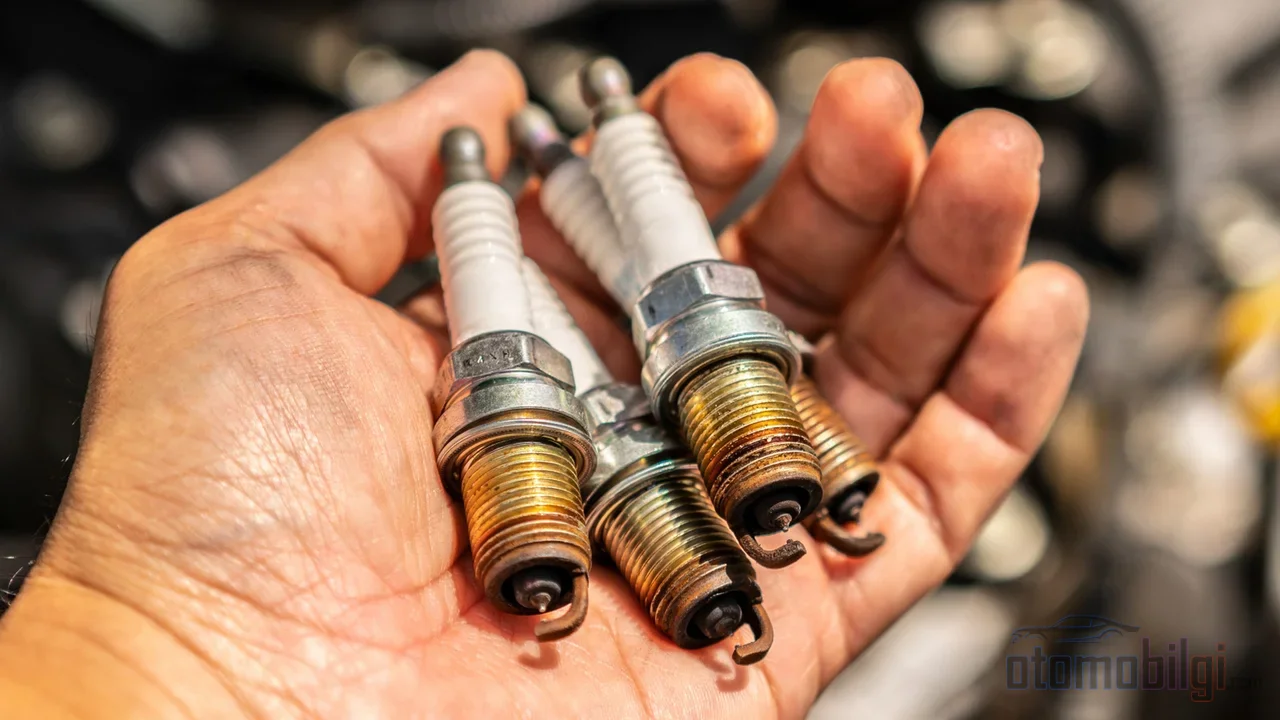
For spark plug replacement, standard nickel plugs are based on a range of 15,000-30,000 km, while platinum and iridium plugs are based on 40,000-100,000 km; the manufacturer's manual and operating conditions determine this figure. If the vehicle is hard to start, idles roughly, or fuel consumption has increased without reason, the plugs should be inspected without waiting for the mileage. This page explains, one by one, when to replace them and the silent warnings your engine is sending.
Highlights
- Standard plugs last up to 15,000-30,000 km, iridium/platinum plugs up to 80,000-100,000 km.
- A single plug replacement takes 15-30 minutes; on average, 30 minutes to 1 hour is sufficient for a full set.
- In LPG vehicles, the lifespan of standard plugs is shortened; the replacement interval drops to approximately 15,000-20,000 km.
- Delaying replacement is the most expensive shortcut, putting the ignition coil and catalytic converter at risk.
What Does a Spark Plug Do and Why Does It Wear Out Over Time?
The spark plug is the component that ignites the fuel-air mixture entering the cylinder in internal combustion gasoline engines. The ignition system carries the high voltage to the spark plug; the spark between the plug's electrodes ignites the mixture at the end of the piston's compression stroke, completing the first link in the chain that initiates power production in the engine. If the spark is weak or delayed, the mixture does not burn completely; this directly affects fuel efficiency and performance.
Deterioration is usually gradual rather than sudden. Three mechanisms stand out: carbon buildup, oil leakage, and overheating. Oil leaks from the top of the engine, such as piston ring wear, cylinder deformation, or valve seal failure, coat the plug tip and reduce spark quality. Incorrect plug selection - a mismatch in heat range, thread length, electrode gap, or resistance type - is another critical cause of accelerated deterioration; in fact, a wrongly selected plug can cause misfiring and shaking even in a healthy engine.
The measurable indicator of wear is the electrode gap. The spark erodes the electrode a little each time; as the gap widens over time, the voltage required for ignition increases, degrading ignition quality and fuel efficiency. The electrode gap specified in factory data should be the target in a new plug.
At How Many Thousand Kilometers Should Spark Plugs Be Replaced?
There is no single universal figure; the right question is at how many kilometers each type of plug should be replaced. The material difference directly determines lifespan: standard nickel-electrode plugs operate at the shortest interval, while hard metals such as platinum and iridium last longer with a thinner electrode. Replacement intervals by plug type are summarized in the table below; the final reference is always the vehicle's owner's manual.
| Plug Type | Replacement Interval | Note |
|---|---|---|
| Standard (nickel) | 15,000-30,000 km | Shortest lifespan, lowest cost |
| Platinum | 60,000-80,000 km | Approximately 2-3 times the lifespan of nickel, balanced cost |
| Iridium | 80,000-100,000 km | Superior ignition with a fine electrode and the longest lifespan |
| LPG vehicle, standard plug | 15,000-20,000 km | High combustion temperature wears out the spark plug quickly |
| Motorcycle | 8,000-15,000 km | Frequent checks recommended |
There are also usage conditions that affect mileage: stop-and-go driving in heavy traffic, short-distance use, and carrying heavy loads shorten spark plug life. A controlled approach is to visually inspect the spark plugs at every periodic maintenance and decide based on the condition of the electrodes; instead of automatically replacing them at every service, there is also an approach that advocates replacing them only if damaged, but for vehicles with long maintenance intervals, proactive replacement at a certain mileage eliminates the risk of surprise misfires.
How to Recognize a Spark Plug Failure? 7 Symptoms the Reader Can Observe
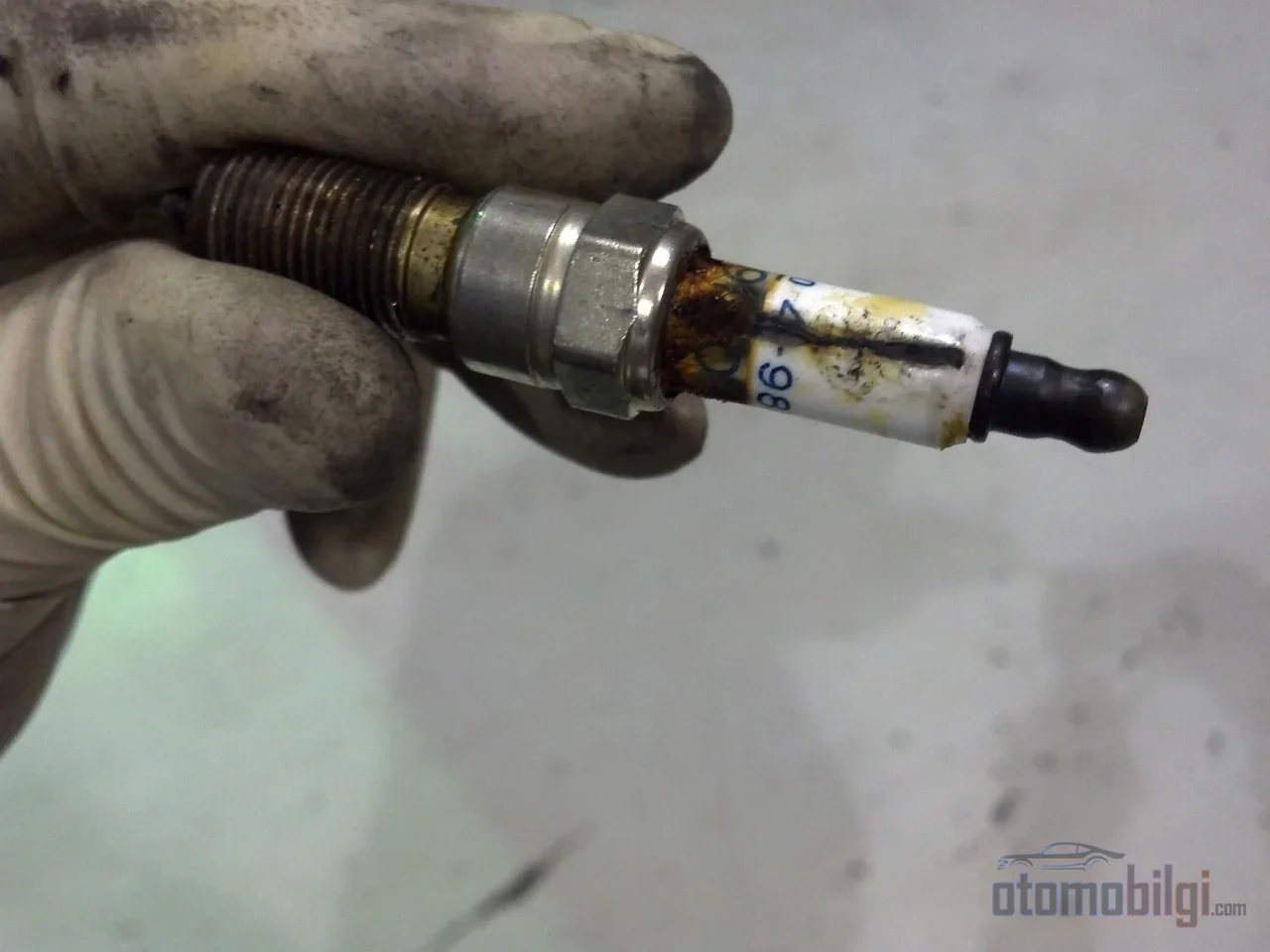
Spark plug failure usually manifests itself with noticeable signals in the vehicle's daily use. You can check the following list step by step on your own vehicle:
- Hard or delayed starting: The cranking takes long, the engine does not catch on the first try.
- Misfiring and shaking at idle: The engine runs unevenly at idle, vibration is felt.
- Loss of power: Throttle response is delayed during acceleration, the vehicle misfires at certain rpm or speeds.
- Increased fuel consumption: Average consumption rises noticeably while your driving habits remain the same.
- Morning misfiring: Misfiring is pronounced when cold and decreases as the engine warms up.
- Engine warning light: If the light is on, or especially flashing, it signals an active cylinder misfire.
- Smoke or abnormal noise from the exhaust: The outward reflection of an incompletely burned mixture.
Morning misfiring is explained by a separate chain of logic: fuel ignition is already difficult in a cold engine, and a worn spark plug cannot deliver a sufficient spark under these conditions. As the engine warms up, combustion conditions improve and the misfiring eases - this is a strong hint that the problem lies in the ignition.
Why Does a Worn Spark Plug Increase Fuel Consumption?
The connection is simple: a worn spark plug cannot ignite the mixture completely and with a strong spark. An incompletely burned mixture does not produce the energy the engine should generate; the engine takes in more fuel from the injectors to maintain the same performance. So the increase in consumption is both a sign of a fault and, at the same time, a cost indicator - it is visible at the fuel tank and can be noticed without waiting for the warning light.
To suggest a practical monitoring method: if the fuel gauge is dropping rapidly without any change in speed or driving style, put the ignition system at the top of your checklist. Timely replacement restores combustion efficiency, reduces consumption, and lowers exhaust emissions.
What Is the Difference Between Iridium, Platinum, and Standard Spark Plugs?
In summary, the difference between the three types lies in the electrode material and, as a result, in lifespan and ignition power. Standard nickel spark plugs are replaced at short intervals and are low in cost. Platinum spark plugs offer roughly 2-3 times longer life than nickel; since they operate at a slightly higher temperature, they burn off deposits better and delay fouling. Iridium spark plugs, with their thinner electrode tip, provide the strongest spark and the longest lifespan; in high-performance plugs, lifespan is stated to start at 80,000 km and reach up to 160,000 km.
When choosing, compatibility with the engine matters more than the brand logo: the heat rating, thread length, electrode gap, and resistance type must match the values in the guide. An unsuitable iridium plug delivers worse results than a correctly installed standard plug; because a mismatch causes misfiring, idle shaking, and increased emissions, unnecessarily stressing the ignition coils and causing premature failure. After new plugs are installed, it is reasonable to expect a stronger spark, better throttle response, and smooth idling.
How Much Does Delaying a Spark Plug Replacement Cost?
The spark plug is the cheapest part of the ignition system; the cost of delaying, however, is paid in the components further down the chain. When the misfire continues, unburned fuel goes into the exhaust line, and from there to the catalytic converter, damaging that part. During the same process, the ignition coils wear out and may fail. Catalytic converter repair is significantly more expensive than other misfire-related repairs such as replacing a plug or coil; delaying one maintenance item can ultimately turn into two separate costly repairs.
To make the price scale concrete, scale data is useful: in the US market, a single coil-on-plug unit ranges from 100 to 400 dollars, while replacing a spark plug and ignition coil together costs an average of 387 dollars; a repair involving a spark plug, coil, and catalytic converter together has approached 3,000 dollars. These figures belong to US prices and should not be directly compared with Türkiye; however, the cost ranking - plug being the cheapest, catalytic converter the most expensive - is the same in every market. A flashing warning light is a sign that the engine is losing a cylinder at that moment, and continuing to drive accelerates the final link in the chain.
Why Is Spark Plug Selection More Critical in LPG and High-Mileage Vehicles?
LPG has a higher ignition resistance than gasoline; since the mixture is harder to ignite, the condition of the spark plug directly determines engine performance. Additionally, the high-temperature combustion of LPG wears out spark plugs quickly: in LPG vehicles, standard plugs last approximately 15,000-20,000 km, while practical usage recommendations point to not exceeding 30,000-45,000 km. For this reason, the most important part of the ignition system is in a more sensitive position in an LPG vehicle than in a gasoline one; the compatibility of the plug type and gap with LPG use is a precondition for the engine to run without misfiring.
In high-mileage vehicles, the picture works in reverse: wear inside the engine shortens the spark plug's lifespan. As a result of piston ring wear, cylinder deformation, or valve seal failure, oil leaks onto the plug; carbon buildup and overheating accumulate. Other factors that shorten lifespan include dirty or poor-quality fuel, high-pressure injection systems, incorrect spark plug choice - often the most important one - and wrong or insufficient engine oil. On a high-mileage vehicle, making spark plug inspection a fixed item on the maintenance calendar allows early detection of coil and catalytic converter risks.
Conclusion: Get the Schedule from the Manual, Make the Decision Based on Symptoms
A practical decision framework for spark plug replacement is as follows: take the mileage in the manufacturer's manual as the baseline, know the interval for your spark plug type, and check for symptoms - hard starting, rough idling, loss of power, increased fuel consumption, morning misfires - at every service. On LPG and high-mileage vehicles, tighten the schedule by one step. Replacement is a job that takes on average 30 minutes to 1 hour for a full set; compared to the repairs caused by damaged coils and catalytic converters, it is the cheapest insurance you can buy.
Sources
- When Should Spark Plugs Be Replaced
- How to Tell If a Spark Plug Is Faulty?
- What Is a Spark Plug Replacement? When Is It Done? Symptoms and Replacement Guide
- Spark Plug Lifespan. How to Tell When It's Time to Replace Spark Plugs?
- At What Mileage Are Spark Plugs Replaced on a Gasoline Vehicle?
- What Happens If Spark Plugs Are Not Replaced?
- When Should Spark Plugs Be Replaced on LPG Vehicles?
- What Are the Differences Between Iridium and Platinum Spark Plugs?
- What Is the Difference Between Iridium and Platinum Spark Plugs?
- Spark Plug Materials
- How Faulty Spark Plugs Affect Catalytic Converters
- Most Common Repairs and Costs
- Ignition Coil Replacement Cost
- What Is a Spark Plug, Symptoms of Spark Plug Failure