Does Letting an Engine Idle for a Long Time Harm It?
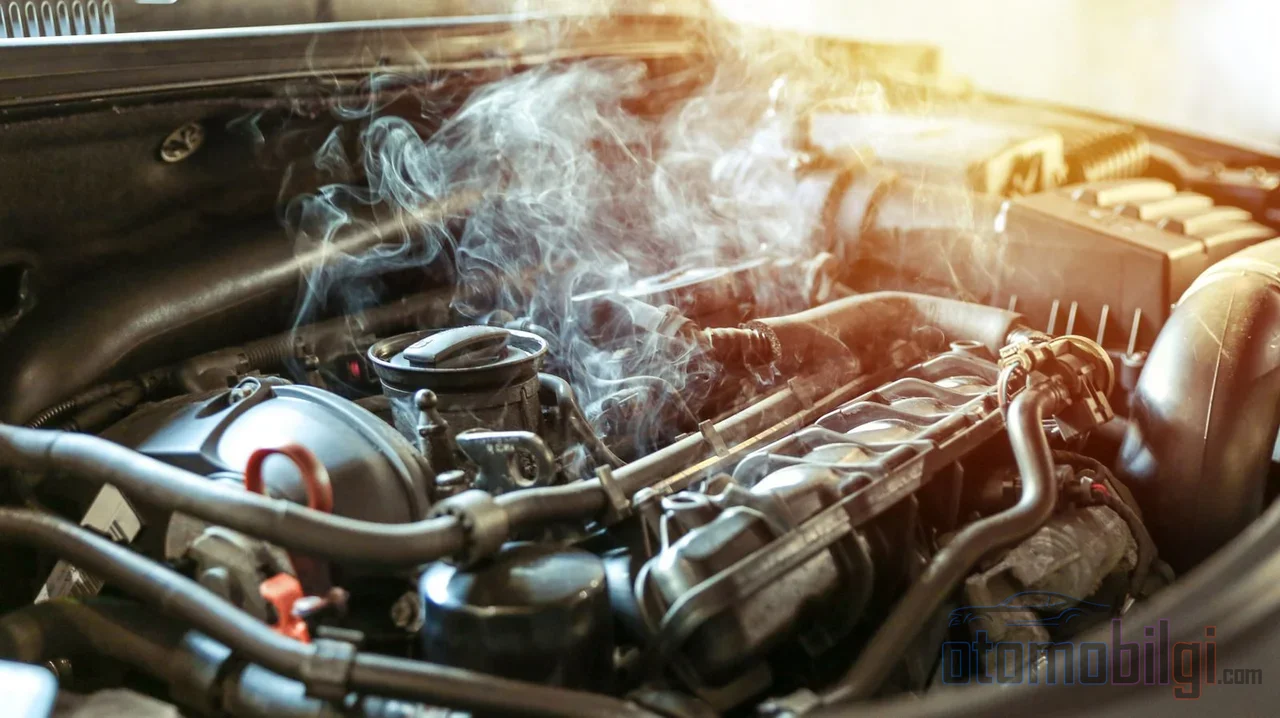
Cars idling for forty minutes in front of apartment buildings on winter mornings, drivers filling up at the gas station and leaving the engine running during long stops in traffic... They all revolve around the same belief: an engine idles to rest, and it does no harm. I have been in this business for more than thirty years, and I know how deeply rooted this belief is. In the old carburetor era, it even had a certain basis. So does prolonged idling really harm the engine, or is it just another way of burning fuel? The answer to this question is more concrete than you might think.
What Does the Engine Do at Idle, and Why Doesn't It Run Efficiently?
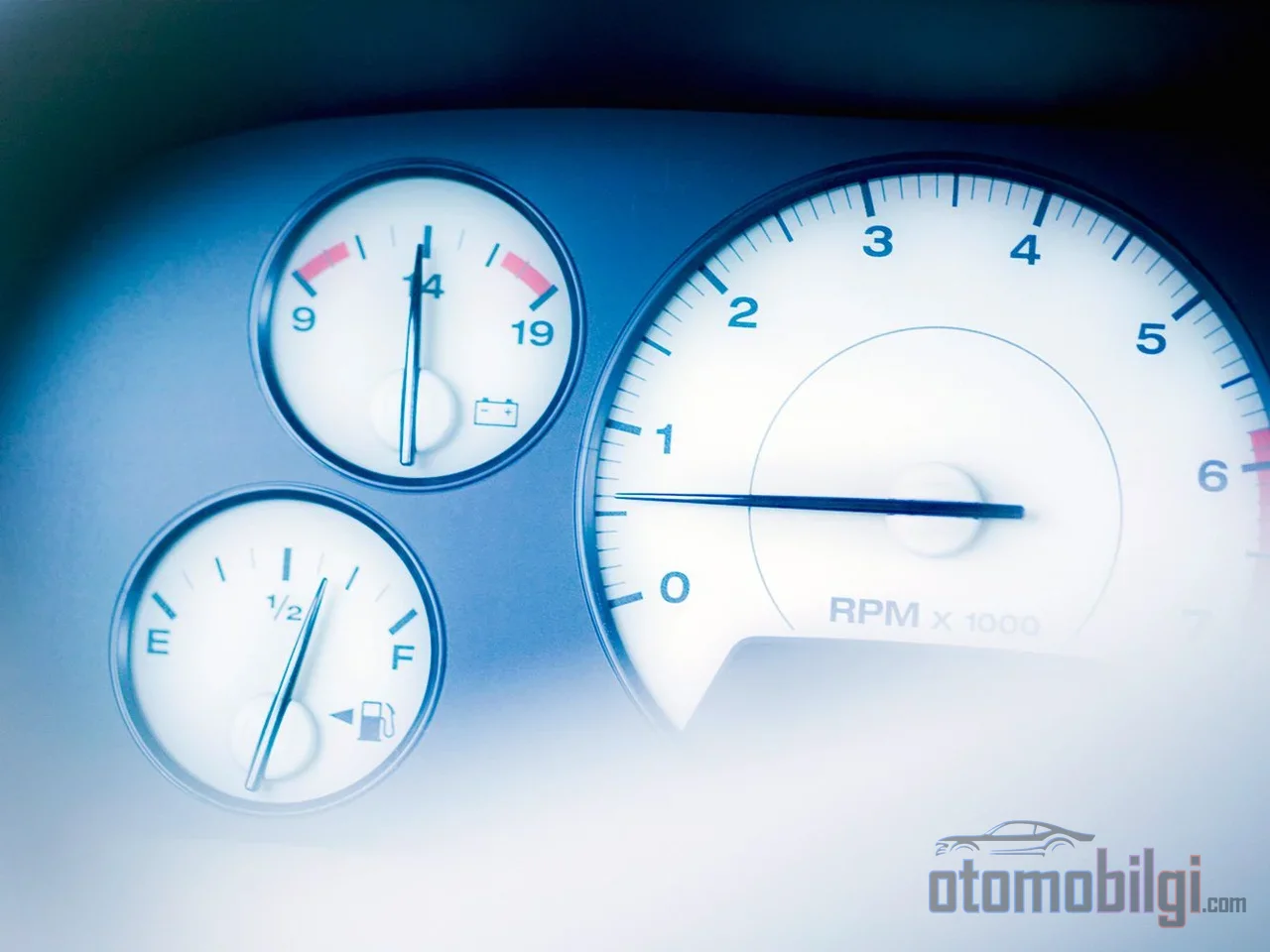
Idling is the state in which the engine burns fuel but does no work at all. RPM is low, airflow is weak, and the mixture inside the cylinder is heterogeneous. Under these conditions, combustion is less complete compared to driving. And incomplete combustion has its price: carbon builds up inside the cylinder, part of the unburned fuel runs down the cylinder wall and mixes with the engine oil, degrading the oil's quality over time.
Beyond that, at idle the oil is at its weakest point in terms of pressure and flow. Oil circulation is slow at low RPM; engine components are exposed to wear without any kilometers being added. A vehicle left idling for thirty minutes bears a component load equivalent to all the idle time encountered on a long city journey - without registering a single kilometer on the odometer.
The exhaust side is not empty either. At idle, water condenses inside the exhaust; since the system does not heat up sufficiently, this water cannot be expelled as vapor, laying the groundwork for corrosion. The exhaust's lifespan is shortened. The catalytic converter, as a rule, cannot clean at full efficiency before reaching its operating temperature, and the most effective way to heat it up is to actually move the vehicle.
Spark Plugs and the Combustion Chamber: Idling's Silent Bill
In gasoline engines, one of the most prominent victims of idling is the spark plug. As the idling time lengthens, the spark plug's average temperature drops; at low temperatures, combustion residues accumulate on the spark plug, and the plug becomes fouled. A fouled plug deviates from its setting, ignition weakens, and fuel consumption increases measurably - spark plugs in poor condition can bring an additional consumption of around four to five percent. The deposits and uneven heating inside the combustion chamber can also pave the way for an unwanted glossy layer forming on the cylinder wall, that is, glazing; and that means a drop in compression and efficiency.
Highlights
- At idle longer than 10 seconds, more fuel is burned than switching the engine off and restarting it.
- Idling produces approximately 10-12% more emissions for the same amount of fuel compared to driving.
- In modern fuel-injected engines, idling for around 30 seconds in winter is often sufficient; warming up the rest is done by driving.
- Start-stop systems can raise fuel economy in heavy traffic to above 8%.
The oxygen sensor and catalytic converter are also stakeholders in this picture. With incomplete combustion, more unburned hydrocarbons go into the exhaust; the sensor constantly tries to correct this variable mixture, while the converter carries above-normal load. A single long idling session will not break a component. But idling that becomes a habit creates a silent cumulative effect that shortens the life of these parts.
The Numbers Behind Fuel Waste: How Many Liters Does Idling Burn?
The clearest place that shows the cost of idling is the tank. An average gasoline engine consumes roughly one gallon, or about 3.8 liters, of fuel per hour at idle. This means that a stationary car burns enough fuel in ten minutes to travel five miles - roughly eight kilometers. Running out of fuel without going anywhere is, by definition, waste.
| Idling time / habit | Fuel cost |
|---|---|
| 10 minutes | Fuel for about 5 miles (8 km) of travel |
| 30 minutes | At least 0.2 gallons; up to 0.7 gallons in 8-cylinder engines |
| 10 minutes a day | Between 27 and 35 gallons of fuel per year |
| Every gallon of gasoline | About 8.6 kg of CO₂ |
| Idling with the air conditioning on | Up to a 13% increase in emissions |
The fact that a driver who idles for just ten minutes a day loses between 27 and 35 gallons a year summarizes the scale of the habit well. Moreover, the figure grows even larger in a poorly tuned engine: for engines that consume up to fifteen percent more energy at idle compared to a well-tuned one, the bill is drawn even higher. As for the carbon side, a gallon of gasoline means about 8.6 kilograms of CO₂, and idling produces up to twelve percent more emissions than driving with the same amount of fuel - both due to incomplete combustion and a cold catalytic converter.
How Long Should You Warm Up the Car in Winter? The End of an Old Habit
The warm-up myth is a legacy of carbureted engines. Those engines could not form a proper mixture when cold, so warming up before driving was a technical necessity. Fuel-injected engines solved this problem long ago; the electronic control unit adjusts the mixture instantly according to the air temperature. In a modern vehicle, even on the coldest winter morning, thirty seconds of idling is more than enough to get the oil circulating.
Moreover, long idling does not speed up the warm-up process; it prolongs it. The engine warms up faster when running under load. During driving, warm-up time is cut roughly in half. And it is not just the engine: the transmission, wheel bearings, suspension and steering components only warm up when the vehicle is moving. In a car that has idled for forty minutes, these parts are still cold the moment it sets off.
The recommended practice is this: set off right after a cold start, avoid high revs and sudden acceleration in the first few miles, and drive gently without straining the engine. In the minutes immediately after a cold start, emissions are more than twice the normal level; spending this period in gentle driving rather than idling puts less strain on both the engine and the air. With diesels, the picture carries a separate twist: idling cools the engine faster than turning it off; a switched-off engine retains its heat longer. There are also views saying that idling beyond a few minutes in very harsh winter climates causes more wear than restarting; being moderate at these extremes is the right choice whichever climate you are in.
Is Shutting Off the Engine While Stopped in Traffic Sensible?
This question has a practical threshold: ten seconds. Restarting the engine during stops shorter than ten seconds consumes more than the fuel that would burn at idle; for every stop longer than ten seconds, shutting off wins mathematically. Long waits at traffic lights, queues in front of banks, waits at railway crossings - all are stops far beyond this threshold.
moderation is certainly needed. Turning the engine off and on at every short stop increases the load on the starting system, and the savings must be balanced against the impact on the lifespan of starter components. Therefore the smart middle path is to shut off during long, predictable stops and leave the engine running during brief stops in flowing traffic. In a vehicle with a faulty cooling system or a weak oil pump, prolonged idling is already an additional risk: without airflow the system is at the mercy of the fan and thermostat, and weak oil pressure at low revs strains a worn engine even further.
What Does the Start-Stop System Add to This Balance?
The start-stop system in modern vehicles automates this ten-second rule. The system engages only when the engine reaches its operating temperature; since most engine wear occurs during cold starts, the system rules out unnecessary shutdowns from the outset. So viewing this system with suspicion out of wear concerns is unwarranted in most driving scenarios.
The picture on the savings side is modest but real. Studies by SAE show that improvement in heavy traffic can exceed eight percent, while some assessments speak of a reduction in the range of four to ten percent in urban use. The figure varies depending on traffic density and stop durations; each start-stop event corresponds roughly to six or seven seconds of idle fuel. There is also long-term data on the effect of shutting off and restarting the engine on the starting system: a 2015 study by Argonne National Laboratory, affiliated with the U.S. Department of Energy, revealed that the number of start events has a minimal effect on the lifespan of modern starting systems.
On the battery side, the system has its own requirements. Start-stop vehicles come with special batteries with high cycle durability; with the proper type and maintenance, these batteries usually last three to five years, while frequent short trips shorten their life. When the battery weakens, the vehicle's energy management system usually disables the system on its own - meaning that instead of the driver facing a surprise with a dead battery, the system simply goes silent. Some drivers prefer to switch the system off manually every time; that is a preference, but if it is done out of concern for saving fuel, the math usually works the other way.
So the Clear Answer: Does Prolonged Idling Damage the Engine?
Yes, prolonged idling damages the engine; its harm manifests not as a single breakdown, but insidiously and cumulatively, through wasted fuel, carbon buildup, degraded oil quality, and shortened lifespans of spark plugs and exhaust components. This habit wears down the components of an engine that isn't even gaining mileage, and produces no road traveled, no benefit in return.
My summary practical advice, with the clarity of thirty years of experience, is this: in a modern fuel-injected vehicle, waiting between thirty seconds and one minute after a cold start is enough; the rest is handled by gentle driving. For predictable stops longer than ten seconds, shut off the engine, or leave the job to your vehicle's start-stop system. Idling does not rest the engine; it runs it in vain. The difference shows itself in your annual fuel bill and in your engine's lifespan.
Sources
- Idling Myths, Facts and Information
- Why Idling Is Killing Your Fleet: Engine Health and Fuel Costs Unmasked
- Some Common Myths: Be Idle Free
- Is idling bad for your engine?
- How Long To Warm Up The Engine Before Driving
- Start-stop system
- Stop and Restart Effects on Modern Vehicle Starting System
- Maximizing the Lifespan of Start-Stop System Batteries
- Start-stop myths
- Myth vs Fact: Why Idling Your Car Is A Bad Idea