Does the Start-Stop System Wear Out the Engine?
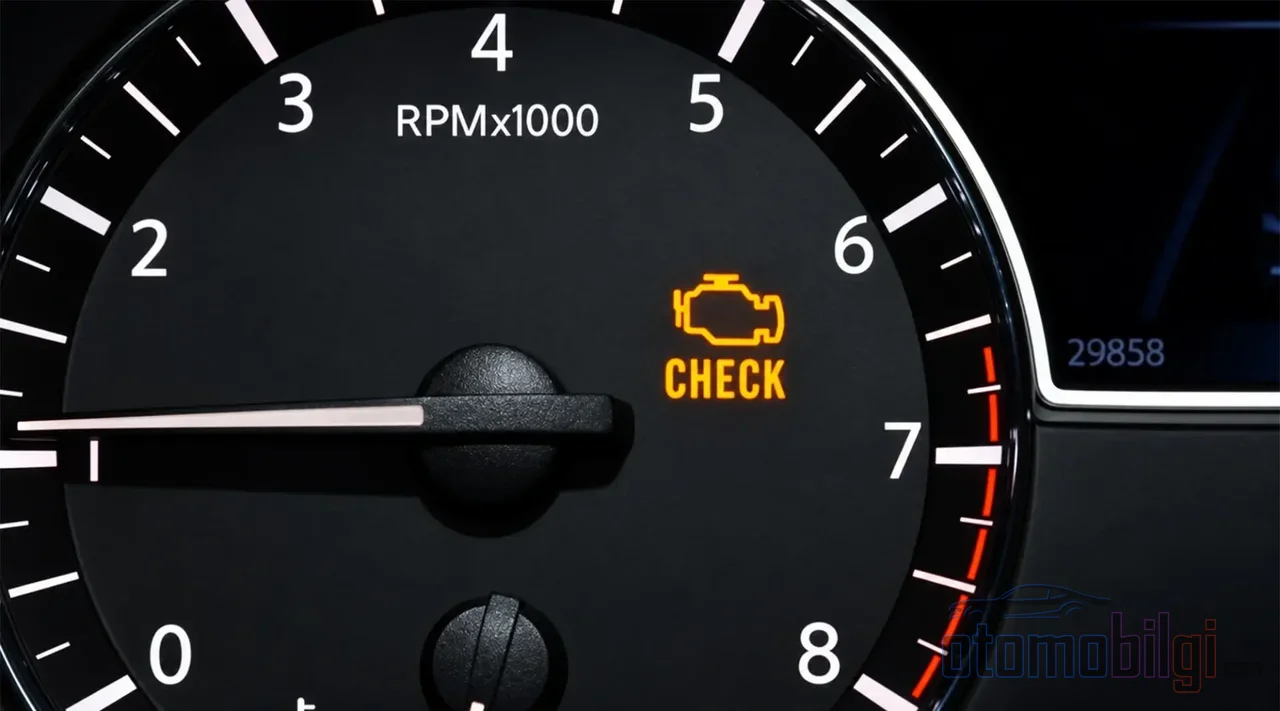
The engine going silent when you stop at a traffic light and restarting when the light turns green... This technology, which we have grown accustomed to in modern cars, is presented by manufacturers as an important engineering solution that reduces fuel consumption and exhaust emissions. However, it is hardly possible to see the same excitement on the driver's side. The engine constantly stopping and restarting in traffic, the starter motor and battery being used more, and moreover, mechanical components facing different loads with each restart inevitably raise some questions.
The real issue is this: Does the start-stop system really provide a significant fuel saving, or is it a technology developed to improve manufacturers' official consumption and emission figures? Moreover, is the saving achieved worth the mechanical strain the system brings with it and the discomfort it creates for the user? In this article, we examine the working principle of start-stop technology, its effects on the engine and auxiliary components, its real contribution to fuel economy, and why manufacturers care so much about this technology.
How Does the Start-Stop System Work?
Start-stop, also called micro-hybrid, is a system that automatically shuts off the internal combustion engine when the vehicle stops and restarts it before motion begins. Its main purpose is to eliminate the fuel consumed at idle while the vehicle is not moving, thereby reducing exhaust emissions. The system provides an advantage especially in conditions where frequent stops occur, such as traffic lights and heavy city traffic.
The working principle varies depending on the transmission type. In vehicles with manual transmissions, the system usually stops the engine when the gear is shifted to neutral and the clutch is released. When the driver presses the clutch, the engine restarts. In vehicles with automatic transmissions, the engine shuts off when a complete stop is achieved by pressing the brake pedal; it is reactivated when the driver releases the brake pedal or, in some systems, touches the accelerator pedal.
There is an important detail here: The start-stop system does not shut off the engine under all conditions. Many parameters such as the engine's operating temperature, battery charge level, cabin temperature, air conditioning demand, and electrical consumption are monitored by the electronic control unit. If the engine has not warmed up sufficiently or the restart conditions are not suitable, the system disables itself.
At the basis of this approach lie engineering realities such as the engine being subjected to more wear during cold starting and fuel consumption rising in a cold engine. However, the engine being warm does not mean that every restart occurs entirely without wear.
What Really Wears the Engine? The Difference Between Cold Starting and Warm Restarting
One of the most sensitive operating conditions for an internal combustion engine in terms of wear is cold starting. When a vehicle is parked for an extended period, the engine oil drains into the sump, the metal parts drop below operating temperature, and it takes time for the lubrication system to reach ideal conditions.
In a start-stop system, however, the engine is usually stopped only after it has reached operating temperature. Therefore, during a restart the oil is more fluid, the engine components are close to operating temperature, and the conditions are far more favorable compared to a cold start.
However, there is a physical reality here that should not be overlooked. While the engine is running, the crankshaft moves on a thin oil film over the main bearings thanks to hydrodynamic lubrication. When the engine stops, this lubrication regime disappears, and in the first moments of a restart, boundary lubrication may occur until the oil film is fully established.
On its own, this does not mean the engine will be damaged in a short time. However, every restart adds an additional mechanical transition to the engine's operating cycle. Manufacturers focused on exactly this point when developing start-stop systems, making various changes to adapt standard engine components to more intensive operating cycles. In other words, some engine components had to be made more durable for the system to work flawlessly.
Highlights
- In vehicles with start-stop systems, the starter motor is designed to withstand far more starting cycles than standard systems.
- In AAA tests, the system was measured to provide approximately a 5-7% improvement in fuel economy.
- The system usually activates when the engine is warm; but warm restarting is not entirely free of wear either.
- Vehicles with start-stop use AGM or EFB batteries; standard lead-acid batteries are not suitable for this operating regime.
- A significant portion of fuel savings is achieved in urban stops. On highway use, the system's contribution is quite limited.
Components Specifically Designed for This Regime
Reinforced Starter Motor
The starter motor used in start-stop systems is different from a standard starter motor. Its components are reinforced to withstand far more frequent starting cycles. While a normal vehicle lifespan involves roughly 50,000 starting events, in an engine with start-stop this number can reach around 500,000 cycles. In some usage scenarios, even higher values can be reached.
The engineering details are also quite instructive. A significant portion of brush wear occurs not during cranking, but in the deceleration phase after starting is complete. For this reason, the gear ratio is optimized to shorten the engine's deceleration time. Thanks to carbon-copper brush compositions, needle bearings, and integrated technologies that detect the pistons' top dead center, the starter motor operates faster and in a more controlled manner.
However, one distinction should not be overlooked here: Designing the starter motor to withstand hundreds of thousands of start cycles does not mean that this component has the same service life as a standard starter motor. To meet the increased frequency of use, the manufacturer has to use a more durable and therefore more specialized component. This is one of the additional costs that the system brings with it.
Coated Bearings
One of the most important engineering responses to the boundary lubrication problem comes from bearing technology. Special polymer coatings with low friction properties, such as polyamide, can be used on main bearing surfaces. These coatings help reduce friction and wear between metal surfaces while the oil film has not yet fully formed.
In the industry, special bearings with polymer coatings containing iron oxide particles have been developed. With such coatings, significant reductions in the coefficient of friction can be achieved compared to conventional aluminum bearings. However, the existence of these technologies should not be interpreted as meaning that the start-stop system completely eliminates the wear effect on the engine. The improvements made aim to allow more frequently repeated start cycles to be tolerated by the engine.
AGM and EFB Batteries
While the engine is off, the vehicle's electrical system continues to be powered by the battery. When the engine is restarted, a large amount of current is drawn from the battery. For this reason, AGM (Absorbent Glass Mat) or EFB (Enhanced Flooded Battery) technologies are used instead of standard lead-acid batteries in vehicles with start-stop systems.
Both battery types are designed to be more resistant to frequent charge and discharge cycles. However, the service life of AGM and EFB batteries is not unlimited either. The start-stop system, which is constantly activated especially in heavy city traffic, increases the battery's operating cycle. For this reason, battery replacement in vehicles with start-stop systems is both more important and can be more costly compared to standard batteries.
The alternator is also managed in a way suitable for this system. In some vehicles, the alternator is not run continuously in order to reduce the engine's power demand; especially during deceleration, the battery is recharged. Some manufacturers make use of additional energy storage solutions to meet electrical consumption while the engine is off.
The conclusion here is quite simple: The fuel savings offered by the start-stop system are obtained in return for the electrical system working more intensively and the use of specialized components. Therefore, when calculating savings, one must look not only at fuel consumption but also at the system's long-term maintenance and part costs.
Turbo and Cooling Circuit
One of the most frequently voiced concerns about start-stop technology in turbocharged engines is the turbocharger's lubrication and cooling needs. Turbocharger bearings operating under high temperature can be affected when oil and coolant circulation is cut off when the engine stops.
Modern start-stop systems take various measures to manage this risk. Thanks to electric water pumps, independent cooling circuits, and electronic control systems, cooling of certain components can be maintained even when the engine is off. Additionally, the engine management system may not activate the start-stop function if the turbocharger temperature and engine operating conditions are not suitable.
Therefore, it is not correct to say that a start-stop system will necessarily cause turbo failure in a turbocharged car. However, this does not mean that the system does not impose an additional operating cycle on mechanical components. The fact that manufacturers need additional hardware to manage these risks also shows how comprehensive an engineering arrangement the technology requires.
How Much Is the Real Contribution to Fuel Savings?
The strongest argument for start-stop technology is fuel economy. As long as the engine does not run at idle, no fuel consumption occurs. For this reason, the system is expected to provide savings especially in city traffic.
In tests conducted by AAA, it was measured that automatic start-stop systems can achieve approximately 5-7% fuel economy in real-world conditions. In various measurements conducted on non-hybrid vehicles, savings rates ranging from 3-10% were reported depending on usage conditions. Higher rates can also be achieved under certain special test conditions.
However, when evaluating these figures, an important detail should not be forgotten: The savings provided by a start-stop system is directly related to how long the vehicle idles. In heavy city traffic, at traffic lights, and during long waits, the system's contribution becomes more pronounced. In contrast, the savings obtained during short stops is quite limited.
With a general calculation, compensating for the fuel spent to restart the engine may correspond to about 6-7 seconds of idle time. Therefore, shutting off the engine during stops of one or two seconds may not yield a meaningful gain. The real benefit emerges during waits at lights and in heavy traffic that reach tens of seconds.
In a car used mostly on highways, the contribution of the start-stop system is naturally low. Because the vehicle already moves continuously for long periods, and the opportunities to stop the engine decrease. Therefore, while the same technology provides meaningful fuel savings for one driver, it can create a change in another driver's annual consumption that is almost unnoticeable.
The point that really needs to be questioned here is under which usage conditions the savings figures offered by manufacturers were obtained. In laboratory and homologation tests, the time spent idling directly affects the advantage of the start-stop system. In Europe's old NEDC test cycle, about a quarter of the vehicle's total test time was spent during stops. This also gave systems that automatically stop the engine a significant advantage in official consumption and emission figures.
Therefore, it must be said that start-stop technology is not merely a fuel economy solution that thinks only of the driver's pocket from the manufacturers' perspective. Lowering official fuel consumption and CO₂ emission figures is an extremely important advantage for automakers, especially in the face of tightening emission standards. Behind this technology's such rapid spread throughout the automotive industry lie the manufacturers' emission targets just as much as the fuel savings offered to consumers.
Frequently Asked Concerns: Starter Motor, Battery and Oil
Does the starter motor fail prematurely?
This is one of the most debated topics among drivers. The idea that repeatedly shutting off and restarting the vehicle throughout the day will wear out the starter motor sooner is not entirely baseless. Indeed, the operating principle of the start-stop system places far more workload on the starter motor compared to a standard car.
Manufacturers try to manage this situation with reinforced starter motors, durable brush systems and optimized gear mechanisms. Therefore, premature starter motor failure is not inevitable in a vehicle where the system works as designed and the necessary maintenance is performed. However, it is undeniable that more start cycles mean more use and potential for wear.
Moreover, the increased load is not limited to the starter motor alone. The battery and alternator are also affected by this operating pattern. Secondary effects such as condensation and corrosion in the exhaust system, resulting from repeated heating-cooling cycles, may also arise depending on usage conditions. In short, although the system uses components specially designed to protect the engine, it is not a completely cost-free technology for the car's other parts.
Does the battery run out faster?
Yes, in a start-stop system the battery's operating cycle increases. For this reason, special batteries such as AGM or EFB are used. However, these batteries do not last forever either. Especially in short-distance use with heavy traffic, the battery's charge-discharge cycle can increase.
A vehicle with a start-stop system must always be fitted with the battery type recommended by the manufacturer. Using a standard battery can cause both earlier battery wear and the system disabling itself due to the low charge level. In addition, the purchase costs of AGM and EFB batteries are higher compared to standard batteries.
Is special engine oil required?
In start-stop systems, the engine oil is exposed to frequently repeated stop and restart cycles. For this reason, some oil manufacturers develop low-friction formulations with rapid lubrication properties suited to this type of use.
When the engine stops, not all of the oil is lost from the bearing surfaces, and a certain amount of oil remains in the lubrication system. However, in the first moments of restarting, the oil pressure and oil film must be rebuilt. Therefore, the most correct approach is to use the viscosity and oil standard approved by the vehicle manufacturer and to follow the change intervals.
When Does It Make Sense to Disable the Start-Stop System?
First, it is necessary to know the operating limits of the start-stop system itself. When the engine has not fully warmed up, when the battery is not sufficiently charged, or in conditions where systems such as air conditioning require high energy, the system may not activate anyway. In other words, the electronic control unit continuously monitors the operating conditions of the engine and the vehicle, and suspends the function itself in unsuitable situations.
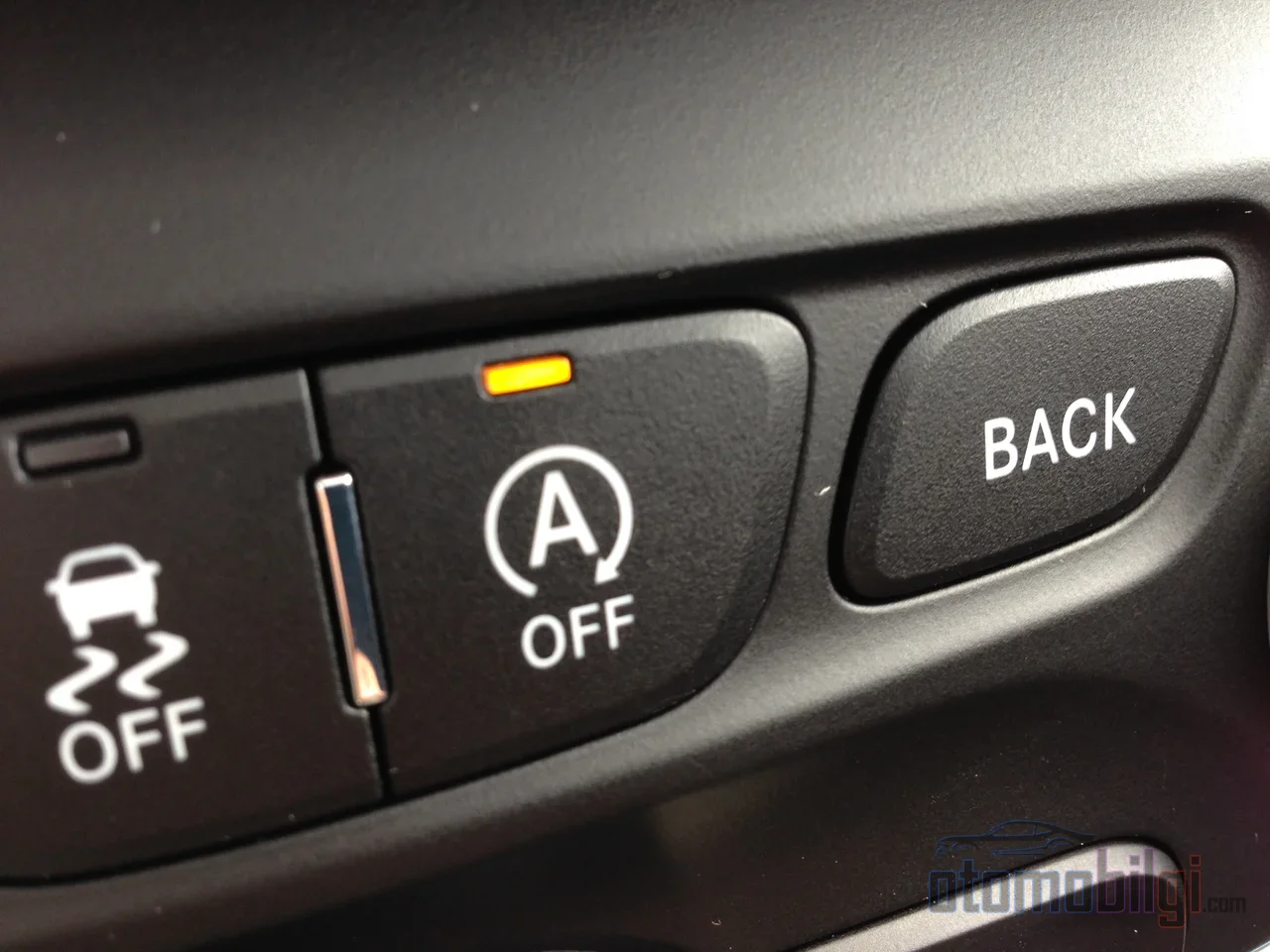
Nevertheless, the driver manually turning off the system can also be a quite understandable choice. Especially in heavy traffic, the engine constantly stopping and restarting creates a serious comfort problem for some drivers. Although modern systems have been developed to reduce the restart vibration, it cannot be said that this transition is completely imperceptible.
In terms of fuel savings, keeping the system on makes more sense in heavy city traffic. In highway-oriented use, the system already has few opportunities to activate. However, the decision here should not be reduced to a few pennies of fuel savings. The driver's comfort, the way the vehicle is used, and battery and starter system costs should also be included in the evaluation.
Especially for drivers who plan to use their vehicle for many years, frequently make stop-and-go traffic in heavy traffic, and are bothered by the engine restarting at every stop, disabling the start-stop system can be a reasonable choice. Of course, this should be evaluated within the framework of the vehicle manufacturer's instructions and the operating logic of the system.
Conclusion: Does Start-Stop Wear Out the Engine, and Is It Worth the Savings?
Short answer: The start-stop system does not by itself mean a serious engine failure or loss of engine life in modern engines designed for this technology. Reinforced starter motors, special bearing coatings, AGM or EFB batteries, and advanced electronic control systems have been developed to manage the load created by frequent starting cycles.
However, these engineering solutions do not mean that the system has no mechanical cost. The starter motor works more, the battery enters charge and discharge cycles more frequently, and the electrical system is used more intensively. Moreover, using more durable versions of these components can also be reflected in the vehicle's maintenance and parts costs.
On the fuel savings side, the real-world improvement at the level of 5-7 percent is not a value to be underestimated. However, this gain becomes meaningful especially in city traffic where long waits occur. The advantage gained in short stops and highway-oriented use remains quite limited.
When I start driving in my own car, the first thing I do is disable the start-stop system. First of all, even though my car has a system that runs without vibration, the engine constantly shutting off and restarting in stop-and-go traffic bothers me. I also don't think the fuel savings it provides is worth the additional workload it places on the starter motor and electrical system. In my opinion, how sensible it is to run some of the car's components more frequently for the sake of saving a few liters of fuel is also debatable.
Moreover, I believe that the most important advantage of start-stop technology for car manufacturers is not merely reducing the driver's fuel costs. Especially in the automotive industry, where emission standards are becoming increasingly strict, even a few grams of CO₂ reduction achieved in homologation tests is of great importance for manufacturers. Therefore, it should not be overlooked that the start-stop system, in addition to offering fuel savings to consumers, is a technology that serves to improve manufacturers' official emission figures.
After all, the start-stop system is not a poorly designed technology or one that damages the engine in a short time. However, like every technological innovation, it has costs as well as advantages. From my perspective, listening to the engine restart at every traffic light for the sake of saving a few seconds of idling, and repeating this cycle throughout my vehicle's service life, is not very appealing. Manufacturers' emission targets and the driver's real-world experience do not always meet at the same point. Start-stop technology is one of the best examples of this.
Sources
- Start-stop system - Wikipedia
- Understanding stop/start automobile-engine design, Part 4: Mechanical wear issues - Power Electronic Tips
- AAA's Tests Reveal Real-World Benefits of Automatic Stop-Start Technology - AAA Newsroom
- Does the Start/Stop Function Really Improve Your Car's Fuel Economy? - Consumer Reports
- Save fuel with start-stop - VARTA Automotive Batteries
- Stop-start engines and idling - common myths busted - RAC
- Stop and Restart Effects on Modern Vehicle Starting System Components - Argonne National Laboratory
- Do vehicles with automatic start-stop system require special oils? - Liqui Moly