Why Does Direct Injection Invite Carbon Buildup?
Share This Page
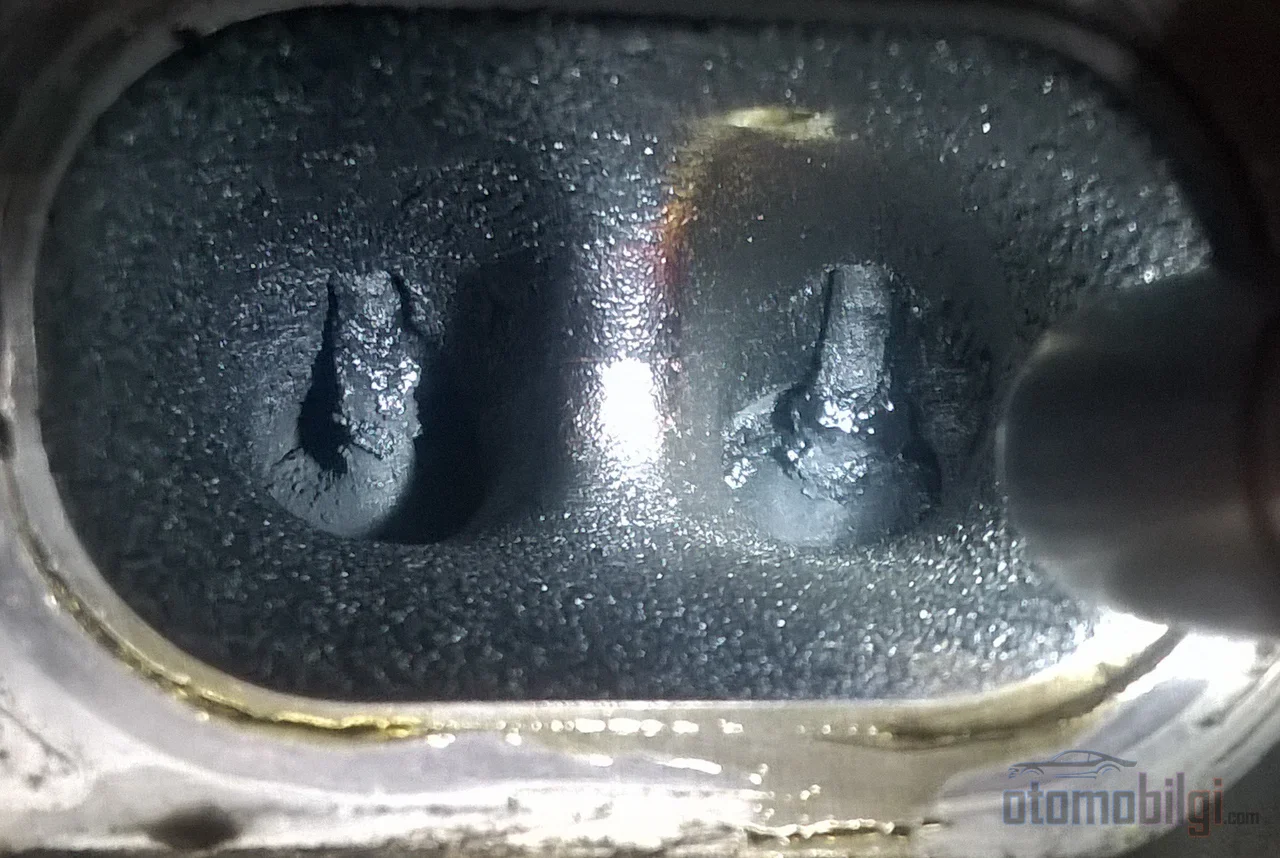
The fundamental reason carbon builds up on intake valves in direct-injection engines is simple: the fuel never touches the intake valves. In older port-injection systems, fuel flows over the valve with every injection cycle, effectively washing it; in direct injection, fuel is sprayed at high pressure directly into the combustion chamber, so this cleaning effect disappears. The only things that reach the back of the valve are a thin oil vapor leaking from the valve seals and exhaust gases coming from the EGR circuit. These cook on the hot metal, harden, and over time turn into a solid carbon layer that restricts airflow.
Key Takeaways
- Port injection washes the valves with fuel; in direct injection this washing effect does not exist.
- The main ingredients of carbon buildup are engine oil leakage and EGR soot; fuel detergents never reach the valves.
- The buildup shows itself as rough idle, acceleration hesitation, power loss, and increased fuel consumption.
- The most effective cleaning method is walnut shell blasting; chemical sprays cannot reach most of the deposits.
- Some manufacturers are solving the problem at its root by using port and direct injection together in a single engine.
What Is the Difference Between Port and Direct Injection?
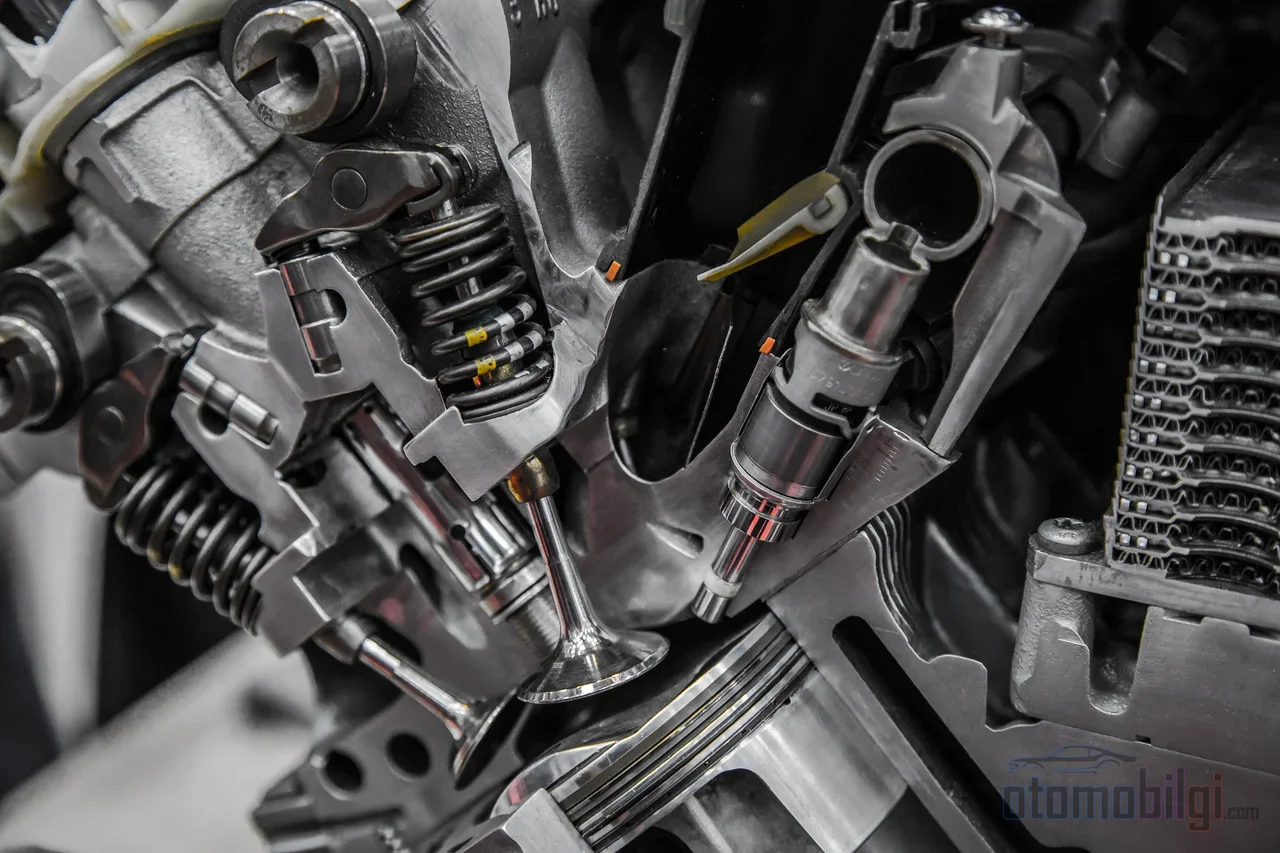
Both systems do the same job: creating a combustible air/fuel mixture. The difference lies in where and how this job is done. In port (multi-point) injection, the injector is located in the intake manifold and sprays fuel before it enters the cylinder. The fuel mixes with the air and passes over the intake valve on its way into the combustion chamber. During this passage, the detergent compounds in the fuel clean the back of the valve; the system has a self-washing structure.
In direct injection (DI/GDI), the injector is placed inside the cylinder head, and fuel is sprayed directly into the combustion chamber at pressures of tens of bar. This architecture brings efficiency: the timing and amount of injection can be controlled with millisecond and milligram precision, the fuel's evaporation cools the combustion chamber, and a more compressed mixture becomes possible. But this same architecture has a cost - the fuel no longer makes contact with the intake valve, and the valve loses its self-cleaning mechanism.
| Feature | Port injection | Direct injection |
|---|---|---|
| Where fuel is sprayed | Intake port/manifold | Combustion chamber (inside the cylinder) |
| Injection pressure | Relatively low | High pressure |
| Contact with the intake valve | Yes, cleans the valve | No |
| Carbon buildup risk | Low | High |
| Targeted benefit | Simplicity, valve cleanliness | Efficiency, emissions, power |
How Exactly Does Carbon Buildup Occur?
The intake valve carries air with every opening and combustion heat from inside the cylinder with every closing. In a "dry" running valve, that is, a surface not washed by fuel, two sources of dirt continuously accumulate. The first is engine oil leaking down from the valve stem seals; oil vapor and blow-by gases condense on the hot back of the valve. The second is the fine soot sent to the intake side via the EGR (exhaust gas recirculation) circuit. Oil acts as an adhesive here: it facilitates the soot and oil vapor sticking to the valve. This mixture bakes onto the heated metal and hardens layer by layer.
So it would be correct to think of carbon buildup not as a single culprit but as a combination. Direct injection creates the condition that triggers this combination: there is no fuel to wash the valves, so oil and soot accumulate freely. In modern engines with variable valve timing, the flow differences created by the timing can also affect the shape and location of the buildup.
Why Don't Fuel Additives Clean the Valves?
Fuel detergents placed in the tank target the injectors and combustion chamber; however, in a direct injection engine these detergents never physically reach the back of the intake valve. The area where the deposit forms is outside the fuel's route. This is why whether additives can prevent or cure valve carbon is one of the clearest points of technical consensus. Quality fuel is still worthwhile - it contributes to injector cleanliness and general deposit management; it is simply not a standalone solution to the valve problem.
What Are the Symptoms of Carbon Buildup in a Direct Injection Engine?
Since carbon narrows the airflow cross-section of the valves, symptoms appear subtly at first, then distinctly. The picture the driver may notice develops as follows:
- Rough, wavering idle
- Hesitation during acceleration and delayed throttle pedal response
- Noticeable drop in fuel efficiency, reduced range
- Loss of power and torque especially felt at highway speeds and on hills
- Repeated misfires, hard starting, black smoke from the exhaust
If two or three of these symptoms appear together, the suspicion of carbon buildup strengthens considerably. The mechanism is this: restricted airflow leads to rich/lean mixture fluctuation; the carbon layer also traps heat and creates hot spots in the combustion chamber, increasing the risk of knock. As the engine control unit tries to correct the mixture, efficiency drops, paving the way to warning lights and sensor errors.
How Are Performance and Consumption Gains Recovered?
The aim of direct injection was complete combustion, lower emissions, and more power. Manufacturers are known to have targeted a noticeable torque increase at low revs and fuel economy improvements at the level of tenths with this technology. Carbon buildup reverses these gains: restricted airflow reduces horsepower and torque, and a disrupted mixture balance increases fuel consumption. If neglected, the situation can extend to overheating, knocking, and critical component failures.
There is also a positive side to the story: a GDI engine that goes in for regular service with high-quality, detergent fuel can recover the efficiency losses caused by injector deposits. In other words, the problem is an engineering trade-off that can be managed with proper maintenance, not an inevitable failure.
Dual Injection: Solving the Problem at the Design Stage
Some manufacturers solve the problem not at the service center but in the engine design itself. In this "dual injection" architecture, which uses both port and direct injectors on a single engine, fuel can be delivered to the cylinder through two separate paths. Port injectors keep washing the intake valves with fuel; direct injectors provide precise, powerful spraying at high load and high revs. A manufacturer like Toyota is known to have combined the two systems to preserve valve cleanliness.
Implementation details vary from manufacturer to manufacturer. In some designs, port injectors come into play only for extra fuel at high revs and load; the engine spends most of its time on direct injection. Other systems operate with a single fuel circuit, a single high-pressure pump, and dual injectors per cylinder. The common goal is clear: an engine that is efficient at low revs, powerful at high revs, and keeps the valves clean at the same time.
What Can a Driver Do to Mitigate Carbon Buildup?
Walnut shell blasting: the gold standard
When buildup has formed, the most effective cleaning method is walnut shell blasting. Small ground walnut shell particles are sprayed onto the valve surfaces with air pressure; the shell strips away hard deposits that chemical sprays cannot reach, without damaging the metal surface. The procedure requires removing the intake manifold, but in terms of results it stands above its alternatives. In severely clogged cases, chemical intake system cleaning may fall short; removing the cylinder head for manual valve work, or in the worst-case scenario, an engine rebuild comes into play.
Daily habits
Delaying buildup is in the driver's hands. When oil of the viscosity and quality recommended by the manufacturer is used together with regular oil changes, it keeps the amount of oil leaking past the valve stem seals under control. Quality fuel that meets the Top Tier standard contains detergent agents that minimize deposits - while not sufficient on its own for the valve problem, it contributes to the overall deposit balance. Periodic valve cleaning on direct-injection engines should be treated as an implicit but real line item in the maintenance manual.
The claim that high-revving long drives clean away deposits should be evaluated as an isolated opinion with no accuracy beyond forum chatter. You can reward yourself for once having driven the car at high revs; but basing your maintenance plan on this is not defensible from an engineering standpoint.
Conclusion: Informed Ownership, a Predictable Engine
Direct injection was an irreversible gain in terms of efficiency and power; carbon buildup is the architectural price of that gain. Paying the price does not require dismantling the engine: quality fuel, disciplined oil changes, walnut blasting without delay when symptoms appear, and, if possible, choosing an engine with dual injection keep the problem at a manageable level. An engine whose valves are not washed by fuel is expected to compensate for that cleaning through periodic maintenance - the rest comes down to proper ownership habits.
Sources
- Carbon Deposits In Direct Injection Engines
- Carbon Deposits: What is Carbon Buildup and How To Prevent It
- How Gasoline Direct Injection Engines Create Stubborn Carbon Buildup
- Direct vs Port Fuel Injection Explained
- Direct Injection vs. Port Injection: How They Compare
- Explained: Why Some Engines Have Both Port and Direct Injection
- Why Direct Injection Engines Develop Carbon Deposits
- Walnut Blasting - Why & How To Clean Your Intake Valves
- What Is Walnut Blasting for Cars?
- Intake Valve Deposits in GDI Engines
- How Direct Injection Engines Work
- Port Injection vs Direct Injection
- How higher-quality gasoline keeps modern engines clean