To Warm Up the Engine or Just Drive?
Share This Page
No, a modern car does not need to idle for a long time; fuel-injected engines are lubricated within seconds of starting, and waiting 15-30 seconds to 1 minute, or even driving off gently without waiting at all, is sufficient. This habit, maintained for decades, was a necessity left over from carbureted vehicles; in today's engines, prolonged idling means both wasted fuel and unnecessary wear on engine components.
Highlights
- Modern engines are fully lubricated 20-30 seconds after starting.
- Idling longer than 30 seconds produces more fuel consumption and emissions than stopping and restarting the engine.
- Prolonged idling lowers spark plug temperature and accelerates spark plug fouling.
- The fastest way to warm up the engine is gentle driving in the first few minutes.
- The habit originates from carbureted systems, which were common until the 1980s.
The short answer to the question "Do you need to start the car and wait?"
The short answer is this: idle time should not exceed the time it takes for oil to reach the engine. In practice, that is around 30 seconds. Especially on a dry winter morning, when you open the door and wake the engine with the starter, the oil pump distributes oil to all moving parts within seconds; since a cold engine already runs at 1,200 rpm and above at idle, this circulation happens even faster. Waiting beyond that adds nothing for the engine.
I have been in this business for more than thirty years, and one observation has never changed: the most damage comes from the best-intentioned habits. The driver who waits fifteen minutes scraping ice off the windshield is harming their engine while believing they know better. It is that clear.
Where the myth comes from: the carburetor era
This habit once had a legitimate reason. In carbureted engines, which were common until the 1980s, a mechanical system prepared the air-fuel mixture, and this system did not work correctly when cold. Drivers had to warm the engine at idle in cold weather; otherwise the engine would stall. The cold air was enriched via a manually operated choke, and what you experienced getting into a cold engine was, in the words of the era, a kind of torture.
Modern fuel-injected engines work completely differently. The electronic system automatically balances the air-fuel mixture based on temperature readings; the choke mechanism the carburetor required and the long warm-up period have been entirely eliminated. The vehicle is ready to drive shortly after starting. So those who still wait for warm-up today are, in fact, serving a technology from thirty years ago.
Why prolonged idling is harmful: fuel, spark plugs, and emissions
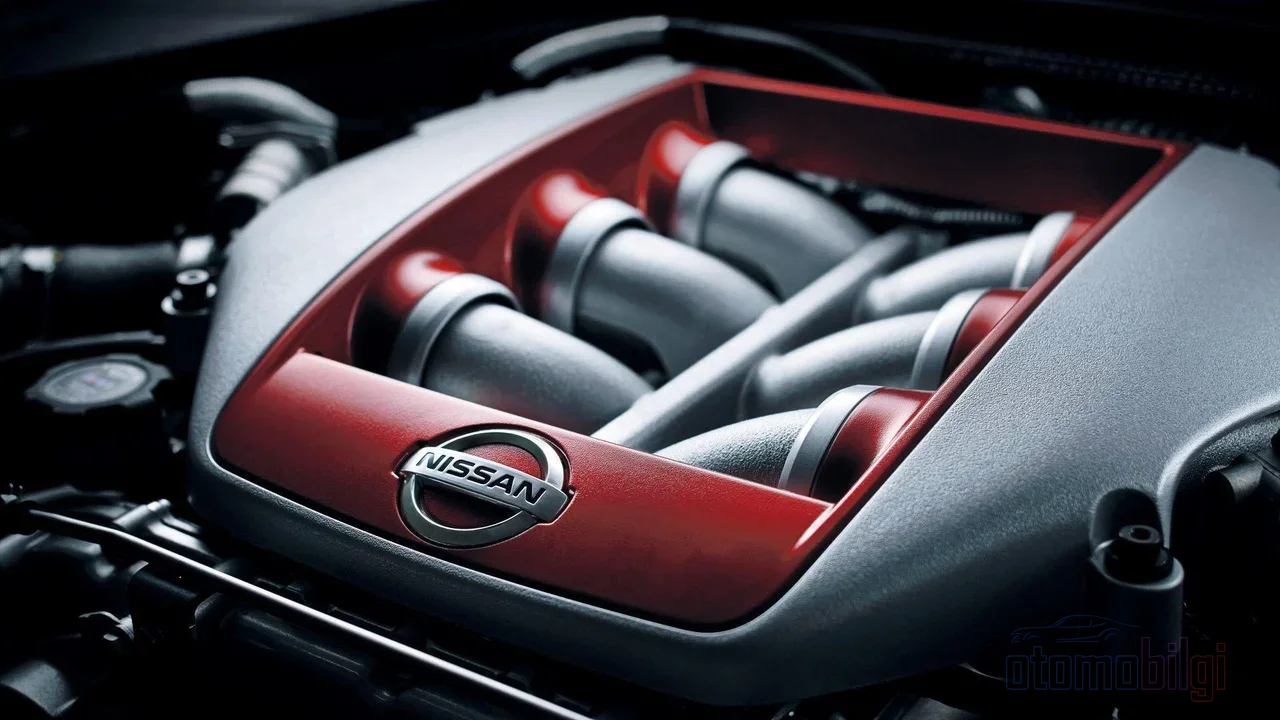
It is often assumed that letting an engine idle without touching it protects it; the truth is a bit more subtle. A cold engine runs on a rich fuel mixture, and the longer it idles, the lower the spark plug temperature falls. Losing heat accelerates carbon buildup; in other words, prolonged idling leads to spark plug fouling and, consequently, increased fuel consumption. Official environmental agencies that publish on this subject clearly state that excessive idling affects engine components from the cylinders all the way to the exhaust system.
The picture is even harsher on the wallet and the environment. Idling for more than thirty seconds consumes more fuel and produces more emissions than stopping and restarting the engine. Burning every gallon of gasoline releases more than twenty pounds of greenhouse gases. I know it is possible to idle for roughly 20 minutes on the excuse of waiting for the cabin to warm up; but the same cabin warms up within a few minutes of driving. The difference is not just fuel, but time.
Engine oil and the real risk of cold starts
A significant portion of engine wear occurs during cold starts. Oil thickens and flows slowly when cold; its arrival at critical areas is delayed. But modern synthetic oils have changed the game at this point: they flow quickly even at low temperatures, and adequate lubrication is provided a few seconds after the engine is started. If the oil pressure warning light has gone out, the engine has lubrication; if the light remains on, the engine must be shut off immediately. In other words, the dashboard is already telling you how long you need to wait.
There are also those who fear turbocharged engines. A turbo heats up quickly with hot exhaust gases; if the engine is running properly, oil reaches the bearing components immediately. The fact that today's engines can achieve lifespans of 200,000 miles and beyond with regular maintenance and proper lubrication behavior shows that these concerns are largely unfounded.
The right cold start: how long to wait, how to pull away
The practical rule is as follows:
- Start the engine and 30 seconds wait about that long; in extreme cold this can extend to 30-60 seconds.
- During this time, fasten your seatbelt, clean the windows, and plan your route.
- Pull away but do not floor it; accelerate and brake gently for the first few minutes.
- Avoid high speeds and sudden acceleration until the temperature gauge leaves the cold position.
It is worth including such a quote here, because it sums up the situation:
In most cases, idling for more than 30 seconds is unnecessary; the best way to warm up an engine is gentle driving at startup.
It helps to keep the scope of gentle driving broad: avoiding sudden acceleration and braking is a sensible approach until everything, including the transmission and suspension, has warmed up. Warming up the engine alone is not enough; the rest of the vehicle also needs to reach temperature.
Defrosting the windshield and cabin comfort
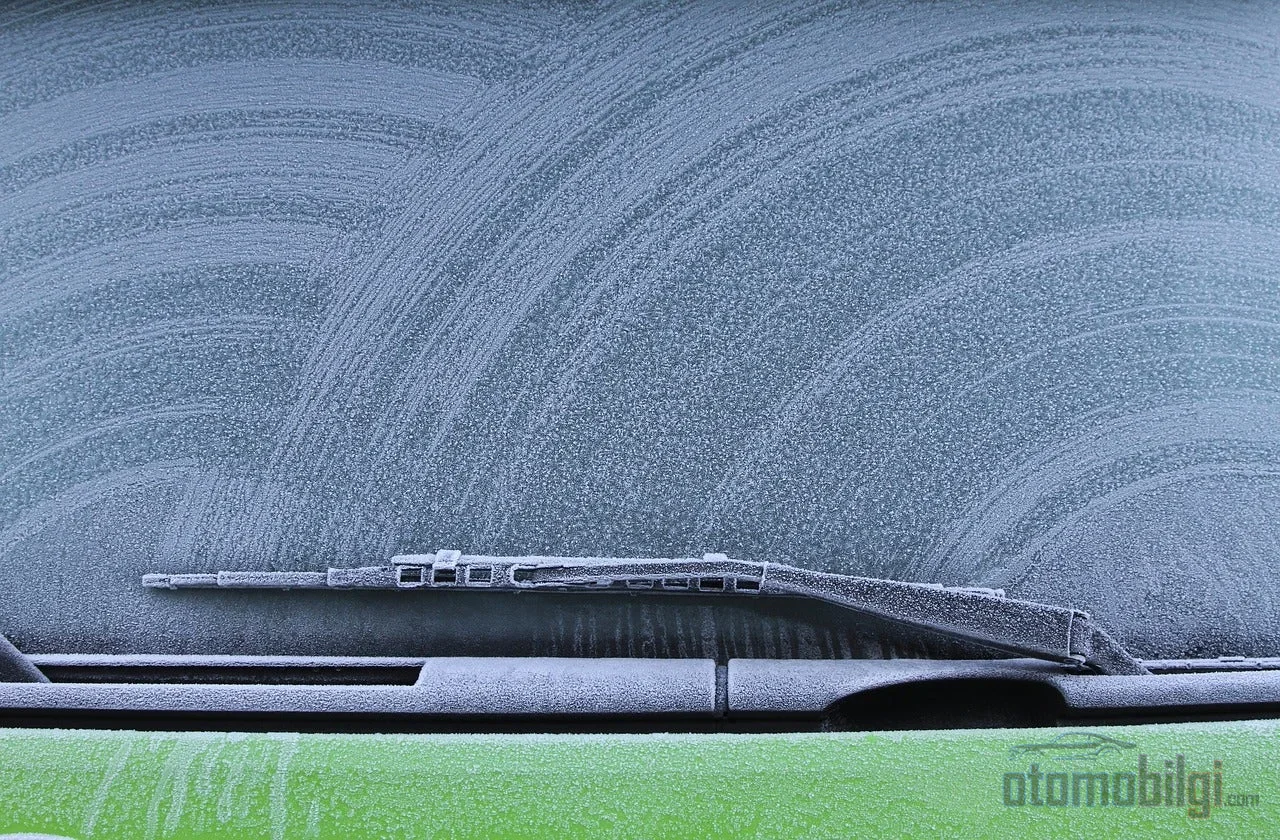
Defrosting the windshield is a reason everyone can accept for idling; but it need not take more than a few minutes. There are also other ways to handle cabin comfort: the cabin can be pre-heated a few minutes before the vehicle is started, and seat heaters take care of comfort on cold days. This is the most frequently asked question by those who use remote start; there is no observed case of short-duration running causing permanent damage to the engine for the sake of cabin comfort, but it should not be assumed to be a necessity for engine health.
Exceptions: diesels, extreme cold, and opposing views
Just as every rule has its limits, this one has exceptions too. Diesel engines are a special case: diesel fuel produces less heat than gasoline, so diesels warm up very slowly at idle; some models are equipped with a system that raises idle speed when parked. In extreme northern conditions, drivers install engine heaters, insulate the engine bay, or may not even shut the engine off. It is also a valid observation that at temperatures far below freezing, 30 seconds to 1 minute of idling can help fluids such as transmission oil reach optimal viscosity.
The arguments of the opposing side should also be mentioned. There are those who argue that claims of measurable engine damage from long idling may be exaggerated; whether the engine is warmed by idling or by driving, in both cases the combination of rich mixture, delayed ignition, and high revving increases consumption. According to this view, the only things harmed by warming up are the wallet and the environment. There are also views that transmission fluid also warms up at idle, so extended idling could be beneficial in terms of transmission efficiency. I should add that all of these are based on forum discussions; no concrete evidence of permanent engine damage has been presented, but there is also no technical rationale defending idling. The measured approach is to keep it short rather than justify long idling.
A separate note for a parked vehicle that will not be used for weeks: vehicles that will sit idling for long periods or wait in an odd state are recommended to be started and run at least once a week for 10-15 minutes in winter. This is not usage, but a storage practice; it should not be confused with daily driving.
Conclusion: start it, wait thirty seconds, pull away gently
It is interesting to see the old habit being passed down from generation to generation within families; on one side are those who get in the car and take the wheel, on the other are those who let it idle for up to fifteen minutes. For a modern fuel-injected vehicle the balance is clear: start it, wait about half a minute, then set off at a gentle pace. Stay calm until the temperature gauge settles; defrost the windshield ice in a few minutes, and handle cabin comfort with driving and seat heaters. Both your engine and your wallet will remember this decision fondly in the long run.
Sources
- Should You Warm Up Your Car Before Driving?
- Do You Need to Warm Up Your Car Before Driving? | Via
- How Long To Warm Up The Engine Before Driving
- Some Common Myths: Be Idle Free
- Idling - Myths, Facts and Information
- Impacts of Idling
- Cold Weather Demands | Synthetic Oils Protect Engines
- Should You Warm Up Your Car Before Driving?
- Debunking the Myth | Should You Let Your Car Warm Up Before Driving?
- Does Warming Up Your Vehicle Do More Harm Than Good?
- Does warming up your vehicle damage its engine? - General Discussion
- Should you warm your car up in the winter before driving?