From Brake Fluid to Coolant: What Should Be Replaced in Your Car, and When?
Share This Page
The fluids in a car are not managed on a single schedule: engine oil is typically renewed every 8,000-16,000 km, brake fluid every 24 months, coolant every 2-5 years, and transmission oil at intervals that vary from vehicle to vehicle. The primary reference for determining when each fluid should be changed is always the vehicle's owner's manual; the intervals here are the typical recommendations of most manufacturers.
Highlights
- Engine oil: most manufacturers recommend changing it every 8,000-16,000 km
- Brake fluid: the time-based 24-month rule applies
- Coolant: typical interval is 30,000-50,000 km or 3-5 years
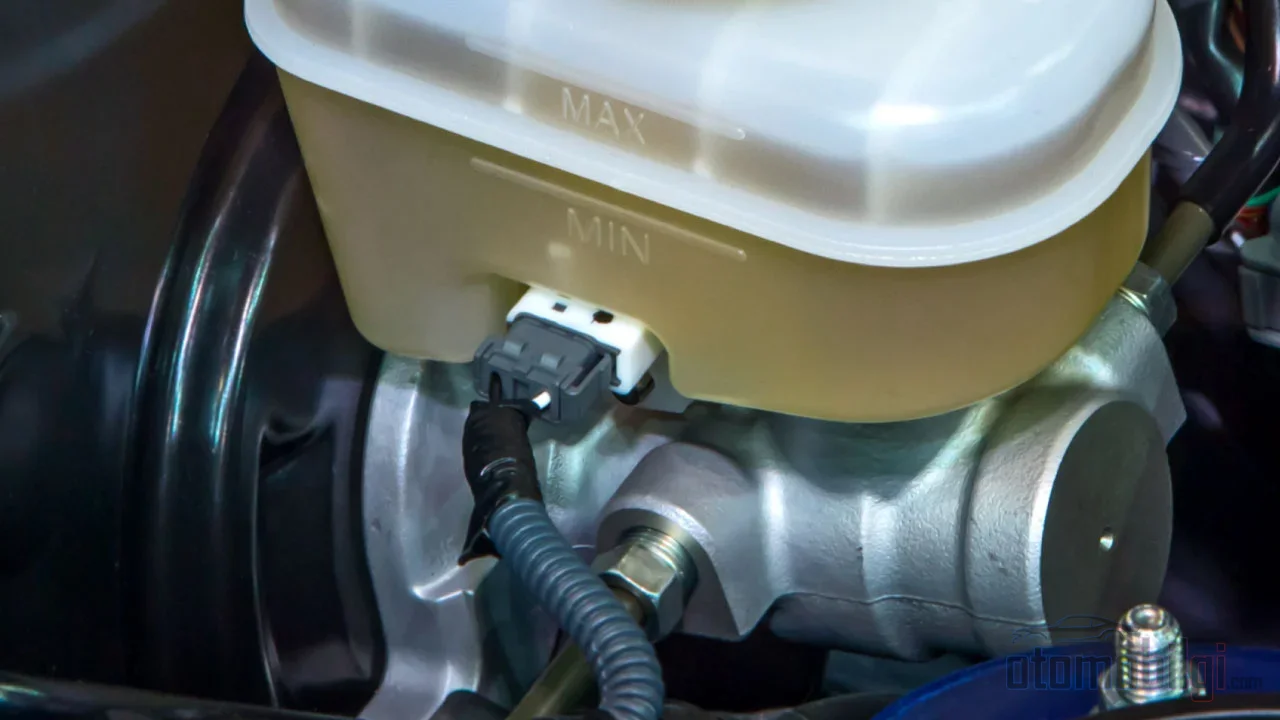
- Fresh brake fluid is clear, slightly yellowish; if it is dark brown, it is time for a change
- Fully electric vehicles have no engine oil, spark plugs or timing belt; hybrids still do
I have been in this business for more than thirty years, and I will admit: the question customers ask most often is not "when does the oil need changing" but "why bother unless something goes wrong." Fluids are the slowest and quietest wearing parts of a vehicle. A blown bulb is immediately noticeable; a delayed brake fluid change only reveals itself on a downhill slope with a loaded trailer in tow. And that difference comes at a steep price. On this page, I will go through each fluid one by one: its lifespan, how to check it, and what happens when it is neglected.
Engine Oil: The Old Rule Has Changed, but the Requirement to Change It Has Not
In the past, we all had it memorized: "oil every 5,000 kilometers"; it stared at all of us from the same spot, like a sign above the counter. Now the picture is different. Thanks to advances in engine technology and improved oil filter efficiency, most manufacturers now recommend an oil change every 8,000-16,000 km; under favorable operating conditions, this interval can stretch even further. But this reassurance is not an invitation to procrastinate.
When oil degrades, it does not suddenly "run out"; it loses its effectiveness first. Over time it darkens, its volume decreases, and it forms that thick, paint-like layer in the engine known as sludge. A chain of inadequate lubrication and overheating follows. We are talking about the extreme case: an engine replacement costs thousands of dollars, sometimes even tens of thousands. Moreover, extended oil change intervals can cause engine wear and may void the engine warranty - meaning you pay out of your own pocket on top of everything else.
Brake Fluid: It Is Not About Kilometers, It Is About Time
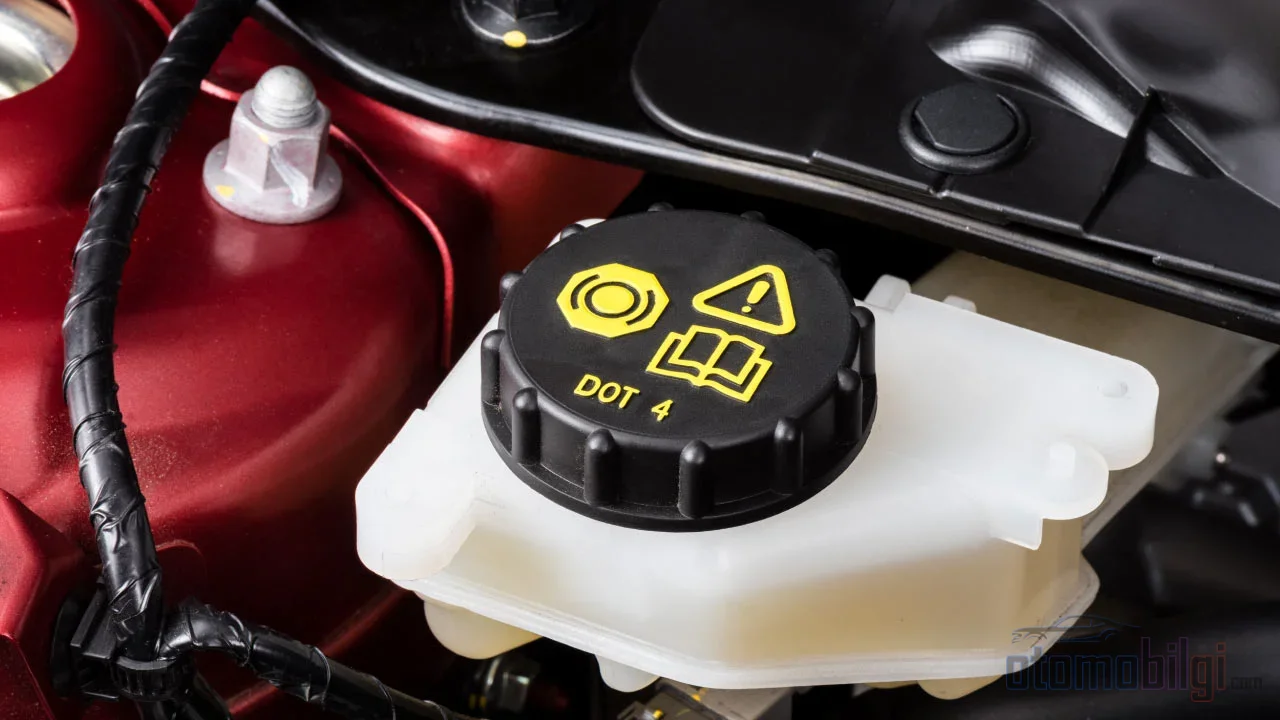
Brake fluid is the most insidious item on this list, because its interval depends not on mileage but on time. As the braking system heats up and cools down, it draws in moisture; condensation contaminates the fluid over time and lowers its wet boiling point. That is why most manufacturers recommend changing it every 24 months. There is also a small but frequently overlooked detail: manual transmissions with hydraulic clutches use the same fluid, and the same 24-month rule applies to them as well.
How Is It Checked?
The reservoir is under the hood, on top of the master cylinder; the "max/min" or "full" lines are read on its side. Fresh brake fluid is a clear, slightly yellowish color. If the fluid has turned dark brown, almost black, resembling engine oil, it's time for a change. If the level is low, it is topped up to the "full" line and the cap is closed - that's all. But you should ask why the level dropped; brake fluid usually doesn't decrease by evaporating, there is a leak somewhere asking for attention.
Coolant: Why Isn't Every Vehicle's Interval the Same?
The typical recommendation for coolant is 30,000-50,000 km or 3-5 years, whichever comes first. Some sources give a more cautious time frame of 24-36 months. The explanation for this difference is a technical detail: coolant chemistry varies by manufacturer and type, and modern long-life types can go up to 5 years. Once again, the owner's manual tells you the correct interval; your vehicle doesn't have to share the same schedule as your neighbor's.
Signs of Change Time and Leaks
- Color discoloration, sweet or burnt smell
- Hissing or gurgling sounds from the engine bay
- Cooling system not working properly, overheating
- Needing to add coolant every time you check the vehicle
A leak usually announces itself: moist or discolored stains around the hoses, water pump, radiator, and heater core. Green, orange, or pink stains indicate a coolant leak and the slightly sweet smell of antifreeze confirms it. A note: before adding coolant to the radiator, the engine must be allowed to cool down; if the cap is opened hot, pressurized fluid may spray out. This is a rule veteran technicians teach on day one and few people listen to on day one.
Transmission, Steering, and Differential: The Numbers Vary From Vehicle to Vehicle
Transmission fluid has the most debated interval on the fluid list, and there is a good reason for it. While some manufacturers recommend up to 160,000 km, or even 240,000 km under suitable conditions; noticeably more frequent intervals are also suggested, such as 48,000-96,000 km for manual transmissions and 96,000-160,000 km for automatic transmissions. The explanation for this wide range is the technology generation gap: new-generation automatic transmissions and older designs don't fit the same schedule. The ultimate reference is the manual; the number there was written for your specific transmission.
Steering fluid falls into a different category: most manufacturers don't put it on the periodic replacement list. It is renewed when the fluid becomes contaminated, when repair work is done on the steering system, or when a technician believes a change will solve the problem. Checking it is simple: the reservoir is located, the level should be above the "MIN" mark, and it should never be overfilled. Low transmission fluid causes harsh gear shifts; ignoring such symptoms increases the repair bill. For differential oil, most manufacturers recommend an interval of 160,000-240,000 km - unless you have a low-usage vehicle, it's usually an item left untouched for years.
For reference, I've gathered the typical intervals in a single table:
| Fluid | Typical replacement interval |
|---|---|
| Engine oil | 8,000–16,000 km |
| Brake fluid | Every 24 months |
| Coolant | 30,000–50,000 km or 3–5 years |
| Manual transmission oil | 48,000–96,000 km |
| Automatic transmission oil | 96,000–160,000 km |
| Differential oil | 160,000–240,000 km |
| Power steering fluid | Outside the periodic list; when contaminated or after repairs |
Windshield Washer Fluid: Simple But Not Rule-Free
Washer fluid may seem like the only "harmless" item on this list, but it still has two rules. The first is practical: it is topped up when the reservoir drops below half; its cap is marked with a spray icon and there is nothing that could be confused with the wrong cap. The second is seasonal: in very cold weather, washer fluid resistant to low temperatures should be used and the reservoir should not be filled to the top - frozen fluid not only expands the reservoir but also renders the spray circuit useless. If you are driving behind a truck splashing dishwater onto your windshield on a winter night, you will understand the weight of this sentence.
Which Fluids Remain in Electric and Hybrid Vehicles?
The distinction here is clear. Fully electric vehicles have no internal combustion engine, so concepts like engine oil and filter changes, spark plugs and timing belts simply do not exist; with fewer moving parts, maintenance needs are also lower. Repairs are a different matter: battery repairs in particular can be expensive. Hybrid vehicles sit at the middle point - since their gasoline engines still work, hybrids require engine oil changes; most manufacturers recommend a change approximately every 16,000 km, though it varies by brand. Plug-in and non-plug-in hybrids follow the same framework as conventional vehicles in terms of general maintenance. In other words, the fluid list shortens for someone switching to an electric vehicle but is not reset: brake fluid, cooling needs and washer fluid remain in place.
How to Set Up a Workable Inspection Routine?
To close the gap between the theoretical schedule and a practical routine, let me summarize the routine I have applied and taught for years. Each fluid must be changed at separate intervals according to the manufacturer's recommendation; replacing them all at once at a single service visit may look practical, but it is not the correct schedule.
- Once a month, open the hood before starting the engine: take a look at the oil, brake fluid and coolant reservoir levels; it takes no more than five minutes.
- At every oil change, check the color of the brake fluid; if it has darkened, make a note, and if 24 months have passed, replace it.
- Write the intervals from the manual into the vehicle's service book or your phone; your memory is not as good as it is after 100,000 km.
- Do not ignore any warning light or drop in fluid levels; these two items always rank at the top of common maintenance mistake lists.
- At seasonal transitions (especially entering winter), check the washer fluid type and the condition of the coolant.
Definitive figures circulating on forums - things like "never exceed this mileage" - are anecdotal and no substitute for manufacturer recommendations. In this schedule, which varies depending on the vehicle used, its climate, and its load, the most honest advisor is the manual from the company that makes the vehicle. Fluids are not what cost money; they cost money when they are neglected. And the one that always pays the difference is the car itself.
Sources
- How Often Should I Change My Car's Fluids?
- Maintenance and Safety of Electric Vehicles - AFDC, U.S. Department of Energy
- How To Check Brake Fluid
- 4 Easy Steps On How to Check Your Brake Fluid
- How Often Should Your Coolant Be Changed?
- 5 Signs It's Time to Change Your Coolant
- Signs of a Damaged Cooling System
- What Causes Coolant to Leak?
- How to Change Transmission Fluid Yourself
- Power Steering Fluid: How to Check It and When to Change It
- Changing Your Windshield Washer Fluid
- How To Maintain Your Car's Fluids
- What Happens If You Never Change Your Oil?
- What Happens If You Don't Change Your Oil?
- The Costly Consequences of Skipping An Oil Change
- What Happens When You Skip Oil Changes?
- What Happens If You Never Change Your Coolant?
- 17 Common Car Maintenance Mistakes to Avoid
- What Really Happens When You Skip Regular Vehicle Maintenance
- Comparing Maintenance Requirements for EVs, PHEVs, and Hybrids
- Understanding Ford Hybrid and EV Maintenance
- Electric vs Hybrid vs Gas Maintenance
- What Kind of Maintenance Does an Electric Vehicle Need?