Dashboard Warning Lights: Which Alert Is Urgent, and Which Can Wait?
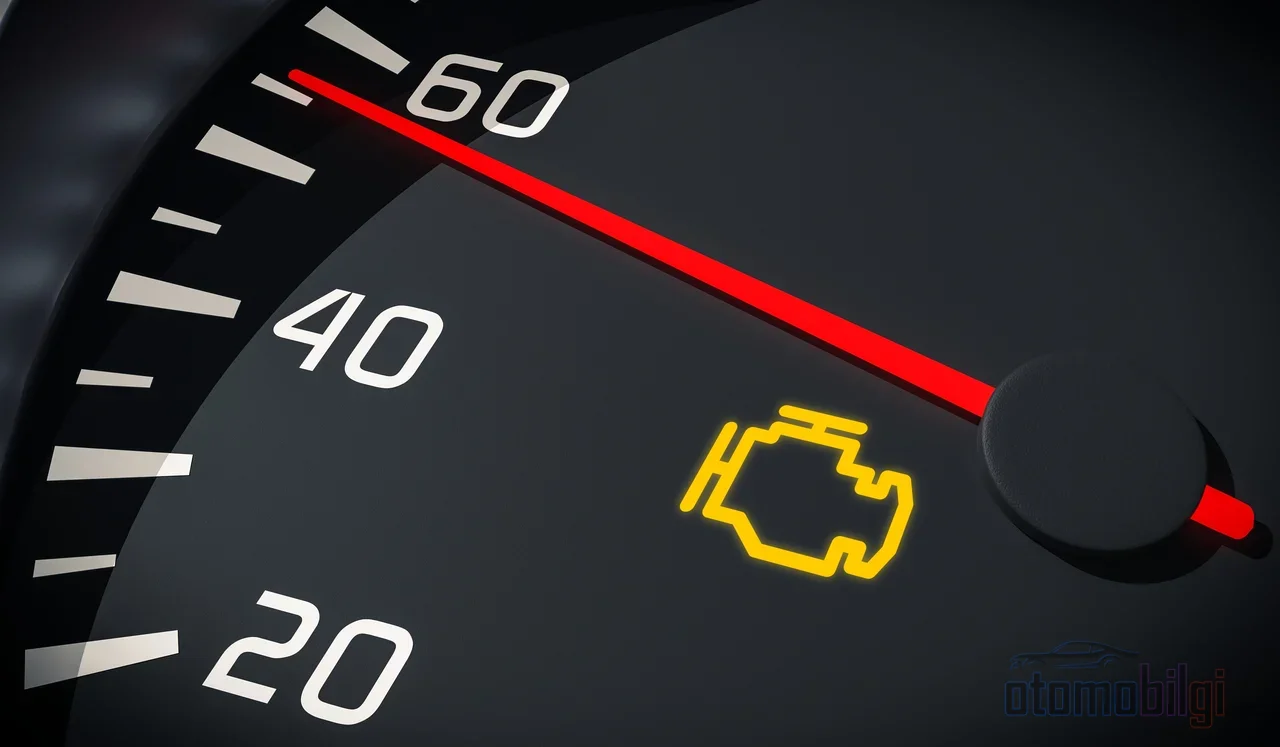
Share This Page
The warning lights on the dashboard work with a simple color logic: a red light means immediate action, a yellow light means getting it checked soon, and a green light indicates the system is working normally. A lit red light means the vehicle must be pulled over to a safe place and stopped; a yellow light can usually be resolved with a short-term visit to the service shop. A flashing light, regardless of its color, signals a more urgent problem.
Highlights
- Red light: stop immediately; yellow: check in the short term; green: system is working.
- If the oil pressure and coolant temperature lights are on, the engine must be stopped immediately.
- With the coolant light on, the hood must not be opened before waiting at least 30 minutes for it to cool down.
- All new vehicles sold since 1996 have an OBD diagnostic system.
- A flashing check engine light carries the risk of permanent engine damage.
I have been in this business for more than thirty years; I have closely followed the evolution of dashboards. In the old days there were a handful of icons on the panel, and most drivers knew by heart which page of the manual to open. Now dozens of symbols flash in a modern car, and most drivers never open that manual. Vehicles have become so reliable that it is possible to ignore a warning light for a while and have a good driving experience. Until you can't. These lines come from an executive at a vehicle research center of an organization dealing with safety research; the gist is this: no matter how good the vehicle is, you must know what to do when a warning light comes on.
Even one of the first warning lights in history conveyed this message. The manual of the 1933 Hudson Super Six called the generator warning light the "red jewel"; if the light did not go out at speeds above idle, the battery was not charging. Since then, the principle has not changed much: the panel is telling you something, and your job is to read it correctly.
What does the color code of warning lights mean?
The system is built on the same logic we learned from traffic lights. A red light indicates that something has failed, is overheating, is losing pressure, or that a safety system has been disabled; you need to pull over to a safe place. A yellow or orange light is not a moment of panic, but it signals that something needs to be checked; usually a "get to your local mechanic in time" situation. A green light does not report any problem, it only says that a system (headlights, turn signals, cruise control) is working.
Some manufacturers also add white and blue to this spectrum; blue is for high beams, white for information lights. Pay attention to two details. First, the interpretation may vary by model; it does not replace checking your manual. Second, color is not the only criterion: a flashing light is more urgent than the same light steadily lit and may require immediately stopping the drive. It is best to evaluate the color and flashing state together.
| Color | Meaning | What to do |
|---|---|---|
| Red | Urgent failure, pressure loss, safety issue | Pull over to a safe place, stop |
| Yellow / orange | Inspection or repair will be needed soon | Go to a service center in the short term |
| Green | System is working normally | Nothing needs to be done |
| Flashing | A more urgent problem regardless of color | Stop driving immediately |
Which warning light means I should stop the car immediately?
The answer to this question comes down to five lights. What they all have in common is that continuing to drive will cause permanent damage to the vehicle or directly endanger safety.
Oil pressure warning light
This is where the lubrication can's heart beats. This light indicates that the engine's oil pressure has dropped, or has even been lost entirely. The cause may be that there is almost no oil left in the engine; a clogged oil filter or an oil leak can also produce the same result. When this light comes on, the debate is over: pull the vehicle over to a safe place immediately and check the oil level. An engine running without oil turns into scrap within minutes that takes months to repair.
Coolant temperature warning light
It comes on when the engine temperature exceeds normal limits, and driving is not safe while the light is on. Stop in a safe place and shut off the engine. Patience is essential here: do not open the hood until the engine has cooled down for at least 30 minutes; hot coolant under pressure can cause serious burns. Once the engine has cooled, check the coolant level, whether the fan is working, the radiator cap, and whether there are any leaks. As a side note: a blue temperature light indicates the opposite; it shows that the coolant is too cold to operate and requires no urgency.
Brake system warning light
First make the obvious check: is the parking brake engaged? If not and the light is on, things get serious. A continuously lit red brake light can mean a loss of hydraulic pressure on one side of the brake system or dangerously low brake fluid in the master cylinder (in other words, a leak). If the brake and ABS lights come on together, it may be a sign of a major brake failure. This light is in no way in the postponeable category: stop immediately and call for assistance if necessary. The light coming on during turns or flashing intermittently can also point to a different problem; it should not be confused with a pad wear warning.
Battery / charging system warning light
Most drivers assume "the battery is dead" when they see this light; in reality, the cause is usually different. A battery light that comes on while driving indicates not that the battery is drained, but that the alternator is not charging the battery. Possible causes include an alternator that is not charging, battery cable problems, a loose alternator belt, and a faulty voltage regulator. As long as your vehicle is running, the electricity comes from the alternator, not the battery; if the alternator falls silent, the vehicle can only go a short distance on the remaining battery charge. While the light is on, it makes sense to try to reach your destination by reducing the load on electrical components (air conditioning, heating, unnecessary lights), but when the battery light comes on, the most sensible thing is to have the electrical system tested immediately. To give an example: a driver posted on help forums about a battery light that came on after exiting the highway; this exact scenario is the classic case showing that the culprit is the charging system, not the battery.
Airbag warning light
This light does not require you to stop driving, but it does require you not to ignore it. If the light stays on, the airbags may not deploy in the event of a crash. It is not a situation that requires pulling over immediately, but one that should be checked as soon as possible.
Which lights can I ignore and drive to the service center?
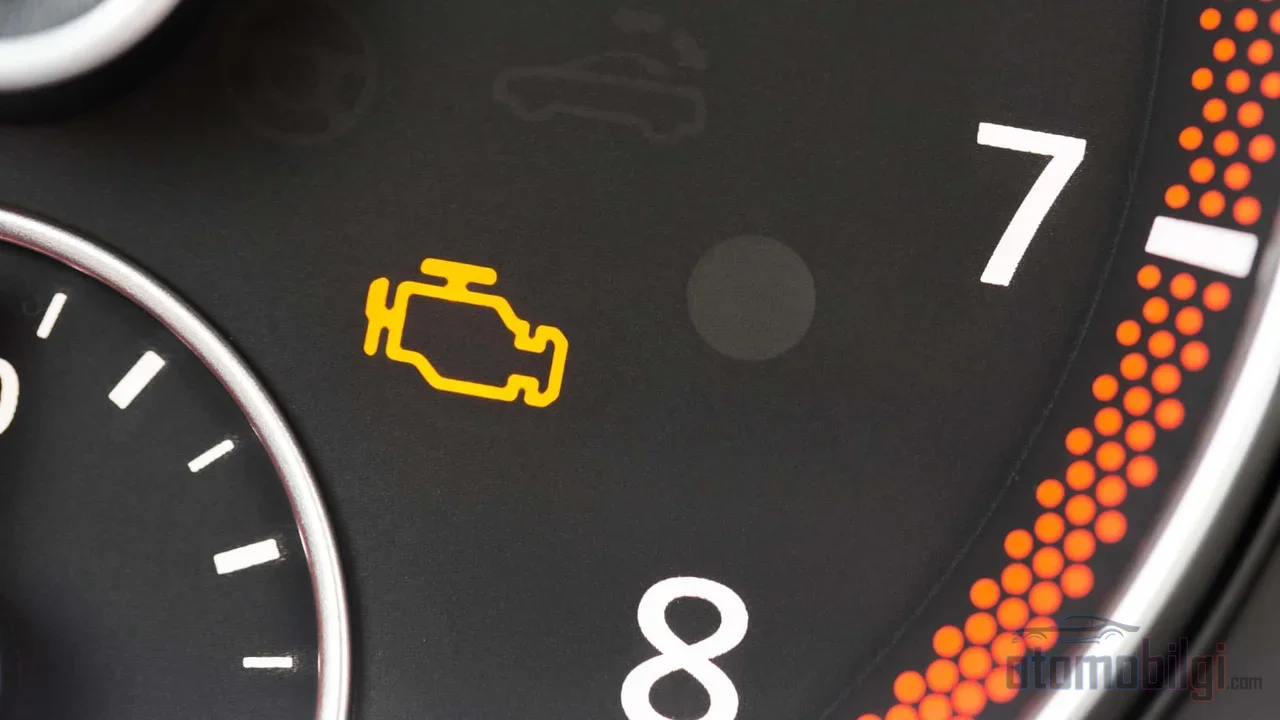
Lights in the yellow category do not require panic; however, "deferrable" does not mean "deferrable indefinitely." In the short term, they can be resolved with a scheduled service visit.
Check engine: is it steady or flashing?
When the engine fault indicator is steadily lit, there is no cause for panic. The cause can be as simple as a loose cable, a loose fuel cap, or a worn solenoid; sometimes even tightening the fuel cap properly solves the problem. If the vehicle is running normally, making a service appointment within a few days is sufficient. But if the vehicle is running unevenly, making strange noises, or the light is flashing, the situation changes: a flashing check engine light usually indicates a serious problem such as a misfire that could cause permanent damage. In this case, pull over to a safe place immediately and call a tow truck; continuing to drive may result in permanent engine damage.
Tire pressure light (TPMS)
That symbol showing a tire with a cross-section and an exclamation mark inside is the warning of the Tire Pressure Monitoring System. If the light stays on constantly, at least one tire is significantly underinflated (rarely overinflated); stop and inflate it to the correct pressure. If the light does not go off within a few minutes, there may be a fast leak in the tire. If the light is flashing, it is a different situation: it blames not the tire, but the monitoring sensor. This distinction is important; if the sensor is faulty while the tires are fine, the vehicle is still drivable, meaning that light may be pointing to the monitoring system itself, not to vehicle safety. And keep this in mind: the system also monitors the spare tire (if there is one), so sometimes the culprit is where you cannot see it.
Transmission and power steering fluid
A transmission temperature warning is usually caused by excessive heavy towing, low transmission fluid, or internal wear in the transmission. With a power steering warning, the picture varies depending on the system type: in hydraulic systems, a low fluid level may be a simple cause; in electric power steering systems, there is no fluid to top up. If the light does not go out after switching the ignition off and on again, have the problem fixed as soon as possible. If the steering becomes heavy midway through a journey, that shifts the category from yellow to red; in this business, the measure is the strength of your own arms.
How should the symptoms that appear alongside the light be interpreted?
Reading the warning light on its own only tells half the story; the real information lies in the symptoms that accompany the light. A steady check engine light together with the car pulling, misfiring, or unusual noises from the exhaust moves the problem from the postponable category to the urgent one. If the brake light comes on and you feel a change in pedal pressure, the possibility of hydraulic loss grows and you must stop immediately. If the battery light is on while the headlights dim and the radio shuts off, the charging system has genuinely given out.
Some lights, however, do not report any fault at all. The stability control light comes on when the system activates; that is, it shows it is doing its job. If it comes on even at moderate speed on mild, dry ground, then a system fault can be considered; a frequent culprit is the wheel speed sensor. The automatic start-stop light says the engine has been deliberately shut down. The freezing temperature warning is not a fault either; it reminds you that below about 3°C there may be ice on bridges and in shaded sections. The "disabled" lights of driver assistance systems such as AEB can also be temporary conditions caused by dirt or road conditions; if they persist even after cleaning the sensor, a genuine fault is at play.
Small lights, big stakes: take the information lights seriously too
For most drivers, the low fuel level light is a warning to shrug off; but if it is regularly ignored, it can damage the fuel pump. The pump is cooled by the fuel in the tank, and constantly running on empty shortens its life. The small arrow on the fuel filler cap shows which side of the car the door is on; it helps everyone who has pulled up on the wrong side at the gas station. The door ajar warning can also be red; at least one door has not closed properly. Lights like the washer fluid one are purely informational.
When you consider all these together, the picture becomes clear. Every light on your dashboard either confirms something (green), asks you to be prepared for something (yellow), or tells you to stop (red). The most expensive lesson I have learned in all my years in this trade is this: the language of the light is simple; what is expensive is refusing to hear it.
Final word: three questions at the moment of decision
When a light comes on, ask yourself three questions. Is the color red, or is the light flashing? Is there a strange noise, smell, pulling to one side, or a change in steering/pedal feel in the vehicle? Does the light relate to one of the vehicle's core functions (lubrication, cooling, braking, electrical)? If you get a "yes" to any of the three, pull over to a safe place and end the drive. If the answer to all of them is "no," take note, make an appointment, and drive there carefully. The dashboard is the only serious conversation your vehicle has with you; postponing that conversation is the most expensive postponement of all.
Sources
- Dashboard Warning Lights Explained
- Dashboard Warning and Indicator Lights
- Car Warning Light Symbols and Indicators
- Dashboard warning lights and what they mean
- What Does the Oil Pressure Light Mean?
- Engine Temperature Warning Light Meaning
- Tire Pressure Warning Light Came On | What to Do
- What To Do When Dashboard Battery Light Comes On
- What Does the Brake Warning Light Mean & How To Fix It
- The Dashboard Symbols You Can't Afford to Ignore