How Does Fuel Quality and Gas Station Selection Affect the Engine?
Share This Page
In Türkiye, fuel quality is shaped largely by the minimum standards set by the legal regulatory system rather than by where the fuel is purchased. Parameters such as octane number, sulfur content, and distillation range in gasoline and diesel are tied to national standards, and in 2023, 99.3% of samples taken from pumps stayed within these limits. The critical question for the engine is this: Is the difference between a branded and unbranded station the minimum quality shown by inspection reports, or is it the additive packages added to the fuel afterward before it reaches the pump? This article separates the impact of both layers on engine health with measurable data.
Key Highlights
- In the 2023 AKİS inspections, 1,305 of the samples, 99.3% were compliant with the standards.
- Türkiye has been applying EU standards since January 1, 2011; the sulfur limit in gasoline and diesel is 10 ppm.
- For diesel, 20 parameters are analyzed, and 28 for gasoline; the number of diesel analyses is above the EU average.
- Fuel quality is one of the officially defined causes of injection failures.
- LPG maintenance should ideally be done every 15,000 km or once a year.
How Is Fuel Quality Inspected in Türkiye?
The backbone of the system is the Fuel Quality Monitoring System, based on the Petroleum Market Law No. 5015. This structure, briefly called AKİS, has been operating since 2011 and takes samples through pumps each year from a number of stations determined according to market share. Sample selection is done using the "simple random sampling" method; in other words, the station to be inspected is not announced in advance, and the distribution among provinces is determined by that province's sales share. In a province like İstanbul, where 683 stations are registered, the 2015 target alone was 74 samples.
Samples are collected by Provincial Police Department and Gendarmerie teams with EPDK (EMRA) protocols, and analysis is carried out in accredited laboratories according to TS EN 228 (gasoline) and TS EN 590 (diesel) standards. Keep in mind two measures that have a clear meaning in institutional use: According to the system's 2015 target, a minimum of 200 samples are taken annually for fuel types whose annual supply exceeds 15 million tons, and a minimum of 100 for those below. Inspections are repeated at least twice a year, in summer and winter; this distinction is especially necessary for season-sensitive diesel parameters such as the cold filter plugging point.
What Do the Numbers Say?
The 2023 results were the system's best year yet: the compliance rate from 677 diesel and 628 gasoline samples came out at 99.3% . Diesel compliance was at 99.9% an all-time high; for gasoline, 27 criteria were examined, and for diesel, 20 . The isolated deviations are meaningful: the sulfur content of one diesel sample in Samsun, and the research/motor octane numbers of 8 gasoline samples from Bolu, Bursa, İstanbul, and Sakarya were outside the limits. All samples passed the national marker test - this is a direct indicator that the fuel came through the legal supply channel. The trend also shows the direction: the system, which began in 2011, was implemented in full for the tenth time in 2023, and deviation rates have decreased over the last three years.
Historical comparison confirms that this did not come about overnight. In 2015, the diesel compliance of 715 samples was 98.67%, and gasoline compliance was 100% ; that year's non-conformities were in the distillation parameter in Ankara, Karaman and Konya, water in Yalova, and the cold filter plugging point parameter in Mus. By 2019, only 4 out of 1,116 analyses showed limited non-conformity. That same year, Türkiye's fuel compliance rate was above France (96.1%), Germany (98.7%), Italy (98%) and England (98.9%). It should also be added: For diesel, 20 parameters are analyzed against the EU average of 7, and for gasoline, 28 parameters against 21. The sulfur limit has been the same as the EU since January 1, 2011: in both fuels, 10 ppm.
What Is the Real Difference Between Branded and Unbranded Stations?
Here, two different layers need to be distinguished. The first layer is the compliance of the fuel coming out of the pump with legal standards: AKIS data shows that this difference among licensed stations is very narrow in official measurements. The second layer is the detergent and cleaning additive packages that distribution companies add on top of the base fuel: Large brands use their own packages; the view that these additives are absent in small or unknown brands is common on user forums - however, there is no published test verifying this claim with an independent measurement. The two layers should not be lumped together; one is measurable, the other mostly remains at the level of claim.
In practice, the situation the user faces can be summarized as follows: The legal quality threshold is the same everywhere; the additive level may vary from brand to brand and is not transparent. There are both those in the forums who say "there is no difference between two stations" and those who have been buying fuel for years only from certain brands with high turnover and explain this with the range difference. On social media, there is content testing the fuels of different stations on an empty tank; but due to limitations such as a single vehicle, a single tank, and uncontrolled driving conditions, the methodological value of these tests is low. The honest answer from an engineering standpoint is this: The effect of the additive difference on long-term injector cleanliness is a reasonable hypothesis, but measurable independent data is hard to find.
| Comparison | Licensed branded station | Licensed small brand |
|---|---|---|
| Legal compliance audit | Within the scope of AKIS | Within the scope of AKIS |
| Sulfur limit (gasoline/diesel) | 10 ppm | 10 ppm |
| Sale price | EPDK-notified maximum price | EPDK-notified maximum price |
| Additive package | Uses its own package | Not transparent |
How Does Low-Quality Fuel Harm the Engine?
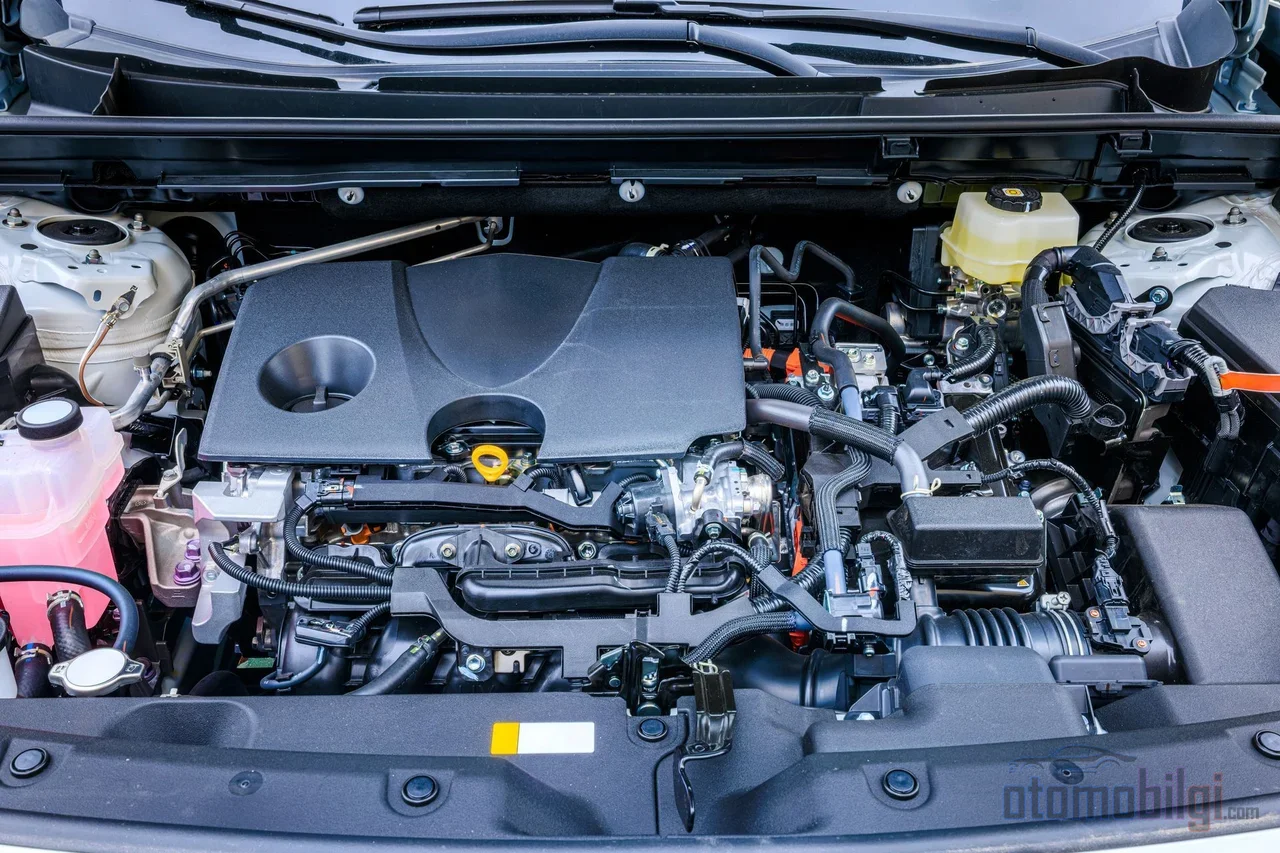
Modern injectors are far more precise and efficient than older generations; this precision increases productivity while also bringing sensitivity to fuel quality. The causes of injection system failures are clearly listed in official service sources: dirty fuel, low fuel quality, incorrect pressure, electrical problems, and physical damage. In other words, fuel quality is not a fuel station choice unrelated to the engine, but a direct operating parameter of the injection system.
A clogged or dirty injector disrupts the air-fuel balance and quickly makes itself known to the driver. The failure symptoms are as follows:
- Stalling and difficult starting
- Irregular idle speed
- Increased fuel consumption
- Changes in exhaust smoke
The cost side is a four-way calculation: cleaning, overhaul, or replacement? Injector cleaning fees vary by engine, number of injectors, removal accessibility, and labor; a single price cannot be quoted without vehicle information. An important technical note: most injector problems stem not from mechanical damage but from dirt and deposits, so the correct first step is usually cleaning rather than replacement. Trading a few cents per liter price advantage for the risk of injector maintenance on a four-cylinder engine usually yields negative returns in the long run.
Do Additive Fuels Really Work?
An honest conflict-of-interest warning is necessary under this heading: most of the claims that "additive fuel extends engine life, optimizes efficiency, reduces emissions" come from the companies' own content, who sell the additives or fuel themselves. The voice from the side that does not sell the product is more cautious; services say they frequently encounter the question "does engine-internal cleaning additives really work, does it harm the engine?", and that a definitive scientific verdict has not yet settled. The suggestion that buying fuel from known brands on long journeys reduces long-term damage risk to injectors, spark plugs, and filters also appears in shared content, but these are experience transfers, not measured results.
The pragmatic approach is to ask these three questions: Is the additive's effect measurable, who is its manufacturer and what is their interest, does your vehicle require this additive? The benefit scenario of detergent fuel in a high-mileage engine with carbon buildup differs from that in a low-mileage new vehicle. In an area where evidence is weak, the healthiest position is to prioritize a predictable maintenance schedule without falling for the allure of the claims but without completely ignoring them either.
Engine Health by Fuel Type: Gasoline, Diesel, and LPG
The effect of fuel choice on the engine varies by type. Diesel engines have higher thermal efficiency than gasoline and offer more range per liter; on the other hand, since the injection system operates at high pressure, its response to fuel quality also differs. On the gasoline side, the determining parameter is the octane number - it is no coincidence that the area found non-compliant in the 2023 inspection was the research/motor octane number; it is a consequence of knock resistance being one of the most critical gasoline properties for the engine.
LPG, on the other hand, is a separate engineering balance. Gas burns cleaner than gasoline and carbon buildup in the engine is lower; however, the system itself requires regular maintenance. Checking the regulator for gas and water leaks and replacing the LPG filters should ideally be done every 15,000 km or once a year. Engine oil selection is also decisive in LPG vehicles in terms of quiet operation and long life; since gas raises the cylinder temperature compared to gasoline operation, the oil must be chosen to suit this regime. The clearest warning on the risk side is this: the risk of engine damage is low with correct installation and regular maintenance, but low-quality LPG kits are a real risk source. When buying a second-hand LPG vehicle, the valve structure, engine condition, LPG system, and installation quality must definitely be checked.
Station Selection and Tank Management on Long Routes
There is an infrastructure reality that determines station selection in Türkiye: by regulation, on highways there is a minimum distance requirement of 10 km between two stations on the same direction, and on urban roads a minimum of 2 km distance. In other words, skipping a station on a long road is not free; if you pass a station, the next reliable option may be tens of kilometers away. The conditions for opening a new station - a minimum of 1,600 m² of land and 50 meters of distance from the road - set the minimum of infrastructure quality, but do not determine where the fuel at that station circulates from.
Applicable habits can be reduced to these three items:
- Record the stations along your route before setting off and combine them with your break points; do not make extra stops for refueling.
- On long roads, buy from high-turnover, well-known brands; the logic of reducing the long-term damage risk to injectors and spark plugs is also strongly reflected in user experiences.
- Do not constantly run the tank in its last quarter; a tank running to the bottom increases the risk of drawing the sediment at the base into the system.
Also factor in the price dimension: The price of a liter of gasoline was 1.66 US dollars in September 2026, with the annual average around 1.44 US dollars. On this scale, small differences per liter form a visible line item in the annual fuel budget - but when compared with a maintenance item such as injector cleaning, the "savings" from cheap fuel can easily reverse. On the regulatory side of the market, variability continues: The Eşel Mobil stability system was abolished on October 1, 2026, and new SCT rates came into effect; the role of tax buffer mechanisms in price formation must be read together with the crisis conditions of the period.
Conclusion: Who Guarantees the Quality?
The answer comes together in two layers. The legal quality layer is handled by AKİS in Türkiye, and the compliance rate it measures is comparable to Europe's leading markets. The additive layer, on the other hand, is determined by the distributor brands' own decisions, and this layer is not measured but based largely on reputation. The practical formula for the consumer is this: Every licensed station provides the minimum quality; in choosing a station, make your brand preference based on additive transparency and circulation logic, never neglect the maintenance calendar appropriate to your engine type (injectors for diesel, regulator and filter for LPG), and factor in the potential cost to the injection system of a difference of a few cents per liter. The engine is the final line through which the fuel passes; as much as the quality of the line, the habits that feed that line also determine its lifespan.
Sources
- EPDK - Türkiye Gets Full Marks for Fuel Quality
- Procedures and Principles Regarding the Fuel Quality Monitoring System in the Petroleum Market - Official Gazette
- Studies on Fuel Quality Monitoring in Our Country - Comparison with the EU
- Strict supervision in fuel brought 'full quality' - Anadolu Agency
- Competition Authority - Fuel Sector Review Report
- DieselNet - Türkiye: On-Road Vehicles and Engines Emission Standards
- Bosch Car Service - Injector Failure Symptoms
- Shell Türkiye - Injection Systems and Engine Failure
- Rislone - The 5 Most Important Causes of Fuel Injector Wear
- AYCAR - Diesel Injector Cleaning Price and Failure Symptoms
- Otok Çık 2 El - What Are the Symptoms of Injector Failure?
- Aygaz - Engine Oil Selection in LPG Vehicles
- Allianz - Important Information About LPG Vehicles
- Arabam.com - Periodic Maintenance of LPG Vehicles
- PwC - The Place of the Fuel Distribution Sector in the Turkish Economy
- LBF Partners - Kilometer Restriction Between Fuel and LPG Stations
- What Those Who Want to Open a Fuel Station Should Know
- Trading Economics - Türkiye Gasoline Prices
- Guide to Finding the Nearest Fuel Station Before Your Trip