Winter-Ready Car: Checklist Before the First Start in Cold Weather
Share This Page
A winter-ready car is defined by a series of checks performed on the battery, tires, antifreeze, washer fluid, and door seals before the cold weather arrives. Sub-zero temperatures expose a vehicle's weakest links; an hour of careful inspection at the start of the season greatly reduces the hours of hassle and the risk of breakdown on a frozen morning. In this article, we cover each check one by one in a practical, actionable way.
Highlights
- At 0°C, a battery loses roughly 35% of its power, and at -18°C it loses 60% .
- For every 5.5°C drop in temperature, tire pressure loses about 1 PSI .
- A practical threshold for switching to winter tires: temperatures dropping below 7°C .
- Antifreeze protection level should be measured every year with a simple tester; the ideal mix is typically 50/50.
- In freezing conditions, keep the fuel tank at least half full .
Why Do Cars Struggle in Cold Weather?
The short answer to this lies in chemistry and geometry. The chemical reactions that generate electricity in a battery slow down in the cold; at the same time, engine oil thickens and it takes more power to turn the engine over. In other words, while the energy available to get things going decreases, the demand increases. This is a problem that has revolved on the same plane for years: winter tests all of a vehicle's tolerances on the same morning. That is why a seasonal check does not replace periodic maintenance but complements it. Fortunately, the number of points to check is fewer than you might think, and most are fifteen-minute jobs.
Battery: Winter's First Suspect
The battery is the cause of most cold-weather starting problems. The numbers are very clear: at 0°C, a car battery loses roughly 35% of its power, and at -18°C it loses 60% . Drivers who used to just pop the hood and check the terminals are actually serving a similar function today: battery terminals and cable ends must be cleaned of corrosion, and connections must be tight. Here is a short checklist:
- Clean any corrosion on the terminals and check that the connections are tight.
- If the battery is more than a few years old, have the charging system tested along with it; winter is the worst season for a weak battery.
- If there is a battery warning on the dashboard, have it inspected by an expert at the start of the season without delay - we have covered the details of this topic on our battery testing and warning lights pages.
A fully charged battery in good condition is the most decisive factor in turning the engine over in the cold. Having a battery that has not been attended to for a few years tested at the start of the season is the cheapest insurance. If you do not remember its age, check the manufacturing date on the label; if in doubt, replace it.
Tires: Pressure Drops, Tread Depth Speaks
The tire issue has two winter-specific dimensions. The first is pressure: for every 5.5°C drop in ambient temperature, the tire loses about 1 PSI is losing pressure. So the tires you haven't touched all autumn will appear noticeably deflated at the first real cold wave - it's not the other way around, cold air lowers pressure. You can find the correct pressure value in the user manual or on the sticker on the driver's side door jamb. Always check on cold tires: the tires must not have been used for at least three hours. Don't forget the spare tire either.
When and Under What Conditions Should You Switch to Winter Tires?
The difference of the winter tire is in its compound: it maintains its flexibility even far below the freezing point, and its tread pattern is deeper. The practical threshold is when temperatures drop below 7°C; at that point the summer compound has begun to harden. Reference values for tread depth are as follows: a summer tire should be replaced when its tread depth falls below 3/32 inch; for a used winter tire, the key is not to go below 5/32 inch. If you notice irregular wear, this oscillation may indicate balance or suspension problems; don't assume tire replacement is the solution and postpone the underlying problem. Detailed monitoring of tire pressure is covered on a separate page of ours; here we will simply summarize what should be done at the start of the season.
Antifreeze and Coolant: Check While the Engine Is Cold
The most common mistake when checking coolant is trying to open the cap on a hot engine. The level check must be done entirely with a cold engine, via the overflow reservoir; as a practical rule, it is wise to repeat this check at least every three to six months. If the level is low, a coolant-water mixture is added at a 50/50 ratio. The ideal winter mixture is typically this ratio as well.
Also, the antifreeze's freeze protection should be measured every year with a test tool you can find very cheaply at automotive stores. The color of the fluid is also informative: if it looks brown, rusty, or cloudy, the system should be flushed and renewed; if it looks healthy, a level check alone is sufficient. If the radiator has long gone without maintenance, a flush-and-fill before winter can be considered. Let us also note this: fluid contracts in cold weather and can show a noticeable drop in the reservoir level; the level being slightly behind in the morning chill does not always mean a loss.
Wipers and Washer Fluid: Is the Line of Sight Ready?
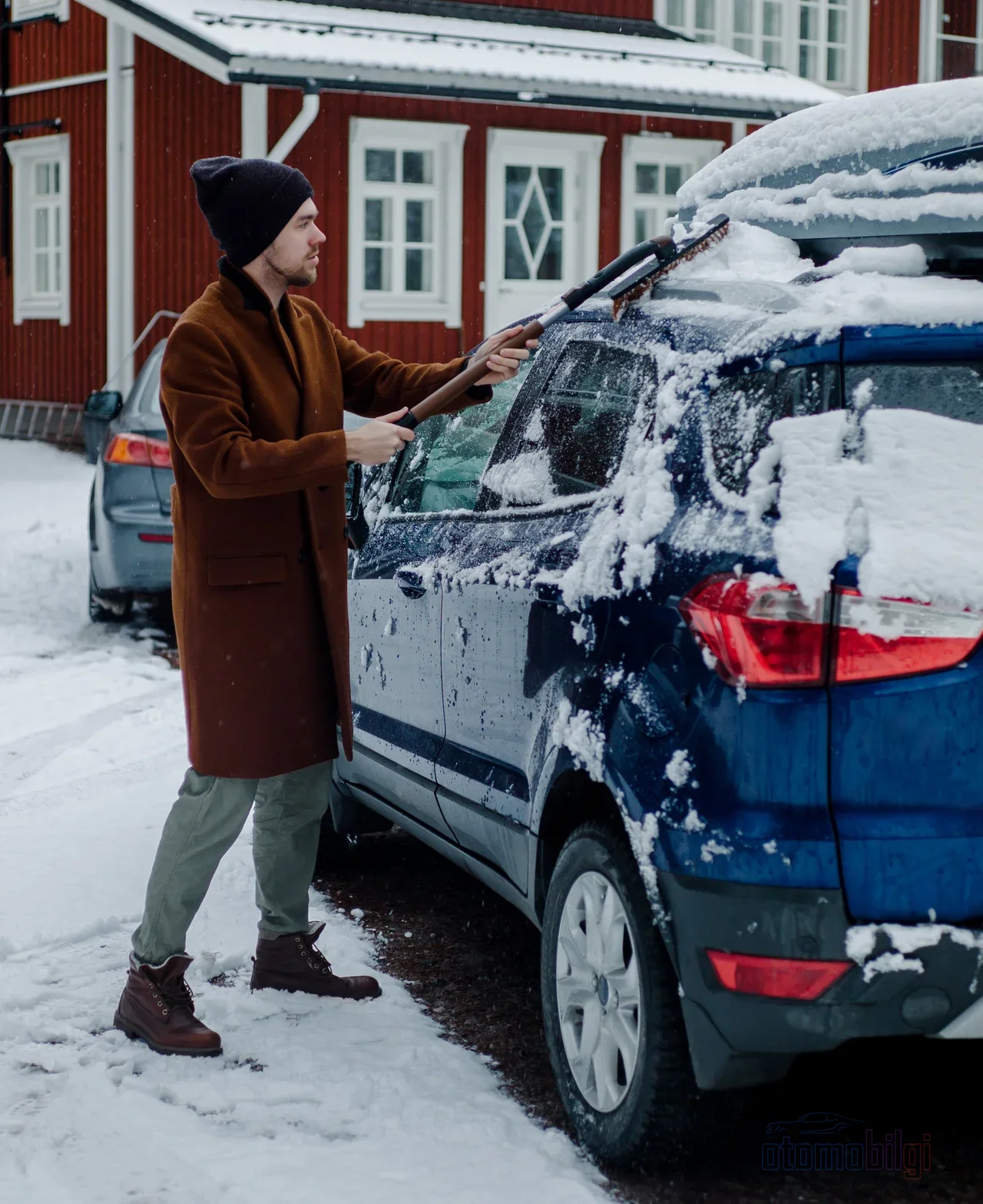
One of the most pressing problems in winter is visibility. Wiper inspection is simple: a blade that doesn't completely clean the glass with every pass, leaves streaks, or skips spots has finished its job. If you run your finger along the blade and feel roughness, the time for replacement has come; the cold accelerates the cracking and hardening of the rubber. In snowy regions, winter-type wipers, where the frame is wrapped in a rubber sleeve, reduce ice and snow buildup.
Check the Freezing Value When Choosing Winter Washer Fluid
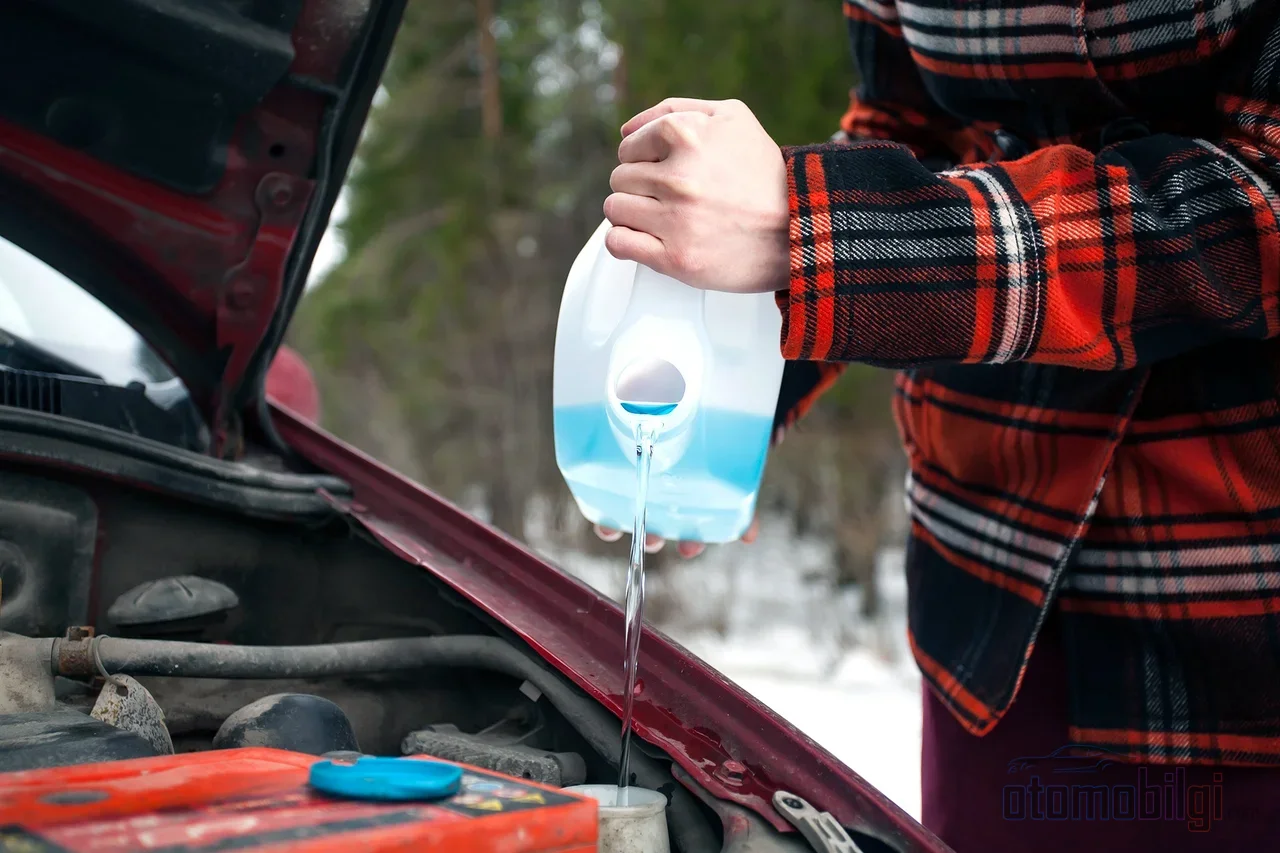
The washer fluid reservoir must be filled with a winter solution containing antifreeze. Products on the market offer different levels of protection: some stay unfrozen down to around 0°C, others down to -30°F (-34°C). A simple comparison:
| Product type | Typical freeze protection | Suitable use |
|---|---|---|
| Summer windshield washer fluid | Near freezing point | Warm season, places without overnight frost |
| Standard winter windshield washer fluid | Protection down to 0°C | Mild winter conditions |
| Concentrated winter windshield washer fluid | Protection down to -34°C | Hard frost, extended cold periods |
The question of what to do in summer inevitably comes up. There is no widely known drawback to using the winter formula year-round; the difference between products is largely the level of freeze protection. On the other hand, having the summer fluid remain in cold weather means the washer line will freeze - this distinction is a topic we cover in more detail on a separate page.
Door Seals: The Morning Struggle with a Frozen Door
A door that won't open due to freezing is one of winter's frustrating yet preventable problems. Here's the essence: moisture on the seal freezes and the seal sticks to the door body. The solution is to treat the surface where water clings. The common step in every method is the same: clean the seals and dry them thoroughly, then apply a protectant. There is no single standard for product choice; options such as silicone-based rubber protectant or silicone spray, dielectric grease, or Sil-Glyde grease all do the same job. A thin layer of petroleum jelly can also repel water and prevent ice from sticking the door shut. A small but useful application tip: rather than spraying directly onto the seal, apply the spray to a cloth and work it in with the cloth for a cleaner result.
Other Checks Not to Be Skipped at the Start of the Season
The main items on the list are the battery, tires, antifreeze, wipers, and seals; but a few additions deserve attention before the first frost:
- Engine oil: Thickened oil makes the engine hard to turn over in the cold; consult the owner's manual to switch to a lower-viscosity winter-grade oil.
- Fuel tank: Keep it at least half full in sub-zero conditions; this reduces the risk of condensation in the tank and fuel line freezing.
- Lights: Because of the short days, headlights, taillights, brake lights, and turn signals must all be working, and dirty glass should be cleaned.
- Exhaust: A leak or blockage can lead to carbon monoxide buildup, which can pose a serious danger during winter idling.
- Cabin air filter: A clogged filter restricts defroster airflow; replacing it before winter improves defroster performance.
- Belts and hoses: Belts should be checked for cracks and wear, hoses for leaks and hardening.
- Air filter: Hold it up in front of a bulb; if it blocks most of the light, it's time to replace it.
Be measured about brakes: squealing or scraping noises require service, and in any case of doubt it's best to leave the job to a certified technician. Detailed brake maintenance is covered on our separate pages; the advice here is only seasonal diligence.
Final Word: An Hour of Checks Saves You Needless Grief
Winter preparation is neither an exaggerated maintenance campaign nor a replacement for the maintenance schedule. It is simply knowing what the season breaks down and testing those points before the season starts. A car with a young battery, adequate-tread tires, measured antifreeze, and treated seals will greet frozen mornings far more calmly. If you are planning a long trip, the emergency kit contents are left to a separate article of ours; once the tasks on this page are done, what remains is the part that makes driving enjoyable.
Sources
- AAA's Winter Car Care Checklist
- Winter Weather Driving Tips: Prepare Your Vehicle
- Car Winter Survival Kit Checklist
- 10 Steps to Prepare Your Car for Winter
- Does Cold Weather Affect Your Car Battery? Here's How to Protect It
- What to Do If Your Car Won't Start in the Cold
- How To Check & Test Antifreeze For Cold Weather
- How Cold Weather Impacts Your Battery