7 Things to Check on Your Vehicle Before a Long Trip
Share This Page
Before setting off on a long journey, you need to check seven points on your vehicle: tire condition and spare tire, fluid levels, brake response, battery and electrical system, wipers and washer fluid, lighting, and balanced load placement. All of these checks take 15-20 minutes for an experienced hand and prevent getting stranded on the road, or something worse.
Highlights
- Tire pressure parked for at least 3 hours, meaning it should be measured on a cold tire; the spare tire should not be forgotten.
- The entire inspection round can be completed in 15-20 minutes .
- Battery if it is older than three years or cranking is delayed, it should be tested before the journey.
- If the wipers cannot clean the windshield in one or two passes, it is time to consider replacing the wiper blades.
- If red warning lights are on, the journey should be postponed until they are checked.
I have been in this business for more than thirty years; most stranded vehicles share the same story. The problem was there at the start of the journey, not when the trouble began. A thin nail, slightly low brake fluid, a battery past its third year. All of these could have been noticed in front of the garage, during an inspection round that would take two cups of coffee. On this page, I explain that round in a practical order.
Tires: Pressure, Tread Depth, and the Spare
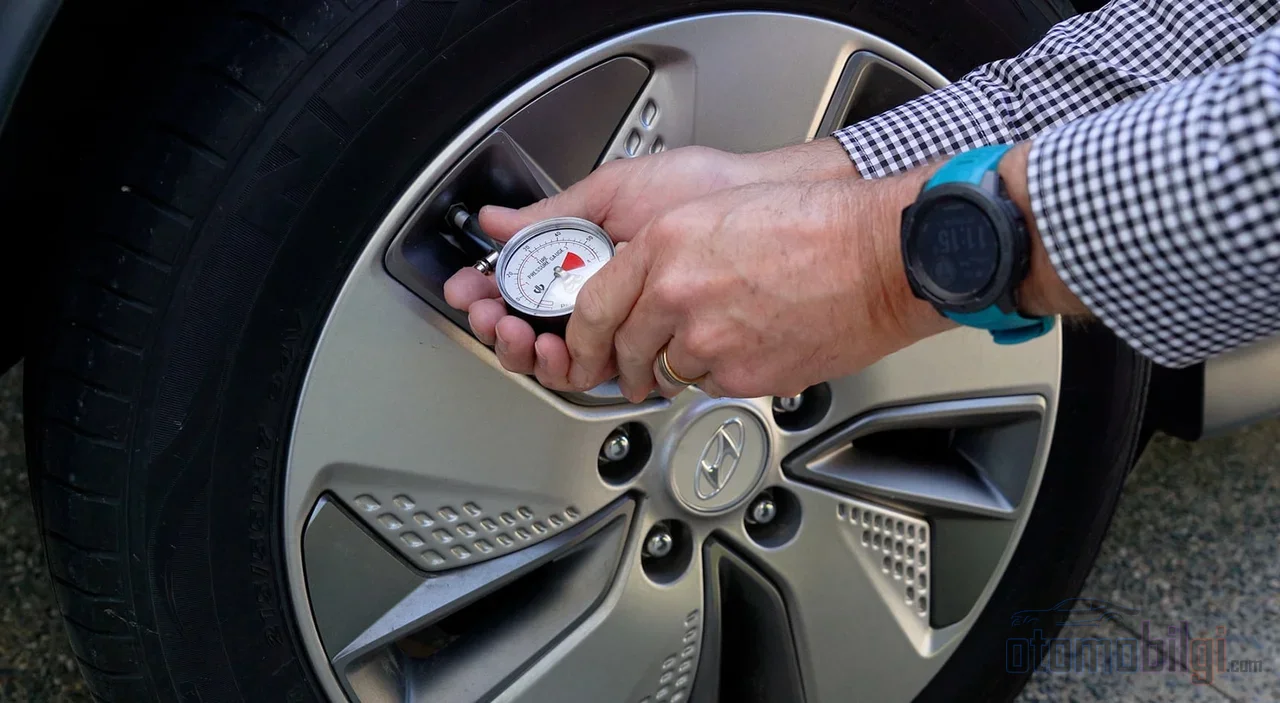
The first and most important stop of the inspection round is the tires. Always measure the pressure on a cold tire; the vehicle should have been parked for at least three hours. A tire coming from a short distance heats up, the air inside expands, and the measurement misleads you. Get the pressure values from the vehicle's owner's manual or the sticker inside the door; the value written on the tire's sidewall is the maximum the tire can carry, not the target value. The correct pressure improves fuel efficiency and reduces the risk of a blowout. Before a long trip, this check is a must; repeating it once a month is also a good idea.
Check the tread depth not from a single point, but from the inner, middle, and outer areas of each tire. Uneven wear, bulging, sidewall cracks, cuts, or an embedded nail are precursors of the trouble you will experience on the road. To notice bulging, which escapes the driver's eye on asphalt, it is enough to crouch beside the tire and take a second look.
And the point almost everyone skips: check the pressure of the spare tire as well. The spare is the one part at the bottom of the trunk that no one looks at for months, and the chance of it being flat exactly when it is needed is not low at all. The five minutes you will devote to a fully equipped spare saves you hours on the road.
Fluid Levels: Five Minutes in the Engine Bay
Open the hood and go over the fluids one by one: engine oil, coolant, brake fluid, transmission fluid, power steering fluid, and washer fluid. Most of them have min and max lines on their reservoirs; the level should be between these two lines. For engine oil, pull out the dipstick, wipe it, dip it back in, and read it. In the same round, also check the condition of the radiator hoses and the tension of the belts; if there are traces of oil or coolant leaks on the engine, note them down.
Brake fluid requires special attention. If its level is low or its color has darkened, that is a warning sign; however, color alone does not tell the whole story, as the fluid's moisture content also degrades over time. If you notice darkening with your eyes or the level is below the minimum line, the most sensible thing is to consult a service center before setting off.
Wipers, Washer Fluid and Lighting: The Two Ends of Visibility
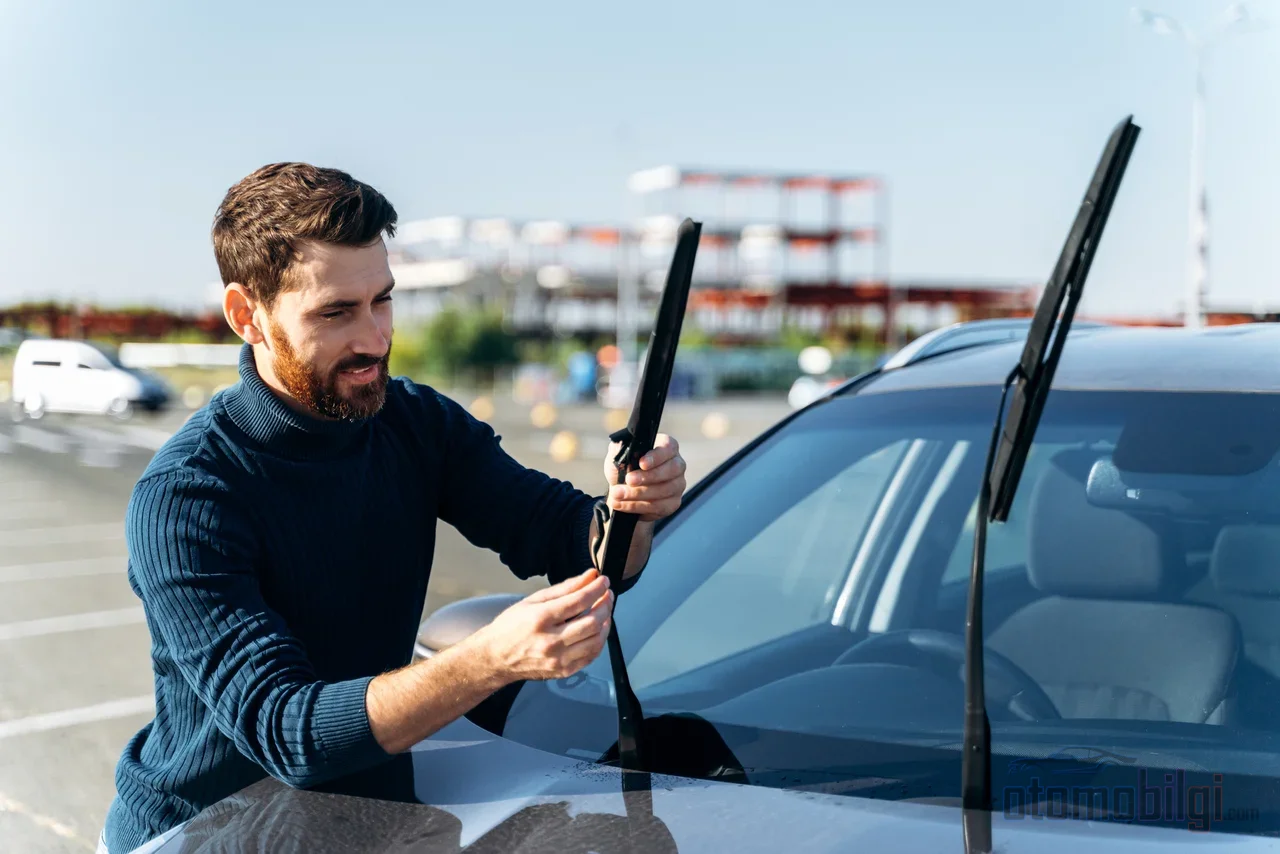
This pair is tested together because both relate to visibility. The practical method is this: spray washer fluid and run the wipers a few cycles. The wipers should clean the glass completely in one or two passes. A wiper that skips, leaves streaks, or has cracks and tears in its rubber shows its difference painfully in nighttime rain. Make sure the washer fluid level is full too; in road dust and bugs, washer fluid depletes faster than you think.
Brakes: What Does the Pedal Response Say?
You do not need to go on a long trip to test the brakes. Before setting off, roll at low speed and brake hard, paying attention to these three things: Does the pedal feel spongy, does the car stop late, does the steering pull to one side during braking? Steering pull indicates uneven braking pressure among the four wheels. Squeaking or grinding noises during braking also indicate that the pad thickness needs to be checked. If any of these symptoms are present, postpone the journey; brakes are not something to be bargained with.
Battery and Electrical: Know the Three-Year Limit
The battery deserves to be checked before a long journey but is often completely forgotten. The rough rule is this: if the battery is older than three years, if cranking is slower than normal, or if the headlights dim noticeably during cranking, have a battery test done before the trip. If there is whitish corrosion buildup on the terminals, clean it; check that cable and battery connections are secure. If more than one of these symptoms is present - electrical oddities, dim lights, or cranking delay - consider that the problem may lie in the alternator, not the battery; both can be checked together at a service center.
In a lighting check, the easiest thing you can do on your own is to park the car in front of a wall or shop window. Test the low beams, high beams, brake lights, turn signals, and hazard lights one by one; do not forget the front and rear parking lights, and the horn either. A bulb that has gone out, while not a danger in itself, makes a difference on a night journey and in your traffic conversation with other drivers; replace it - it is a five-minute job.
Load Placement: Weight Balance Also Affects Comfort
Filling the trunk is easy; filling it correctly is the real task. The load placement literature comes largely from the trailer world, and the established principle there is this: heavy cargo goes at the front, ahead of the axle, and approximately 60% of the load's weight in front, 40% at the rear is distributed in a way that it stays. Although it is not possible to carry the 60/40 rule over to passenger cars exactly as it is, the logic behind it is universal: Heavy items should be placed toward the front, as low as possible, and balanced laterally.
There is little to do in practice: Place heavy suitcases not at the far end of the trunk, but close to the rear seat back and on the bottom; do not pile the load on one side; do not load more than the vehicle can carry. Overloading affects not only safety but also comfort and fuel economy. A high center of gravity changes cornering behavior; the car does not turn like the car you know when it is empty.
Should a Trip Be Postponed If Warning Lights Are On?
This is the question most frequently asked by readers, and squeezing the honest answer into a single sentence would be a mistake. Because there are differences in severity among the lights. If the temperature gauge is approaching red, the engine is already overheating; oil, charging, brake, or ABS warnings are in the same group. When these lights come on, the journey should be postponed until the problem is checked; the problem you call minor is prone to growing on the road.
At the moment of starting, the oil, coolant, charging, and ABS lights should go out immediately; if they do not, there is a fault in the relevant system. Also pay attention to the blinking behavior of the ABS light. If there are no other symptoms and the light does not indicate an imminent danger, it is usually possible to drive the car home; however, this is not permission to delay going to the service. The end of the habit of ignoring warning lights is serious damage, costly repairs, and safety risks. If multiple lights come on at the same time, you have already made your decision: The vehicle does not hit the road.
Final Word: Twenty Minutes Worth Hundreds of Kilometers
In the past, some of these checks were done by the attendant at the gas station; now they are all our job, and honestly, that is not bad at all, because no one knows your car better than you do. The seven stops above take 15-20 minutes of your time before hitting the road. A driver who turns this time into a regular habit should be concerned not with breaking down on the road, but with enjoying the journey.
Sources
- Tire Safety Checklist: What to Do Before Your Next Road Trip
- Holiday journey
- Section 2.1 - Vehicle Inspection Guide
- Ultimate Road Trip Checklist
- Road Trip Prep: The 15-Minute Vehicle Inspection Checklist
- How To Check Brake Fluid
- Check Brake Fluid Level: Warning Signs Before It's Too Late
- CDL Pre-Trip Inspection: Complete Checklist & Guide
- Prepping for a Road Trip? This is Your Complete Checklist
- Should You Ignore a Warning Light Before a Road Trip?
- What Your Dashboard Warning Lights Actually Mean
- The 60/40 Rule for Trailer Loading