When Should the Wiper System Be Replaced? Streaking, Smearing, and Visibility Issues
Share This Page
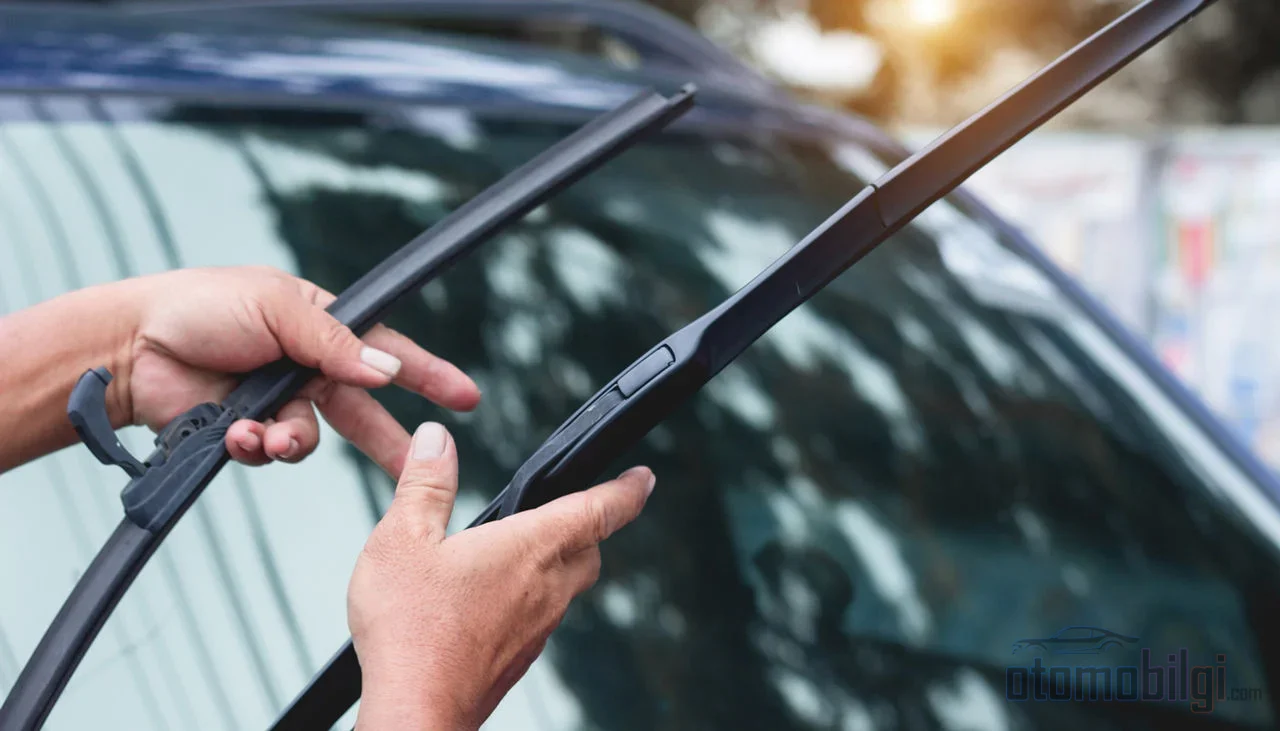
The wiper set should generally be replaced every 6 to 12 months, or when wiping performance deteriorates; signs such as scratching, streaking, smearing, and noise are the clearest indications that the blade can no longer do its job. The main factors that shorten this lifespan are sunlight, extreme heat and cold, and running the wipers on a dry windshield.
Highlights
- Average replacement interval: 6–12 months, shorter in extreme conditions
- Most common symptom: streaking on the glass
- If the arm is intact, replacing only the wiper blade (refill) may be sufficient
- Wipers should be replaced in pairs; both are exposed to the same conditions
- Running wipers on a dry windshield wears out the blade quickly
The most overlooked item on a car's maintenance list is, perhaps, those two thin strips of rubber sitting at the base of the windshield. Worn brake pads reveal themselves with sound, worn tires with their tread; the wiper, however, reports its failure silently, and the driver usually notices only in the rain, with blurred vision. Yet the essence of the matter is simple: the wiper blade is the rubber strip that performs the wiping task; the arm is the mechanism that provides its movement and contact with the glass. Since it is a rubber component, an aged wiper wears out, and there is no going back; the only question is when to replace it.
When Should the Wiper Set Be Replaced?
The industry's common answer is clear: once a year or every six months, whichever comes first. Most manufacturers and retailers give a 6–12 month range; some advocate replacing them regularly every six months as a preventive measure. There are cases outside this range as well: while cheap, entry-level blades can lose their function in four to six months, quality all-season blades can last several years in good conditions. So there is no exact and universal timeframe; climate, vehicle, and intensity of use shift the number.
It is also worth touching on the debate between two approaches here. One side says fixed schedule: once six months have passed, replace them without waiting for symptoms. The other side, the approach adopted by most users, waits for symptoms. My observation from long years of experience is this: think of the calendar as a lower limit and the symptoms as an upper limit. Inspect the blades at least once a year, preferably at the change of seasons; if wiping quality has deteriorated, do not wait. A wiper is a cheap part; a windshield is an expensive one.
Signs of Wear: Scratching, Streaking, Smearing, and Noise
A worn wiper actually gives itself away clearly; the issue is whether the driver takes these signals seriously. The signs a conscientious driver should watch for are as follows:
- Streaking: The most common symptom. When the blade does not make full contact with the glass, water streaks are left behind; the cause is a worn or bent blade. Prolonged sun exposure also dries out and hardens the rubber, leading to the same result.
- Skipping and chattering: During wiping, the blade jumps across the windshield instead of gliding smoothly, and some areas remain unwiped.
- Squeaking and clicking noises: This is the sound the blade makes as it drags across the glass, and it usually points to a contact problem.
- Blurry vision: If a hazy, smeary film remains on the glass after wiping, the rubber edge is no longer sharp and even.
- Visible damage: Cracks, brittleness in the blade, or an arm that appears bent during inspection indicate that the replacement should not be delayed.
Reading the cause of these symptoms correctly saves you money. A squeak does not always mean a worn blade; if dirt and buildup on the glass are wiped away with glass cleaner, the noise may disappear. An empty washer fluid reservoir and running the wipers on dry glass also cause the same sound. In an advanced stage, worn rubber allows the metal of the wiper frame to touch the glass; at that point, the debate is over.
Why Is a New Wiper Blade Still Making Noise?
Noise and vibration, known as "chatter" in the English-language literature, are not always the old blade's fault. If a newly installed wiper also makes noise, the culprit is usually not defective rubber but a dirty windshield, silicone or polish residue on the glass, or an incompatible installation. A bent wiper arm can also cause the same complaint by preventing the blade from making full contact with the glass. There is also a lesser-known cause: a stone crack or chip in the windshield disrupts the blade's smooth glide. In addition, if the wiper rests in its park position, that is, at the bottom of the glass, for a long time, the rubber may take on that shape; this causes temporary chattering.
The practical order should be as follows: first clean the glass, then check the installation and the alignment of the arm, and only then blame the blade. In the past, the solution to this job was left to the mercy of the dealership's service department; now most wipers come with designs that a user following the instructions on the package can install within minutes.
Should You Replace the Wiper Blade or the Entire Arm?
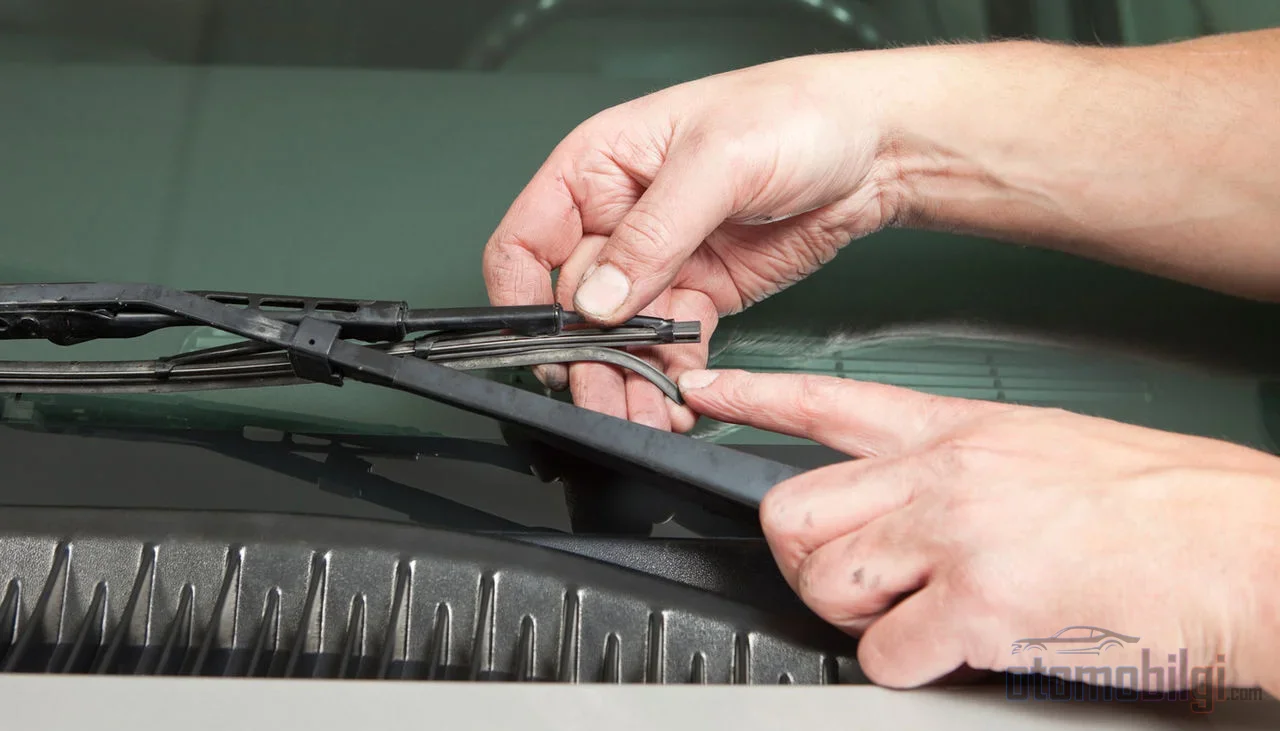
The division of labor is simple: the arm generates the movement and the pressure on the glass, while the blade performs the wiping. That is why most replacements cover only the blade part, namely the blade itself. If the frame is structurally sound - that is, it sits properly and distributes pressure evenly - replacing only the inner blade (refill) is the most economical option. If the frame is bent and its springs are weakened, the economics reverse; the entire assembly must be replaced. Then there is the installation size, which is where new wiper buyers struggle the most: there are more than thirty connector types such as hook, top button, pinch tab, and side lock. Checking the size and connector type in your vehicle's owner's manual saves you from buying the wrong part at the store.
My recommendation is to always replace them in pairs. The front wipers endure the same UV rays, the same heat, and the same rain; if one is worn out, the other is on the same journey. Replacing one and keeping the other does not make consistent sense, either in appearance or in practicality.
Conventional, Beam, and Hybrid: Which Wiper Type?
There are three main designs on the market, and the difference between them is not a marketing gimmick but a genuine engineering distinction:
| Type | Design | Where it excels | Cost |
|---|---|---|---|
| Conventional | Traditional skeleton with 6-8 pressure points | Quick and low-cost replacement | Cheapest |
| Beam | Spring-loaded body that distributes pressure along its entire length | High speed, snow, and ice | Most expensive |
| Hybrid | Conventional pressure points + aerodynamic cover | Balance in harsh weather conditions | Mid-range |
The conventional wiper is the design we have known for decades: a few arms press the rubber against the glass; it is cheap and sufficient for everyday use. The beam type, with its spring-loaded body that makes the number of pressure points virtually unlimited, wipes better especially at highway speeds; its aerodynamic shape also reduces snow and ice buildup. The hybrid is a middle ground between the two worlds: it combines conventional pressure points with a covered, aerodynamic body and has become a popular alternative in recent years. In heavy snow and ice conditions, it makes sense to consider beam or hybrid type winter wipers; however, it should be noted that while winter wipers are superior against snow and ice, they may not wipe rain as well as standard wipers. If you live in a climate with rain in all four seasons, seasonal replacement is not a mandatory step for you.
The Effect of Washer Fluid and Usage Habits on Wiper Life
Half of a wiper's life depends on the quality of the rubber, and half on the driver's habits. The most harmful habit is running the wipers on a windshield where the washer fluid has run out; dry friction wears down the rubber in no time. Keeping the reservoir full and ensuring the nozzles work effectively is the simplest measure that extends wiper life. Wiping on a dirty windshield works the rubber like sandpaper; insect residue and bird droppings are particularly harsh. If the glass is clean, the rubber stays clean - it is that simple.
Seasonal factors, on the other hand, put a two-way strain on the rubber. High temperatures and the sun's UV rays deform, harden, and crack the rubber; the rubber that becomes brittle in summer can leave scratches and stains on the glass. In freezing cold, the rubber hardens and becomes brittle, and its wiping ability drops. Frequent use in regions with heavy rainfall inevitably accelerates wear. The task before winter is simple: check the wipers, verify that the washer fluid is suitable for freezing temperatures, and if necessary replace the summer wipers with winter ones.
Visibility Safety: Why Shouldn't You Wait?
The wiper is one of the few safety features of the vehicle that is genuinely in working condition every single day. According to published safety assessments, poor visibility conditions contribute to approximately 400,000 accidents per year, and 77% of weather-related accidents occur during rain or drizzle. In this picture, a worn wiper may not seem like a small detail. Moreover, the cost of neglect is not just about safety: a hardened blade with exposed metal can scratch the windshield, and a scratched windshield means a bill far more expensive than repair or replacement.
The bottom line of this matter, in my view, is this: wiper blades, like tires and engine oil, are a periodic maintenance item. Check them once or twice a year, take the warning signs seriously, and replace them when either of the two appears. The difference is the difference between clinging to your seat in a bad rainstorm and driving calmly.
Sources
- When to Replace Your Windshield Wipers and Why It Matters
- Four Signs You Should Replace Your Wiper Blades
- Beam Wipers vs Conventional Wipers
- Windshield Wiper Safety and Maintenance
- Winter Tips for Your Windshield Wiper Blades
- Why Do New Wiper Blades Still Chatter? Causes and Fixes
- Fix Windshield Wiper Chatter
- Wiper Arm vs Wiper Blade: Key Differences for Buyers
- Is it Better to Replace Wiper Blades or Inserts?
- When and How to Change Your Wiper Blades