Driving Habits That Increase Fuel Consumption
Share This Page
Driving habits that increase fuel consumption usually stem not from a malfunction, but from everyday behaviors: Sudden acceleration and hard braking can reduce fuel economy by 15-30% on the highway and 10-40% in stop-and-go traffic. Extended idling, unnecessary weight, low tire pressure, and the wrong speed - A/C balance are all part of the same equation. Below you'll find the approximate cost of each habit and a practical fix.
Highlights
- Aggressive driving can worsen fuel economy by 15-30% on the highway and 10-40% in city traffic.
- In modern engines, idling longer than 10 seconds burns more fuel than turning the engine off and back on.
- Even an empty roof rack can increase consumption by 2-10%.
- Every 1 PSI of missing tire pressure lowers fuel economy by approximately 0.2%.
- At low speeds, open windows win; at highway speeds, the A/C with closed windows is usually the better choice.
Sudden Acceleration and Hard Braking: The Most Expensive Habit
The most common pattern I've seen in thirty years in this profession is this: A driver who floors the gas and then slams on the brakes at the next light burns noticeably more fuel than a calmer neighbor cruising along. The physics here is simple. Accelerating always requires more fuel than driving at a constant speed; and hard braking wastes all the momentum you gained. When you release the brakes, you have to buy that momentum all over again.
The figure from official energy agencies is clear: The combination of aggressive acceleration and braking can increase consumption at highway speeds by 15-30% and in stop-and-go traffic by 10-40%. It has also been calculated that each aggressive brake-accelerate cycle can generate up to half a gallon of extra fuel consumption; though each one looks small in isolation, a behavior repeated dozens of times in traffic adds up to a serious total.
The fix is not technology, but discipline. The approach summarized as defensive driving means reading traffic several cars ahead and easing off the gas early instead of braking. Gradually slowing down as you approach a red light saves both fuel and brake pads. This old-school technique still holds as the single most effective behavior change for savings today.
How Much Fuel Does Driving at High Speed and High RPM Burn?
Aerodynamic drag increases exponentially with speed; that's why fuel economy typically drops noticeably above a certain speed threshold. According to official data, this threshold is approximately 80 km/h (50 mph), and every 8 km/h increase above it corresponds to an additional fuel cost per liter. Playing with the speedometer on the highway is reflected directly in the bill you pay at the pump.
Inconsistent speed is penalized in the same way. Speed fluctuations and sudden accelerations on the highway can increase consumption by up to 30%. Holding a constant speed and using cruise control in automatic-transmission vehicles is the most practical solution. Driving in a high gear at low-to-mid engine speeds also gives the engine a wider throttle opening, reducing pumping losses; the engine operates more efficiently.
But you must not overdo it. Lugging the engine at very low rpm in a high gear is also not recommended for the engine. The reasonable point between efficiency and lugging is to follow the engine speed range recommended by the vehicle's manufacturer and press the accelerator gently. There is no such thing as a heavy-footed, aggressive right foot; there is only a correct foot.
Idling: Burning Fuel While Standing Still
Fuel burns even when you are stopped. A typical gasoline-powered vehicle consumes about 0.5–1 gallon of fuel per hour at idle (that is, around 2–4 liters per hour); this rate rises even further in engines under load or with large displacements. The average driver unknowingly spends 5–10 minutes of every day idling. That means daily fuel worth the cost of a journey of several kilometers; on an annual basis, a habit of idling 10 minutes a day corresponds to more than 100 liters of wasted fuel.
The most common doubt here is that turning the engine off and back on is more expensive. In modern fuel-injected engines, this is no longer true: for a wait longer than 10 seconds, turning off the engine saves more fuel than leaving it running. Switching off the ignition while waiting in front of a school, at a railway crossing, or in a coffee order queue was pointless in the era of old carburetors, but today it means savings, quite the opposite.
Unnecessary Weight and Roof Cargo: The Penalty Hidden in the Trunk
Weight is the silent enemy of fuel economy, especially in stop-and-go traffic. A heavier load demands more power from the engine at every acceleration. Sports equipment in the trunk and unused items on the back seat constantly strain the vehicle a little more. This item's figure cannot be measured as clearly as tire pressure, but its direction is certain: emptying the trunk is free savings.
Roof cargo is the best-documented item of the subject. According to academic calculations, roof racks can increase the vehicle's drag resistance across a wide range of 10–22%. In the United States, roof transport alone is estimated to cause roughly 100 million gallons of excess fuel consumption annually. In field tests conducted with removable racks, improvements of up to 3 mpg were measured at highway speeds when the rack was removed; even an empty rack creates an increase in consumption of 2–10% depending on speed.
The recommendation is practical: Mount the rack only on the days you will use it, and keep it in the garage for the rest. If you use a roof box, choose the lowest possible profile and hold back a little on highway speeds; the aerodynamic penalty grows with speed.
Does Low Tire Pressure Quietly Increase Consumption?
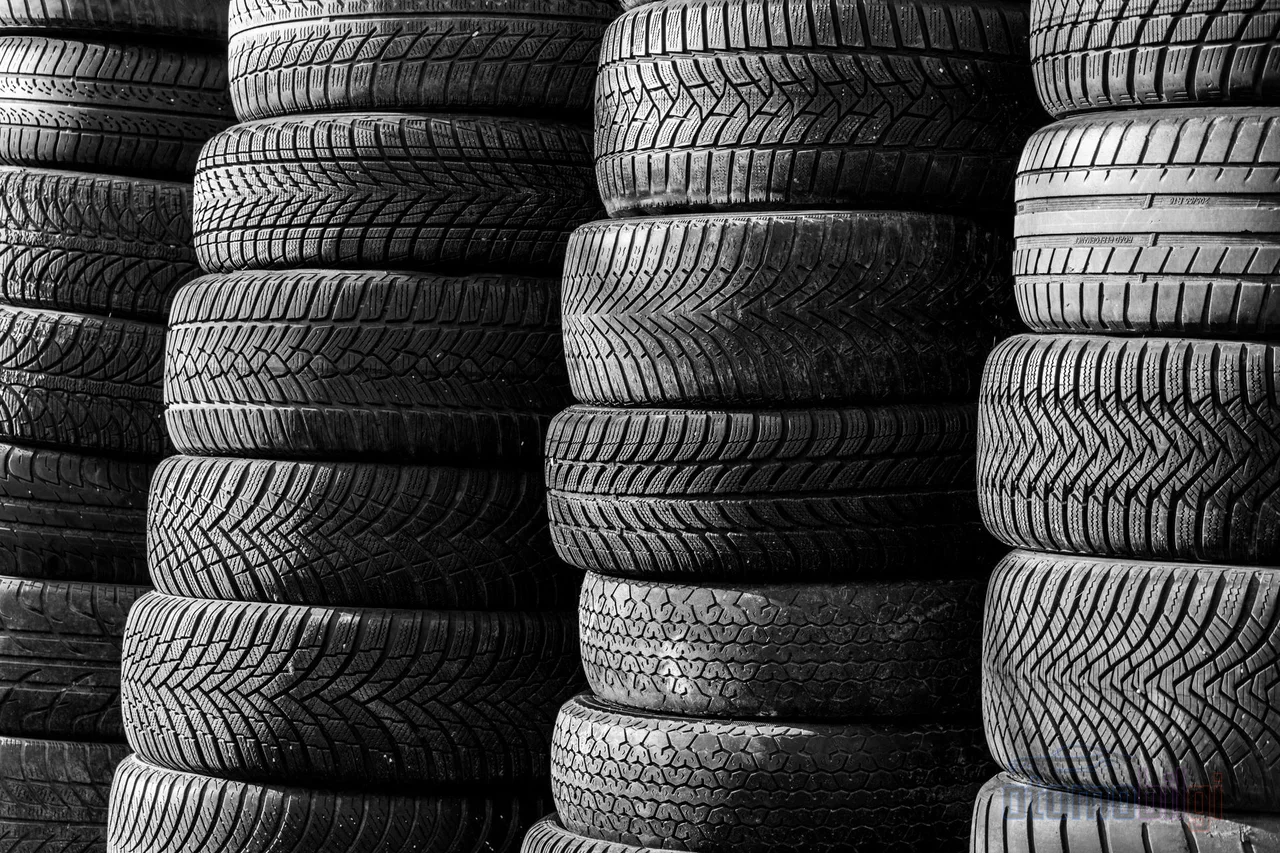
Yes, and it is one of the most solidly proven items. Every 1 PSI drop in the average pressure of the four tires reduces fuel economy by about 0.2%. The reason is technically simple: An underinflated tire deforms more, rolling resistance increases, and the engine burns more fuel to overcome that resistance. Pressure dropping 20% below the manufacturer's recommendation can increase consumption by about 4%; this works in exactly the opposite direction of the 0.6-3% improvement that properly inflated tires provide.
Correcting this issue is a three-minute job. Check tire pressure at least once a month with the tires cold, and read the values from the sticker inside the door; the number on the sidewall is not the manufacturer's recommendation, it is the tire's maximum allowable limit. As temperatures drop at the onset of winter, pressure falls too, so an extra check is essential during seasonal transitions.
Air Conditioning or Open Windows: An Answer That Changes With Speed
This debate has gone on for generations among drivers, and the honest answer is that there is no single correct one. Running the air conditioning consumes extra fuel and can increase consumption by up to 10%. However, open windows at high speeds also create a significant aerodynamic penalty; in some measurements, driving on the highway with windows open produced worse results than driving with the air conditioning on. At low speeds, the aerodynamic cost of opening the windows is negligible and it spares the air conditioning from working hard.
Therefore, the sensible approach is this: Open windows in the city and at low speeds, closed windows and air conditioning on the highway. Cracking the windows slightly is also an option as a compromise. Considering that the difference between the two will not be the same in every vehicle and in every condition anyway, acknowledging that the measurable difference changes over time is the most honest stance. What matters is knowing that at high speeds, neither method is free.
The Overall Picture: Approximate Fuel Loss from Each Habit and Its Correction
| Habit | Approximate fuel loss | Applicable correction |
|---|---|---|
| Sudden acceleration and hard braking | 15-30% on the highway, 10-40% in traffic | Anticipatory driving, early throttle lift, gentle acceleration |
| High speed (above 80 km/h) | Noticeable drop with every increase in speed | Steady speed, use of cruise control |
| Long idling waits | 0.5-1 gallon per hour | Shutting off the engine when waiting longer than 10 seconds |
| Roof rack (empty) | 2-10% | Removing the rack when not in use |
| Unnecessary load | Increase depending on weight and traffic cycle | Regularly emptying the trunk and seats |
| Low tire pressure | ~0.2% per 1 PSI | Pressure check once a month on cold tires |
| Air conditioning / open windows | Up to 10% | Windows at low speed, air conditioning on the highway |
None of the figures in this table are based on exaggerated claims; they are all measured and verified ranges. No driver can apply all of them at once, but adopting even a few makes a visible difference in the annual fuel bill.
Closing: Small Adjustments, Measurable Savings
The thing I have learned most over the years is this: Fuel economy is determined not by one big decision, but by the sum of dozens of small behaviors. The three minutes of attention given before turning the key in the morning – checking tire pressure, removing unnecessary weight, pressing the gas pedal with less impatience – shows up in the number at the pump at the end of the month. No gadget, no fuel additive can compete with a disciplined right foot. The secret of this business is not in the vehicle, but behind the wheel.
Sources
- Efficient Driving to Conserve Fuel
- How Driver Behavior Impacts Fuel Efficiency
- The Impact of Hard Braking and Acceleration on Your Fleet
- How Much Fuel Is Used When Idling?
- Roof Racks a Drag on Fuel Economy
- Fuel Consumption Impacts of Auto Roof Racks
- Tested: How Much Do Roof Racks Affect Fuel Economy?
- Does Low Tire Pressure Really Hurt Your Fuel Economy?
- Saving fuel: Windows down or air con on?
- Incorporating driving behavior into vehicle fuel consumption