How Do Electric Cars Pass Inspection?
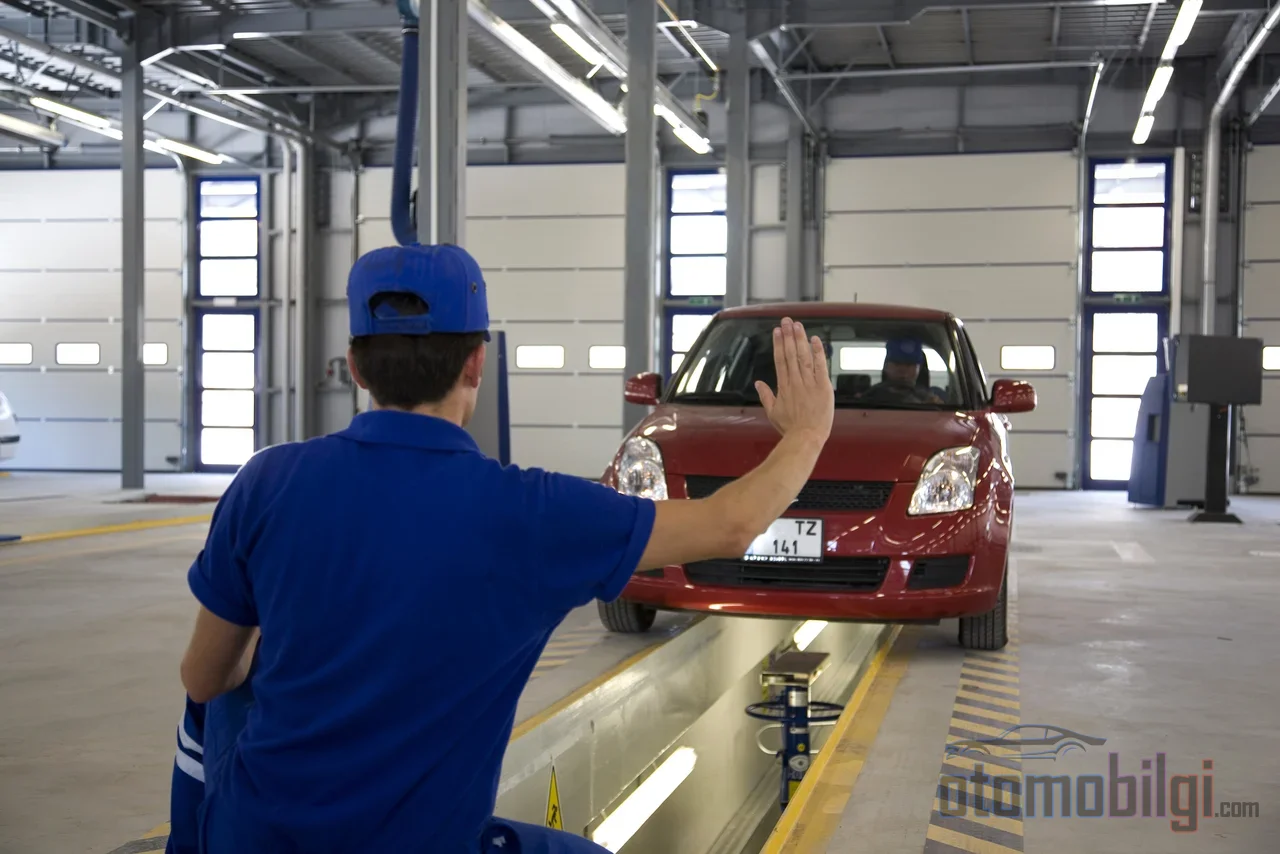
Most drivers who take their gasoline-powered car to inspection wake up on the morning of the appointment fearing the exhaust emissions test. For an electric vehicle owner, this anxiety is physically impossible: if there is no exhaust pipe, there are no emissions to measure. Even so, electric cars in Turkiye are inspected within the same mandatory framework as internal combustion vehicles, at the same stations and with the same control discipline. So what exactly does a vehicle without exhaust and transmission tests encounter at inspection, which items stand out, and which fault could leave you stranded at the station? This guide covers, step by step, everything you need to prepare your electric vehicle for inspection.
How Often Must Electric Vehicles Be Inspected?
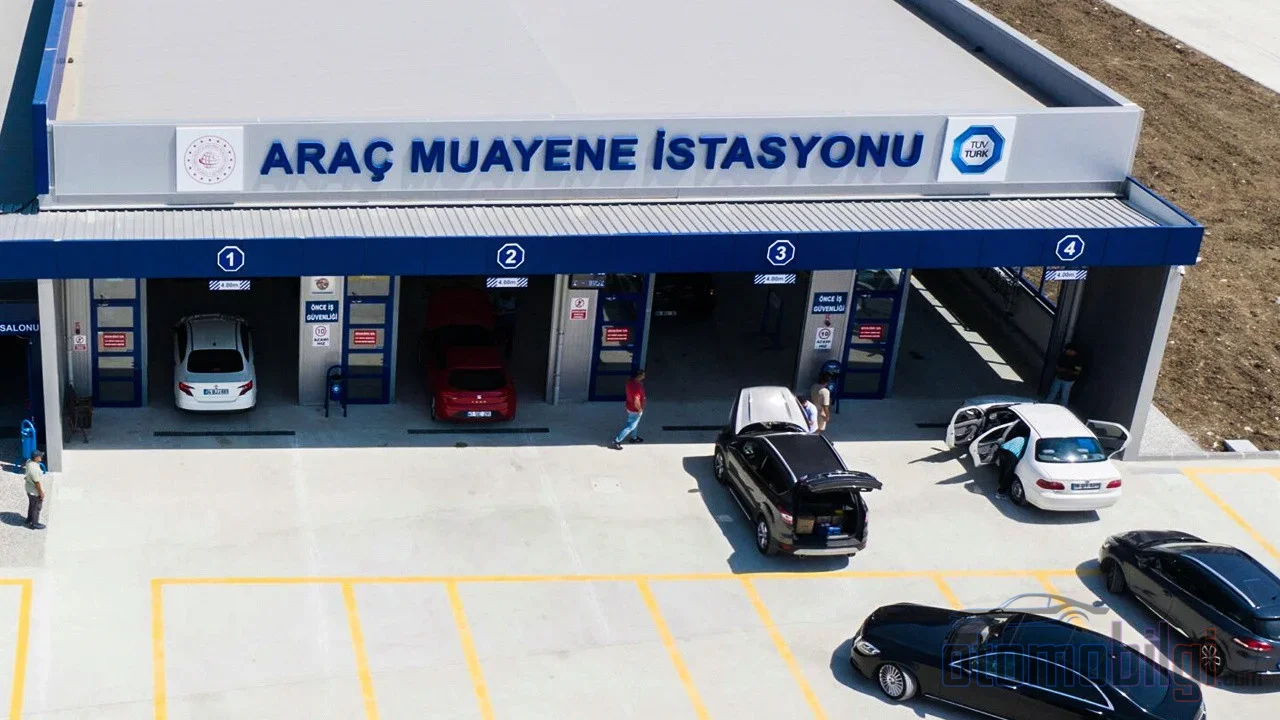
Being electric has no effect on the inspection period; what determines it is the vehicle's intended use. Passenger electric cars benefit from an initial 3-year exemption; the first inspection takes place at the end of the third year and is then repeated every 2 years. For commercial electric vehicles such as taxis, minibuses, buses, and trucks, the schedule is stricter: the first inspection at the end of the first year, then annually.
These periods are exactly the same as for gasoline-powered vehicles. In other words, switching to electric does not change your inspection calendar; it places your vehicle on the same schedule according to the registration date on its registration certificate. An appointment is mandatory at fixed stations; mobile stations serving 77 provinces inspect only passenger cars, tractors, and motorcycles, and also operate by appointment only.
Key Highlights
- Electric vehicles are exempt from exhaust gas emissions measurement; all other safety checks apply.
- For passenger electric vehicles, the first inspection is at the end of the third year, and thereafter every 2 years.
- The 2026 passenger car inspection fee is 3,288.84 TL (VAT included).
- Engine oil, filters, fuel system, and exhaust checks are not applied to electric vehicles.
- The most common reason for failing is still brake performance: regenerative braking delays pad wear but does not eliminate the brake test.
Which Checks Are Performed at Inspection, and Which Are Not?
An electric vehicle at the inspection station undergoes all standard checks for traffic and road safety: brake system, steering, axles, wheels, lighting, windshield, mirrors, wipers, and chassis-body structure. The exemption is limited to a single item: exhaust gas emissions measurement. Since an electric vehicle has no exhaust system, this measurement is not applied; the exemption does not cover any other test.
On the other hand, the nature of the electric vehicle adds its own unique items to the inspection:
- Battery safety: The condition of the battery casing and high-voltage cable lines, and electrical insulation, are checked.
- Brake test: The brake system, including regenerative braking, is measured with standard test equipment.
- Suspension and running gear: The load placed on these components due to the battery's weight makes the strength check especially important.
What is not performed is also clear: motor oil, filter, fuel system and exhaust checks do not exist on an electric vehicle. The LPG certificate question that gasoline car owners are used to naturally does not come up for electric vehicles either. So the inspection starts with one item missing and one item different - the remaining process flows familiarly.
Pre-Inspection Checklist: Documents and Vehicle
Documents to Bring
- Vehicle registration certificate (registration document)
- Valid traffic insurance policy
- Power of attorney if someone other than the vehicle owner takes the vehicle
- Expired defect reports, if any, must be presented
For an electric vehicle, no exhaust report or LPG/CNG certificate is required. Also check the debt status before your appointment: no appointment is given to vehicles with traffic fines, motor vehicle tax or highway toll debts. This is not a rule specific to electric vehicles; it is part of general inspection practice and one of the most easily preventable causes of delay.
Points to Be Checked on the Vehicle
- Warning lights must not be on - an active fault lamp on the dashboard raises a suspect question.
- Brake pads, discs and hydraulic condition; brake imbalance is a critical measurement of the inspection.
- Tire tread depth must be above the legal minimum and pressure at the manufacturer's values.
- Headlights, tail lights, turn signals and all lighting including hazard lights must be fully functional.
- The battery's underbody compartment must have no impact damage; exterior equipment such as the charging socket cover must remain intact.
- Windshield cracks (especially on the driver's side), wiper blades and the condition of the mirrors.
2026 Inspection Fees: How Much Does an Electric Vehicle Pay?
The 2026 tariff has set the inspection cost into a clear picture every vehicle owner should see. In the passenger car band, the fee is 3,288.84 TL (VAT included); for drivers who paid 2,620 TL for this item last year, that means an increase of about 25%.
| Inspection Type | 2026 Fee |
|---|---|
| Passenger car / minibus / pickup | 3,288.84 TL |
| Heavy vehicle | 4,446.00 TL |
| Roadworthiness inspection | 2,223.00 TL |
| Roadworthiness (with inspection) | 1,644.00 TL |
| Tractor / motorcycle / motorized bicycle | 1,674.00 TL |
The question concerning electric vehicle owners is whether there is a separate item in the tariff for them. In the general structure where official pricing separately charges for exhaust emission measurement, the electric vehicle is not subject to this measurement, so it is expected to be exempt from this charge. The calculation that the electric vehicle inspection is roughly 460 TL cheaper suggests a separate electric vehicle item in the official tariff and, since it requires direct confirmation, should be read with caution. The safest way is to verify the current amount on the official pricing page when making an appointment.
Can an Electric Vehicle Remain at the Inspection Station? Common Mistakes
Having no exhaust does not mean passing the inspection is easy; electric vehicle owners can also leave the station with an invalid report. The most common causes are as follows:
- Braking performance: In electric vehicles, regenerative braking delays brake pad wear; because the mechanical brakes are used so little, the owner may not notice the problem. Yet brake imbalance and loss of performance are among the most common issues found at inspection, even in electric vehicles.
- Steering faults: Free play, stiffness, end-stop error and heavy operation count as major defects.
- Lighting: Incorrect high/low beam adjustment, tail light and indicator faults, and failure of the hazard warning system are grounds for failure. Some faults, such as the low beam, parking light or reversing light, may be assessed as minor defects; this depends on the nature of the fault.
- Tires: If worn or inadequate tires are below the legal tread depth, a failed report is inevitable.
- Tow bar: An incorrectly mounted tow bar can be an obstacle to approval in the chassis inspection.
Pay attention to the first item on this list: regenerative braking has an indirect cost. In a vehicle that rarely uses its mechanical brake pads, the pads and discs may still measure weak even after years. Having an expert check the condition of the brake pads, discs and hydraulics before the inspection is the most sensible preparation investment for an electric vehicle.
Appointment Day: How Does the Process Work?
Being at the station before your appointment time is the first rule of the job. At the application, the registration certificate, a valid traffic insurance policy and, if any, defect reports are submitted. Since an exhaust report is not required for an electric vehicle, the application is made with one less document; that is the entire difference in the process. The checks follow exactly the same path as for an internal combustion vehicle - brake test, lighting and body inspection, and a visual and equipment-based examination of the battery casing and high-voltage lines.
The result is received the same day: if there are no defects the report is issued, and if a major defect is found the vehicle must be presented for re-inspection within the specified period. Minor defects do not invalidate the report, but they are recorded as findings expected to be corrected.
The Last Thing You Need to Know: The Station Name Is Changing
There is an update that will affect your inspection schedule: As of August 15, 2027, the operation of vehicle inspection stations will pass from TUVTURK to TURKA, and a new 20-year period lasting until 2047 will begin. An agreement has been signed between the parties for the takeover of the existing stations. Nothing changes as of today; but be prepared to find the operator's name changed at your appointments after mid-2027. The periods, checks and rules will continue to feel familiar to you with this transition.
In short: How Does an Electric Car Pass Inspection?
An electric vehicle goes through every safety check that a gasoline vehicle passes with the same standards; the only exemption is the exhaust emission measurement. In return, electric-specific items such as the battery casing, high-voltage lines and insulation are added. For passenger cars, the first inspection takes place at the end of the third year, and every two years thereafter; the document set is limited to the registration certificate, traffic insurance and, if necessary, a power of attorney. Since the most common failure point is brake performance, checking the pads and discs before the inspection, clearing warning lights on the dashboard, adjusting tire pressures and verifying that the lighting works completely is sufficient. Exhaust anxiety is now behind us; what will get you through the inspection is a well-maintained vehicle and a complete document folder.
Sources
- TÜVTÜRK Frequently Asked Questions
- TÜVTÜRK 2026 Vehicle Inspection Prices
- How Often Is an Electric Vehicle Inspection Required?
- What Is a Vehicle Inspection? Inspection Processes for Electric Vehicles
- How Is an Electric Vehicle Inspection Performed?
- What Should Be Considered in an Electric Vehicle Inspection?
- How Are Electric Cars Inspected?
- Major Defects in Vehicle Inspections
- Minor and Major Defects in Vehicle Inspections
- Electric Vehicle Inspection Fee 2026
The TUVTURK official price page is the primary source referenced in the table above; general practice information about the inspection process has been compiled from the sahibinden Oto360 guide: How Are 2026 Vehicle Inspection Procedures Carried Out?